












When it comes to choosing the ideal family vehicle, two types of cars often dominate the conversation: MPVs (Multi-Purpose Vehicles) and SUVs (Sport Utility Vehicles). Each has its strengths, but as families evolve and driving habits change, many are left wondering: which vehicle truly delivers the best experience in 2025? In this article, we’ll compare MPVs and SUVs across four key areas—advantages for families, practicality, driving comfort and performance, and safety features—to help you determine which vehicle reigns supreme for your family.
1. Comparing the Advantages of MPVs and SUVs for Families
Both MPVs and SUVs have been designed with families in mind, but they serve slightly different purposes and cater to different needs.
Advantages of MPVs
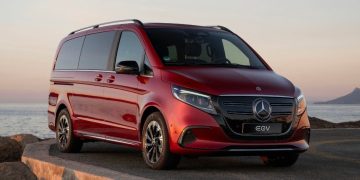
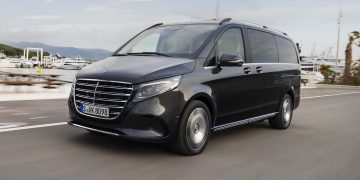
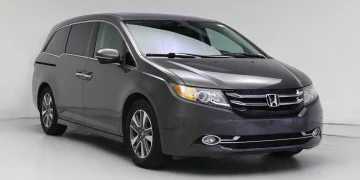
MPVs, traditionally known as minivans, are prized for their spacious interiors, flexibility, and family-oriented features. Here are some key advantages for families:
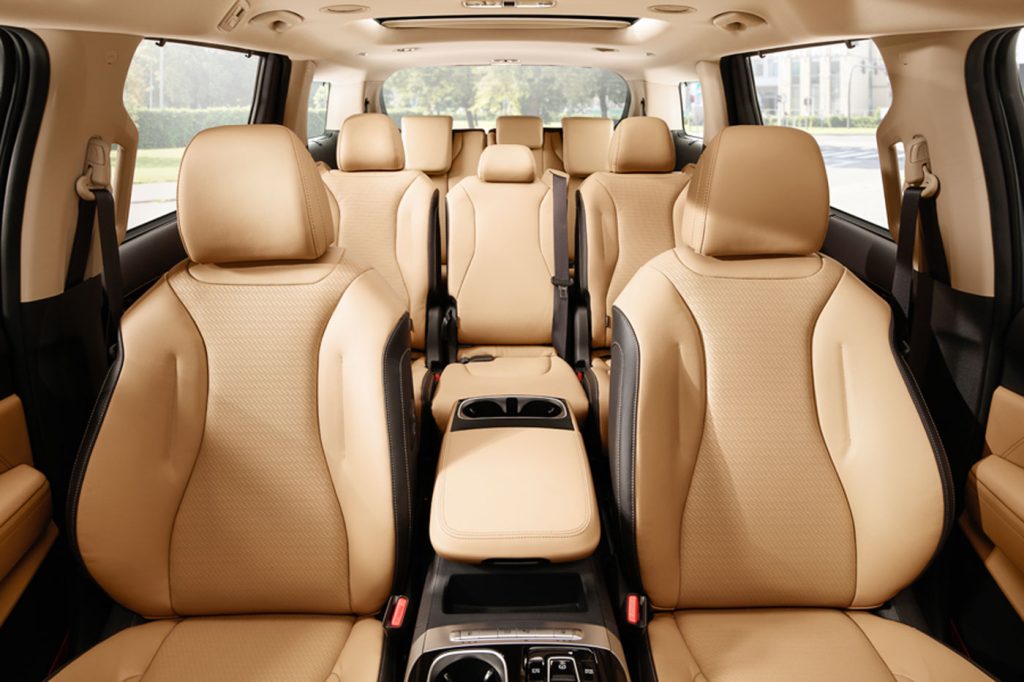
- Incredible Cabin Space: MPVs are designed to carry a large number of passengers (often 7 or 8) comfortably, with ample legroom, headroom, and elbow space. Their spacious interiors make them ideal for larger families or those who need to frequently transport sports equipment, luggage, or groceries.
- Sliding Doors: Many MPVs are equipped with sliding doors, which make it easier to access the rear seats in tight parking spaces or when loading/unloading children. This is particularly helpful for parents with younger kids who may struggle with heavy doors in cramped areas.
- Flexible Seating: MPVs offer flexible, removable, and reconfigurable seating arrangements, allowing families to customize the vehicle to fit their needs. Whether you need to carry extra cargo, large items, or a full family load, the seats can often be rearranged to accommodate.
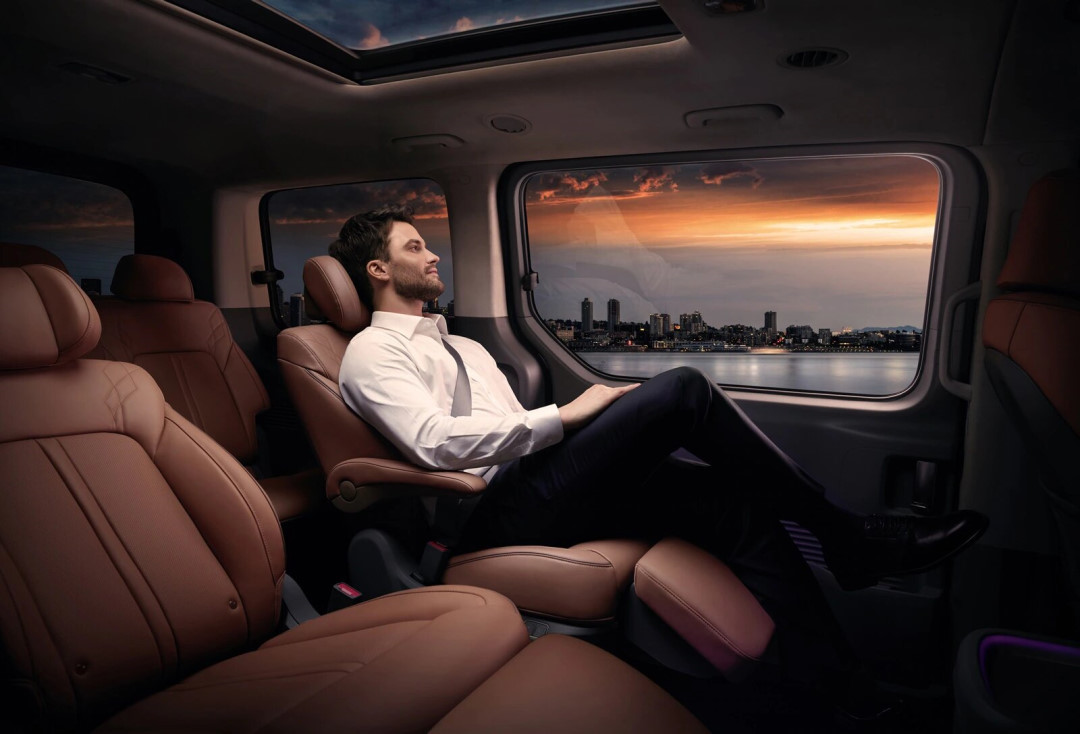
- Comfort and Convenience: MPVs often feature luxurious interiors, with high-quality materials, advanced tech, and features like built-in entertainment systems, panoramic roofs, and advanced climate controls. These features create a more relaxing environment for long road trips or daily commutes.
Advantages of SUVs
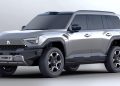
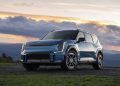
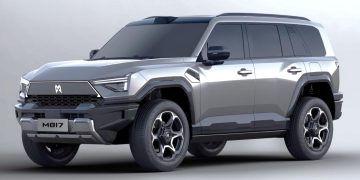
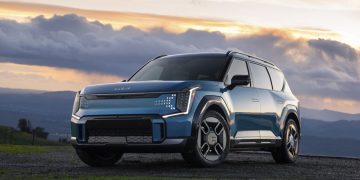
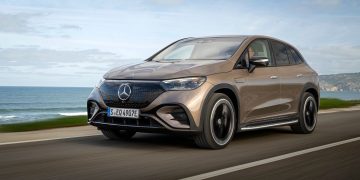
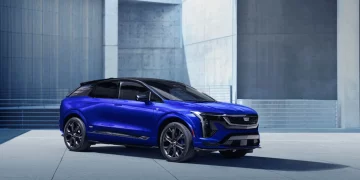
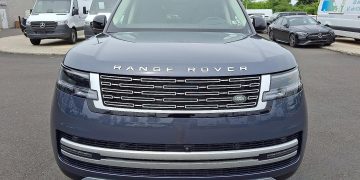
While MPVs are designed with practicality in mind, SUVs have their own unique set of advantages, especially when it comes to style, off-road capabilities, and performance. Here are the benefits of an SUV for family use:
- Higher Driving Position: One of the most appealing aspects of SUVs is the higher driving position. This elevated seat offers better visibility on the road, which can be a major plus for safety and comfort. Many drivers prefer the feeling of being “higher up” in an SUV compared to an MPV.
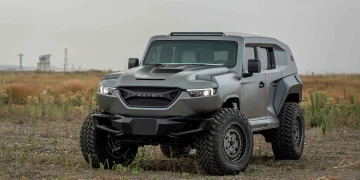
- All-Terrain Capability: SUVs are typically built for better handling on rough roads or off-road conditions. For families who enjoy outdoor adventures, camping, or exploring rugged terrain, an SUV might be the better choice, offering better traction and clearance for off-road excursions.
- Stylish Appearance: SUVs often have a more rugged and sporty aesthetic, which appeals to families who want their vehicle to have a stylish edge. With sleek designs and athletic profiles, SUVs are generally considered more fashionable than MPVs, making them a popular choice among young families or those who want a vehicle with a dynamic appearance.
- Variety of Powertrains: Many SUVs come in a range of engine options, from fuel-efficient hybrids to powerful performance engines. This gives families more flexibility in terms of performance, fuel efficiency, and even towing capacity.
2. Practicality, Driving Comfort, and Performance Analysis
When it comes to practicality and driving comfort, both MPVs and SUVs have their strong points. But for families looking for a well-rounded vehicle that balances day-to-day practicality with driving comfort, there are a few critical distinctions.
Practicality of MPVs
MPVs excel in practicality due to their space and ease of use:
- Interior Space: MPVs are known for their exceptional interior space. With multiple rows of seats and the ability to fold down seats to create a massive cargo area, MPVs are the perfect choice for families that need a lot of room. This is especially important when traveling with young children, pets, or large amounts of luggage.
- Easy Access: The sliding doors on MPVs make them more practical in crowded parking lots or for loading/unloading. This is particularly beneficial when you’re juggling children or heavy bags. Additionally, many MPVs now feature low floor heights, making it easier for kids to get in and out of the vehicle.
Driving Comfort in MPVs
MPVs tend to offer a smoother ride compared to many SUVs. With their lower center of gravity and more car-like handling, they provide a more comfortable, less bumpy driving experience. The ride quality in MPVs is typically softer, with more emphasis on comfort over sporty handling.
Performance of MPVs
While MPVs are not generally known for their performance or speed, many modern luxury MPVs like the Mercedes-Benz V-Class or Toyota Alphard have powerful engines that can hold their own on highways. However, the focus here is more on comfort and practicality rather than pure performance.
Practicality of SUVs
SUVs are versatile in their own right, offering practical benefits, particularly when it comes to handling varying road conditions.
- Cargo Space: While MPVs typically have more passenger space, SUVs tend to offer more cargo space when the back seats are folded down. This makes them ideal for families who need to haul large items or go on trips that require substantial luggage.
- Flexibility: Many SUVs offer split-folding seats, giving families the ability to balance between passenger space and cargo capacity. Additionally, the higher ground clearance and larger trunk areas make SUVs great for road trips and adventurous weekend getaways.
Driving Comfort in SUVs
The driving comfort of SUVs depends on the model and the type of terrain. On smooth, paved roads, SUVs with soft suspensions (like the Lexus RX or Volvo XC90) offer a very comfortable ride. However, if you’re looking at off-road capabilities or vehicles with tougher suspensions, the ride can sometimes feel a bit more rigid compared to MPVs.
Performance of SUVs
SUVs offer a broader range of engine options, from fuel-efficient hybrids to powerful V6s or even V8s. This range means families can select an SUV that best matches their driving needs, whether they want high towing capacity, better fuel economy, or an adventurous performance. SUVs often also come with all-wheel-drive or four-wheel-drive options, making them a superior choice for families who want to tackle tougher terrains.
3. Safety Features: Which One Is Better Suited for Your Needs?
Both MPVs and SUVs are equipped with state-of-the-art safety technologies to ensure the safety of families. However, each type of vehicle has specific strengths when it comes to safety.
Safety Features in MPVs
MPVs are designed for family use, so safety is a major priority. Here are some of the safety features you can expect in a modern luxury MPV:
- Advanced Driver Assistance Systems (ADAS): Features like lane-keeping assist, adaptive cruise control, blind-spot monitoring, and automatic emergency braking are commonly found in most luxury MPVs.
- Passenger Safety: MPVs are built with space in mind, and this translates into greater protection in the event of a collision. The larger passenger area and ample side-impact airbags provide more protection for all passengers, particularly in side collisions.
- Lower Center of Gravity: The lower driving height of MPVs can provide a more stable driving experience compared to the higher center of gravity in SUVs, which can reduce the risk of rollovers.
Safety Features in SUVs
SUVs, while more prone to rollovers due to their higher ground clearance, often come with a host of safety features that make them great family vehicles:
- All-Wheel or Four-Wheel Drive: These systems provide better traction in adverse conditions, such as snow, rain, or gravel roads, improving safety in low-traction environments.
- Crash Protection: Many SUVs have advanced crash protection systems, including reinforced frames, multiple airbags, and front and rear crumple zones, which help reduce injury during a collision.
- Off-Road Safety: For families that enjoy outdoor adventures, the off-road capabilities of certain SUVs provide safety in more rugged conditions. Models like the Jeep Grand Cherokee or Toyota Land Cruiser come equipped with robust safety systems suited to off-road driving.
4. Conclusion: Which Vehicle Reigns Supreme?
The choice between an MPV and an SUV for your family in 2025 largely depends on your specific needs, lifestyle, and driving habits.
- If your priority is space, comfort, and practicality, especially for a larger family, an MPV is likely the better choice. The sliding doors, flexible seating arrangements, and superior interior space make MPVs ideal for day-to-day family life and long trips.
- On the other hand, if you value a higher driving position, off-road versatility, and style, an SUV might be the way to go. SUVs are
also great for families who enjoy adventurous getaways, require towing capacity, or simply prefer the rugged, sporty aesthetic and performance that SUVs offer.
In the end, there is no definitive “winner”—it all comes down to what fits your family’s needs. If you lean towards practicality, an MPV should be your choice. If you value performance and versatility, an SUV will serve you well. Regardless of which one you choose, both options offer an impressive combination of comfort, safety, and technology in 2025.