















Introduction: The Dream of Flying Cars and How They Are Closer to Reality Than Ever
For decades, flying cars have remained one of the most captivating concepts in science fiction, portrayed as the epitome of futuristic transportation. From the flying vehicles seen in movies like The Jetsons to the awe-inspiring aircrafts in Blade Runner, the idea of soaring through the skies in a personal vehicle has sparked the imagination of countless enthusiasts, technologists, and dreamers. However, what was once relegated to the realm of fantasy is now inching closer to reality.
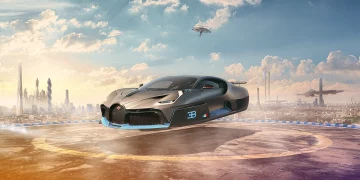
As technology continues to evolve, the dream of flying cars is starting to take shape, with numerous companies working to bring vertical takeoff and landing (VTOL) vehicles to the market. What once seemed impossible is now on the horizon, and this has led to a new frontier in luxury transportation: flying cars. These vehicles promise to revolutionize the way we think about travel, offering faster, more efficient, and thrilling options for both business and personal use.
But will flying cars truly be a practical and luxurious form of transportation, or will they remain a novelty, available only to the wealthy elite in the distant future? In this article, we will explore how flying cars are becoming more feasible, the technological advancements driving their development, the luxury features that could be incorporated, the challenges to mass adoption, and the potential timeline for seeing flying cars on the road—or in the sky—of mainstream luxury.
Technology Progress: Analyzing the Latest Advancements in Flying Car Prototypes Like Terrafugia and AeroMobil
Flying cars have long been confined to the realm of prototype designs and speculative concepts. However, over the last few years, significant strides have been made in bringing these vehicles from the drawing board to the skies. A growing number of companies, including established aerospace giants and innovative startups, are pushing the boundaries of what is possible.
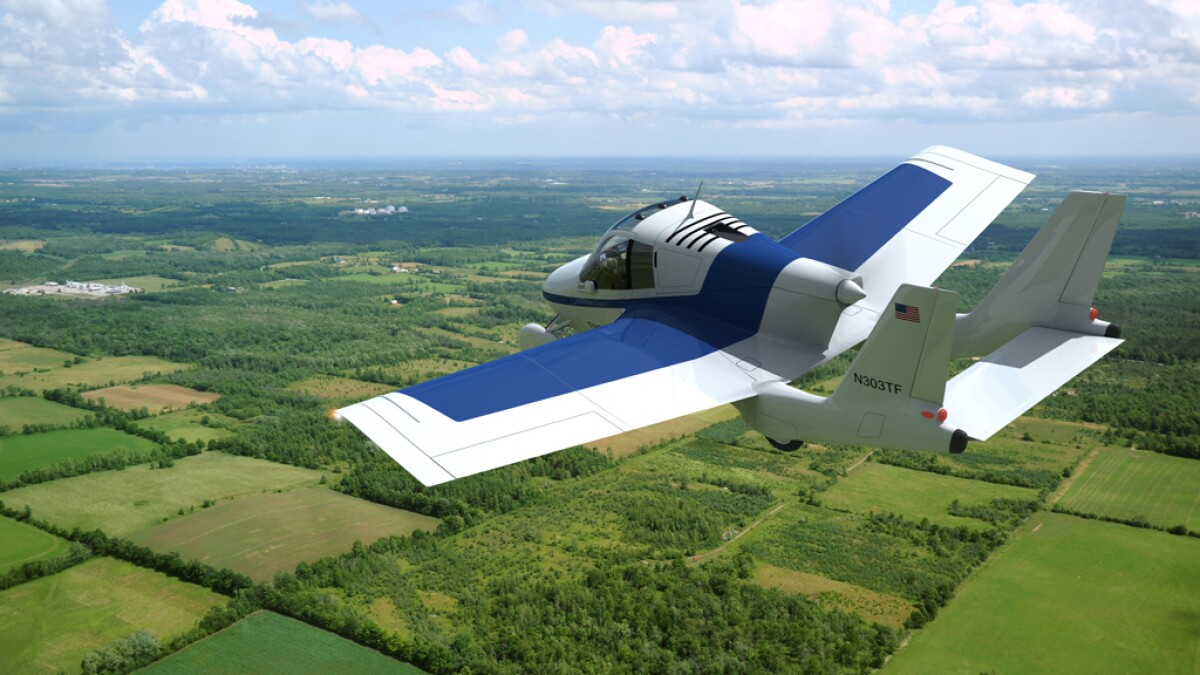
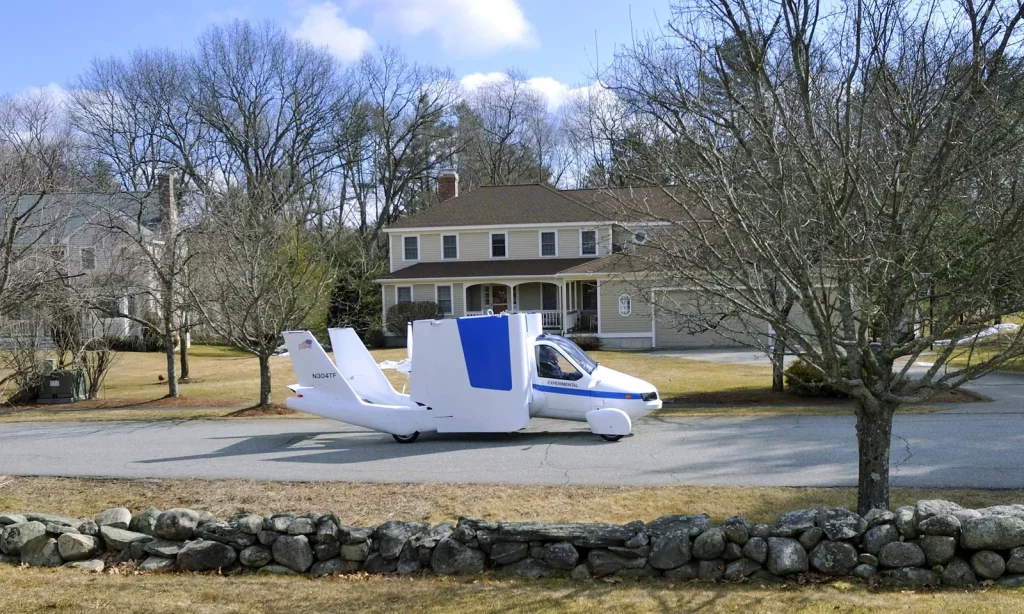
- Terrafugia: Founded by MIT graduates and later acquired by Geely (the parent company of Volvo), Terrafugia is one of the most well-known companies working on making flying cars a reality. Their Transition vehicle, often referred to as a roadable aircraft, can transform from a car to an airplane in minutes, allowing users to drive on the road and then take off vertically when it’s time to fly. In addition, Terrafugia is developing the TF-X, a fully electric, autonomous flying car that can take off and land vertically. The TF-X promises to offer up to 500 miles of range in the air, with a top speed of around 200 mph, making it one of the most ambitious and exciting flying car projects to date.
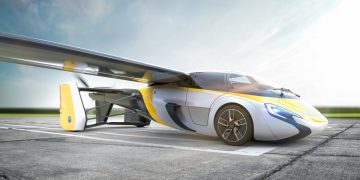
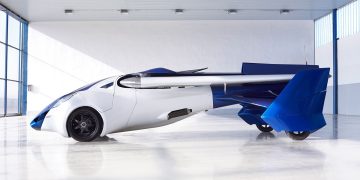
- AeroMobil: Another company that has made waves in the flying car industry is AeroMobil, based in Slovakia. Their AeroMobil 4.0 is an advanced flying car that is expected to be one of the first to make the transition from prototype to production. Unlike Terrafugia’s models, which are designed with the dual capability of driving and flying, AeroMobil’s vehicle is designed to resemble an airplane with folding wings that allow it to be used as a car on the road. The vehicle is capable of flying at speeds of up to 160 mph and has a range of over 500 miles in the air. While still in development, AeroMobil has created a buzz in the industry by showcasing its vision for a future where flying cars are both functional and elegant.
- Joby Aviation: Joby Aviation is another key player in the flying car space, focusing primarily on electric vertical takeoff and landing (eVTOL) aircraft. Their Joby S4 is an all-electric, piloted VTOL aircraft designed for urban air mobility. The S4 features six rotors, allowing it to take off and land in small spaces, making it ideal for use in crowded cities. With a top speed of 200 mph and a range of 150 miles, Joby’s flying car is designed for a mix of business and personal transportation. The vehicle’s electric motors also make it environmentally friendly, a key feature that is expected to appeal to environmentally conscious consumers.
While these companies represent the forefront of flying car development, numerous other projects are underway worldwide, from smaller startups to industry giants. The real breakthrough for flying cars lies not just in the development of functional vehicles, but in achieving scalability and mass adoption.
Luxury Design Elements: How Will Luxury Elements Translate to Flying Cars?
As flying cars inch closer to becoming a viable mode of transportation, the question arises: how will the luxury automotive industry integrate its hallmark design elements into these futuristic vehicles? The design and technology behind flying cars must be not only functional and efficient but also aligned with the desires of affluent customers who expect the highest levels of comfort, aesthetics, and performance.
- Interior Luxury: The interiors of flying cars will need to offer a high level of comfort and sophistication, akin to luxury sedans or business jets. Expect to see plush leather seating, customizable interior layouts, and the inclusion of cutting-edge tech such as augmented reality displays, ambient lighting, and interactive interfaces. Just like in high-end vehicles, these interiors will be designed with passenger comfort in mind, offering reclining seats, noise-canceling technology, and advanced climate control systems to make the flight as serene as possible.
- Customization: Just as luxury vehicles today offer a wide array of customization options, flying cars will likely follow suit. The idea of personalization, from interior materials to exterior finishes, will allow customers to create vehicles that reflect their individual tastes. Whether it’s a distinctive paint job or an interior featuring rare woods and custom leather, the emphasis will be on exclusivity. Moreover, luxury automakers may partner with designers to create limited-edition flying cars that further enhance their brand’s image as elite and aspirational.
- Performance and Efficiency: Luxury buyers are known for seeking both performance and efficiency, and flying cars will need to meet these demands. While traditional sports cars are defined by their acceleration and handling, flying cars will need to deliver smooth flight performance and seamless transitions between driving and flying modes. Luxury flying cars will likely incorporate advanced propulsion systems—such as hybrid-electric or fully electric motors—that provide smooth, quiet, and powerful flight while minimizing environmental impact. A balance of speed, range, and agility will be essential, especially for business professionals looking to commute or travel with efficiency.
- Autonomous Capabilities: One of the most attractive features for luxury customers will likely be the integration of autonomous flying technology. Just as self-driving cars are becoming a reality, autonomous flying cars could allow passengers to relax, work, or entertain themselves during their flight. With sophisticated AI systems controlling navigation, flight patterns, and even emergency responses, the technology behind these vehicles will reduce the need for a pilot and elevate the overall luxury experience. Passengers will be able to trust their flying car to get them from point A to point B safely, with minimal effort on their part.
Challenges in Mass Adoption: Regulations, Infrastructure, and Consumer Perceptions
While flying cars promise to revolutionize luxury transportation, several significant hurdles remain before they can be widely adopted. These challenges range from regulatory issues to infrastructure limitations, as well as public perceptions about safety and practicality.
- Regulations: One of the most pressing challenges facing the flying car industry is regulation. Airspace management, safety standards, and licensing requirements for both vehicles and pilots need to be established. National and international regulatory bodies, such as the FAA in the United States, must work with automakers to develop and enforce regulations that ensure the safety of flying cars. Additionally, as flying cars will share airspace with conventional aircraft, new protocols will need to be created for takeoff, landing, and in-flight operations.
- Infrastructure: For flying cars to become a viable transportation option, the necessary infrastructure must be put in place. This includes the creation of landing pads or “vertiports” in urban areas, equipped with charging stations and maintenance facilities. Additionally, air traffic control systems will need to be adapted or upgraded to manage the influx of flying cars in busy metropolitan airspace. Urban areas, in particular, will need to adopt innovative infrastructure solutions to accommodate these new vehicles.
- Consumer Perceptions and Safety Concerns: Despite the excitement around flying cars, many consumers remain skeptical about their safety and practicality. High-profile accidents in aviation history have led to heightened safety concerns, and the public may be hesitant to trust autonomous flying vehicles, particularly in densely populated areas. Moreover, the cost of flying cars will likely be prohibitive for most, limiting them to the wealthy elite. As such, flying cars will need to prove their reliability, safety, and practicality to gain consumer trust.
The Road Ahead: How Long Until We See Flying Cars in Mainstream Luxury?
The development of flying cars has come a long way, but mass adoption is still a distant reality. While we may see a limited number of luxury flying cars enter the market in the next decade, widespread use may take longer. Experts predict that the first flying cars to hit the market will likely be used for specific purposes, such as air taxis, rather than personal ownership. These services could cater to high-net-worth individuals and business executives looking for faster ways to travel between cities or across crowded metropolitan areas.
The timeline for the mass adoption of flying cars largely depends on the pace of technological advancements, regulatory approval, and infrastructure development. Some experts believe that we could see limited commercial use of flying cars within the next 5-10 years, while others predict a longer wait for mainstream adoption. Regardless, the future of luxury transportation will undoubtedly be shaped by these innovative vehicles.
Conclusion: Flying Cars—Revolutionizing Luxury Transportation or Just a Future Fantasy?
Flying cars represent the next frontier in luxury transportation, offering a bold vision of what the future of mobility could look like. With advancements in technology and design, these vehicles
have the potential to change the way we think about travel, offering new levels of speed, convenience, and exclusivity. However, numerous challenges—ranging from regulatory hurdles to infrastructure requirements—must be overcome before flying cars can become a practical mode of transportation for the masses.
While we may be years away from seeing flying cars as a mainstream luxury product, the companies working on these innovations are pushing the boundaries of possibility, and the dream of flying cars may not be as distant as it once seemed. Whether they become a reality for everyday use or remain a luxurious novelty, flying cars have the potential to transform the transportation industry in ways we are only beginning to imagine.