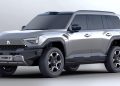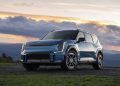



In the evolving landscape of luxury mobility, traditional benchmarks like horsepower, brand prestige, or sleek design are being eclipsed by a new set of priorities: security, privacy, autonomy, and personalized function. For ultra-high-net-worth individuals (UHNWIs), the idea of private travel now extends far beyond private jets or luxury sedans. Enter the age of specialty vehicles—bespoke, often armored, and built to meet the highly specific demands of their owners. Whether it’s a mobile command center, an onboard medical facility, or a bulletproof SUV disguised as an executive cruiser, these vehicles are fast becoming the centerpiece of ultra-private ground transportation.
This new trend isn’t about mere opulence—it’s about strategic protection, health autonomy, and seamless mobility in an unpredictable world. Let’s explore why specialty vehicles are surging in relevance, how they’re being customized for an elite clientele, and what their rising popularity reveals about the shifting values of global wealth in 2025.
The Rise of Demand for Armored, Medical, and Command Vehicles
Over the last decade, geopolitical instability, health insecurity, and digital surveillance concerns have redefined what it means to travel privately. High-profile individuals now seek vehicles that provide more than comfort—they want control. The result is a quiet boom in specialty vehicle commissions, with the most requested categories being:
- Armored Vehicles: Designed to withstand ballistic threats and hostile environments, these aren’t just for diplomats. Private families, CEOs, and celebrities are increasingly opting for discreetly armored SUVs and sedans. Brands like INKAS, Terradyne, and even Brabus now offer luxury armored models with VR7-level protection (certified to stop armor-piercing rounds) without compromising visual elegance.
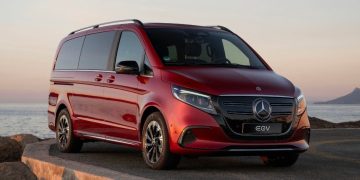
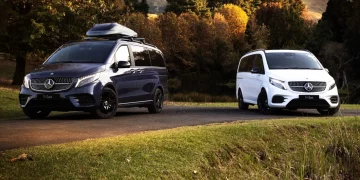
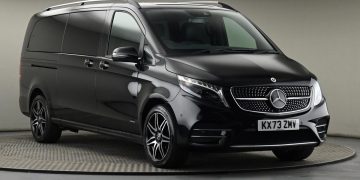
- Mobile Medical Pods: Inspired by the pandemic era, luxury clients have begun requesting vehicles equipped with independent air filtration, UV-C sterilization, biometric monitoring, and even emergency triage spaces. These medical-grade upgrades are often fitted into extended-wheelbase vehicles or luxury vans like the Mercedes-Benz Sprinter Jetvan.
- Command and Communications Vehicles: Designed with satellite uplinks, encrypted communications, and autonomous route-tracking, these mobile hubs are used by tech founders, political figures, and cybersecurity executives. They act as rolling safe rooms and digital control towers—offices-on-wheels that can function independently of grid infrastructure.
These specialty builds are no longer rare oddities—they are now integral to the security protocols and lifestyle expectations of modern elites.
Why Safety and Privacy Trump Traditional Luxury
Where once the conversation revolved around engine specs and seat leather, today’s ultra-luxury buyers are asking more nuanced questions: How EMP-resistant is the vehicle’s internal wiring? Can the cabin become airtight during a biohazard event? Does the car have a rear escape hatch?
This shift reflects the changing psychology of wealth. In a digital and geopolitical climate fraught with data breaches, kidnappings, and pandemic aftershocks, the sense of control and invisibility becomes the new luxury. Specialty vehicles offer:
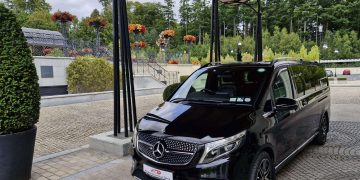
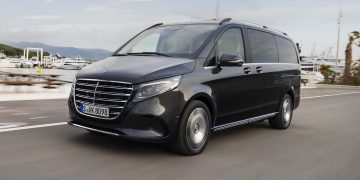
- Total Discretion: Most armored vehicles today are externally indistinguishable from their base model. This low profile helps high-value individuals travel without drawing attention.
- Integrated Security Ecosystems: New builds feature facial-recognition locking systems, blast-proof undercarriages, and AI-driven perimeter monitoring. Owners can track, lock down, or remotely neutralize threats using secure satellite controls.
- Health Autonomy: In the event of a health crisis, clients want vehicles that can support life—or, at minimum, keep them isolated from environmental pathogens until they reach safety. That’s why mobile ICU configurations are rising among tech billionaires and politically exposed persons.
These factors make specialty vehicles essential tools—not indulgences—for navigating the modern world with security, autonomy, and resilience.
Platforms That Expand the Boundaries of Ultra-Luxury
Traditional automakers rarely produce such vehicles in-house. Instead, high-net-worth clients work with ultra-niche coachbuilders, military contractors, or boutique conversion firms that modify vehicles from brands like Mercedes-Maybach, Rolls-Royce, or Cadillac Escalade. The result? Hyper-personalized machines that merge battlefield-grade technology with red-carpet luxury.
Here are some examples of how platforms are being pushed to their functional and aesthetic limits:
- Mercedes-Benz S-Class Guard: Often chosen as a discreet armored limousine, it offers integrated fire-suppression systems, run-flat tires, and optional chemical attack sensors—all within a shell of polished German elegance.
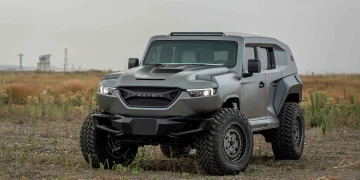
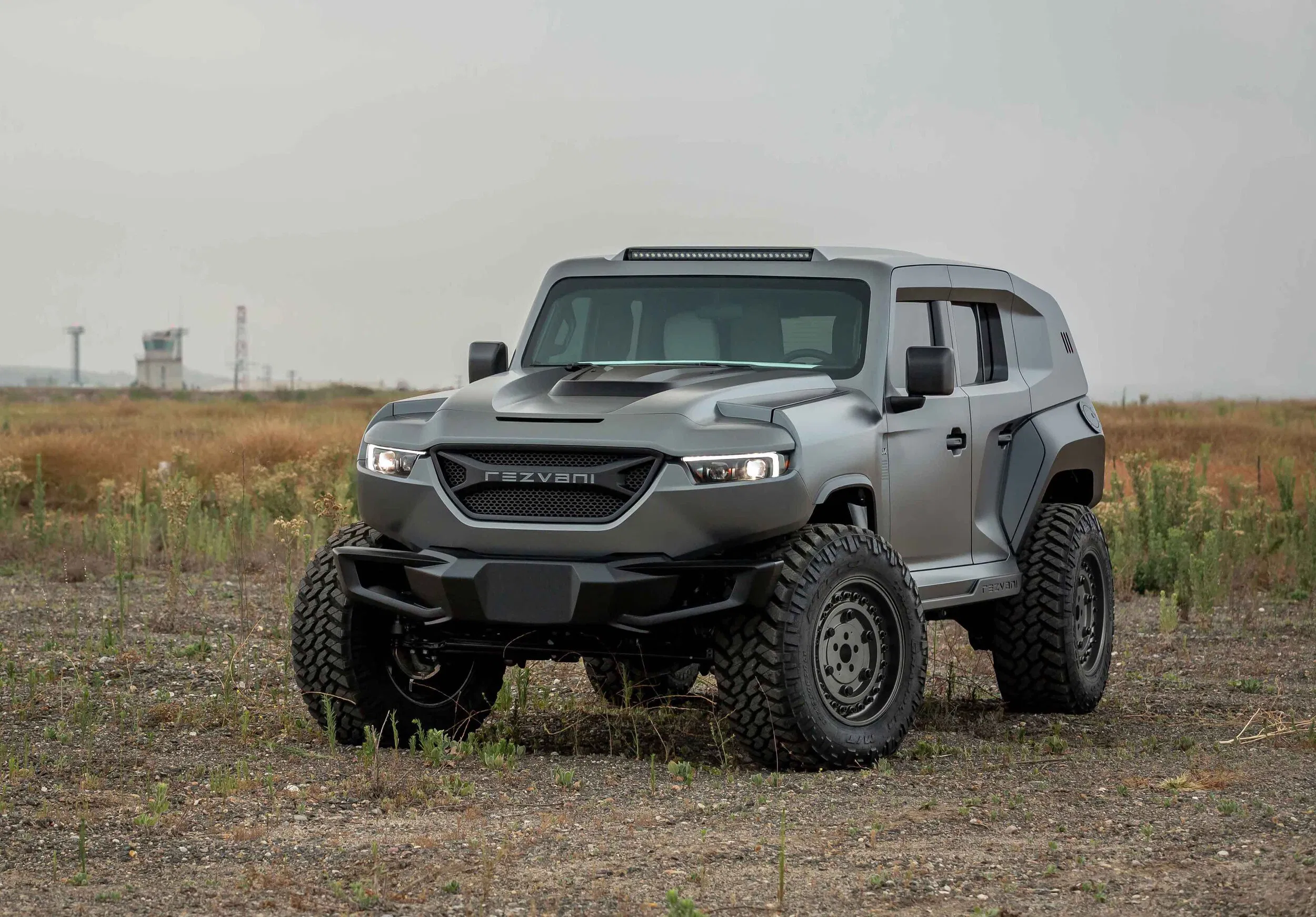
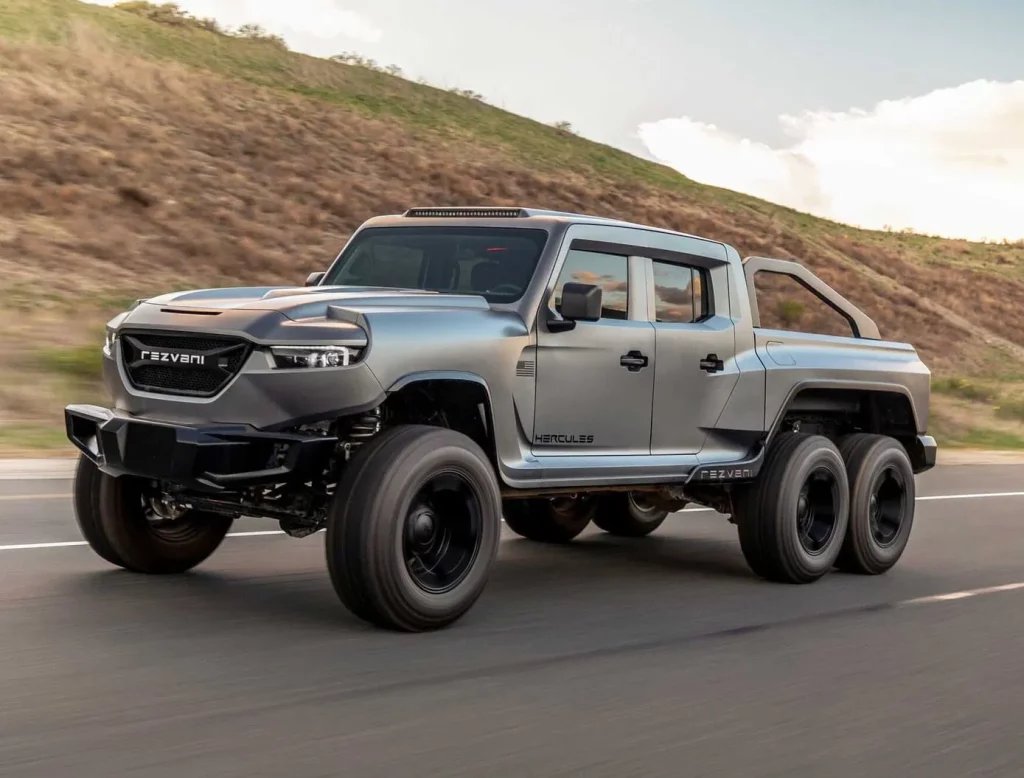
- Rezvani Vengeance & Tank: These hyper-aggressive SUVs look like concept art from a sci-fi film and include night vision, electrified door handles, and built-in gas masks. Though bold in appearance, they’re road legal and frequently purchased by Silicon Valley elites.
- INKAS VIP Medical Transport: Based on the Ford Transit or Mercedes Sprinter, these conversions come with reclining medical-grade seats, defibrillator stations, satellite internet, and filtered air management—ideal for global travel with immunocompromised passengers.
- Brabus Business Lounge: For clients less concerned about combat but equally focused on control, this mobile office features touch-free environments, biometric logins, and acoustic insulation for confidential conversations on the move.
What defines these builds isn’t just protection—but integrated systems that allow owners to live, work, and remain in control no matter where they are.
Case Studies: Who’s Buying and Why
The typical specialty vehicle buyer in 2025 is no longer limited to royalty or heads of state. The demographic now includes:
- Tech Entrepreneurs: Founders with public visibility and sensitive roles are prioritizing mobile safe zones, often commissioning rolling war rooms with autonomous communications systems.
- Global Health-Conscious Families: High-net-worth individuals who prioritize biosecurity have begun using mobile medical vans when traveling through regions with limited healthcare infrastructure.
- Crypto Billionaires and Fintech CEOs: With decentralized wealth comes decentralized risk. These clients often commission vehicles with hidden vaults, escape functions, and satellite-guided stealth mobility.
- Luxury Real Estate Developers: Those operating in emerging markets commission mobile command vehicles for both personal safety and on-site executive management.
Each buyer sees the vehicle not as a car, but as a sanctuary that doubles as office, panic room, and communications bunker.
Customization Without Compromise
The most remarkable aspect of specialty vehicles is that despite their high functionality, they rarely compromise on comfort or aesthetics. Builders now integrate:
- Bullet-resistant panoramic sunroofs
- Hand-stitched cashmere headliners
- 5G satellite conferencing suites
- Touchless entertainment and cabin lighting
- Whiskey bars hidden within biometric drawers
The idea is not to feel like you’re inside a tank—it’s to feel like you’re inside a penthouse that happens to be mobile and invulnerable. For this reason, top-tier vehicles often begin at $600,000 and scale past $1.5 million depending on the build.
Where Is the Market Headed?
As threats become more complex and privacy more coveted, the demand for specialty vehicles will likely escalate. We may soon see:
- AI-Assisted Surveillance Vehicles: Mobile units that can scan and assess threats using real-time facial recognition and behavioral analytics.
- Quantum-Secured Communications Pods: Onboard encrypted meeting rooms shielded from eavesdropping—even at a state level.
- Fully Autonomous Convoy Vehicles: Modular fleets that act as self-driving travel ecosystems—some acting as decoys, others transporting family or staff.
- EV Armored Options: With the global push toward sustainability, armored EVs are in development, balancing performance, protection, and green mandates.
Governments, NGOs, and private security firms are already preparing for increased adoption across VIP travel, field response, and confidential mobility.
Conclusion
In a world where wealth is not just measured in assets but in the ability to remain unseen, untraceable, and untouched, specialty vehicles have emerged as the new gold standard of ultra-private travel. More than cars, they are moving ecosystems: secure, luxurious, intelligent, and tailored for survival in both luxury and crisis. Whether it’s an armored Mercedes that looks like a regular executive car or a mobile hospital suite fitted inside a Sprinter, these vehicles reflect the desires and anxieties of the modern elite—steering the future of high-end mobility away from speed and status, and toward control and discretion.