






Introduction: With SUVs Dominating the Luxury Car Market, How Are Sedans Adapting?
The luxury vehicle market has seen a dramatic shift in recent years, with SUVs surging in popularity and luxury sedans losing ground. The blend of elevated ride height, spacious interiors, advanced technology, and rugged capability has made SUVs the go-to option for consumers, including those in the high-end segment. In fact, luxury SUVs have increasingly become the vehicle of choice for families, business professionals, and enthusiasts who value both performance and practicality.
However, despite the widespread appeal of SUVs, luxury sedans are far from disappearing. Automakers are adapting their sedans to not only maintain their foothold in the market but also to compete directly with SUVs in terms of style, performance, and practicality. By introducing innovative features, electrification, and hybrid powertrains, luxury sedans are evolving to meet the changing demands of consumers.
The question now is: are luxury sedans ready to make a comeback and reclaim some of the ground lost to SUVs? In this article, we will explore how luxury sedans are adapting to the changing landscape of the automotive market in 2025, with a focus on redesigns, new features, electrification, performance options, and shifting consumer trends.
Redesigns and Features: What New Features Are Luxury Sedans Introducing to Stay Competitive?
To remain relevant in a market dominated by SUVs, luxury sedans are undergoing significant redesigns and upgrades to offer more compelling value propositions. The emphasis has shifted from merely offering sleek designs to providing superior comfort, technology, and safety, areas where sedans can have an edge over their SUV counterparts.
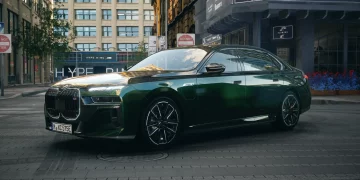
- Sleek and Modern Designs: The sleek, low-slung silhouette of a sedan continues to be one of its most attractive features. In 2025, automakers are enhancing this by adopting modern design philosophies that combine aerodynamic efficiency with luxury aesthetics. Models like the Mercedes-Benz S-Class and the BMW 7 Series have incorporated more dynamic lines, cutting-edge lighting technology, and distinctive front fascias that stand out in the crowded luxury car market.
- Interior Luxury: The interior of luxury sedans has always been their strong suit, and in 2025, it’s getting even better. Automakers are focusing on creating the perfect balance of luxury and functionality, offering features such as massaging seats, premium materials like leather and suede, multi-zone climate control, and custom ambient lighting. The Audi A8 and Lexus LS, for example, offer opulent cabin layouts, with advanced multimedia systems and ergonomic seats that elevate comfort to a new level.
- Advanced Safety and Driver Assistance Features: With safety always being a top priority in the luxury market, modern sedans are incorporating advanced safety features to make them as competitive as SUVs in terms of protection. New systems like adaptive cruise control, lane-centering assist, and collision mitigation are becoming standard in high-end sedans. Additionally, automated parking systems, 360-degree cameras, and night-vision cameras are becoming increasingly common, providing a more secure and connected driving experience.
- More Space and Rear Comfort: The growing desire for additional rear-seat comfort and space, traditionally a strength of SUVs, is now being addressed by luxury sedans. Automakers have begun offering rear-seat entertainment systems, extra legroom, and even reclining seat options. The BMW 7 Series, for example, offers a “Business Lounge” configuration that transforms the rear into a private workspace, further narrowing the gap between sedans and SUVs in terms of practicality.
- Improved Cargo Space: While luxury sedans traditionally lagged behind SUVs in terms of cargo space, automakers are making significant strides to improve storage. Models like the Mercedes-Benz EQS sedan now offer split-folding rear seats that increase trunk space, making it easier for owners to transport large items, bridging the gap between a sedan’s elegance and an SUV’s utility.
Electrification of Sedans: How Electric Sedans Like the Audi e-tron GT and Lucid Air Are Changing the Game
One of the most transformative changes happening in the sedan segment is the shift toward electrification. As governments around the world push for reduced emissions and consumers demand more sustainable options, electric sedans are carving out their niche in the luxury car market. In 2025, luxury sedans are not just adapting to the SUV-driven market—they are transforming the entire market by introducing electric models that combine high performance with environmental consciousness.
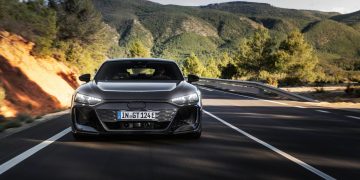
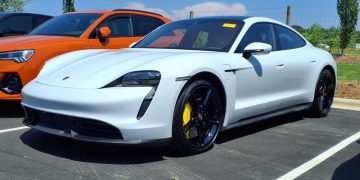
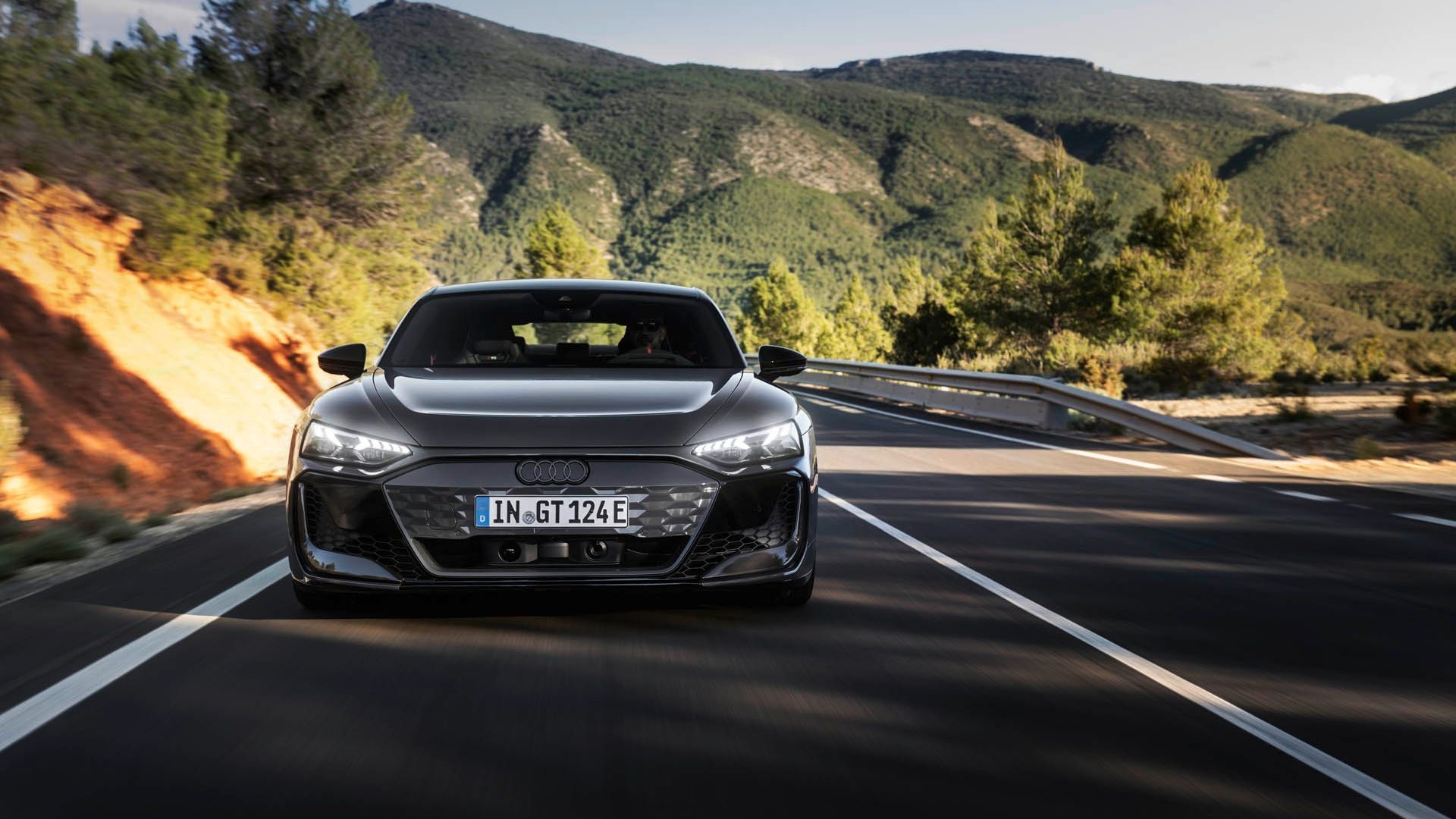
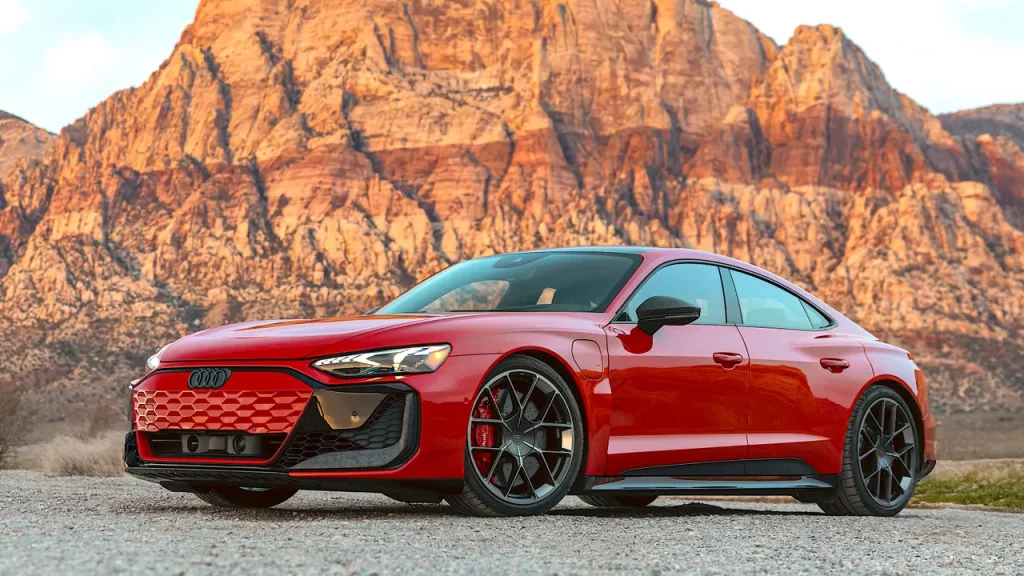
- Audi e-tron GT: Audi’s e-tron GT is one of the standout electric sedans that is redefining the luxury sedan experience. With a futuristic design, a high-tech interior, and impressive performance capabilities, the e-tron GT proves that sedans can still deliver exhilarating driving experiences while being fully electric. Powered by two electric motors that provide a combined output of over 600 horsepower, the e-tron GT offers remarkable acceleration and handling, rivaling even some of the most high-performance gas-powered sedans.
- Lucid Air: Another game-changer in the electric sedan market is the Lucid Air. As one of the most anticipated electric sedans of the decade, the Lucid Air combines cutting-edge technology with luxury in ways that traditional sedans haven’t. With a 517-mile range on a single charge and a sleek, modern design, the Lucid Air is poised to be a direct competitor to high-end sedans like the Mercedes-Benz S-Class and BMW 7 Series. Its minimalist interior design, spacious cabin, and advanced driver-assist technologies further elevate the luxury sedan experience.
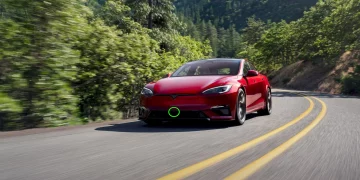
- Tesla Model S: Tesla has long been a pioneer in electric vehicles, and its Model S remains one of the most popular luxury electric sedans on the market. The Model S Plaid, with its 0-60 mph acceleration in under 2 seconds, is not just an eco-friendly option but also a performance powerhouse. The addition of new features, such as an updated interior with improved materials and a more intuitive interface, solidifies the Model S’s place as one of the best options for luxury buyers seeking an electric sedan.
- Mercedes-Benz EQS Sedan: The Mercedes-Benz EQS is a fully electric luxury sedan that combines elegance with advanced technology. With a 400+ mile range, spacious interior, and autonomous driving features, the EQS is a prime example of how traditional luxury automakers are successfully transitioning into the electric era. The model’s design, which takes inspiration from the S-Class sedan, showcases a seamless blend of performance, technology, and luxury.
Electric sedans offer numerous advantages, including lower operating costs, instant torque, and a quieter ride compared to their gasoline counterparts. As charging infrastructure improves and more luxury consumers embrace the shift to sustainability, electric sedans are set to play a central role in the battle for the luxury sedan market.
Hybrid and Performance Options: What Hybrid and Performance Options Are Available for Luxury Sedans?
While electric sedans are the future, hybrid sedans are still popular among those who want to reduce their carbon footprint without fully giving up internal combustion engines. Many luxury sedans in 2025 are now offered with hybrid powertrains that balance performance and efficiency.
- BMW 745e: The BMW 745e combines a turbocharged inline-six engine with an electric motor, offering a total of 389 horsepower and impressive fuel efficiency. This hybrid sedan allows consumers to enjoy the performance of a traditional BMW sedan while reducing emissions and improving fuel economy. The addition of a hybrid option in the BMW 7 Series lineup allows buyers to embrace sustainability without sacrificing driving dynamics.
- Porsche Panamera 4 E-Hybrid: For those seeking a balance between performance and sustainability, the Porsche Panamera 4 E-Hybrid offers the best of both worlds. With a 2.9-liter V6 engine paired with an electric motor, the Panamera 4 E-Hybrid produces 455 horsepower and can accelerate from 0 to 60 mph in just 3.9 seconds. It offers Porsche’s renowned performance and driving precision, along with the ability to drive short distances on electric power alone.
- Lexus LS 500h: Lexus’s flagship sedan, the LS 500h, also features a hybrid powertrain that provides a smooth balance of power and efficiency. With a 3.5-liter V6 hybrid engine, the LS 500h offers impressive fuel economy without sacrificing luxury or performance. The sedan also features a highly refined interior with all the amenities you’d expect from a high-end Lexus.
Consumer Trends: Are Buyers Shifting Back to Sedans as the SUV Craze Stabilizes?
The dominance of SUVs in the luxury vehicle market has reached its peak, but consumer preferences are slowly beginning to shift back towards sedans. Several factors contribute to this reversal, and luxury automakers are capitalizing on these trends by offering more attractive, versatile sedans that meet modern needs.
- Urbanization and Traffic: In urban areas where parking spaces are limited and traffic congestion is a daily problem, the smaller footprint of a sedan is an advantage over larger SUVs. Sedans are easier to maneuver, park, and navigate through crowded city streets, making them ideal for professionals and city dwellers.
- Fuel Economy and Sustainability: As the price of gas continues to fluctuate and environmental concerns grow, many buyers are starting to look for more fuel-efficient options. The advent of hybrid and electric sedans provides consumers with the benefits of lower emissions and fewer trips to the gas station, appealing to those who want to reduce their carbon footprint without sacrificing style or luxury.
- Driving Dynamics: Luxury sedan enthusiasts continue to appreciate the precision handling, lower center of gravity, and superior driving
experience that sedans offer over SUVs. For many, the thrill of driving a sedan that offers nimbleness, tight cornering, and responsive steering remains unmatched by larger, heavier SUVs.
- Value for Money: Although luxury sedans may lack some of the rugged capability of an SUV, they often offer more advanced features at a lower price point. Buyers seeking luxury, performance, and advanced technology might find that a well-equipped sedan provides better value compared to a similarly priced SUV.
Conclusion: How Luxury Sedans Are Repositioning Themselves in a Changing Market
In 2025, luxury sedans are no longer just a relic of the past. They have undergone significant transformations, embracing cutting-edge technology, electrification, and hybrid options to appeal to the modern consumer. With sleek redesigns, advanced performance capabilities, and a renewed focus on comfort and safety, luxury sedans are proving that they still have a lot to offer in a market dominated by SUVs. As consumer preferences evolve, sedans are adapting to meet the demands of a new era, finding ways to compete with SUVs by emphasizing their unique strengths in performance, design, and efficiency. In doing so, luxury sedans are positioning themselves as compelling alternatives to SUVs in the 2025 automotive landscape.