
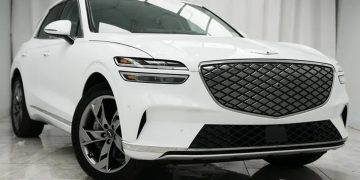
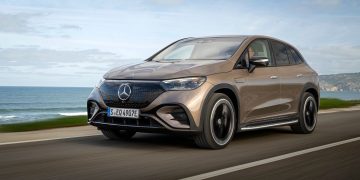
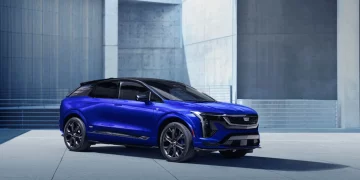
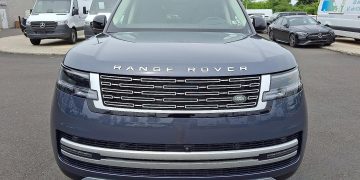


The once rigid line between business transport and family leisure is fading fast, especially in the world of luxury MPVs. What was traditionally seen as a chauffeur-driven boardroom on wheels is now being reinvented as a versatile sanctuary that blends professional prestige with playful comfort. Today’s discerning buyers don’t want to choose between a luxury lounge for client meetings and a tech-rich, kid-friendly travel hub—they want both. And the automotive industry is listening. As multi-purpose vehicles evolve into status symbols, brands like Honda and Buick are reshaping their top-tier MPV offerings to accommodate everything from conference calls to weekend road trips with toddlers in tow.
Blurring the Line Between Boardroom and Playground
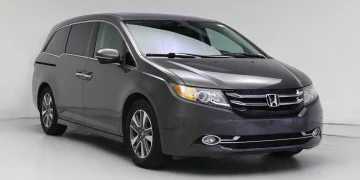
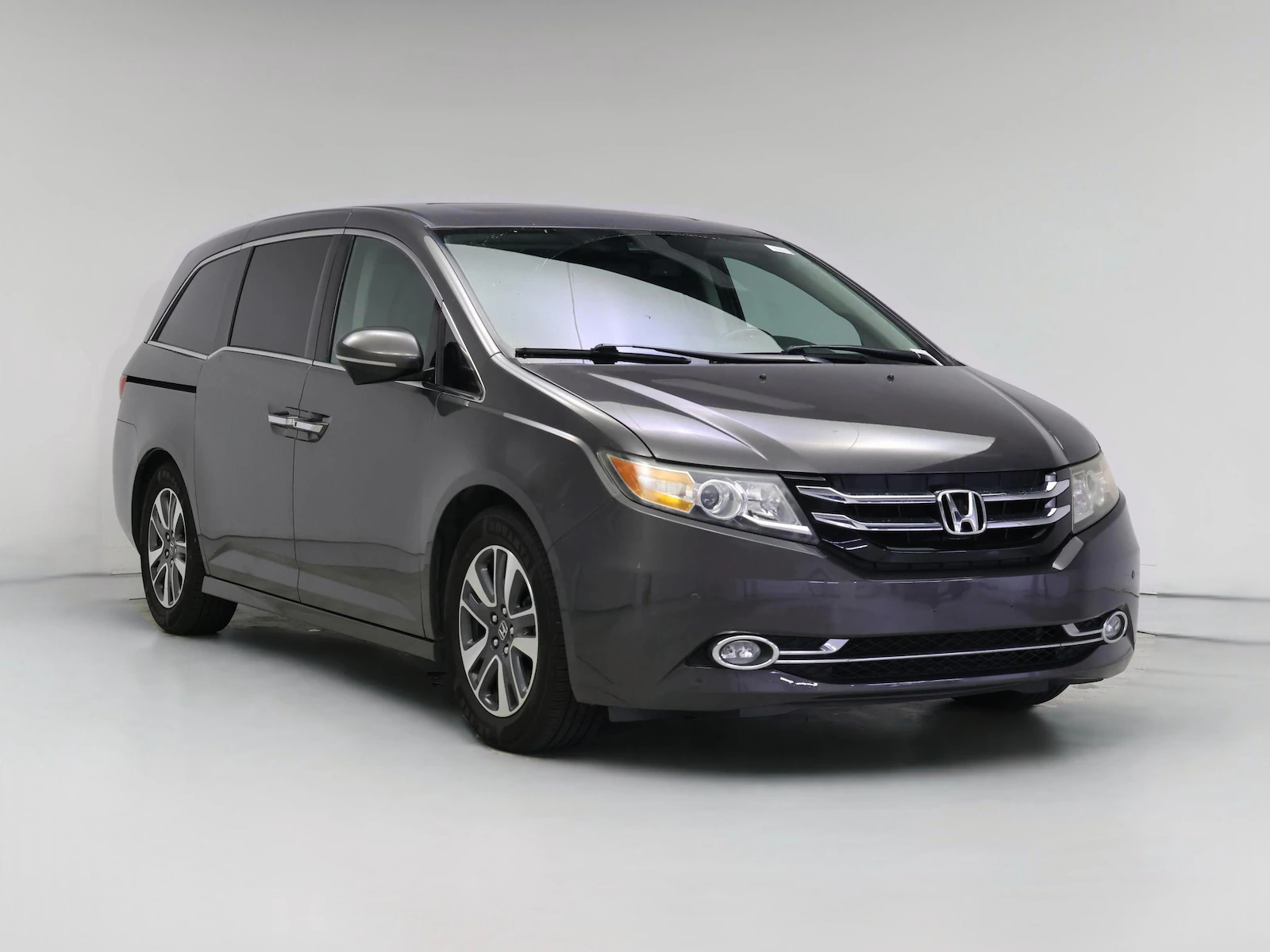
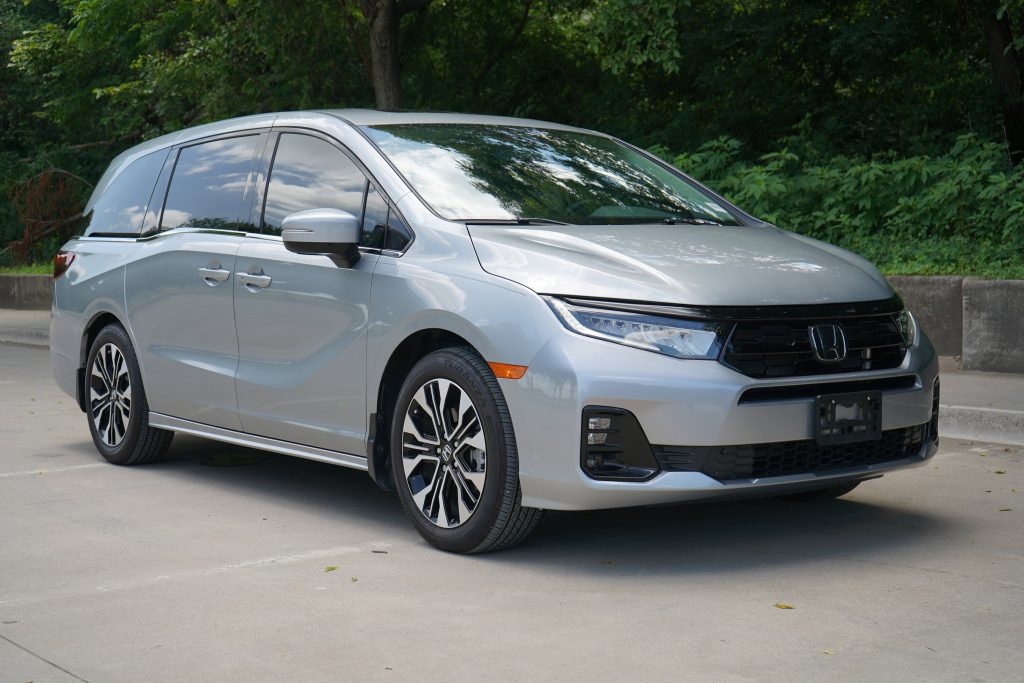
Modern life doesn’t confine itself to compartments, so why should our vehicles? With more professionals working remotely, blending work and family time has become a necessity rather than a compromise. In this environment, the luxury MPV becomes the perfect mobile solution: spacious, comfortable, private, and flexible. Leading this charge are models like the Honda Odyssey Elite and the Buick GL8 Avenir, both of which are redefining how a luxury MPV can fluidly shift between school drop-offs, countryside getaways, and executive airport pickups.
The Odyssey Elite, particularly in its Asian-market iterations, shows how luxury and leisure can coexist without aesthetic or functional compromise. Its cabin includes modular seating configurations that allow for lounging, sleeping, or full-capacity family outings. A rear entertainment system with wireless streaming caters to young passengers, while front-row amenities such as tri-zone climate control, in-seat massagers, and leather-trimmed consoles maintain executive appeal. One moment it’s a rolling family theater, the next it’s a quiet place to prepare for a presentation.
The Buick GL8 Avenir takes a slightly different approach. With its roots deeply embedded in the Chinese luxury MPV market, the GL8 focuses heavily on ride smoothness, acoustic refinement, and second-row indulgence. However, its subtle cabin technology—fold-away tables, USB-C charging points at every seat, customizable ambient lighting—also supports family use. The vehicle’s sliding doors and low step-in height offer excellent accessibility for elderly family members or children, further proving that practicality can pair beautifully with prestige.
Designing for Dual Purpose: A New Philosophy
Automotive designers today are tasked with an unprecedented challenge: how to cater to both CEOs and soccer parents within the same cabin. The answer lies in rethinking layout, materials, and tech integration from the ground up.
First, the seat design must balance executive ergonomics with leisure functionality. Captain chairs in modern MPVs often include ottomans, reclining modes, heating, cooling, and massage functions. But these features now go a step further—incorporating stain-resistant materials, removable cushions, and adjustable child-seat latches to cater to young families.
Next comes ambient technology. High-end MPVs now offer “mood lighting” that shifts tones depending on time of day or user preference. While a business traveler may choose a cool white environment for focus, a family may opt for a warmer amber hue for story time. Panoramic sunroofs with electronic tinting, cabin-wide HEPA filtration, and acoustic glass are no longer luxuries—they’re expected features.
Finally, cargo flexibility becomes essential. Dual-level storage, under-seat compartments, fold-flat rear rows, and modular organizers enable a seamless shift from luggage to groceries to camping gear. Luxury isn’t about excess—it’s about intuitive usability. A true high-end MPV must make those transitions effortless.
Family-Centric Features That Don’t Compromise on Prestige
The idea that family-friendly equals compromise is outdated. Today’s luxury MPVs are proof that a vehicle can be deeply practical while still exuding sophistication. Features like noise-dampening materials, smart climate zoning, and premium infotainment systems not only elevate the ride experience—they also minimize stress for parents and children alike.
Consider, for example, second-row seats equipped with child-monitoring cameras that connect to the driver’s dashboard. Or rear seat voice-control functions that allow kids to request music, dim lights, or adjust temperature without needing parental assistance. These features enhance the travel experience and maintain the dignity and convenience expected from a premium vehicle.
Another standout evolution is the car-as-caretaker model. In luxury MPVs like the GL8 Avenir, artificial intelligence is integrated to monitor cabin temperature, driving habits, and even passenger posture, adjusting seat angles or massage levels automatically. For families with long daily commutes or frequent travel, this creates a nurturing environment that serves both child and adult needs with equal elegance.
Recreational Intent: The New Benchmark for High-End MPVs
Beyond the business lounge and family shuttle, luxury MPVs are increasingly being positioned as leisure vehicles. The emerging trend of “car camping” and “mobile villas” has seen buyers use these vehicles not just for transport, but as central hubs for relaxation, exploration, and escape.
In Japan, manufacturers like Toyota and Nissan are experimenting with camping-specific MPV trims that include induction cooking modules, external power hookups, and convertible beds—all wrapped in high-end interiors. While still niche in the West, this philosophy is gaining momentum in Asia, where families often seek nearby, spontaneous retreats. It’s not hard to imagine a future where an MPV offers not just champagne chillers and air purifiers, but deployable shade canopies and in-vehicle projectors for outdoor movie nights.
The luxury MPV is no longer just about arriving in style—it’s about living in motion. Weekend surfers, urban gardeners, and luxury nomads all find in these vehicles a canvas for expression and comfort.
The Emotional Value of Multi-Role Ownership
What truly differentiates modern luxury MPVs from their SUV or sedan counterparts is the emotional return on investment. When a vehicle becomes a child’s favorite nap spot, a couple’s road-trip escape pod, and a mobile office with reliable Wi-Fi, it starts transcending the category of “car.” It becomes part of the family story.
Buyers are increasingly measuring luxury not by horsepower or badge prestige, but by flexibility, serenity, and lifestyle alignment. An MPV that can go from client chauffeur to mountain basecamp in the same weekend provides more than convenience—it offers emotional utility. This multi-role adaptability is emerging as the new benchmark for vehicle desirability.
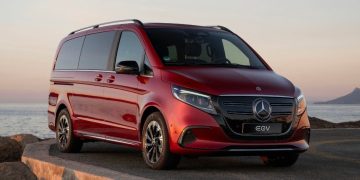
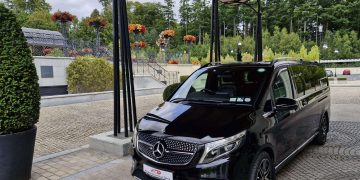
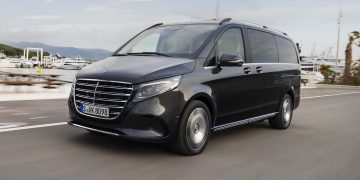
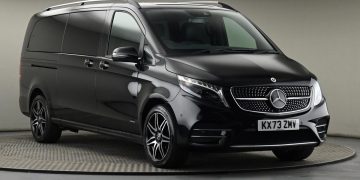
Luxury brands are responding accordingly. Mercedes-Benz is rumored to be working on a V-Class Maybach MPV. Lexus is expected to introduce a three-row leisure-focused LM variant with rooftop solar panels. Audi is reportedly developing a fully electric, high-roof concept van aimed at balancing business and adventure needs.
Conclusion: Luxury Is Becoming Lifestyle-Aware
The luxury MPV is no longer trapped in the role of chauffeured office. It is now a chameleon: a workhorse cloaked in opulence, a mobile daycare wrapped in leather, and a vacation suite on four wheels. The key to its appeal lies in its adaptability—a trait increasingly aligned with how the modern elite live, work, and unwind.
As the industry embraces this multi-use ethos, we can expect to see even greater attention to wellness, personalization, and intergenerational design. From configurable sleeping cabins to biometric seat adjustments, the luxury MPV of tomorrow is being engineered not just for where we’re going—but how we want to feel when we get there.