





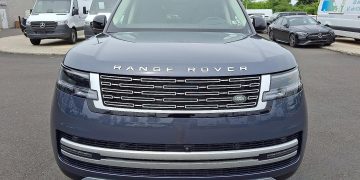
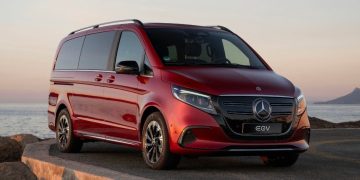


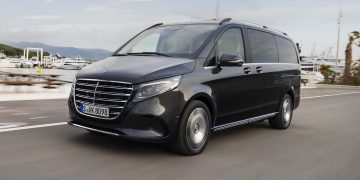
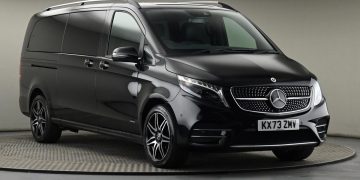






The luxury MPV (multi-purpose vehicle) market has long been dominated by Asia, with countries like China, Japan, and South Korea leading in demand and innovation. However, recent signals indicate that the Middle East—particularly the Gulf Cooperation Council (GCC) countries—is on the cusp of a luxury MPV boom. As wealth levels rise, lifestyles evolve, and preferences shift toward versatile yet opulent vehicles, the luxury MPV segment is poised to explode in this region. Understanding the drivers behind this surge, the suitability of MPVs to Middle Eastern conditions, and how brands and dealers are gearing up can shed light on a transformative moment in the region’s automotive landscape.
GCC Countries’ Growing Appetite for Large and Prestigious Vehicles
The GCC countries—Saudi Arabia, United Arab Emirates, Qatar, Kuwait, Bahrain, and Oman—have long displayed a cultural and economic affinity for large, imposing vehicles. SUVs and luxury sedans have traditionally been the preferred choices for wealthy buyers who prize status, space, and comfort. However, the rising demand for MPVs signals a subtle but meaningful shift.
Several factors explain this change. First, MPVs provide the generous interior space and commanding road presence that affluent GCC buyers desire, but with added flexibility for family use and business purposes. Large extended families are common in the region, and multi-generational travel is a norm during holidays, religious pilgrimages, and social gatherings. MPVs can accommodate these groups comfortably, offering seating for seven to eight passengers with superior legroom and cargo capacity.
Second, as the region’s ultra-high-net-worth population grows, the demand for exclusivity and bespoke luxury intensifies. MPVs can be customized with plush interiors, advanced entertainment systems, and privacy features that rival high-end limousines. This makes them attractive to both business executives who use these vehicles for chauffeured transport and families who want a blend of opulence and practicality.
Third, a younger generation of luxury car buyers is emerging in the Middle East—buyers who value versatility alongside luxury. These consumers are digitally savvy and increasingly global in outlook, seeking vehicles that can transition smoothly from professional to personal contexts. For many, a luxury MPV fits this lifestyle perfectly, serving as a mobile office, entertainment hub, and family transport all in one.
Comfort Advantages of MPVs in High-Temperature, Long-Distance Environments
One of the most compelling reasons why MPVs are gaining traction in the Middle East is their superior comfort in the region’s challenging climate and geography. The GCC is characterized by scorching summers, long stretches of desert roads, and a lifestyle that often involves lengthy trips between cities, airports, and resorts.
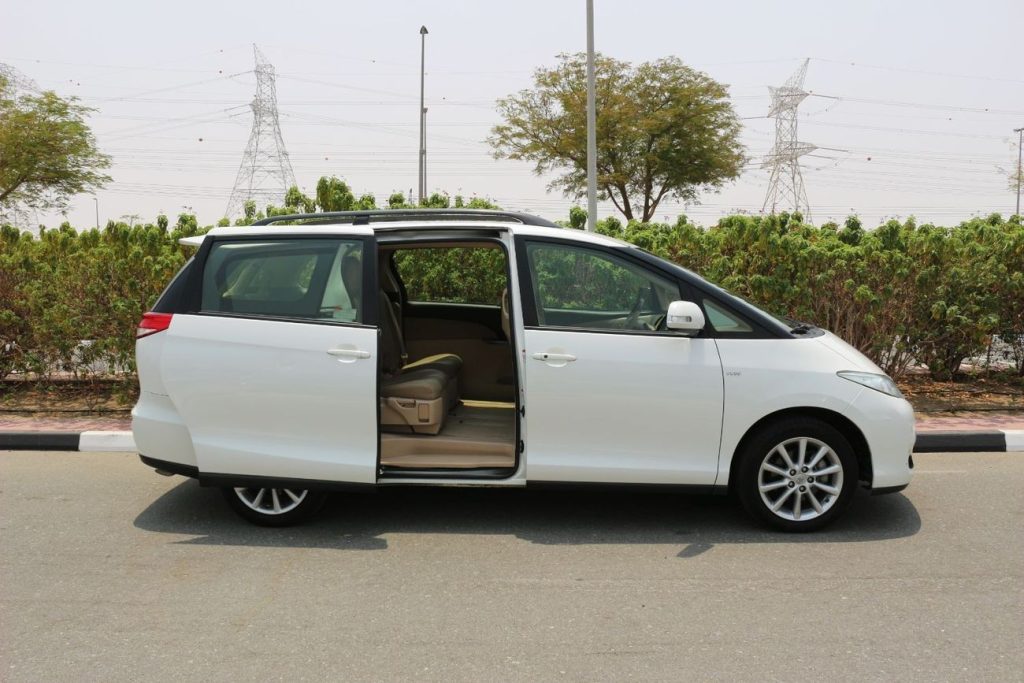
MPVs, with their larger cabins and advanced climate control systems, offer unmatched interior comfort compared to traditional SUVs or sedans. Modern luxury MPVs are equipped with multi-zone air conditioning systems capable of quickly cooling large interiors even under intense heat. Advanced insulation and window tinting technologies further reduce heat intrusion and glare.
Seating configurations in luxury MPVs typically include reclining captain’s chairs with ventilation, massage functions, and ample legroom, all of which significantly enhance passenger comfort during long drives. Features such as panoramic sunroofs and customizable ambient lighting also help create a refreshing and relaxing atmosphere inside the vehicle.
The high vantage point of many MPVs allows drivers and passengers better visibility on desert highways, enhancing safety and driving confidence. The spacious interiors also accommodate luggage and gear, important for extended family trips or business travel with equipment.
Local Dealers and Brands Rapidly Positioning Themselves for Growth
Recognizing the burgeoning opportunity, local dealerships and global luxury automakers have ramped up efforts to capture the Middle Eastern luxury MPV market. Dealerships in key cities like Dubai, Riyadh, Doha, and Kuwait City are expanding showroom space and enhancing after-sales services tailored specifically for MPV owners.
Brands such as Toyota, Lexus, Mercedes-Benz, and Cadillac have introduced or heavily promoted MPV models with region-specific packages. For instance, Toyota’s Alphard and Vellfire models, long popular in Asia, are now being marketed more aggressively in the GCC with options for bespoke interior customization, enhanced cooling systems, and extended warranty programs designed for harsh desert conditions.
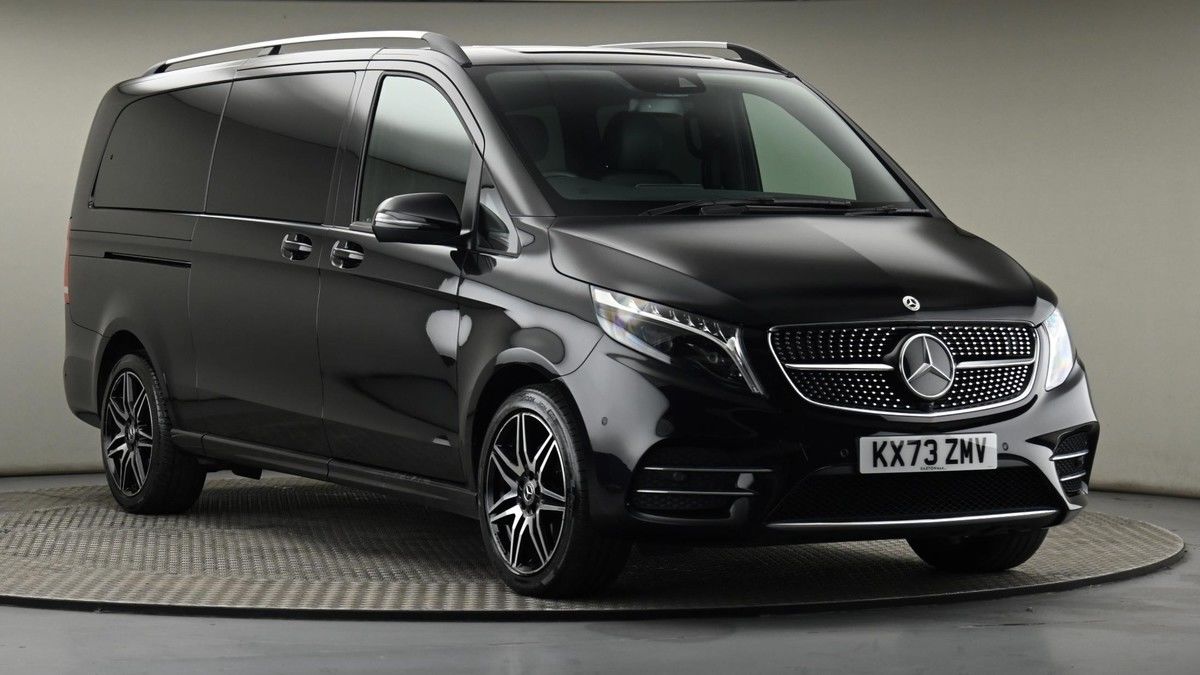
Lexus has introduced its luxury MPV variant, the Lexus LM, offering ultra-premium interiors with features such as privacy partitions, zero-gravity seats, and multi-media entertainment tuned for Gulf buyers’ preferences. Mercedes-Benz’s V-Class has also seen upgrades in technology and comfort, with regional dealers offering exclusive editions and personalization options.
Furthermore, local distributors are investing in experiential marketing, organizing test-drive events in desert environments and creating VIP lounges where potential buyers can experience the interior luxury and comfort firsthand. These events highlight the versatility of MPVs for both urban commutes and desert excursions.
The rise of online platforms has also enabled buyers to customize their MPVs virtually, selecting finishes, tech packages, and comfort options from the comfort of their homes, a convenience well-suited to the digitally connected GCC consumer base.
Challenges and Future Outlook
While the outlook for luxury MPVs in the Middle East is optimistic, challenges remain. The high cost of luxury MPVs relative to popular SUVs may limit widespread adoption beyond the ultra-rich segment. Additionally, infrastructure improvements—such as expanding charging networks for hybrid or electric MPVs—will be crucial as sustainability gains priority.
Regulatory environments, including import tariffs and local manufacturing policies, could impact pricing and availability. However, regional governments’ increasing support for luxury tourism, family leisure, and business travel bode well for MPV market growth.
In the coming years, as urban populations grow and lifestyles evolve, luxury MPVs are expected to move from niche status to mainstream symbols of prestige and practicality. Innovations in connectivity, autonomous driving, and comfort customization will further enhance their appeal.
Conclusion
The luxury MPV market in the Middle East stands at the threshold of significant expansion. GCC countries’ unique cultural preferences, climatic challenges, and evolving luxury consumption patterns have created fertile ground for MPVs to flourish. With large families, business executives, and younger affluent buyers seeking vehicles that combine space, comfort, and opulence, MPVs meet a growing demand that SUVs and sedans alone cannot satisfy.
Local dealers and global brands are responding swiftly, tailoring models to regional tastes and investing in immersive buying experiences. While some hurdles remain, the future for luxury MPVs in the Middle East looks bright, promising a new era where versatility and luxury converge seamlessly.