










Introduction: An Exploration of the Supercar Market in 2024 and Beyond
The supercar industry has long been synonymous with speed, power, and luxury. For decades, brands like Ferrari, McLaren, Lamborghini, and Bugatti have led the charge in designing machines that combine cutting-edge technology with unparalleled performance. These cars are not just vehicles; they are symbols of prestige, craftsmanship, and innovation.
But in 2024, the supercar market is at a crossroads. The traditional internal combustion engines that have powered these iconic machines for so long are facing increasing pressure from environmental regulations, a shift toward electric vehicles (EVs), and changing consumer preferences. At the same time, the relentless pursuit of higher speeds, better handling, and greater efficiency continues to fuel innovation in the supercar world.
As we look toward the future, the supercar market is undergoing a transformation, balancing the demand for luxury and performance with a growing need for sustainability and technological integration. What can we expect from the supercar market in 2025 and beyond? Will traditional supercars remain a dream for enthusiasts, or will we see a new generation of vehicles that redefine the very concept of high performance?
In this article, we’ll explore the latest developments in the world of supercars, from new releases to the growing shift toward hybrid and electric powertrains, and examine the direction the industry is heading.
New Releases: A Look at the Latest Releases from Brands Like Bugatti, Ferrari, and McLaren
2024 marks an exciting year for the supercar industry, with major brands unveiling new models that push the boundaries of performance, design, and technology. These vehicles not only showcase the evolution of the supercar but also offer a glimpse into the future of automotive engineering.
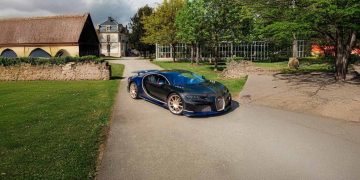
1. Bugatti Chiron Super Sport 300+
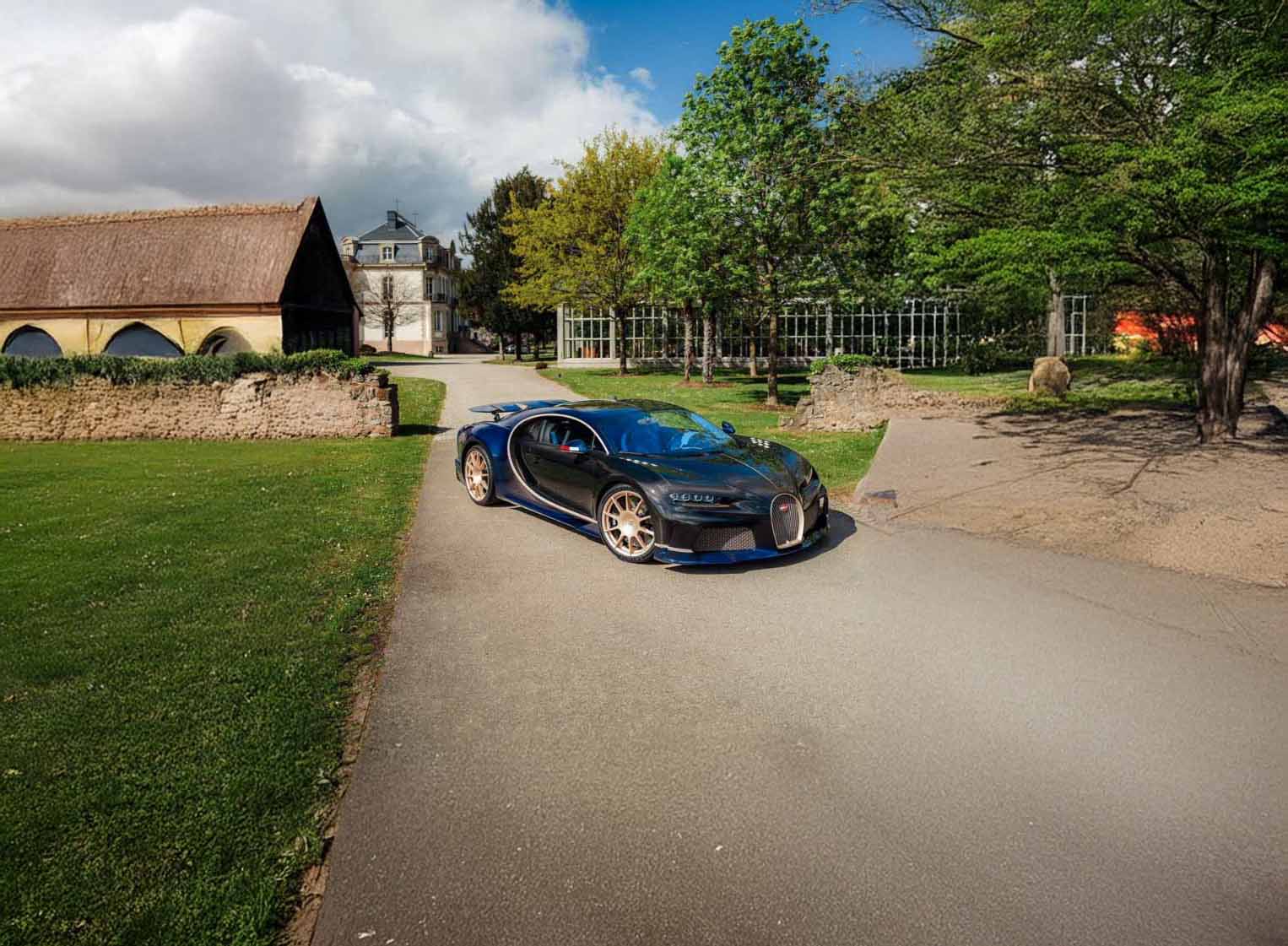
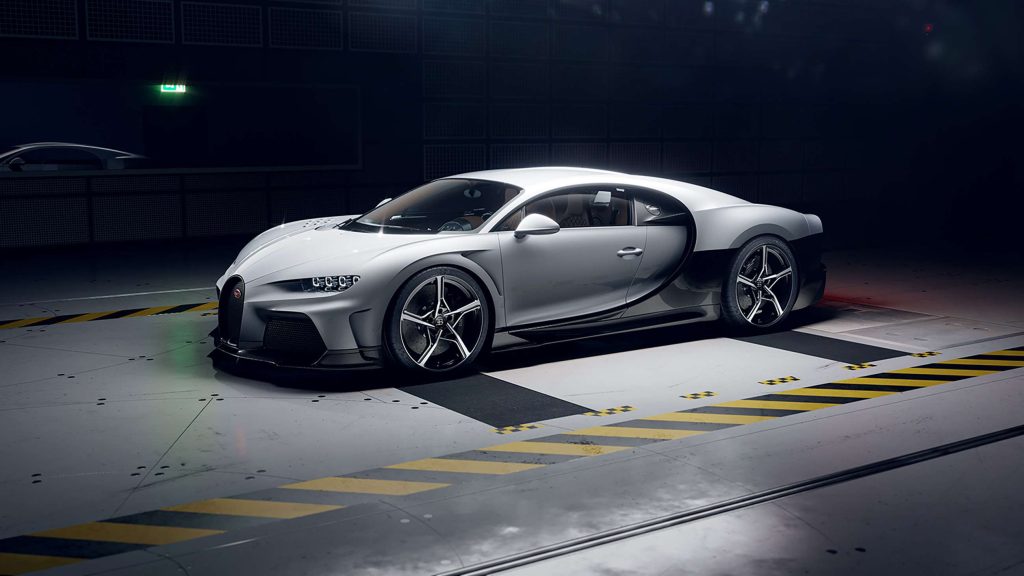
The Bugatti Chiron Super Sport 300+ made headlines when it became the first production car to surpass the 300 mph mark. While this car still relies on a traditional quad-turbocharged 8.0-liter W16 engine, its astonishing top speed and unmatched performance make it an incredible testament to Bugatti’s relentless pursuit of speed.
While internal combustion is still at the core of Bugatti’s philosophy, the company has made strides in aerodynamic design and lightweight materials to enhance performance. The Chiron Super Sport 300+ features a sleek, aggressive design that not only improves aerodynamics but also pushes the limits of what’s possible in terms of stability and handling at extreme speeds.
2. Ferrari SF90 Stradale
Ferrari has always been a trailblazer in the supercar world, and with the SF90 Stradale, the brand has ventured boldly into the hybrid world. The SF90 Stradale combines a 4.0-liter twin-turbocharged V8 engine with three electric motors, delivering a total of 986 horsepower. This hybrid setup offers remarkable performance while still maintaining Ferrari’s signature handling, luxury, and sound.
In terms of design, the SF90 Stradale follows Ferrari’s tradition of sleek, aerodynamic styling, with sharp lines and an aggressive stance. But it’s not just about looks; the car integrates the latest in driver-assistance technologies, infotainment, and connectivity, ensuring that the driver is always at the cutting edge of technology.
3. McLaren Artura
McLaren, known for its lightweight and aerodynamically efficient designs, has entered the hybrid supercar space with the Artura. This model features a 3.0-liter twin-turbo V6 engine paired with an electric motor, combining for a total of 671 horsepower. What makes the Artura stand out is its focus on efficiency without sacrificing performance. The car is designed to be light, agile, and technologically advanced, with a focus on creating an intuitive driving experience.
The Artura is also equipped with a suite of driver-focused technologies, including dynamic driving modes, active aerodynamics, and regenerative braking, making it one of the most exciting new entries in McLaren’s lineup.
Hybrid and Electric Evolution: How Hybrid and Electric Drivetrains Are Transforming the Performance of Supercars
As the automotive industry continues to pivot toward sustainability and carbon reduction, supercar manufacturers are adopting hybrid and electric drivetrains that blend the performance of traditional engines with the environmental benefits of electric power.
1. Performance Without Compromise
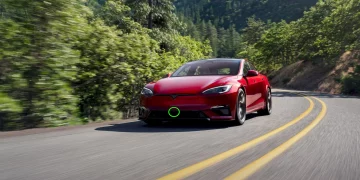
While hybrid and electric drivetrains may seem at odds with the high-performance ethos of supercars, they are actually enhancing the overall driving experience. Electric motors, known for their ability to provide instant torque, offer an incredible boost in acceleration, making electric supercars exceptionally fast off the line. For example, the Tesla Roadster, with its electric powertrain, is expected to reach a top speed of 250 mph, proving that electric cars can compete with their gas-powered counterparts in terms of raw speed.
Hybrid drivetrains, like those in the Ferrari SF90 Stradale and the McLaren Artura, allow manufacturers to harness the best of both worlds: the endless power of a gasoline engine paired with the instant torque of electric motors. These systems offer increased fuel efficiency, reduced emissions, and a greener driving experience, all while maintaining the thrilling performance expected of a supercar.
2. Battery Technology and Range
One of the key challenges facing the supercar industry is developing battery technology that provides the range and charging speed required for high-performance vehicles. Advances in lithium-ion batteries and solid-state batteries have the potential to revolutionize the electric supercar market by providing longer driving ranges and quicker charging times.
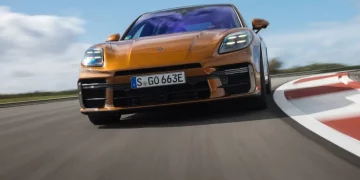
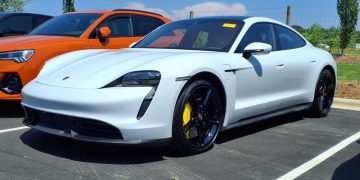
While electric supercars are still in their infancy, some brands, such as Porsche, are already making strides with models like the Taycan Turbo S, which boasts incredible acceleration times and high performance. As battery technology improves, more and more supercar brands will likely transition to fully electric drivetrains.
Design and Innovation: How Aerodynamics, Materials, and Tech Innovations Are Shaping the Supercar of Tomorrow
Supercars have always been at the forefront of design and engineering innovation, but the future promises even more groundbreaking developments in areas like aerodynamics, materials, and technological integration.
1. Aerodynamics: The Shape of Speed
Aerodynamics plays a critical role in a supercar’s performance. In the past, manufacturers focused primarily on sleek, low-slung designs to reduce drag and increase top speeds. However, the future of supercar design will focus on active aerodynamics—systems that adjust in real-time based on speed, driving conditions, and driver preferences.
For example, the McLaren Speedtail employs adjustable rear flaps and active air intakes, which open and close to optimize airflow and maximize downforce when needed. The next generation of supercars may incorporate even more dynamic elements, such as active spoilers, moveable rear diffusers, and automated wing systems that adjust as conditions change.
2. Materials: Lightweight and Strong
Materials science is another area where supercars are seeing rapid advancement. Manufacturers are increasingly using carbon fiber, titanium, and titanium alloys to create lighter and stronger frames that offer greater performance without compromising on safety. These lightweight materials reduce the overall weight of the vehicle, improving acceleration, handling, and fuel efficiency.
In the future, we may also see the use of graphene, a cutting-edge material that is stronger than steel but much lighter. This could revolutionize not only the weight of supercars but also their electrical efficiency, especially in electric models, where reducing weight is critical for range and performance.
3. Tech Innovations: Beyond the Driving Experience
In 2025 and beyond, supercars will be more than just machines of speed—they will become mobile tech hubs. Already, manufacturers like Ferrari and McLaren are integrating advanced infotainment systems, AI-assisted driving modes, and augmented reality (AR) dashboards that display real-time data on speed, tire pressure, and more.
Supercars of the future will integrate autonomous driving capabilities, enabling drivers to relax and enjoy the ride on long, winding roads or highways. While the driving experience will always remain a core focus, the convenience and luxury of these technological advancements will ensure that supercars evolve in tandem with consumer demands.
The Supercar Buyer: Who is the Typical Supercar Owner, and What Are Their Expectations for 2025?
The supercar buyer is no longer just a wealthy enthusiast looking for speed; the modern supercar owner is an adventurer, technology lover, and environmentally conscious individual. In 2025, supercar buyers will expect sustainability, cutting-edge tech, and luxury to be seamlessly integrated into their vehicles.
These buyers are likely to come from younger, more tech-savvy demographics who value the driving experience but also seek cars that reflect their values, such as eco-friendliness and innovation. The rise of the Millennial and Gen Z supercar buyer will drive the demand for electric and hybrid powertrains, as well as personalized, high-tech features that enhance their driving experience.
Conclusion: The Lasting Appeal of Supercars in an Increasingly Sustainable World
Despite the rapid changes in the automotive industry, the supercar remains a symbol of performance, luxury, and innovation. While the shift toward electric drivetrains and sustainability is inevitable, the supercar of tomorrow will still offer the same thrills, speed, and prestige that enthusiasts have come to expect.
As the market evolves, we can expect to see a new breed of supercars that balance performance, luxury, and environmental consciousness, ensuring that these iconic machines will continue to captivate the imaginations of car enthusiasts around the world for years to come.