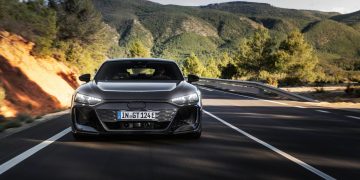
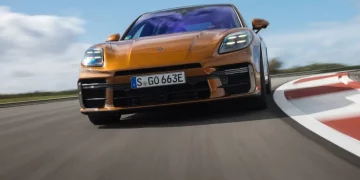
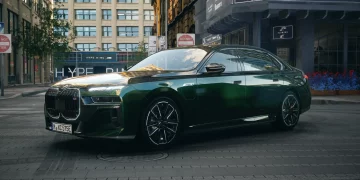
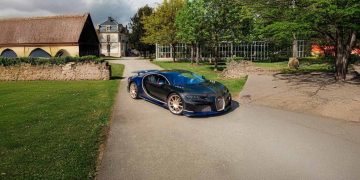
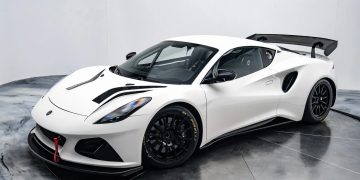
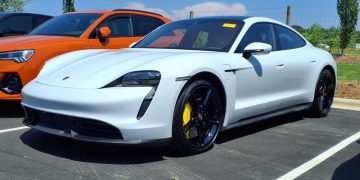
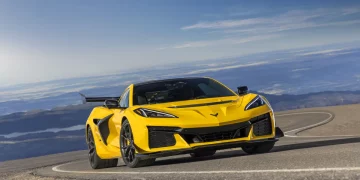
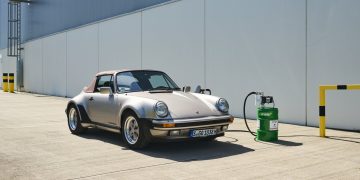
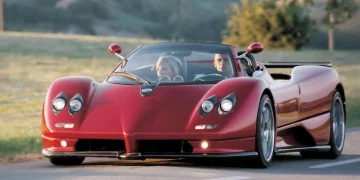




In a world racing toward electrification, the unmistakable scream of a naturally aspirated V12 or the sharp crackle of a turbocharged V8 risks fading into memory. Governments have drawn clear battle lines—2035 marks the sunset of internal combustion engines (ICEs) in many major markets, including the EU. But within that countdown, a new hope has emerged for combustion purists: e-fuels. Also known as synthetic fuels, e-fuels promise to keep the fire burning—quite literally—by offering a carbon-neutral way to power traditional engines. For brands like Porsche and Lamborghini, this isn’t just a technological experiment; it’s a philosophical lifeline for the supercar’s roaring soul.
Porsche and Lamborghini: Betting on Clean Combustion
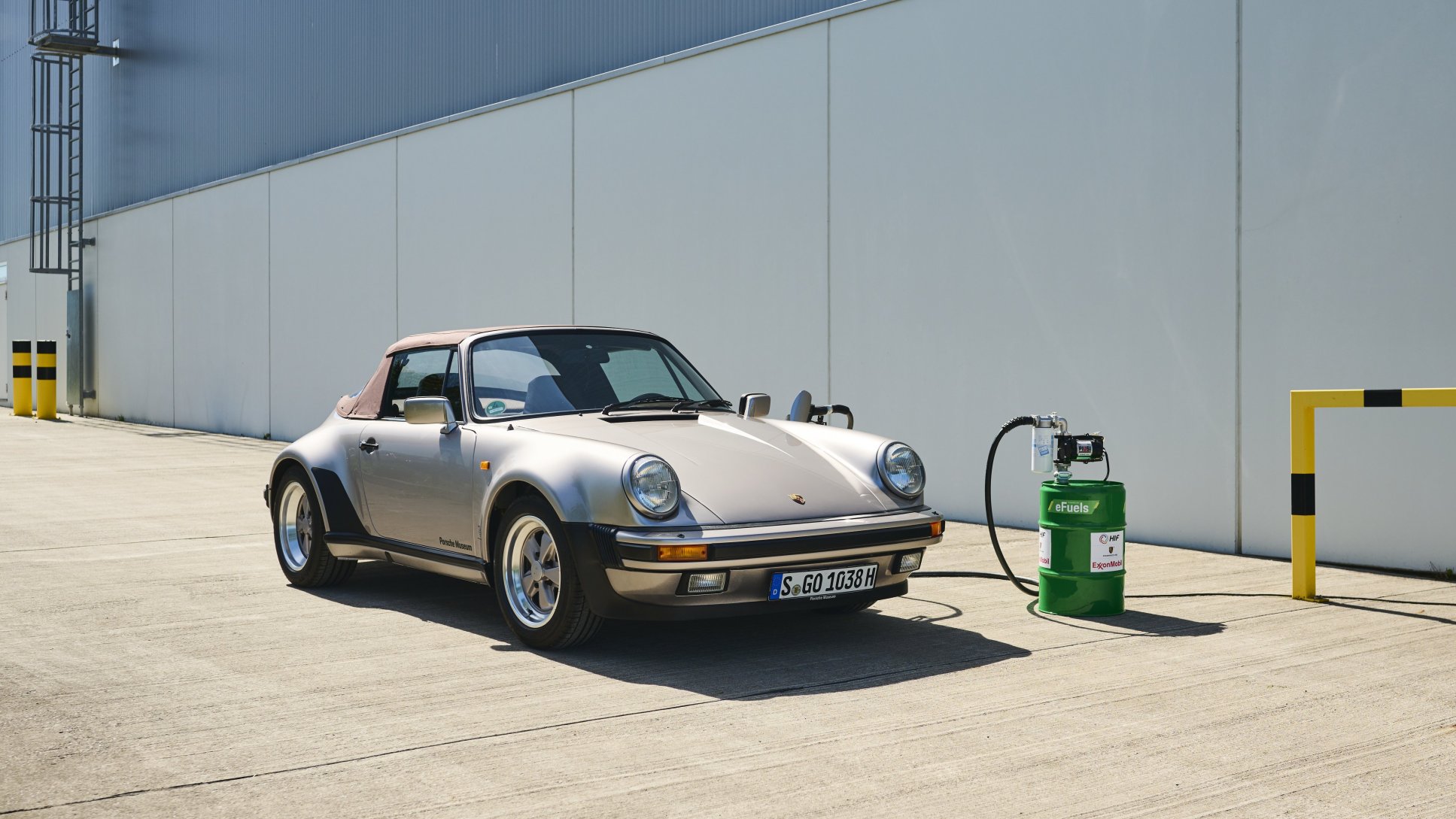
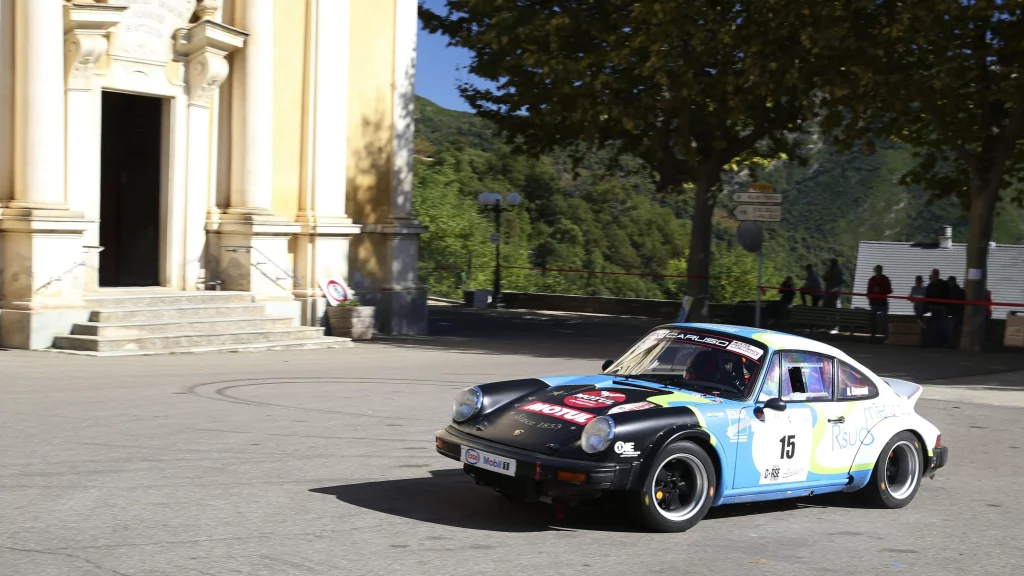
Among traditional performance carmakers, Porsche has taken the boldest step toward legitimizing e-fuels. Backed by parent company Volkswagen Group, Porsche has invested heavily in synthetic fuel development, including a flagship production plant in Punta Arenas, Chile. This facility, powered by wind energy, combines green hydrogen with captured atmospheric CO₂ to create a usable, carbon-neutral gasoline substitute. According to Porsche, the goal is not just to fuel vintage 911s, but to prolong the relevance of ICE sports cars in a carbon-conscious world.
Lamborghini, too, has stepped into the synthetic fuel conversation. While the brand has committed to full hybridization across its lineup before 2025, it has left a window open for combustion-powered flagships—so long as e-fuels can provide a viable, scalable solution. Executives at Sant’Agata have voiced strong support for preserving the brand’s symphonic V12s, but doing so without greenwashing. For both Porsche and Lamborghini, e-fuels aren’t a delay tactic—they are Plan B in a world where electrification is Plan A.
The Soundtrack of Speed: Preserving Engine Emotion
There’s a deep reason why e-fuels have ignited such passion among car enthusiasts: it’s not just about combustion, it’s about character. Electric motors deliver brutal acceleration, but they do so in silence. No growl, no crescendo, no exhaust roar bouncing off tunnel walls. For the supercar faithful, this is more than a sensory loss—it’s an identity crisis.
The ICE engine’s sound has become as important to its allure as performance itself. The Porsche GT3’s flat-six scream, the Ferrari V12’s operatic wail, the offbeat bark of a Lamborghini V10—these aren’t mere noises, they’re emotional signatures. They create visceral connections between driver and machine, forming the backbone of brand loyalty.
E-fuels offer the potential to preserve that emotional integrity without the environmental guilt. Unlike battery-powered cars, which must invent simulated sounds to recreate mechanical drama, a supercar running on synthetic fuel maintains its full auditory presence—clutch kicks, gearshifts, overrun pops and all. In a sense, e-fuels may be the only way to make ICE cars both soulful and socially acceptable in the coming decades.
The Green Dilemma: Can E-Fuels Deliver on Their Promise?
Yet for all their promise, e-fuels face significant challenges—technically, economically, and politically. At present, they are far more expensive to produce than fossil fuels or even electricity. The process is energy-intensive, and scaling production to match even a small fraction of current global fuel use would require vast renewable infrastructure.
Environmentalists argue that the focus should remain on electrification, which offers more efficient energy conversion and zero tailpipe emissions. Critics also point out that while e-fuels are carbon-neutral at the point of origin, they still emit nitrogen oxides and other pollutants during combustion, meaning they may not be as “clean” on the street as they are in theory.
But advocates counter that e-fuels offer a critical transition strategy. They can decarbonize existing fleets—especially in regions where EV infrastructure is lacking—and maintain the utility of millions of ICE vehicles already on the road. For supercars, the numbers are even more favorable. These vehicles are driven sparingly, cherished more for their aesthetic and emotional value than for daily transportation. Their overall carbon footprint is low relative to mass-market vehicles, making them ideal candidates for e-fuel adaptation.
The 2035 Cliff: Last Days of the Roar?
With 2035 looming, e-fuels may represent the final stand for the ICE supercar. European regulators have already made exceptions for vehicles running on carbon-neutral fuels—signaling a potential regulatory lifeline. Germany, a long-time advocate for its domestic auto industry, has pushed for continued allowance of combustion vehicles using e-fuels beyond the 2035 ban, provided they meet strict emissions criteria.
This creates a fascinating scenario. While the mass-market may go silent, the most exclusive cars could retain their combustion engines as a symbol of defiance and engineering purity. Imagine a future where the streets are filled with quiet, efficient EVs, but a few select collectors pilot e-fuel-powered hypercars that roar through cities like mythical beasts—rare, nostalgic, and revered.
For automakers, this opens a niche path forward. Ferrari, Lamborghini, and Pagani might not need to electrify every model—just those aimed at high-volume emissions compliance. Their top-tier, limited-run models could continue to burn clean fuels and offer clients an experience unmatchable by even the fastest EV.
Emotion vs Emission: A Cultural Tug-of-War
Ultimately, the battle between electrification and e-fuels is not just technical—it’s cultural. The EV narrative is one of progress, sustainability, and disruption. The e-fuel narrative is about preservation, identity, and emotion. In a way, it reflects a broader societal tension: between moving forward and holding on to the things we love.
Luxury automakers have long thrived on emotional storytelling, and synthetic fuels allow them to keep telling that story in its most authentic form. An all-electric Lamborghini might be quicker, but is it still a Lamborghini if it doesn’t sound or feel like one? For the faithful, no amount of torque vectoring can replace the joy of rowing gears and hearing a naturally aspirated engine roar toward redline.
That’s why e-fuels matter—not just for environmental compliance, but for cultural continuity. They offer a technical compromise that might be the only hope for reconciling climate responsibility with automotive passion.
Looking Ahead: What Needs to Happen for E-Fuels to Succeed
For e-fuels to truly keep the internal combustion supercar alive, several dominoes must fall:
- Scalability and Cost Reduction
Production costs must come down dramatically to make e-fuels economically viable even in niche applications. This means investment in infrastructure, better electrolysis technologies, and favorable government subsidies. - Regulatory Clarity
Clear policies must emerge globally, allowing vehicles that run on carbon-neutral fuels to remain street-legal post-2035. Without this, the incentive to invest in e-fuel tech disappears. - Brand Commitment
More automakers need to follow Porsche’s lead—not just with rhetoric, but with active investment in R&D and synthetic fuel ecosystems. From Bugatti to Koenigsegg, the industry’s smaller players could form a coalition to champion e-fuels as a legitimate alternative. - Public Acceptance
Consumers—especially enthusiasts—must be educated about the benefits of e-fuels and their role in sustainable mobility. This could be a cultural movement as much as a technological shift.
Conclusion
E-fuels may not save the internal combustion engine for everyone—but they could preserve it for the few who truly care. In the age of electric acceleration and AI-assisted driving, the supercar world is yearning for something real, something analog, something that roars. And if that sound can be made clean, then the combustion engine might not be headed for extinction—it might be on the verge of evolution.
In the hands of the right engineers, e-fuels are more than chemistry. They are alchemy: turning wind, water, and CO₂ into motion, memory, and music. And for the true believer, that’s the kind of magic worth fighting for.