



Introduction: The Rise of Hybrid Luxury Vehicles and Their Appeal
In the past decade, hybrid technology has rapidly transformed the automotive industry, bridging the gap between sustainability and performance. The rise of hybrid luxury cars represents a significant shift in consumer demand, where buyers no longer have to choose between eco-friendliness and high-performance driving. Historically, performance-oriented vehicles and green technologies have existed in parallel tracks, with high-performance cars often known for their gas-guzzling engines, while eco-friendly cars lacked the thrill and speed that enthusiasts craved.
However, hybrid luxury cars, which integrate both a traditional internal combustion engine (ICE) and an electric motor, are rapidly becoming the perfect middle ground. These vehicles provide buyers with the performance they expect from luxury cars while still minimizing environmental impact. Luxury automakers like Lexus, BMW, and Porsche have spearheaded the development of hybrid luxury models that deliver impressive power, cutting-edge technology, and eco-friendly benefits, all while maintaining the prestige and elegance these brands are known for.
As we approach 2024 and beyond, the hybrid luxury segment continues to evolve, driven by both technological advancements and the growing desire for sustainable alternatives. But how exactly does a hybrid luxury vehicle achieve the perfect balance between eco-consciousness and performance? Let’s explore how this new breed of vehicles is defining the future of automotive luxury.
Performance Balance: How Hybrid Technology Can Offer Both Power and Sustainability
When it comes to hybrid luxury cars, the key to their appeal is the balance between performance and sustainability. Traditional luxury vehicles are synonymous with powerful engines that can accelerate from 0 to 60 mph in mere seconds, creating a thrilling experience for drivers. On the other hand, hybrid technology offers lower emissions and better fuel efficiency, making them an attractive option for those looking to reduce their environmental footprint.
The magic behind hybrid technology lies in its dual-powertrain system, which combines the capabilities of an electric motor and an internal combustion engine. This setup allows hybrid vehicles to switch between or combine both power sources based on driving conditions, resulting in an experience that can be as smooth and eco-friendly as it is exhilarating.
Power and Efficiency: The Best of Both Worlds
Hybrids achieve an impressive balance between power and efficiency by leveraging the benefits of both systems. The electric motor provides instant torque for smooth acceleration, while the internal combustion engine offers long-range cruising power. This combination means that hybrid vehicles can maintain high performance without sacrificing fuel economy, as the electric motor takes over during low-speed city driving, allowing the gasoline engine to kick in for highway speeds.
The Lexus LS 500h, for example, boasts a 3.5-liter V6 engine paired with an electric motor, producing a combined 354 horsepower and 369 lb-ft of torque. The result is not only a smooth ride but also quick acceleration and impressive handling. Despite this performance, the vehicle’s hybrid technology helps keep its emissions lower than a conventional V6 engine would.
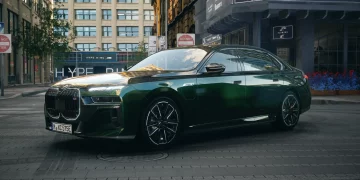
Similarly, the BMW 7 Series Hybrid offers a twin-turbocharged 3.0-liter inline-six engine with an electric motor that delivers a combined 389 horsepower, allowing for impressive performance while maintaining eco-friendly fuel consumption figures. BMW’s focus on hybrid performance isn’t just about smooth acceleration and responsiveness; it’s about optimizing the powertrain for both sustainability and driving enjoyment.
Regenerative Braking and Energy Efficiency
Another hallmark of hybrid technology is regenerative braking, which captures kinetic energy during braking and converts it into electricity to recharge the battery. This process further increases fuel efficiency by ensuring that the electric motor has sufficient power to operate during stop-and-go traffic. The combination of regenerative braking and energy-efficient driving modes allows these hybrid luxury cars to deliver significant fuel savings without compromising performance.
For performance enthusiasts, this means that hybrid luxury cars can go from city driving to highway cruising while continuously optimizing performance and minimizing fuel consumption. The result is a driving experience that feels dynamic, yet sustainable—the ultimate compromise between luxury, power, and eco-friendliness.
Top Hybrid Models: A Look at Cars Like the Lexus LS 500h and BMW 7 Series Hybrid
With hybrid technology gaining traction in the luxury car market, automakers are introducing more models designed to offer the best of both worlds: high-performance and eco-conscious driving. Here’s a closer look at some of the top hybrid luxury cars that are making waves in 2024:
Lexus LS 500h: An Icon of Luxury and Efficiency
The Lexus LS 500h is a flagship luxury sedan that embodies the marriage of sophistication and eco-consciousness. With a powertrain that combines a 3.5-liter V6 engine with an electric motor, the LS 500h offers an impressive 354 horsepower and 360 lb-ft of torque. The vehicle can accelerate from 0 to 60 mph in just 5.1 seconds, providing a thrill that is typically associated with high-performance vehicles, but with a significantly lower environmental impact.
Inside, the LS 500h offers a luxurious and technologically advanced cabin, complete with premium leather upholstery, real wood trim, and the latest infotainment features. The combination of refined comfort, cutting-edge tech, and hybrid powertrain makes it an attractive choice for those seeking both eco-friendliness and performance.
BMW 7 Series Hybrid: Combining German Engineering and Eco-Friendly Technology
The BMW 7 Series Hybrid is another prime example of a luxury hybrid vehicle that excels in both performance and sustainability. With a twin-turbocharged 3.0-liter inline-six engine paired with an electric motor, the BMW 745e offers 389 horsepower and 443 lb-ft of torque. This allows for a 0-60 mph time of just 4.9 seconds, making it one of the fastest hybrid sedans on the market.
BMW’s emphasis on luxury and driving dynamics is evident throughout the 7 Series Hybrid. The vehicle boasts an opulent interior, featuring high-quality materials and advanced driver-assistance systems, including adaptive cruise control, lane-keeping assist, and a premium sound system. As with the LS 500h, the 7 Series Hybrid strikes a perfect balance between sustainable driving and an exhilarating, performance-driven experience.
Porsche Panamera 4 E-Hybrid: Sports Car Performance Meets Hybrid Efficiency
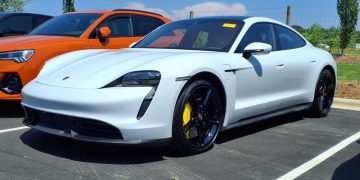
If there’s one luxury automaker that has mastered the art of blending performance and sustainability, it’s Porsche. The Porsche Panamera 4 E-Hybrid combines a 2.9-liter twin-turbo V6 engine with an electric motor to deliver 455 horsepower and 516 lb-ft of torque. This allows the vehicle to go from 0 to 60 mph in just 3.9 seconds, making it an ideal choice for those who desire sports car performance in a luxury hybrid.
The Panamera’s sleek design, coupled with its advanced hybrid technology, ensures that it not only delivers exceptional performance but also offers an eco-conscious driving experience. Porsche’s Sport Chrono package, regenerative braking, and advanced fuel efficiency systems allow the Panamera 4 E-Hybrid to keep emissions low while offering driving dynamics that are second to none.
Consumer Demand: Are Buyers Looking for a Greener, Yet Performance-Driven, Driving Experience?
As the world shifts towards greater environmental awareness, consumers are increasingly seeking eco-friendly alternatives that don’t sacrifice performance. In the luxury car market, buyers are becoming more discerning, with a growing desire for vehicles that offer advanced technology, sustainable solutions, and powerful performance.
Hybrid luxury cars have risen to meet this demand, offering the performance capabilities that buyers expect from top-tier brands while simultaneously reducing their carbon footprint. The increasing popularity of these vehicles is not just driven by eco-consciousness but also by the desire for a well-rounded driving experience. For luxury car buyers, the ideal vehicle is one that combines elegance, comfort, and thrill, all while keeping their environmental impact in check.
The question remains: Are hybrid luxury cars the ultimate solution for the eco-conscious, performance-driven consumer? In many cases, the answer is yes. With their ability to provide both power and efficiency, these vehicles are bridging the gap between the performance enthusiast and the environmentally conscious buyer.
Conclusion: Hybrid Luxury Cars as the Ideal Solution for Eco-Conscious Performance Seekers
In 2024 and beyond, hybrid luxury cars are emerging as the ultimate solution for those who want the best of both worlds—sustainability and performance. By combining advanced hybrid technology with high-performance engines, these vehicles are not only reducing carbon emissions but also offering an exhilarating driving experience that rivals traditional gasoline-powered luxury vehicles. With top models like the Lexus LS 500h, BMW 7 Series Hybrid, and Porsche Panamera E-Hybrid, it’s clear that hybrid vehicles are not only changing the landscape of luxury transportation but are also helping to define the future of eco-friendly performance.