



Introduction: The Trend of Electrification in the Luxury SUV Market
The automotive industry is undergoing a seismic shift as electric vehicles (EVs) move from niche innovations to mainstream options. With a global push for sustainability and reducing carbon emissions, traditional internal combustion engine (ICE) vehicles are gradually being replaced by electrified alternatives. Among the most notable sectors in this transformation is the luxury SUV market, which has seen a significant increase in demand for electric and hybrid models.
Luxury SUVs have long represented a fusion of high performance, opulence, and cutting-edge technology. As environmental concerns take center stage, luxury automakers are not only investing in new energy-efficient technologies but also adapting their prestigious lineups to cater to eco-conscious consumers. Electric powertrains are no longer just a talking point but are quickly becoming the foundation of luxury SUVs, offering improved performance, efficiency, and sustainability without compromising on the features that define the luxury segment.
The electrification of luxury SUVs marks a pivotal moment in automotive history, as these vehicles offer a blend of sustainable driving and opulence. Brands such as Tesla, Audi, and BMW are already leading the way, producing electric SUVs that promise the best of both worlds—environmentally friendly transportation with uncompromised luxury. In this article, we will explore how luxury SUVs are adapting to the electric revolution, delving into their electric powertrains, design evolution, performance metrics, and future outlook.
Electric Powertrains: How Electric Vehicles (EVs) Are Reshaping Luxury SUVs
The most significant change in the luxury SUV market is the shift from traditional gasoline or diesel engines to electric powertrains. Electric powertrains offer a host of advantages that are reshaping how luxury SUVs perform, from instantaneous torque delivery to quiet, smooth driving experiences. Unlike internal combustion engines, which take time to build up power, electric motors provide immediate acceleration, which translates into a smoother, more responsive driving experience.
The benefits of an electric powertrain extend beyond performance. Electric motors have fewer moving parts than traditional engines, resulting in lower maintenance costs and improved reliability. EVs also eliminate the need for a multi-gear transmission, offering seamless acceleration without the traditional gear shifts that are often associated with internal combustion engine-powered vehicles. As a result, luxury SUV drivers experience a much more refined and quiet ride, which aligns perfectly with the premium feel these vehicles strive to offer.
One of the key advantages of EVs is the ability to design a vehicle with a flatter, more adaptable floor plan. Without the need for bulky mechanical components like a large engine or transmission, manufacturers can optimize the interior space. This leads to larger cabins and more efficient use of available space, enhancing comfort and utility for passengers.
Additionally, the battery technology that powers electric SUVs is advancing rapidly, with automakers now offering larger battery packs that enable longer ranges. Luxury electric SUVs are now able to offer ranges that exceed 300 miles on a single charge, making them suitable for long-distance travel—once a major hurdle for EV adoption. With improvements in fast-charging technology, luxury SUV owners can charge their vehicles to significant levels in a fraction of the time compared to earlier models.
Leading Brands: Brands Transitioning to Electric and Hybrid Models
The luxury SUV market is seeing significant innovation as some of the most iconic brands shift to electric and hybrid powertrains. These brands are not only designing electric models to meet rising environmental standards but also aiming to maintain the performance, luxury, and brand heritage that their customers expect.
1. Tesla Model X
Tesla has been a trailblazer in the electric vehicle market, and the Tesla Model X stands as one of the most successful electric SUVs to date. Known for its advanced technology, unique falcon-wing doors, and impressive performance, the Model X offers the kind of luxury and performance that electric vehicles were once thought incapable of providing. With a range of over 340 miles on a single charge, the Model X is designed to offer both practicality and cutting-edge technology.
Tesla’s proprietary Autopilot system, which includes semi-autonomous driving capabilities, has also redefined what luxury SUV buyers expect from their vehicles. The Model X combines the hallmark luxury SUV characteristics of ample interior space, premium materials, and advanced infotainment systems with the performance and efficiency of an electric powertrain. Tesla’s success has paved the way for other manufacturers to follow suit, and their electric SUV is seen as a benchmark in the industry.
2. Audi e-tron
Audi’s entry into the luxury electric SUV segment comes in the form of the Audi e-tron. The e-tron is Audi’s first all-electric production SUV, combining the performance and luxury that the brand is known for with the eco-friendly benefits of an electric powertrain. The e-tron’s quattro all-wheel-drive system ensures stability and traction in various driving conditions, while its 95 kWh battery pack delivers a range of over 200 miles on a full charge.
Audi has ensured that the e-tron remains a premium vehicle by outfitting it with a high-end interior, including leather upholstery, advanced digital displays, and a sleek, minimalist design. The e-tron is also equipped with the brand’s Virtual Cockpit and a suite of driver assistance systems, further emphasizing Audi’s commitment to combining luxury with technological innovation.
3. BMW iX
BMW has been a pioneer in electric mobility, and the BMW iX is its flagship electric SUV. The iX blends BMW’s iconic performance with sustainable power. Equipped with dual electric motors, the iX can deliver over 500 horsepower, making it a potent force on the road despite its environmentally friendly powertrain. The vehicle’s range of around 300 miles ensures it can handle long drives, and its xDrive system provides excellent handling and control in various weather conditions.
The interior of the iX is a showcase of luxury, featuring sustainable materials, high-tech displays, and a focus on comfort and spaciousness. BMW also integrates its iDrive 8 system, which includes an intuitive user interface, voice commands, and the latest in infotainment technology.
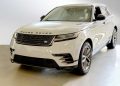
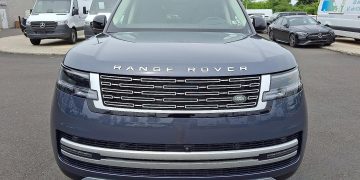
4. Land Rover Range Rover P400e
Land Rover’s Range Rover P400e combines hybrid technology with the luxury SUV’s signature off-road capabilities. This plug-in hybrid electric vehicle (PHEV) offers the off-road prowess of a Range Rover with the efficiency and eco-friendliness of an electric motor. The P400e features a 2.0-liter petrol engine paired with an electric motor, resulting in a combined output of 398 horsepower, allowing the vehicle to reach 0-60 mph in just 5.6 seconds.
The P400e offers the same level of luxury and comfort that Land Rover is known for, with a focus on premium materials, advanced technology, and spacious interiors. The hybrid powertrain also reduces fuel consumption and emissions, making it a step toward more sustainable driving.
Design and Performance: The Balance Between Eco-friendly Technology and High-end Features
As luxury automakers transition to electric and hybrid powertrains, they face the challenge of balancing eco-friendly technology with the high-end features that define the luxury SUV segment. The driving experience, comfort, and design must all meet the demanding standards of affluent consumers, who expect nothing less than perfection.
1. Performance and Handling
Despite the shift to electric and hybrid technologies, performance remains a critical aspect of luxury SUVs. Brands like Tesla, BMW, and Audi have ensured that their electric SUVs maintain exceptional performance characteristics. Electric motors, with their ability to deliver immediate torque, enable faster acceleration and smoother driving experiences compared to traditional gasoline engines.
Moreover, the lower center of gravity that comes with an electric powertrain (due to the battery placement) provides enhanced stability and handling. This results in electric SUVs that feel agile and responsive, even in larger, heavier models. Whether it’s the BMW iX’s dynamic handling or the Tesla Model X‘s ludicrous acceleration, electric luxury SUVs can still offer thrilling driving experiences.
2. Design and Interior
Luxury SUV owners expect spacious, comfortable interiors, and electric vehicles have made it easier for designers to reimagine the cabin space. The absence of a traditional engine and transmission allows for a more flexible layout, resulting in cabins that feel more spacious and better equipped for comfort.
High-end materials such as leather, wood, and metals are still central to the design, and automakers are increasingly incorporating sustainable materials to align with the eco-conscious nature of electric vehicles. Touchscreen infotainment systems, advanced audio systems, and ambient lighting all contribute to an interior that oozes luxury while being fully integrated with the latest technological advancements.
3. Sustainability Meets Luxury
One of the most exciting developments in the electric luxury SUV market is the increasing focus on sustainable production methods. Many luxury automakers are using recycled materials, bio-based plastics, and responsibly sourced materials for the interiors of their electric SUVs. Even the exterior finishes are becoming more eco-friendly, with brands like Tesla using high-strength aluminum for their bodies to minimize weight and improve efficiency.
Future Outlook: What’s Next for Electric Luxury SUVs in 2025?
Looking ahead to 2025, electric luxury SUVs are set to become more mainstream, with new models offering even better performance, longer ranges, and enhanced luxury features. As battery technology continues to improve, the range of electric SUVs will exceed 400 miles on a single charge, making them viable for long road trips.
Automakers will continue to innovate with autonomous driving features, advanced AI integration, and improved connectivity to enhance the driving experience. With more models entering the market, consumers will have a wider selection of luxury electric SUVs to choose from, each offering their own blend of eco-friendly technology and high-end features.
Conclusion: Why Electric Luxury SUVs Are the Future of Sustainable Luxury
Electric luxury SUVs represent the perfect blend of sustainability, performance,
and opulence. As automakers continue to evolve their designs and integrate cutting-edge technology, these vehicles are becoming a symbol of how the automotive industry can address environmental concerns while still providing the luxury and performance that discerning customers expect. With the rapid advancements in electric powertrains, battery technology, and vehicle design, electric luxury SUVs are poised to dominate the market in the coming years, offering the future of sustainable luxury.