














The dream of flying cars has long hovered somewhere between science fiction and futuristic ambition. But as 2030 looms, what was once seen as a Jetsons-style fantasy now has firm footing in engineering labs, startup showrooms, and even investor portfolios. Yet the most provocative question isn’t about whether flying cars can fly—it’s whether they can park themselves squarely in the ultra-competitive luxury mobility market. With prototypes from XPENG AeroHT and PAL-V Liberty gaining attention, and regulatory debates heating up globally, the emergence of flying cars as luxury status symbols may not be far-fetched. It may, in fact, be inevitable.
XPENG AeroHT and PAL-V Liberty: Where Prototypes Meet Lifestyle Design
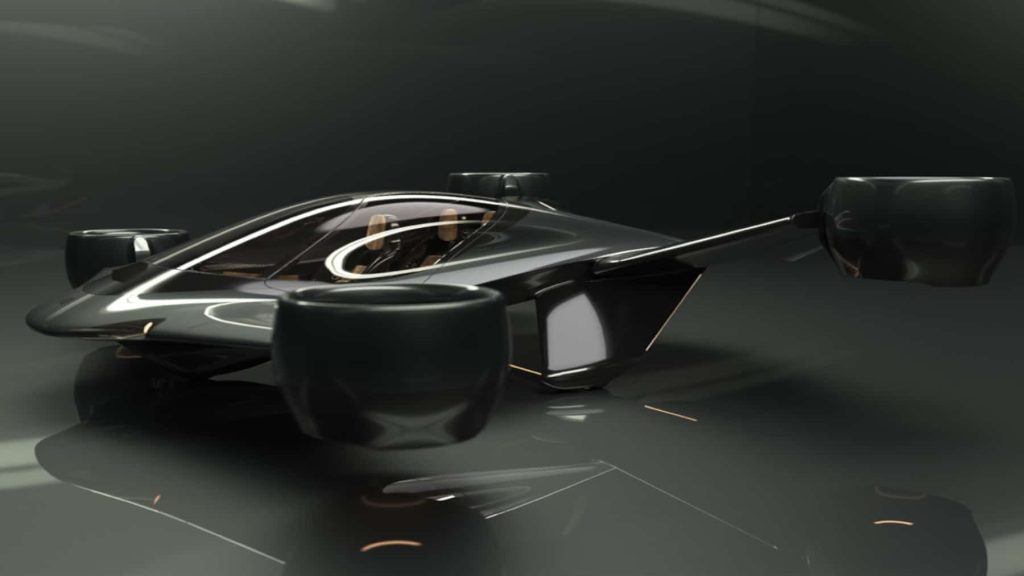
Among the earliest to attract attention from both technologists and high-end consumers is XPENG AeroHT, the air mobility division of China’s electric vehicle unicorn XPENG Motors. Its sixth-generation flying car prototype, unveiled in 2024, features a sleek two-seat cockpit with deployable rotor arms that fold seamlessly into the chassis for road use. Unlike clunky past designs, the AeroHT’s aesthetics wouldn’t look out of place next to a McLaren GT or Bentley Continental in a private garage. With vertical takeoff and landing (VTOL) capabilities powered by a hybrid-electric drivetrain, it boasts both 200 km driving range and up to 50 km flying range—a figure developers aim to triple before 2028.
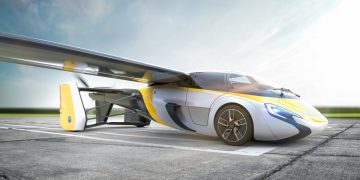
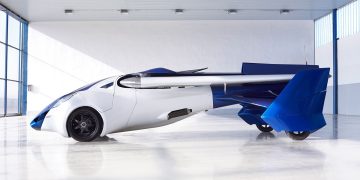
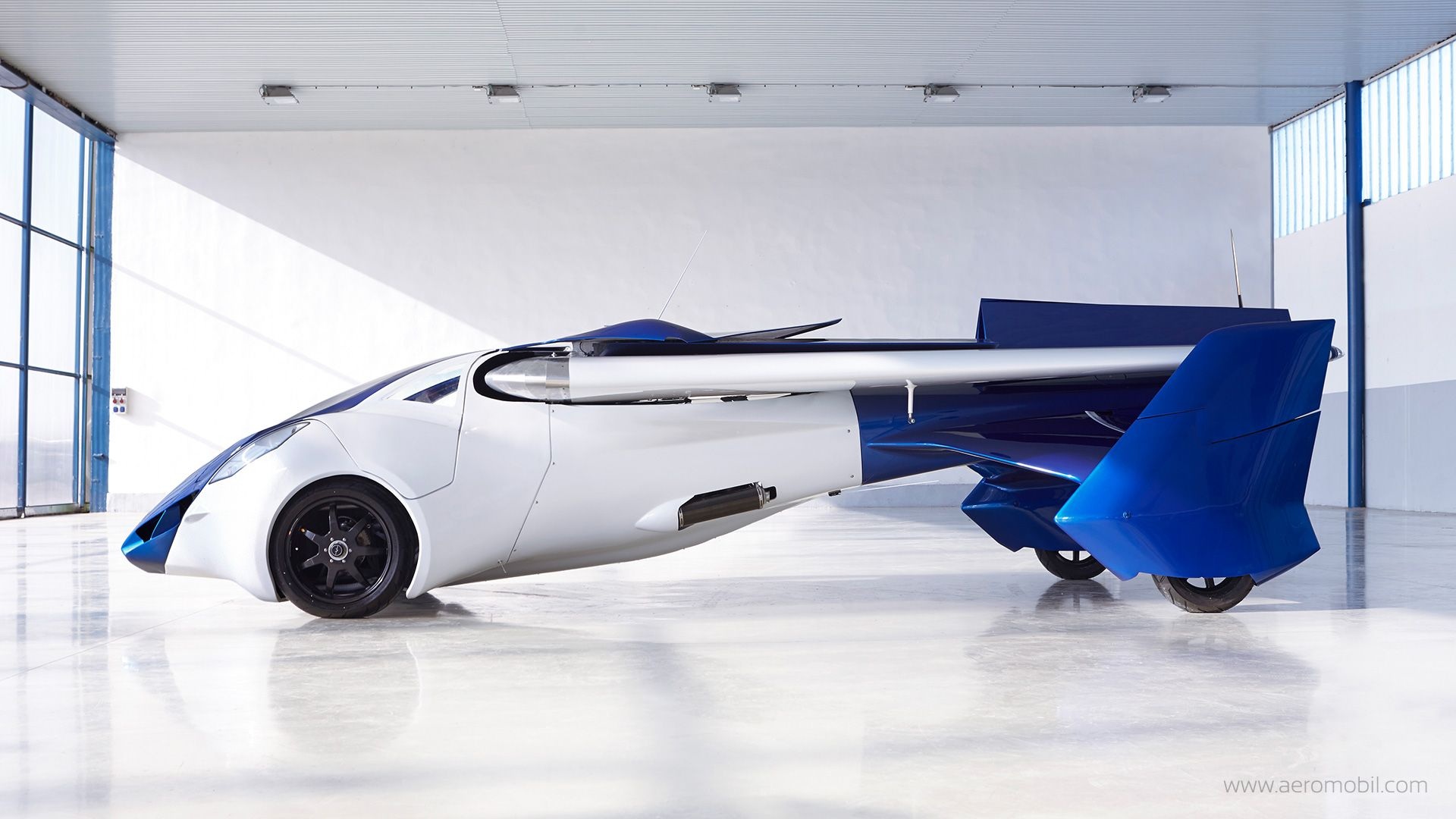
On the Western front, Dutch company PAL-V has taken a decidedly different route. The PAL-V Liberty is a gyrocopter trike with retro-futuristic lines and genuine road certification across multiple EU countries. Unlike XPENG’s focus on autonomous AI-based flight, PAL-V emphasizes pilot engagement and mechanical reliability, tapping into a luxury subculture of aviation-savvy drivers who crave not just mobility but command.
What unites these projects is their pivot toward lifestyle. No longer just engineering demos, flying cars are being positioned as versatile personal vehicles for those who want both exclusivity and function. The leather interiors, intelligent climate control, and infotainment systems integrated into these prototypes hint at a convergence point: one where aviation meets couture.
Will Ferrari, Aston Martin, or Rolls-Royce Enter the Sky?
A question that continues to spark heated debate is whether traditional luxury automakers will enter the flying car race. While companies like Porsche have hinted at sky-based mobility, with their partnership with Boeing on a VTOL concept, none of the traditional European or Japanese luxury marques have formally committed to serial production.
Yet the temptation is hard to ignore. The automotive world thrives on pushing boundaries—be they on Nürburgring lap times, hybrid acceleration, or interior opulence. Imagine an Aston Martin-branded VTOL vehicle styled by the same designers behind the DBS Superleggera, or a Rolls-Royce flying cabin with crystal light panels and starlight roof effects in the sky. The branding possibilities alone are worth billions.
Moreover, luxury is often defined by access, and air mobility opens an entirely new vertical for differentiation. For ultra-high-net-worth individuals, the ability to lift off from a private vineyard in Tuscany and land atop a Manhattan skyscraper without changing vehicles is no longer just a scene from a Netflix thriller—it’s a market waiting to be unlocked. That said, it’s not just style that luxury brands need to master. Safety certification, airspace compliance, and liability in mixed-use urban airspace pose challenges few automakers are currently structured to handle.
Still, brands like Bugatti and Rimac are already dabbling in adjacent fields—battery density research, lightweight composites, and aerodynamics optimization. The leap from hypercar to hybrid rotorcraft may be shorter than the market expects.
Legal Battles Over Airspace and Asphalt
Perhaps the greatest hurdle to flying cars in the luxury market isn’t engineering—it’s regulation. Unlike sports cars, which only need roadworthiness certification, flying cars are subject to the much stricter standards of aviation. This duality creates a complex patchwork of rules, with aviation authorities like the FAA, EASA, and CAAC overseeing airworthiness while local transportation departments govern ground operations.
In urban environments, air corridors will need to be designated for takeoff and landing. Some cities—like Dubai, Singapore, and Los Angeles—are already creating experimental airspace zones for eVTOLs. However, the concept of “vertical ownership” of air rights above private property remains unresolved in most jurisdictions. If a flying car lifts off from your neighbor’s backyard, does it violate your privacy, your property rights, or simply your patience?
Luxury customers, known for their discretion and demand for exclusivity, may hesitate to adopt a vehicle that could become a legal and neighborhood nightmare. Yet, just as electric vehicle charging once seemed like an impossible hurdle, infrastructure could evolve to meet demand. Vertiports—compact, modular takeoff stations—are already in design by firms like Lilium and Uber Elevate.
An even more nuanced issue is the tension between road sovereignty and aerial privilege. Who gets priority in mixed-use emergency situations? If a flying vehicle has road access and air freedom, how do police or rescue teams track it in both spaces? These regulatory ambiguities are why many experts believe the true launch of luxury flying cars won’t be technical, but legal.
The Emotional Appeal: Beyond Utility to Identity
Much of luxury consumption is emotional. A Patek Philippe doesn’t tell better time than an Apple Watch, but it tells a better story. Flying cars tap into this same narrative potential. They signal not only wealth but vision—an early adopter identity that aligns perfectly with the tastes of tech moguls, venture capitalists, and even young heirs building their brands on TikTok and Instagram.
From a prestige perspective, the aerial lifestyle signals freedom, futurism, and control over space. In a world where private jets are increasingly scrutinized for their environmental cost, a hybrid flying car that can take off from your estate and cruise to a private island without fossil fuel reliance holds major social capital.
Expect bespoke versions to follow quickly. Coach-built interiors, branded fragrance systems, biometric start sequences, and custom hull paints are already in proposal stages by design houses that traditionally serve yachting and aviation elites. For the truly opulent, flying cars may even become flying extensions of personal identity—half vehicle, half airborne penthouse.
Are Consumers Ready for a Skyward Luxury Leap?
The early adopters certainly are. In recent surveys targeting the top 1% of global income earners, over 48% expressed strong interest in flying personal vehicles—particularly for bypassing urban congestion. Of those, 62% said they would pay a premium for versions developed by known luxury carmakers rather than tech startups. The brand trust factor remains paramount when the risk involves your physical safety in three dimensions.
However, broader cultural readiness remains in question. While Gen Z embraces vertical mobility as a trope of progress, older consumers accustomed to chauffeur-driven Bentleys may need more convincing. Soundproof cabins, turbulence suppression tech, and white-glove pilot concierge services may become essential in marketing sky-luxury to the traditional elite.
Expect the initial rollout to target gated communities, private resorts, and smart cities with friendly regulatory zones. Island nations and oil-rich enclaves with flat land and expansive skies are already being surveyed as launch hubs. Over time, price points will stratify—leaving room for both the XPENGs and Rolls-Royces of the sky.
Conclusion: The Sky Isn’t the Limit—It’s the Next Showroom
Flying cars are more than a mobility revolution. They are a cultural threshold, challenging our understanding of luxury, identity, and even legality. If XPENG AeroHT and PAL-V Liberty are the blueprints, then the 2030s will see a generation of vehicles that marry engineering precision with brand mythology. And if Rolls-Royce, Ferrari, or Porsche decide to rise above the clouds, it won’t be as a technological novelty—it will be as the new standard of mobility dominance.
The luxury market thrives not only on performance but on possibility. And the possibility of flight—once reserved for aircraft hangars and helipads—may soon reside in your private garage.