







Introduction: Defining Specialty Vehicles—What Makes Them Unique?
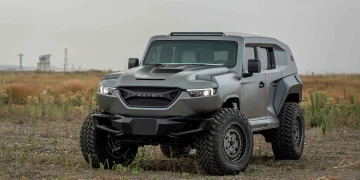
Specialty vehicles are the vanguard of innovation in the automotive industry, often standing as prototypes of the future and embodying the highest levels of technological, aesthetic, and engineering excellence. These vehicles are designed not for mass-market convenience but to fulfill highly specific, often niche needs, offering performance, features, and designs that cannot be found in typical consumer vehicles. From amphibious vehicles capable of transitioning from land to water, to flying cars that promise to redefine urban mobility, specialty vehicles push the boundaries of what transportation can be.
What makes specialty vehicles unique is their ability to combine both cutting-edge technology and often daring concepts that break free from traditional car design. These vehicles represent the bleeding edge of innovation and are usually available in very limited numbers, offering owners a chance to not only own something incredibly unique but to experience the future of transport firsthand.
The luxury specialty vehicle market, in particular, takes these unique designs a step further, blending artistic creativity, advanced engineering, and performance with exclusivity. These vehicles cater to those who can afford both the price tag and the prestige of owning a truly one-of-a-kind mode of transport. As technology advances and consumers seek more exciting, futuristic experiences, the next frontier in luxury specialty vehicles is poised to make waves across industries like aviation, marine transport, and autonomous vehicles.
Innovations to Watch: Amphibious Vehicles, Flying Cars, and Other Futuristic Concepts
The future of luxury specialty vehicles is not just a matter of designing fancier or faster cars—it’s about creating entirely new categories of vehicles that defy conventional boundaries. As a result, several innovative concepts are currently under development that could soon become a reality, completely reshaping the luxury vehicle landscape.
Amphibious Vehicles:
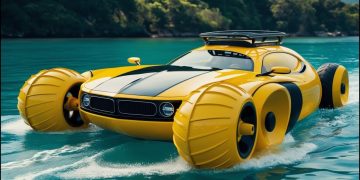
One of the most exciting developments in specialty vehicles is the rise of amphibious vehicles. These vehicles are designed to seamlessly transition from land to water, offering the ultimate in versatility for adventure seekers and luxury enthusiasts. While amphibious vehicles are not new, recent advancements in both automotive and marine technology are giving rise to more sophisticated, streamlined versions that can reach higher speeds on water while maintaining their performance on land.
The amphibious vehicle concept isn’t just about merging two forms of transport. It’s about optimizing each aspect to create a vehicle that excels in both environments. The Rinspeed sQuba, for example, is a fully functional amphibious car that can dive into the water and move like a submarine. With the potential to combine the freedom of road travel with the adventure of water exploration, such vehicles will appeal to those looking for unique ways to experience both land and sea.
In the luxury market, amphibious vehicles could find appeal among yacht owners, explorers, and those living in coastal or waterfront regions. The idea of owning a vehicle that can traverse both the roads and waterways with equal ease is undeniably appealing. As technology improves, expect to see more luxury manufacturers experimenting with designs that offer this dual capability while enhancing performance, comfort, and aesthetics.
Flying Cars:
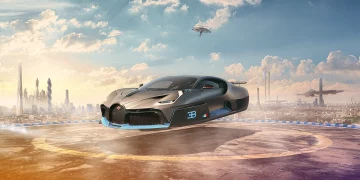
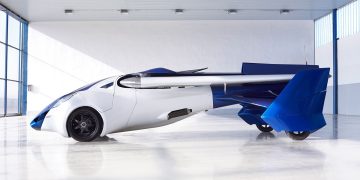
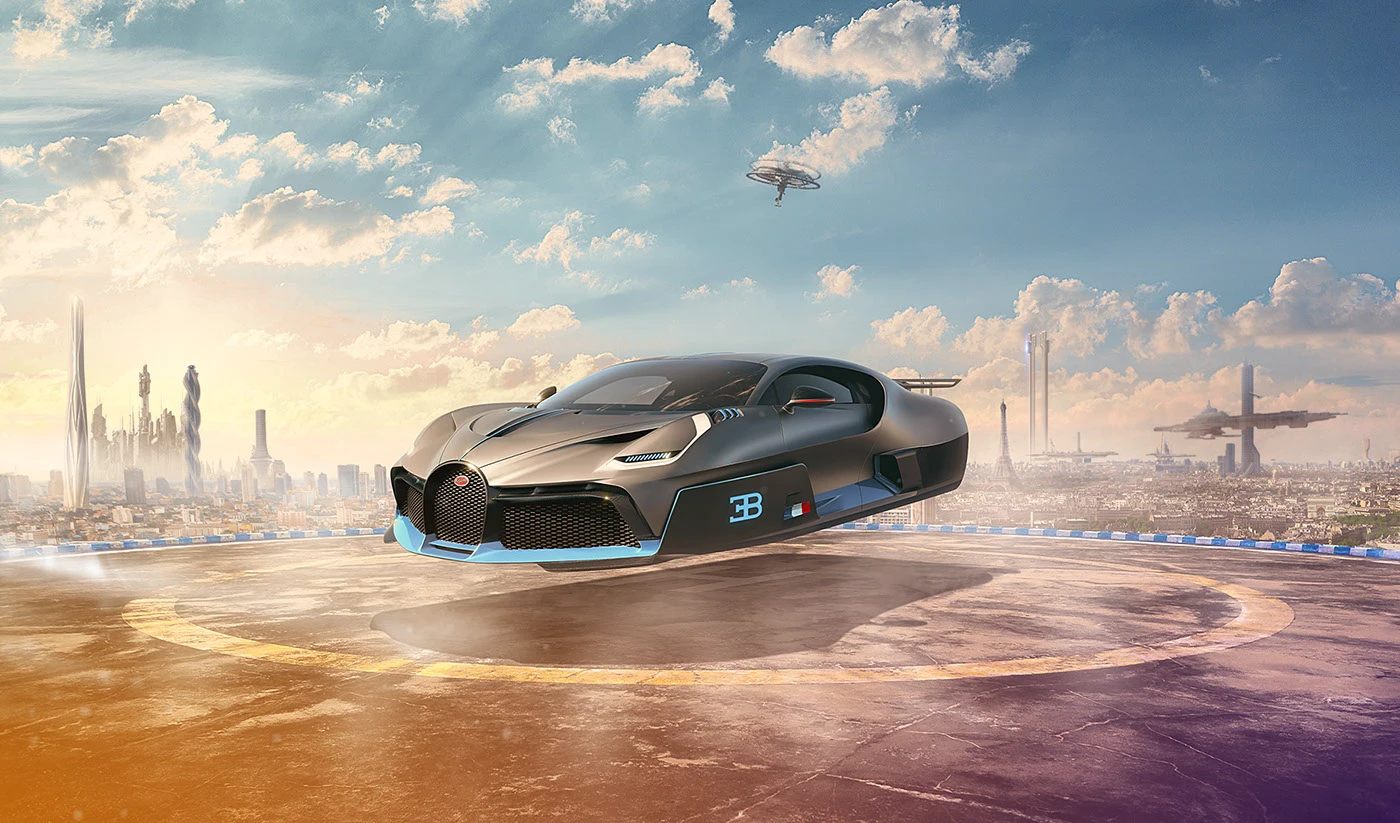
Perhaps the most intriguing of all specialty vehicles are flying cars. The concept of flying cars has been a dream for decades, often depicted in science fiction. However, with rapid advancements in vertical takeoff and landing (VTOL) technology, electric propulsion, and lightweight materials, this dream is getting closer to reality. Companies like Terrafugia (a subsidiary of Geely, Volvo’s parent company), Joby Aviation, and AeroMobil are all working on prototype flying vehicles that promise to revolutionize urban mobility.
Flying cars aim to solve many of the problems that urban commuters face, such as congestion and limited road space. These vehicles would be able to lift off vertically, bypassing traffic altogether and reaching their destination in a fraction of the time. What sets these flying cars apart from traditional aircraft is their design, which is more like a car than an airplane, with the ability to land in smaller spaces, like a parking lot.
In the luxury segment, flying cars could provide a more exclusive means of transportation for executives, celebrities, and the super-wealthy. They could offer quick access to business meetings, private getaways, or remote destinations without the need to deal with traffic or crowded airports. However, regulatory hurdles, infrastructure, and safety concerns will need to be addressed before flying cars can become a mainstream luxury offering.
Autonomous Luxury Vehicles:
In addition to flying and amphibious vehicles, autonomous driving technology is quickly becoming a key focus in the development of specialty vehicles. Autonomous or self-driving cars are already being tested on roads today, but luxury manufacturers are also exploring how these systems can enhance the overall luxury experience. Imagine a fully autonomous vehicle where every detail, from seating to entertainment options, is designed to make the ride as comfortable as possible.
One of the most innovative concepts being explored is the idea of autonomous luxury cars being used as mobile offices or living rooms. These vehicles would allow passengers to relax, work, or even socialize without the need to focus on driving. Companies like Tesla, BMW, and Audi are already leading the charge in autonomous vehicle research, and it’s only a matter of time before we see truly luxury autonomous vehicles on the road, complete with high-end features like augmented reality, voice control, and interactive touch interfaces.
As luxury brands strive to create the ultimate transportation experience, autonomous technology will likely be integrated into a variety of specialized vehicles. For example, autonomous vehicles designed for private use could offer fully customizable interiors that cater to individual needs, whether it’s a business meeting, family outing, or a relaxing retreat from the outside world.
Top Players: Leading Brands Creating Cutting-Edge Specialty Vehicles
Several leading luxury automotive brands are pushing the envelope when it comes to specialty vehicles. From concept cars to fully operational vehicles, these brands are creating some of the most innovative vehicles of the future.
Mercedes-Benz:
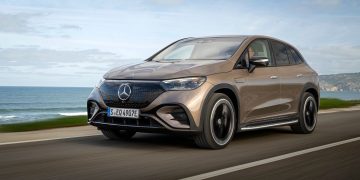
Mercedes-Benz is at the forefront of designing luxury vehicles that push the boundaries of what’s possible. The Mercedes-Benz Vision AVTR is an electric concept car that incorporates biomimicry, offering a glimpse into the future of transportation. While not an amphibious or flying car, it demonstrates the brand’s commitment to pushing the limits of technology and sustainability. Mercedes also leads in autonomous vehicle research, with its EQS electric sedan, featuring highly advanced driver assistance systems.
Terrafugia:
A subsidiary of Geely, Terrafugia has made significant progress in developing flying cars. The company’s Transition is a roadable aircraft that can drive on the road and then transform into an aircraft capable of flight. It’s one of the most notable prototypes that demonstrates the future potential of flying cars, and as technology continues to evolve, Terrafugia’s developments could shape the luxury flying vehicle market in years to come.
Audi:
Audi’s electric flying car, e-tron GT, is still a prototype, but it showcases the brand’s ambitions in the future mobility space. Audi is investing heavily in autonomous driving, EVs, and flying car technologies, and they are expected to be major players as the market matures.
AeroMobil:
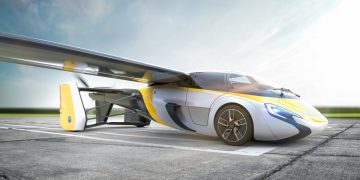
AeroMobil has been working on the concept of a flying car for years. Their vehicle, currently in prototype stage, is designed to convert from a road car to an aircraft, taking advantage of the VTOL technology to launch off the ground. This hybrid car-aircraft promises to make urban flying more accessible to those with the means and desire for such an innovative mode of transportation.
The Technology Driving Specialty Vehicles: A Deep Dive into Flying Technology, Amphibious Designs, and Autonomous Features
The advancements in specialty vehicles are driven by a combination of technologies that enable these vehicles to transcend the limitations of traditional automotive designs. Here’s a look at the key technological innovations that are enabling these futuristic vehicles.
Flying Car Technology:
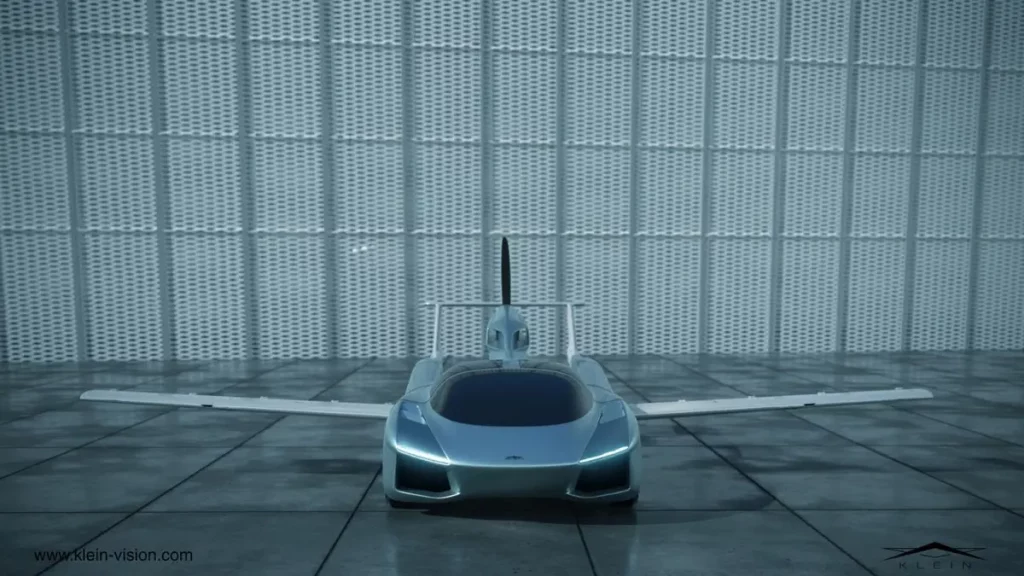
The technology behind flying cars primarily revolves around electric vertical takeoff and landing (eVTOL) systems. These vehicles use a combination of electric motors and battery packs to lift off vertically and hover in place. Some models incorporate traditional wings for horizontal flight, while others, like Joby Aviation’s design, are entirely electric and utilize multiple rotors for vertical lift. These vehicles need advanced battery technology to ensure long flight times and efficiency, and while battery capacity is a limiting factor today, rapid developments in energy storage are expected to address this issue soon.
Amphibious Vehicle Design:
The development of amphibious vehicles requires innovation in both automotive and marine technologies. These vehicles need to be equipped with specialized hulls that are capable of withstanding both land and water-based conditions. Waterproofing, buoyancy systems, and propulsion methods that work effectively on both land and water are key challenges for designers. Companies are also working on hybrid systems that allow amphibious vehicles to offer high speeds on land and water, merging the worlds of cars and boats seamlessly.
Autonomous Features:
The future of luxury specialty vehicles is heavily intertwined with autonomous driving technology. AI, machine learning, and sensors (like LiDAR and radar) are central to autonomous vehicles, allowing them to sense and navigate the world around them. In luxury vehicles, these features are used not only for driving assistance but also to improve comfort, creating customizable cabin experiences based on the needs of the passengers. As self-driving technology advances, we expect to see more luxury vehicles that don’t just drive themselves but can be configured to meet specific needs, such as relaxation or business meetings on the go.
Consumer Interest: Will the Market Embrace These Vehicles in the Next Decade?
Consumer interest in luxury specialty vehicles will undoubtedly continue to grow, but it will depend on several factors. First, the price of these vehicles will remain a significant barrier. Flying cars and amphibious vehicles are currently far beyond the reach of the average consumer, often priced in the range of several hundred thousand dollars or more. As production scales up, costs may come down, but luxury buyers will still be
the primary demographic for these vehicles in the near term.
Second, regulatory hurdles and infrastructure will play a significant role in how quickly these vehicles gain traction. Flying cars, for example, will need to navigate a complex web of airspace regulations and infrastructure requirements, such as landing pads or takeoff zones, which may take decades to develop.
Lastly, consumer interest will depend on how quickly the technology matures and proves itself to be safe, reliable, and practical. Luxury consumers are not just looking for cutting-edge designs—they want a seamless experience that matches the opulence they expect from high-end brands. With increasing technological advances, it’s only a matter of time before these futuristic vehicles become an exciting reality for those willing to embrace the next frontier in luxury transport.
Conclusion: The Future of Specialty Vehicles in the Luxury Segment
As the world moves into a new era of transportation, specialty vehicles stand at the forefront of this transformation. From amphibious vehicles and flying cars to autonomous luxury sedans, the next frontier in luxury specialty vehicles is being shaped by bold new ideas and groundbreaking technologies. Though challenges remain—regulatory, technological, and economic—luxury consumers are ready to embrace the future, and manufacturers are prepared to deliver innovative solutions that meet their needs.
The road to this future may be long, but the ride will undoubtedly be exciting. As we move into the next decade, specialty vehicles will continue to evolve, offering unique, futuristic transportation solutions for the discerning few who can afford to own and experience the very best.