






















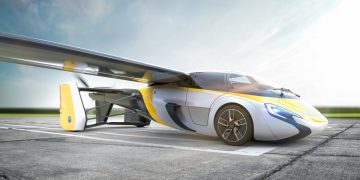

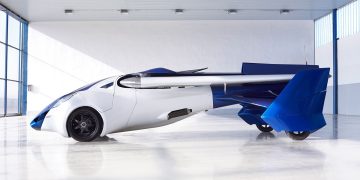
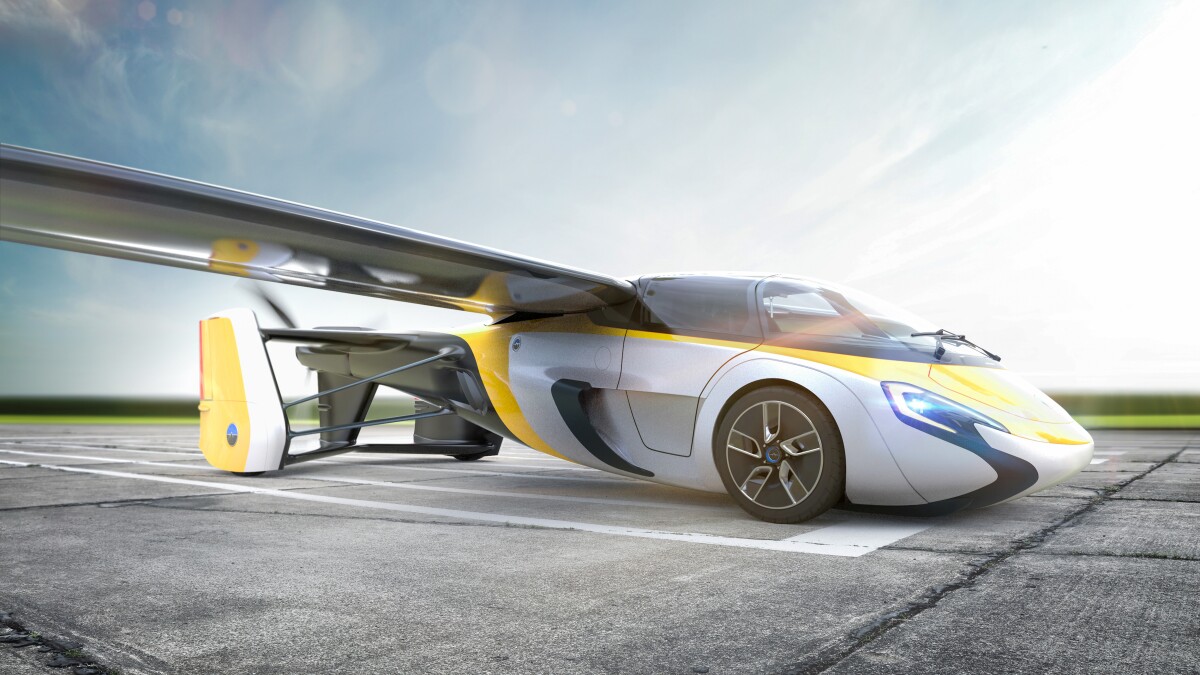
Introduction: What Are Flying Cars and How Do They Work?
Imagine a world where traffic jams are a thing of the past, where you can soar above the congestion and reach your destination in a fraction of the time it would take on the ground. This concept, once relegated to science fiction, is now becoming a reality with the development of flying cars. While it may sound futuristic, flying cars represent the next frontier in personal transportation—offering an innovative solution that blends aviation with automotive technology.
Flying cars, or urban air mobility (UAM) vehicles, are essentially electric or hybrid aircraft designed to carry people from one point to another without the need for traditional road infrastructure. Unlike helicopters or traditional planes, flying cars are typically smaller, more agile, and designed to take off and land vertically (VTOL—Vertical Takeoff and Landing). This allows them to operate in urban environments without the need for lengthy runways.
These vehicles often combine the best of both worlds, offering the convenience of driving a car with the capability of flying like an aircraft. While there are still hurdles to overcome in terms of technology, infrastructure, and regulation, the possibility of flying cars becoming mainstream within the next decade has become increasingly plausible. In particular, the luxury transportation sector stands to benefit the most from these innovations, as the demand for cutting-edge, premium transportation solutions grows.
In this article, we will explore the technological advancements behind flying cars, how they could redefine luxury transportation, the challenges they face, and whether we can realistically expect flying cars to become a common feature of the luxury transportation market by 2025.
Current Developments: The Latest Advancements in Flying Car Prototypes
The idea of flying cars has been around for decades, but only in recent years has the technology evolved to the point where prototypes are becoming a reality. Several companies and startups around the world are working tirelessly to bring these vehicles to life, and the progress has been remarkable.
1. Electric Vertical Takeoff and Landing (eVTOL) Aircraft
At the heart of flying car technology is the eVTOL concept, which enables vehicles to take off and land vertically—making them ideal for urban environments. Unlike conventional helicopters, eVTOL aircraft are typically much quieter, more energy-efficient, and require less space for takeoff and landing. These characteristics make them a perfect candidate for urban air mobility.
One of the most notable players in this space is Joby Aviation, which has developed a fully electric eVTOL aircraft. The company recently completed several successful test flights, demonstrating the feasibility of electric flight in urban environments. The Joby aircraft is designed to carry up to four passengers, has a range of 150 miles, and can reach speeds of over 200 mph. It is also capable of vertical takeoff and landing, allowing it to operate in tight spaces.
Another key company, Terrafugia, a subsidiary of Volvo, has created the Transition, a roadable aircraft that is capable of both driving on the road and flying in the air. While the Transition is not fully electric like the Joby aircraft, it represents an important step in the development of flying car technology, showcasing the ability to combine both ground and air transportation.
2. Urban Air Mobility and Air Taxis
While most flying car prototypes are still in the testing phase, urban air mobility (UAM) is already being trialed in several cities around the world. Companies like Vertical Aerospace, Lilium, and Volocopter are working on flying taxi services that could soon offer passengers the ability to book a ride in the sky much like an Uber or Lyft service.
For example, Lilium has developed an eVTOL aircraft capable of carrying up to five passengers. With a top speed of 185 mph and a range of around 180 miles, the aircraft has the potential to provide an air taxi service between cities, drastically reducing travel time. These companies are also working on creating fleets of flying taxis that could be part of a broader shared transportation ecosystem.
Governments and cities around the world are beginning to see the potential of these new transportation technologies and are working on integrating them into their existing infrastructure. The development of aerial highways and designated airspace for UAM vehicles will play a key role in the widespread adoption of flying cars in the coming years.
Luxury Features: How Will Flying Cars Combine Comfort and Performance?
As flying cars evolve, one of the most exciting aspects will be how they combine luxury features with the unique challenges of flight. After all, these vehicles are not just meant to get people from point A to point B—they will need to offer the highest levels of comfort, design, and performance to meet the expectations of luxury customers.
1. Spacious, Comfortable Interiors
Flying cars designed for the luxury market will need to offer a level of interior comfort that is comparable to high-end vehicles on the ground. While the space available in flying cars is limited, manufacturers are already rethinking the way interiors are designed to maximize comfort.
For example, flying cars will likely feature spacious cabins with plush seating made from premium materials such as leather or high-tech textiles. The seats could be designed to provide optimal support during flight, with reclining options and built-in massage functions for added comfort. Since these vehicles will cater to wealthy consumers, customization options, including personalized interior features such as mood lighting and high-quality sound systems, will be a key part of the luxury experience.
Some flying cars could even integrate advanced technology into the cabin, such as augmented reality windows, which provide passengers with real-time information about the landscape below, as well as entertainment systems that offer seamless streaming during the flight. The goal will be to create an environment that makes the flying experience just as enjoyable as being in a luxury car or private jet.
2. Advanced Performance Capabilities
While flying cars must prioritize comfort, performance will also play a crucial role in their appeal to luxury buyers. Flying cars need to provide smooth, quiet, and stable flight experiences, similar to the way high-end cars offer a smooth ride on the road.
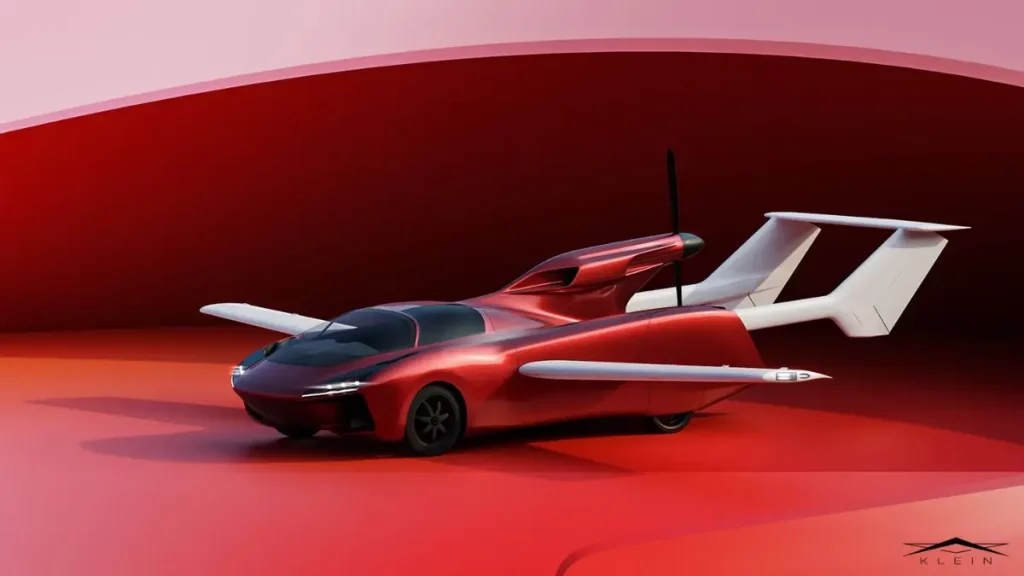
Luxury flying cars will likely be equipped with advanced propulsion systems to ensure efficiency, speed, and stability during flight. Some designs may feature tilt-rotor systems or distributed electric propulsion (DEP), where multiple smaller motors are distributed across the vehicle to offer better control and reliability. This technology will ensure that flying cars can handle turbulence and provide a calm, quiet experience for passengers.
3. Autonomous Flight and Safety
One of the key selling points of luxury flying cars will be autonomous flight. As companies like Waymo (a subsidiary of Alphabet Inc.) are already working on fully autonomous driving technology, flying car manufacturers are also exploring autonomous flight capabilities. The integration of self-flying systems will allow passengers to sit back and relax during their journey, knowing that their flying car will safely navigate through the skies.
Flying cars will also need to meet rigorous safety standards. In addition to collision avoidance systems, flying cars will likely be equipped with redundant systems that ensure the vehicle can safely land in the event of a technical failure. The use of AI-based navigation will also help improve flight safety by continuously monitoring airspace and making real-time decisions to avoid hazards.
Regulations and Infrastructure: Challenges for Mass Adoption
While the potential of flying cars is exciting, there are significant challenges in terms of regulation and infrastructure that need to be addressed before they can become mainstream.
1. Regulatory Approval
The aviation industry is already highly regulated, and flying cars will have to meet a wide range of safety standards before they can take to the skies. Governments around the world are already working with companies to develop regulations for Urban Air Mobility (UAM) vehicles. The Federal Aviation Administration (FAA) in the United States, the European Union Aviation Safety Agency (EASA), and other global regulatory bodies are working to establish clear guidelines for flying car operations, including safety protocols, airspace management, and certification of vehicles.
This process will take time, as new regulations need to be put in place to accommodate these innovative vehicles. One of the key challenges is how to integrate flying cars into existing air traffic control systems. Ensuring the safety of both traditional aircraft and flying cars in shared airspace will require significant advancements in both technology and regulation.
2. Infrastructure Development
For flying cars to become mainstream, the development of infrastructure will be crucial. This includes building vertiports—dedicated landing and takeoff zones for flying cars—and creating a network of air traffic control systems to manage the increasing number of vehicles in the sky. Urban air highways will need to be established to ensure that flying cars can safely navigate between cities without interference from traditional air traffic.
The development of these infrastructures will require significant investment, collaboration between governments and private companies, and careful urban planning. In the early stages, it is likely that flying cars will only be able to operate in specific corridors or regions with the necessary infrastructure in place.
The Potential Market: Who Will Be the Early Adopters?
The luxury flying car market will likely begin with high-net-worth individuals and businesses looking for faster, more efficient ways to travel. Early adopters will likely be wealthy consumers who are willing to pay a premium for the convenience and status that flying cars will offer.
These early adopters may include corporate executives, celebrities, and entrepreneurs who travel frequently for business or leisure. The ability to skip traffic, avoid long delays at airports, and enjoy a personalized, luxury flight experience will be an attractive proposition for this group.
Additionally, companies in the airline and logistics sectors may also be early adopters, using flying cars for premium transport services or time-sensitive cargo deliveries.
Conclusion: Flying Cars—Too Far-Fetched, or the Future of Luxury Transportation?
Flying cars represent an exciting and innovative step forward in the world of luxury transportation. While there are still significant technical, regulatory,
and infrastructure challenges to overcome, the potential for flying cars to revolutionize how we travel is undeniable. By 2025, we may begin to see flying cars taking to the skies in limited numbers, offering affluent consumers a glimpse of the future of transportation.
With advancements in eVTOL technology, autonomous flight systems, and urban air mobility infrastructure, the dream of flying cars may no longer be relegated to science fiction. Instead, they could soon become a symbol of luxury and innovation, offering a new level of convenience, performance, and exclusivity in transportation.
As we look ahead, the question is no longer if flying cars will become a reality, but when—and how soon we can expect to see them taking off from our city streets and into the skies.