


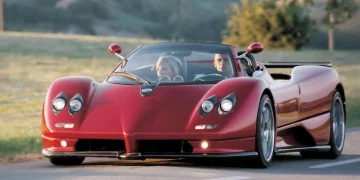










In an era where billionaires are minted by the day and wealth moves faster than design cycles, the hypercar world is facing a unique dilemma: how to stay exclusive when demand is no longer niche. Once the sacred territory of underground collectors and motorsport royalty, hypercars—defined not just by their seven-figure price tags but by their rarity, engineering, and mystique—are now being mass-coveted. The very idea of “limited production” is being stretched thin, especially as brands like Bugatti, Koenigsegg, and Pagani attempt to walk the fine line between artistry and scalability.
As luxury buyers evolve from purist collectors to public-facing status seekers, the tension grows. What was once an intimate celebration of mechanical excellence has become a global flex, shared across TikTok, Instagram, and elite car rallies. Can hypercars still retain their mythical aura in a world where more billionaires want one than the brands are willing—or able—to produce? Or are we watching the slow democratization of a once sacred automotive tier?
Let’s explore this paradox through the lens of production growth, buyer psychology, and the tightrope brands now walk between cultural immortality and economic inevitability.
The Paradox of ‘Limited’ in a World of Infinite Capital
For decades, hypercars have existed in scarcity. Think Ferrari F40, McLaren F1, Bugatti EB110—models produced in tiny numbers, often by boutique teams. They were machines that challenged physics and provoked awe, built more for the track than public roads, and sold only to a curated few. Scarcity wasn’t just a byproduct—it was part of the value.
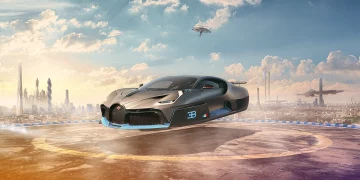
But in today’s hypercapitalist landscape, scarcity is harder to maintain. Consider Bugatti’s Mistral—a 1,578-horsepower roadster capped at 99 units, each priced around $5 million. Orders sold out before production even started. In any other era, that figure would be breathtaking. But in 2025, it prompts a different reaction: only 99?
There are now over 2,500 billionaires globally, not counting tens of thousands of ultra-high-net-worth individuals capable of acquiring hypercars. As wealth grows, so does the appetite for products that represent the pinnacle of engineering and aspiration. The math becomes impossible: too many wallets for too few vehicles.
Some brands have responded by slightly increasing production runs while still marketing models as limited. Others have offered ultra-custom versions or “track-only” variants of existing cars to create further exclusivity without diluting the core product. But the paradox persists: the more people can afford a hypercar, the harder it becomes to keep hypercars rare.
From Collector’s Code to Social Signal
The buyer of 2005 isn’t the same as the buyer of 2025. The old hypercar customer was likely a discreet collector, someone who viewed their cars as part of a long-term investment strategy or as artistic mechanical statements. These buyers rarely publicized their collections and often prioritized provenance, originality, and connection to motorsport heritage.
Today’s hypercar buyer is more public, more performative, and more driven by visibility than legacy. Influencers, crypto millionaires, esports champions, and tech unicorn founders aren’t just buying hypercars to store in humidity-controlled garages—they’re driving them, filming them, wrapping them in neon, and displaying them on social media for millions to see.
This shift has turned hypercars into:
- Social status markers: A Pagani Huayra Roadster or Rimac Nevera on a TikTok reel signals not just wealth, but digital relevance.
- Event currency: Owning a limited-edition McLaren Sabre gets you into exclusive rallies, fashion parties, and destination events like Supercar Owners Circle.
- Cultural clout tools: Hypercars now appear in music videos, streaming series, and brand collabs—not unlike luxury watches or streetwear once did.
In this environment, exclusivity is no longer defined solely by access. It’s defined by exposure. A car’s value can rise not just through production scarcity but through cultural virality—how often it appears online, how many reposts it garners, and which celebrities are seen with it.
Yet this new exposure also presents a risk. As more people see hypercars, the more common they feel. And that perception erodes the very exclusivity that made them special.
Can Brands Sustain Myth While Scaling?
Luxury carmakers are now in a tricky position. On one hand, they’re being courted by ever-larger customer pools, many willing to pay in full upfront for a place in line. On the other, they face the risk of overexposure, dilution, or worse—commoditization.
Here’s how some top brands are navigating this balance:
- Bugatti continues to lean into history. By retiring the W16 engine with the Mistral and introducing a hybrid V16 for the next chapter, they preserve narrative milestones. Each model represents an era, a chapter in a saga—not just a sales number.
- Koenigsegg uses technological exclusivity. From the Gemera’s camless engine to the Jesko’s record-setting transmission, each car offers something no other manufacturer can replicate. This makes their value intrinsic, not just cosmetic.
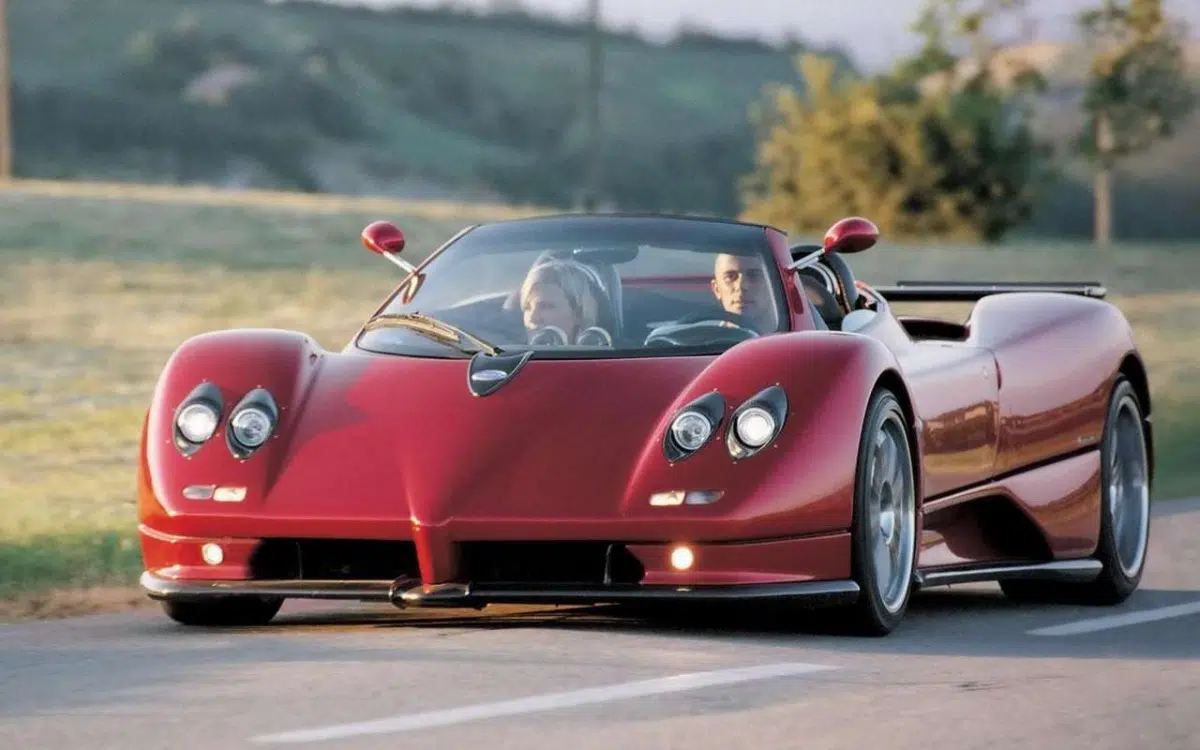
- Pagani focuses on art. Limited runs, obsessive craftsmanship, and design language rooted in the renaissance help position their vehicles as mobile sculptures, not commodities.
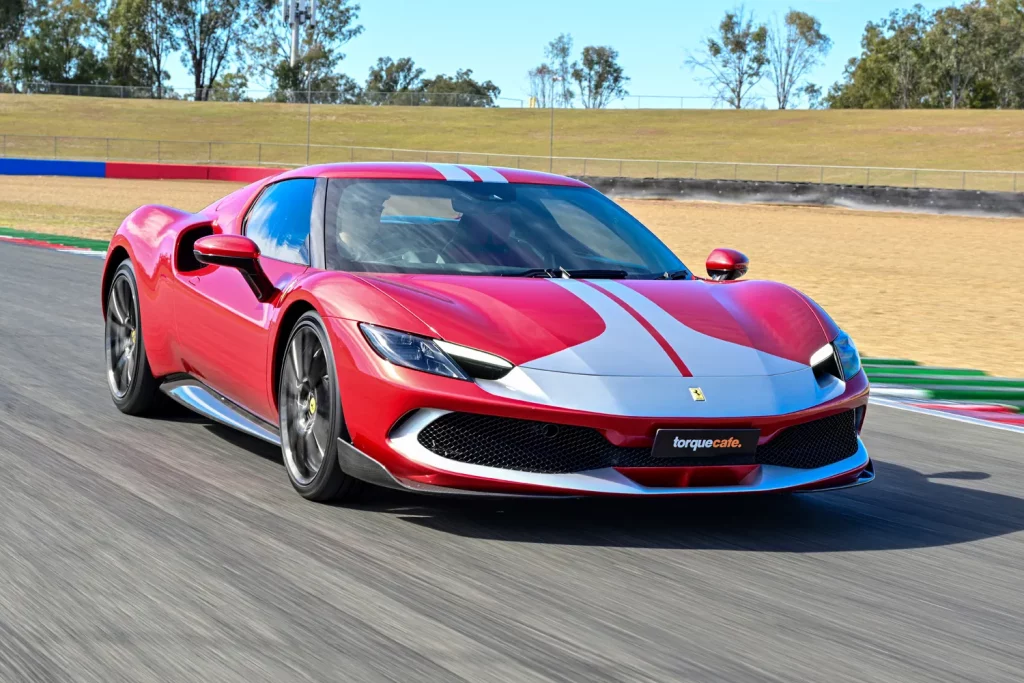
- Ferrari and Lamborghini, though larger, have found ways to keep flagship models rare while offering “gateway exotics” like the Roma or Huracán Tecnica to satisfy broader markets.
The most successful brands embrace multi-tier exclusivity: flagship hypercars remain scarce, while adjacent products—design collabs, experiences, NFTs—let wider audiences participate without damaging the core mystique.
The Dangers of Oversaturation
Still, the risks are real. Some hypercar launches have faced backlash for feeling too opportunistic—too many variants, too little differentiation. When every other collector owns a “limited edition,” the specialness vanishes.
Signs of this fatigue include:
- Hypercar fatigue at car shows: When even regional events feature ten seven-figure cars, the crowd effect dims.
- Flipping scandals: Cars being sold immediately after delivery for a quick profit reflects speculative purchasing, not genuine passion.
- Rising presence of replicas and homage kits: As social media fuels desire, DIY culture creates visual clones, undermining the authenticity of the original.
Brands must tread carefully. Once a car becomes a commodity, it’s no longer a statement. In the luxury space, perception equals value. The mere feeling that a model is “everywhere” can erode long-term desirability—even if the production number remains low.
Redefining Exclusivity for the Billionaire Era
So, can hypercars still be exclusive in 2025? The answer depends on how we define exclusivity.
It’s no longer enough to limit production to 99 units. Exclusivity today must be multidimensional—a combination of rarity, storytelling, customization, access to brand experience, and even digital footprint.
Forward-thinking manufacturers are embracing new strategies:
- Bespoke Configurations: Offering nearly infinite personalization ensures no two units are alike, maintaining uniqueness within scaled runs.
- Experiential Ownership: Inviting owners to test tracks, design labs, or brand summits creates deeper emotional investment and reduces transactional flipping.
- Cultural Seeding: Partnering with musicians, filmmakers, or digital artists allows brands to elevate their cultural profile while keeping flagship models elite.
- Hybrid Collecting: Some hypercar launches now include digital twins (NFTs), interactive configurators, or access to future design projects, making the ownership more layered.
In short, exclusivity is evolving. It’s no longer a fixed number—it’s a lived experience, an emotional narrative, and a feeling of belonging to something unreachable by most.
Conclusion
Hypercars are facing a new test in 2025: remaining elusive while facing unprecedented global demand. With billionaire buyers emerging from every corner of the world and social media pushing visibility to new heights, brands must reimagine how they define scarcity, status, and storytelling.
This doesn’t mean the end of exclusivity. It means exclusivity must become smarter, deeper, and more adaptive. From technological innovation to curatorial ownership, the hypercar’s future depends on its ability to be both seen and rare, desired and untouchable. Because in a world where everyone wants the extraordinary, the real luxury is not what you can buy—it’s what you still can’t.