


















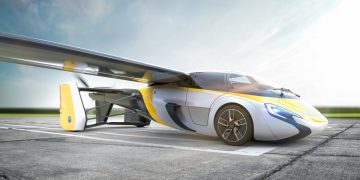
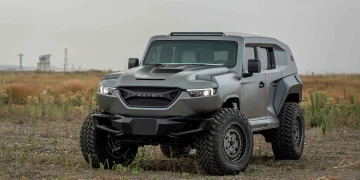
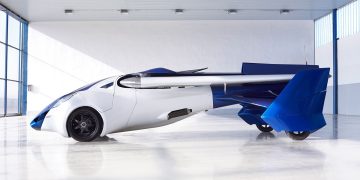
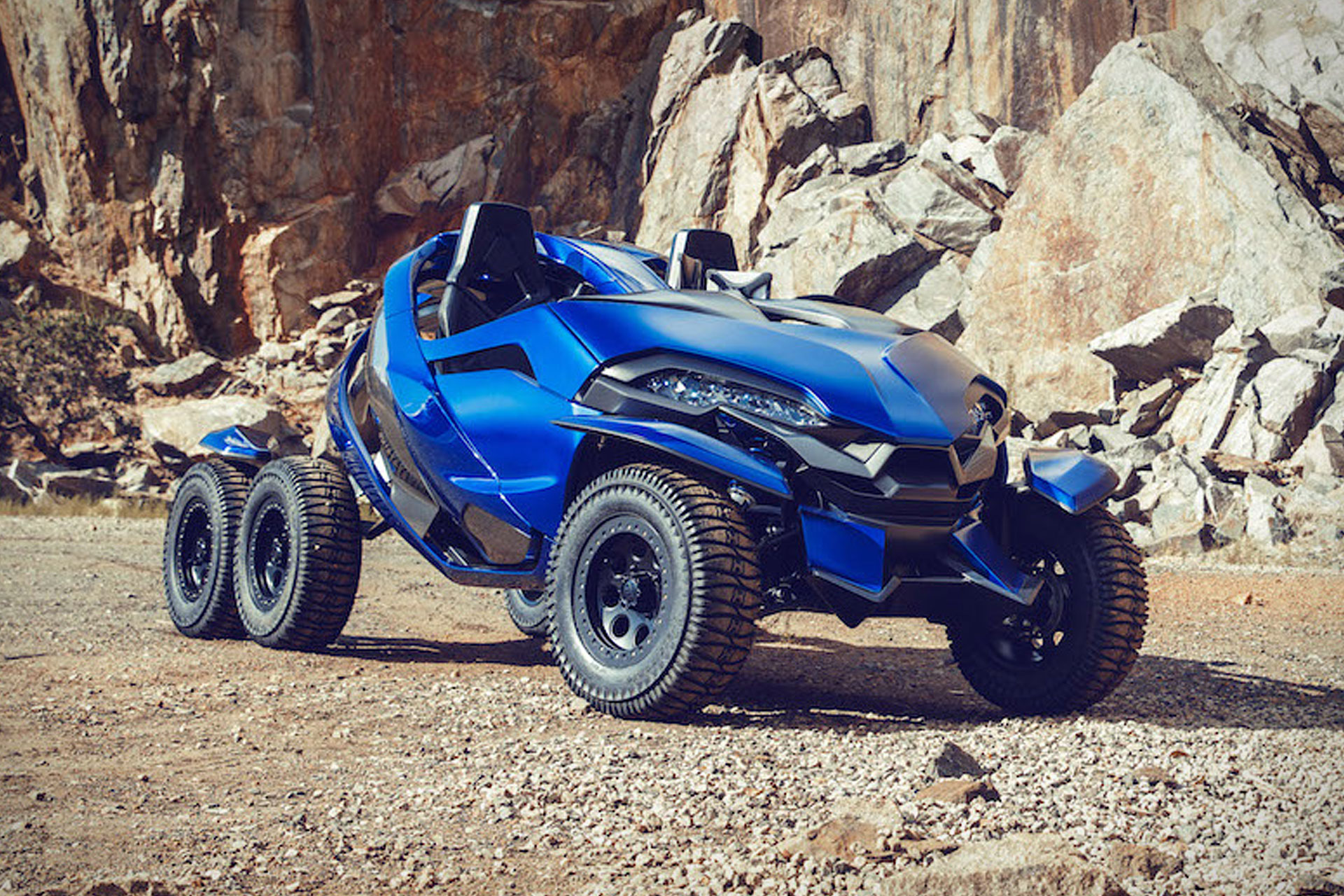
Overlanding, once a niche adventure for rugged enthusiasts, has now gained mainstream appeal as a lifestyle that combines adventure, nature, and exploration. The thrill of venturing off the beaten path, away from the conveniences of urban life, has never been more captivating. As this movement grows, so does the demand for specialized vehicles designed to conquer any terrain, carry supplies, and provide comfort in even the most remote locations. These vehicles, known as specialty overland vehicles, have evolved rapidly in recent years, embracing cutting-edge technology and design to deliver unmatched performance and comfort.
This article will explore the future of overlanding, focusing on the innovative specialty vehicles that are set to redefine the way we approach adventure and exploration. From electrification and self-sufficiency to autonomous technology and sustainability, we’ll look at the trends and advancements that will shape the future of overlanding.
1. The Rise of Overlanding: From Niche Adventure to Mainstream Passion
Overlanding has shifted from a niche pursuit into a mainstream lifestyle choice, thanks to a combination of factors including social media exposure, a growing desire for outdoor experiences, and advancements in vehicle technology. As more people look for ways to disconnect from the digital world and experience the natural beauty of remote landscapes, overlanding has grown into an international phenomenon.
- Social Media Influence: Platforms like Instagram, YouTube, and TikTok have fueled the rise of overlanding by showcasing stunning landscapes and adventurous journeys. Overland influencers and travel vloggers have captivated audiences with their journeys across deserts, forests, mountains, and jungles, inspiring millions to explore these regions themselves.
- Rise of the ‘Work-from-Anywhere’ Culture: The COVID-19 pandemic, which led to a surge in remote working, has contributed to the overlanding trend. Many individuals and families are embracing the freedom that overlanding offers, allowing them to work from anywhere while exploring the world in their specialized vehicles.
- A Desire for Connection with Nature: Overlanding allows adventurers to disconnect from the distractions of modern life and experience nature up close. For many, the appeal lies in the opportunity to camp under the stars, swim in remote lakes, and travel through uncharted lands, all while enjoying the comfort and safety of a well-equipped, purpose-built vehicle.
2. The Evolution of Specialty Overland Vehicles: What Makes Them Different?
Specialty overland vehicles are designed to tackle the challenges posed by off-road terrains, unpredictable weather, and extended trips in remote areas. Unlike traditional off-road trucks or SUVs, these vehicles are built to be fully self-sufficient, offering everything necessary for long-term exploration.
- Off-Road Capabilities: These vehicles are built with extreme off-road capabilities, including larger tires, enhanced suspension systems, and rugged exteriors that can withstand the toughest terrain. With the ability to navigate through sand dunes, mud, rocks, and snow, these vehicles allow travelers to venture into places that would otherwise be inaccessible.
- All-Weather Performance: Overlanding vehicles are designed to handle all types of weather conditions, from extreme heat and cold to rain and snow. Features like advanced climate control systems, insulated cabins, and durable exterior coatings ensure that adventurers remain comfortable and protected, no matter where they travel.
- Self-Sufficiency and Comfort: Perhaps the most defining feature of overland vehicles is their ability to provide everything needed for an extended journey. These vehicles are equipped with features such as solar panels, water filtration systems, onboard kitchens, sleeping quarters, and ample storage for supplies. With these amenities, overlanders can travel for days or weeks without needing to resupply or rely on traditional infrastructure.
- Customizable Interiors: Overland vehicles offer highly customizable interiors, allowing owners to tailor the vehicle to their specific needs. Whether it’s adding additional storage, a pop-up tent, or a built-in workstation, specialty vehicles are designed to be flexible and adaptable to each adventurer’s personal preferences.
3. The Role of Electrification in the Future of Overlanding
As the world moves toward sustainability, overland vehicles are also embracing electrification. Electric vehicles (EVs) have already revolutionized the automotive industry, and now the overlanding world is looking at electric solutions that can take adventurers into the wilderness while reducing their carbon footprint.
- Electric Overland Vehicles: Traditional overland vehicles rely on gas-powered engines, but electric overland vehicles are slowly entering the market. These vehicles feature large battery packs that can power the vehicle for long distances, eliminating the need for fuel stops and reducing emissions. The Rivian R1T and Ford F-150 Lightning are examples of electric vehicles that cater to off-road enthusiasts and offer impressive towing capacities and off-road performance.
- Energy-Efficient Features: In addition to being electric-powered, many overland vehicles incorporate energy-efficient technologies such as solar panels to recharge batteries, water filtration systems powered by solar energy, and LED lighting to conserve power. These features enhance the sustainability of overlanding adventures and allow travelers to remain self-sufficient in remote areas.
- Long-Range EVs for Overlanding: One of the major concerns with electric overland vehicles is range anxiety. Off-road adventures often take place in remote areas where charging infrastructure is scarce. However, manufacturers are working on developing long-range EVs with larger battery packs that can go the distance. With improved range and charging infrastructure, electric overland vehicles are poised to become a popular choice for future adventurers.
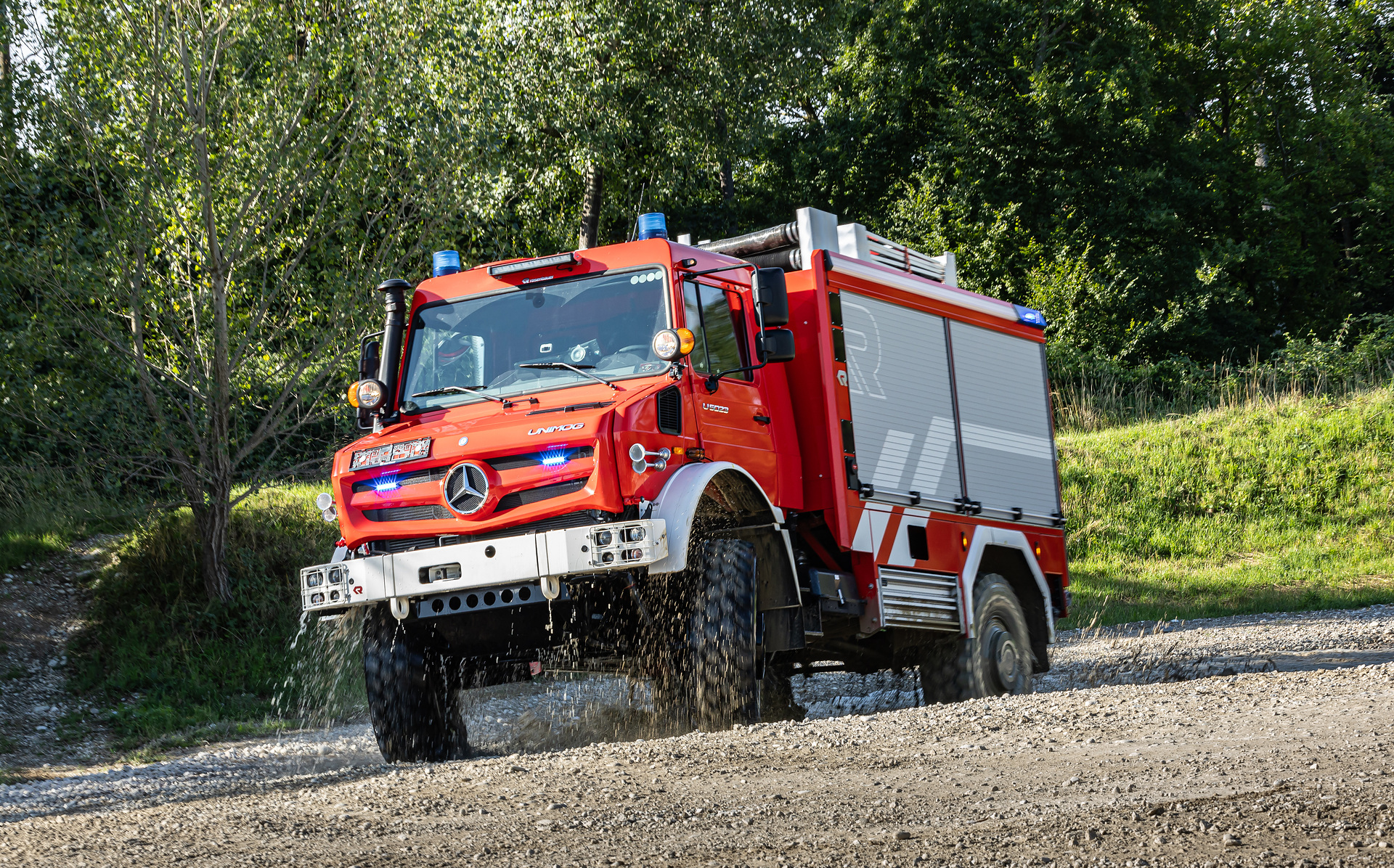
4. Autonomous Technology: A Glimpse into the Future of Overlanding
The integration of autonomous driving technology is another exciting development that could revolutionize the overlanding experience. Autonomous vehicles have already demonstrated their ability to navigate urban environments, but the possibilities for off-road adventures are just beginning to unfold.
- Autonomous Navigation in Remote Locations: Imagine a vehicle that can navigate through dense forests, rocky trails, and even rivers without the driver needing to take control. Autonomous systems can be programmed to recognize different terrain types and obstacles, allowing the vehicle to adapt and select the best route. This technology could allow overlanders to focus more on the experience of their journey while the vehicle handles the navigation.
- Safety and Assistance Features: Autonomous technology could also enhance the safety of overland vehicles. Features such as automatic braking, collision avoidance, and terrain monitoring could prevent accidents and ensure that overlanders stay safe, even in the most challenging environments.
- Driver Assistance Systems: While fully autonomous overland vehicles may not be mainstream for some time, many specialty vehicles already incorporate semi-autonomous driving features such as adaptive cruise control, lane-keeping assistance, and self-parking. These technologies make long overland journeys more comfortable and less stressful.
5. Sustainability in Overlanding: Eco-Friendly Adventures in the Wilderness
Sustainability has become a central concern for adventurers and manufacturers alike. The future of overlanding will see a stronger emphasis on eco-friendly practices and vehicles that allow travelers to explore the wilderness without harming it.
- Eco-Friendly Materials: Overland vehicles are increasingly being built with sustainable materials, such as recycled aluminum, biodegradable plastics, and eco-friendly upholstery. These materials not only reduce the environmental impact of manufacturing but also offer durability and functionality for outdoor adventures.
- Waste Management Solutions: To minimize the environmental footprint, modern overland vehicles are equipped with waste management systems that allow travelers to responsibly handle human waste, garbage, and wastewater while in remote areas. This ensures that overlanders leave no trace and protect the natural landscapes they explore.
- Low-Impact Exploration: Overlanders are increasingly focused on leaving no trace, practicing responsible camping, and respecting the environment. Specialized vehicles now come with eco-conscious features such as composting toilets, water-efficient showers, and energy-saving appliances that ensure minimal impact on the environment during extended trips.
- Sustainable Energy Solutions: Solar power has become a key component of eco-friendly overlanding. Many vehicles are now equipped with solar panels that can recharge batteries, power appliances, and even provide energy for off-grid living. With solar power, adventurers can enjoy a more sustainable and self-sufficient lifestyle, even in the most remote locations.
6. The Future of Overland Vehicle Design: What’s Next?
As the overlanding movement continues to grow, the vehicles of the future will be even more advanced, comfortable, and capable. What does the next generation of specialty vehicles hold for overlanders?
- Modular Designs: The future of overland vehicles may see more modular designs that allow owners to customize their vehicles based on the type of adventure they’re embarking on. For example, modular interiors could allow adventurers to easily swap out components like sleeping pods, kitchen setups, or storage systems to match their needs.
- Increased Connectivity: While overlanding is about disconnecting from the world, it’s also about staying connected when necessary. Future overland vehicles may feature advanced communication systems that allow travelers to stay in touch with family, friends, or emergency services in remote locations. Satellite communication, GPS tracking, and emergency alert systems will be integrated into these vehicles for enhanced safety.
- Hyper-Advanced Terrain-Handling Capabilities: Future vehicles will be able to navigate even more difficult terrains, from the most rugged mountains to extreme desert landscapes. Advances in suspension technology, wheel design, and materials will allow overland vehicles to conquer new frontiers and take adventurers to places that were once considered impossible to reach.
- AI and Predictive Systems: Future overland vehicles may incorporate AI systems that predict and react to changing conditions on the road or trail. AI could analyze terrain, weather patterns, and other factors to optimize the vehicle’s performance, fuel efficiency, and navigation, ensuring a smoother and safer journey.
Conclusion: The Overlanding Adventure Awaits
The future of overlanding is an exciting and dynamic one. Specialty vehicles designed to conquer any terrain, provide self-sufficiency, and minimize environmental impact are at the forefront of this movement. From electrification and autonomous driving to sustainable practices and cutting-edge design, the possibilities for overlanding are limitless. As technology continues to advance, the dream of exploring remote landscapes with the perfect overland vehicle is becoming more achievable than ever. Whether you’re an experienced adventurer or a first-time overlander, the vehicles of tomorrow promise to take you anywhere you’ve ever dreamed of. The road ahead is filled with opportunities to explore the world like never before.