

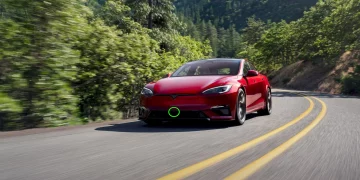



























Owning a sports car is often a dream come true for many car enthusiasts. These high-performance machines are synonymous with speed, luxury, and engineering excellence. Whether it’s a sleek Porsche, a roaring Ferrari, or an agile Lamborghini, sports cars capture the imagination with their thrilling performance and eye-catching design. However, a common concern among potential buyers is the cost of owning and maintaining such vehicles.
The question remains: does purchasing a sports car mean that you will be required to pay exorbitant maintenance fees? While sports cars undoubtedly come with higher purchase prices and more expensive insurance premiums compared to regular vehicles, maintenance costs also tend to be higher. However, several factors determine how much it will actually cost to maintain a sports car, and understanding these elements can help potential owners manage expectations and plan accordingly.
1. The Cost of Parts and Components
One of the most significant factors influencing the maintenance costs of sports cars is the price of replacement parts and specialized components. These parts are often more expensive than those found in regular vehicles due to their advanced engineering, material quality, and rarity.
High-Performance Parts:
- Sports cars are equipped with specialized components designed to handle the extreme performance demands of these vehicles. High-performance tires, brake pads, suspension systems, and exhaust systems are engineered to deliver maximum performance, but they tend to be pricier than standard parts. For instance, the tires on a supercar, such as a Ferrari 488, can cost thousands of dollars per set. Brake pads on performance vehicles like a Porsche 911 are also significantly more expensive due to the higher materials used and their ability to handle the extreme speeds and braking forces.
Engine and Transmission Maintenance:
- The engine and transmission of a sports car are typically built with high tolerances for power and speed. As such, they often require more specialized maintenance. For example, Ferrari or Lamborghini engines are crafted from top-quality materials that need expert care to maintain their performance. This can include regular oil changes, inspections of engine internals, and cooling system checks, all of which can be more expensive than those required for a regular vehicle.
Rare and Custom Parts:
- If you own a rare or exotic sports car, you may also face challenges in sourcing parts. For example, some supercars have bespoke components that are not easily found in local parts stores, requiring special orders from the manufacturer or specialized dealerships. This can significantly increase repair and maintenance times, leading to higher costs.
2. Labor Costs: Specialized Technicians and Service Centers
Maintaining a sports car often requires highly specialized mechanics with experience in high-performance vehicles. The technicians who work on these cars must be trained to handle the unique demands of sports car maintenance, which can significantly raise the labor costs.
Certified Dealerships and High-Expertise Service Centers:
- Supercars like Aston Martin, Bugatti, or McLaren typically require service from certified dealerships or specialized service centers, which tend to charge more for labor. These service centers employ highly skilled technicians who have undergone specialized training to work on these complex machines. While this ensures that the car is being cared for by experts, it also means that their services come at a premium.
Frequent Maintenance Intervals:
- Sports cars often have more frequent maintenance intervals than regular vehicles. The need for more regular oil changes, tire rotations, brake inspections, and fluid checks can add up. For instance, high-performance oils and synthetic lubricants for sports car engines can cost more than conventional oils, and sports cars may require more frequent changes due to the stress placed on their engines.
3. Reliability and Durability Factors
The inherent nature of sports cars—focused on speed, agility, and performance—means they are often built with lightweight materials and specialized components that might not be as durable as those used in more mass-market cars. This can make them more prone to wear and tear, especially when driven at high speeds or on less-than-ideal road conditions.
Wear and Tear:
- Supercars are built for performance, not necessarily for everyday practicality. As a result, some components might experience accelerated wear when used for daily driving or when pushed to their limits on the track. The brakes, tires, suspension, and clutch are all components that can wear out more quickly due to the high stresses they endure, and replacing them can be costly.
Potential for Expensive Repairs:
- While many high-end sports cars are incredibly reliable, their complexity means that, in the event of a breakdown, repairs can be costly. Parts may not be readily available, and complex diagnostics can increase the labor required to address issues, which results in higher repair bills. For instance, fixing an engine in a Porsche 911 Turbo or a McLaren 720S may cost tens of thousands of dollars depending on the extent of the damage.

4. Insurance and Warranty Costs
The maintenance of a sports car isn’t just about repairs and regular checkups—it also involves understanding the insurance and warranty costs that can add to the overall ownership expense.
High Insurance Premiums:
- Due to the high value, performance capabilities, and repair costs associated with sports cars, insurance premiums for these vehicles are often much higher than those for standard vehicles. Supercars, for example, have expensive replacement costs and are considered higher-risk vehicles due to their speed. This can translate into premiums of several thousand dollars per year, depending on the car’s make, model, and the driver’s profile.
Limited Warranty Coverage:
- Many sports car manufacturers offer limited warranties that cover the cost of some repairs and maintenance for a certain period, typically ranging from three to five years. However, after the warranty expires, owners may be responsible for paying for repairs out of pocket. Extended warranties or service plans may be available but can add significant upfront costs.
5. Fuel Costs and Efficiency
While this may not strictly fall under “maintenance,” it’s worth noting that sports cars are generally not known for their fuel efficiency. Sports cars typically have powerful, fuel-hungry engines that are built for performance, which means they consume more fuel than regular vehicles. This can add to the overall cost of owning and maintaining a sports car, especially if you plan on using the car frequently.
High-Performance Fuel:
- Many sports cars require premium or high-octane fuel to perform at their best, and this type of fuel is significantly more expensive than regular unleaded fuel. For example, cars like the BMW M5 or Audi R8 require premium fuel, and frequent refueling with high-octane fuel can lead to higher overall fuel costs over time.
Fuel Consumption and Driving Style:
- Sports car drivers often engage in spirited driving, which can further reduce fuel efficiency. Aggressive acceleration, high-speed driving, and heavy braking are all characteristics of sports car driving, and they can quickly deplete fuel reserves, making sports car ownership more costly when it comes to daily driving.
6. Depreciation and Resale Value
Sports cars tend to depreciate faster than regular vehicles, particularly if they are not well-maintained or if they are driven hard. The depreciation rate can impact the overall cost of ownership, although some rare, limited-edition supercars may hold or even appreciate in value over time.
Depreciation:
- High-performance cars tend to lose their value more quickly than other vehicles. While luxury brands like Ferrari or Lamborghini may maintain a higher resale value, models that are more mass-produced may see significant depreciation after just a few years. This means that while you might enjoy the car’s performance and thrill, it may not be a sound financial investment in terms of long-term value retention.
Conclusion:
Owning a sports car does often come with high maintenance costs, but these costs are not necessarily as prohibitive as many would expect. A combination of factors—including the car’s complexity, the price of replacement parts, labor costs, and the need for specialized service—can drive up maintenance expenses. However, it’s important to note that the specific make and model of the sports car plays a significant role in determining these costs. Some sports cars are relatively more affordable to maintain than others, and some may come with warranties and service packages that can mitigate expenses.
Moreover, by following proper maintenance schedules, using high-quality parts, and avoiding aggressive driving habits, owners can minimize some of the costs associated with maintaining a sports car. Ultimately, owning a sports car requires careful financial planning and an understanding that, while the initial purchase price might be high, the long-term costs are manageable with the right approach. If you’re ready to embrace the excitement of owning a high-performance vehicle, being prepared for maintenance costs will ensure you get the most enjoyment without any unpleasant surprises.