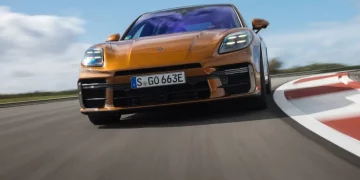
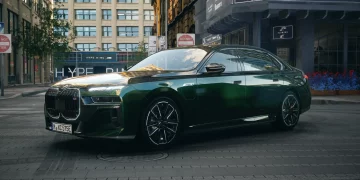
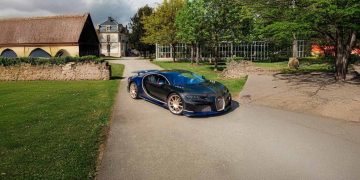
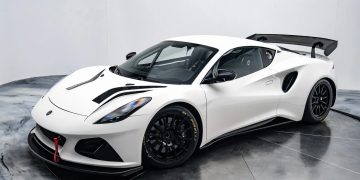

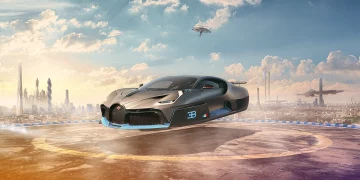

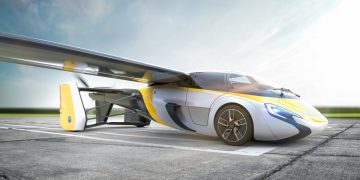
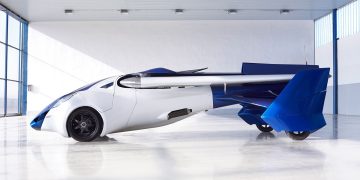
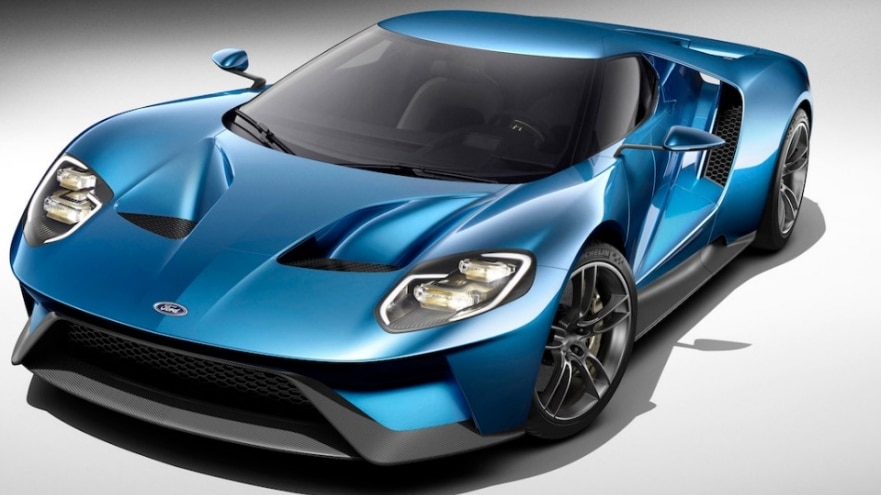
Supercars have long been a symbol of automotive engineering prowess, representing the pinnacle of performance, speed, and luxury. These high-performance vehicles, such as Ferrari, Lamborghini, and Bugatti, have been designed with internal combustion engines that produce immense power and thrilling driving experiences. However, with the growing push toward sustainability, the automotive industry is rapidly evolving, and the future of supercars is set to be electrified.
Electric vehicles (EVs) have already begun to make waves in the automotive world, with more mainstream manufacturers like Tesla, Audi, and Porsche leading the charge in bringing electric powertrains to the mass market. But what about the high-end, high-performance world of supercars? Will they follow suit? The short answer is yes—future supercars will increasingly integrate electric technology. However, this integration will not only involve simply swapping out internal combustion engines for electric ones. Instead, the fusion of cutting-edge electric technology with the traditional supercar experience will redefine what it means to own, drive, and experience a supercar.
In this article, we will explore how future supercars are likely to incorporate more electric technology, the benefits and challenges of doing so, and what this shift means for the future of high-performance driving.
1. The Rise of Hybrid and Fully Electric Supercars
The concept of hybrid supercars is already here, with models such as the Ferrari SF90 Stradale and the McLaren P1 showcasing how electric motors can enhance the performance of traditional internal combustion engines. These hybrid supercars combine the best of both worlds—an internal combustion engine for high-speed power and an electric motor for torque and efficiency at lower speeds.
Hybrid Supercars:
- Hybrid technology is already a natural fit for supercars. By combining electric motors with gasoline engines, automakers can achieve remarkable performance gains without compromising the driving experience. Hybrid supercars, like the Ferrari SF90 Stradale, combine a 4.0-liter twin-turbo V8 engine with three electric motors, offering a total output of 1,000 horsepower. This combination provides incredible acceleration and performance, while also delivering improved fuel efficiency and lower emissions compared to traditional combustion engines.
- The advantages of hybrid powertrains are clear: they offer instant torque delivery from the electric motors, providing smoother acceleration and faster throttle response. The electric motors can also be used to boost the performance of the internal combustion engine, helping to improve lap times and handling on the track.
Fully Electric Supercars:
- However, it is the fully electric supercar that has captured the attention of enthusiasts and industry experts alike. With advancements in battery technology, electric motors have become more powerful, efficient, and lighter than ever before, enabling the creation of fully electric supercars that rival their gasoline-powered counterparts in terms of speed and performance.
- Companies like Rimac, Porsche, and Tesla have already demonstrated the potential of electric technology in supercars. The Rimac C_Two, for example, boasts over 1,900 horsepower, a top speed of 258 mph, and the ability to accelerate from 0 to 60 mph in just 1.85 seconds. This level of performance is made possible by its fully electric powertrain, which is not only faster but also incredibly efficient.
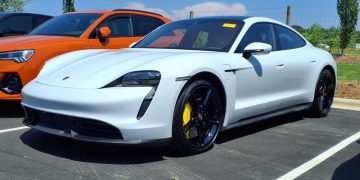
- Similarly, Porsche’s fully electric Taycan Turbo S has proven that electric vehicles can not only be fast but also maintain a high level of driving engagement and track capability. The Taycan is already considered a performance vehicle in its own right, and it’s just the beginning of Porsche’s electrification journey.
2. Electric Motors and Instant Torque for Unmatched Performance
One of the key advantages of electric technology in supercars is the way electric motors deliver power. Unlike internal combustion engines, which require revving to build power, electric motors provide instant torque, resulting in faster acceleration and a more exhilarating driving experience.
Instant Torque Delivery:
- In electric supercars, the electric motor delivers maximum torque the moment you press the accelerator, offering a level of responsiveness that traditional engines cannot match. This means electric supercars can accelerate from 0 to 60 mph in record time, with some models already achieving sub-2-second times.
- For example, the Rimac C_Two, with its four electric motors (one for each wheel), offers impeccable power delivery, which allows it to accelerate faster than any petrol-powered supercar currently on the market. This instant power delivery also improves handling, as electric motors can provide precise torque vectoring to each wheel, enhancing stability and cornering performance.
Regenerative Braking:
- Electric vehicles also utilize regenerative braking, which recaptures kinetic energy that would otherwise be lost during braking and stores it in the battery. This process not only improves efficiency but also offers enhanced control during braking, especially when driving at high speeds or during track performance. The use of regenerative braking can make a significant difference in how an electric supercar handles corners and decelerates at high velocities.
3. Advanced Battery Technology for Range and Performance
One of the challenges that electric vehicles face is battery range. While electric cars have made great strides in terms of range, high-performance supercars demand even more advanced battery technology to support extended driving times and track days.
Battery Energy Density and Charging Speed:
- Future supercars will need batteries with higher energy densities to provide the range required for both road trips and track performance. Currently, most high-performance electric cars struggle to match the range of their gasoline-powered counterparts, but advances in battery technology will likely solve this issue.
- Solid-state batteries are one of the most promising innovations on the horizon. These batteries promise to offer greater energy density, faster charging times, and improved safety over traditional lithium-ion batteries. If these batteries become commercially viable, they could revolutionize the electric supercar market, providing extended range without adding excessive weight.
Ultra-Fast Charging:
- Another key challenge for electric supercars is charging speed. While some electric vehicles can be charged relatively quickly using DC fast chargers, supercars demand even more speed, especially for those who use their cars for track days or long-distance drives. Automakers are working on ultra-fast charging technologies that would significantly reduce charging times, potentially allowing a supercar to be fully charged in under 30 minutes.
- Porsche’s development of the 800V architecture in the Taycan allows for incredibly fast charging, and it’s expected that this technology will be further refined in future electric supercars. Tesla’s Supercharger network is also evolving to handle faster charging speeds, which could play a significant role in making electric supercars more convenient for long drives.
4. Aerodynamics and Lightweight Construction in Electric Supercars
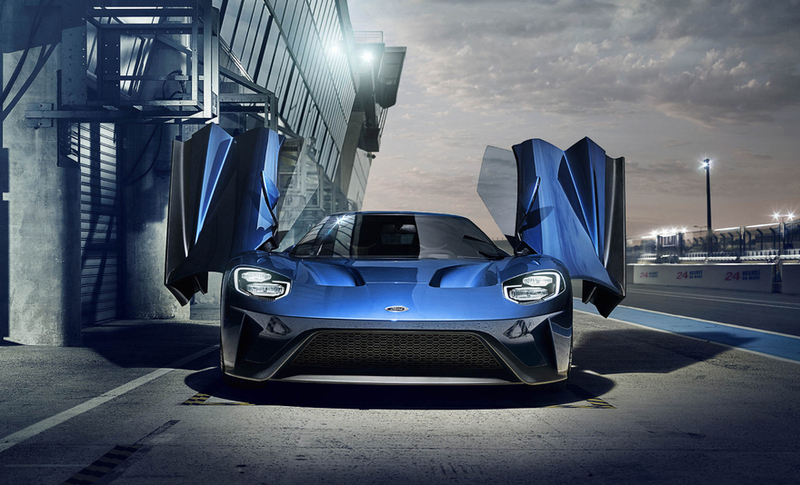
To maintain the performance characteristics of traditional supercars, electric supercars will need to incorporate advanced aerodynamics and lightweight materials. These technologies will ensure that the car remains nimble, agile, and responsive while still benefiting from the power of electric motors.
Lightweight Materials:
- Electric supercars will increasingly rely on lightweight materials like carbon fiber, aluminum, and titanium to reduce the overall weight of the vehicle. A lighter car means less energy required to propel it, which improves efficiency and performance. The use of lightweight materials will also help offset the added weight of the battery pack, which is one of the heaviest components of an electric vehicle.
- Manufacturers like McLaren and Ferrari already use carbon fiber extensively in their supercars, and this trend will only continue as electric supercars become more prevalent. The use of these materials will not only improve performance but will also allow for a more aggressive design, with sleek, aerodynamic shapes that reduce drag and improve efficiency.
Active Aerodynamics:
- Active aerodynamics will play an increasingly important role in electric supercars. These systems use sensors to detect the vehicle’s speed and adjust aerodynamic components like spoilers and air vents to optimize downforce and drag. For example, the McLaren Speedtail uses active aerodynamics to reduce drag at high speeds and improve stability. This technology will be crucial for electric supercars, ensuring that they maintain the same high-speed stability as traditional supercars while reducing energy consumption.
5. The Sound of the Future: Artificial Engine Sounds
One of the most iconic aspects of a traditional supercar is the engine’s roar—a sound that evokes power, speed, and emotion. With the rise of electric supercars, the absence of an internal combustion engine means that this signature sound will be lost. However, automakers are developing ways to replicate the thrilling noise of a supercar through artificial sound technology.
Artificial Engine Sound:
- Some electric supercars already use speaker systems to emit engine-like sounds, providing drivers with the emotional experience they expect from a high-performance car. Porsche’s Taycan, for example, offers an artificial engine sound that mimics the performance-oriented exhaust growls of a traditional sports car.
- In the future, it’s likely that manufacturers will further refine this technology, allowing for customizable sounds that enhance the driving experience. Whether it’s a throaty V8 roar or a futuristic electric hum, the sound of the future supercar will be engineered to deliver the sensory excitement that enthusiasts crave.
6. The Future of Driving Experience: Autonomy and Connectivity
While performance and speed will remain at the heart of electric supercars, the future will also bring enhanced connectivity and autonomous driving capabilities. These technologies will allow owners to enjoy a new level of convenience and functionality.
Autonomous Capabilities:
- Some manufacturers are already integrating autonomous driving technologies into their cars, and future electric supercars may feature semi-autonomous or fully autonomous driving capabilities. These systems could be useful for highway driving, allowing the car to take over during long-distance travel and then offer the driver full control when it’s time for performance driving.
- Autonomous systems could also be used in track scenarios, with vehicles being able to optimize their performance for lap times or adjust for track conditions in real-time.
Advanced Connectivity:
- As electric supercars evolve, they will become even more connected to the digital world. Features like real-time performance data tracking, remote diagnostics, over-the-air software updates, and integration with smart home systems will become standard. Future owners will be able to interact with their supercars in new ways, enhancing both the driving experience and overall convenience.
Conclusion: The Electrified Future of Supercars
The future of supercars is undeniably electric. As technology continues to advance, the integration of electric powertrains into high-performance vehicles will redefine what we know about supercars. From hybrid models to fully electric hypercars, the future will see an unprecedented blend of cutting-edge electric technology with the thrill of speed, agility, and luxury.
While challenges such as battery technology, charging infrastructure, and the preservation of traditional supercar sounds remain, the shift towards electric supercars is inevitable. These vehicles will offer not only faster acceleration, more precise handling, and innovative features, but they will also be kinder to the environment—a key consideration in the future of the automotive industry.
Electric supercars are not a distant dream but a rapidly approaching reality. For enthusiasts, this shift represents a new era of automotive innovation, where performance, sustainability, and technology seamlessly converge. The question is no longer whether electric supercars will dominate the future—it’s how soon we’ll get to experience them.