


























Sports cars have long been synonymous with exhilarating speed, exceptional handling, and an overall thrilling driving experience. With their sleek designs, powerful engines, and finely tuned performance features, these vehicles provide an emotional connection to driving that is hard to match. For many, owning a sports car is the ultimate dream, symbolizing luxury, freedom, and raw power on the open road.
However, when considering the practicality of sports cars for the average consumer, one must ask: Can the driving experience of sports cars actually meet the everyday needs of ordinary drivers? While sports cars offer unmatched performance and excitement, they are often perceived as impractical for everyday use. In this article, we will explore whether the driving experience of sports cars can truly align with the needs and expectations of regular consumers, looking at aspects like comfort, practicality, cost, and accessibility.
1. Performance vs. Everyday Driving Needs
One of the primary selling points of sports cars is their performance capabilities. With powerful engines and finely tuned suspension systems, sports cars excel in delivering an adrenaline-pumping experience that is difficult to replicate in regular sedans or hatchbacks. However, the driving demands of an ordinary consumer are often quite different from the high-performance standards of a sports car.
Sports Car Performance:
- Acceleration and Speed: Sports cars are built for speed. They can accelerate from 0 to 60 mph in mere seconds, thanks to their lightweight design and powerful engines. While thrilling for track enthusiasts and driving aficionados, the average consumer rarely finds themselves in a situation where such extreme performance is necessary.
- Handling and Cornering: Sports cars are designed with an emphasis on agility and cornering ability. Whether on a twisty mountain road or a racetrack, they offer precise handling that makes every curve an enjoyable experience. However, for daily commutes or city driving, many consumers may not fully appreciate the sharpness and responsiveness that sports cars offer.
Ordinary Consumers’ Driving Needs:
- For most consumers, the day-to-day driving experience consists of commuting, running errands, and occasional road trips. While handling and acceleration are certainly important for general driving, they may not be top priorities for someone seeking convenience, comfort, and cost-efficiency. A family sedan or an SUV would often serve better in these situations, offering sufficient power and comfort without the aggressive performance features that may not be fully utilized on everyday roads.
2. Comfort and Ride Quality
Sports cars are engineered with performance in mind, which often means a more rigid suspension and a lower ride height. These characteristics, while excellent for high-speed handling and cornering, may not be the most comfortable for regular consumers who are used to smoother, more forgiving rides.
Sporty Suspension and Ride Quality:
- Stiff Suspension: To maintain high levels of performance, sports cars often have stiffer suspension setups. While this provides better feedback and control at higher speeds, it can result in a harsh ride over bumpy or uneven roads. The lack of cushioning may make long drives uncomfortable for regular consumers who are used to the comfort provided by more conventional cars.
- Low Ride Height: The low ground clearance that makes sports cars more agile can also be a drawback for regular driving. In urban environments with curbs, potholes, or steep driveways, getting in and out of a sports car may be a challenge for many ordinary drivers.
Consumer Comfort Needs:
- Comfort is often a top priority for everyday consumers. Vehicles with adjustable suspension systems, ample legroom, and plush seating tend to meet the needs of people who spend long hours driving. Family cars, SUVs, and sedans are designed with this in mind, offering soft, supportive rides and practical seating configurations.
- Additionally, while sports cars may have luxurious interiors, their focus on performance means that features like rear-seat space or cargo capacity are typically sacrificed, making them less ideal for those needing a practical daily vehicle.
3. Practicality and Utility
Sports cars are designed for speed and style, but when it comes to practicality, they often fall short in comparison to other types of vehicles. While some sports cars offer more space or flexible designs than others, most are limited in terms of cargo capacity, rear-seat space, and general usability for everyday tasks.
Limited Cargo and Seating Space:
- Small Trunk: Many sports cars have relatively small trunks, which makes them impractical for carrying groceries, luggage, or larger items. The lack of rear seat space can also be an issue for families or those who need to transport multiple passengers. Even two-seater sports cars, which are designed for performance and aesthetics, typically have limited practicality when it comes to meeting the transportation needs of ordinary consumers.
- Sporty Interiors: While the interiors of sports cars are often luxurious, they are usually designed with the driver in mind rather than family use. Storage compartments are often limited, and rear seats (if available) are typically cramped, offering little room for passengers.
Practical Needs of Ordinary Consumers:
- Ordinary consumers tend to prioritize practicality in their vehicle choice. For families or individuals who need to transport multiple people or carry significant amounts of cargo, more practical vehicles such as SUVs, sedans, or hatchbacks are often a better fit. These cars offer more trunk space, rear-seat comfort, and versatility, making them more suitable for everyday tasks like family trips, grocery shopping, or school runs.

4. Cost and Maintenance
Owning a sports car involves significant costs, both upfront and ongoing. Sports cars are often expensive to purchase, insure, and maintain, which can be a deterrent for ordinary consumers who are looking for cost-effective solutions for their daily driving needs.
High Purchase Price:
- Sports cars generally come with hefty price tags due to their performance, engineering, and exclusivity. Even entry-level sports cars can be more expensive than mainstream vehicles, which could be a financial burden for regular consumers who don’t necessarily need the high-end performance that sports cars offer.
Expensive Insurance and Maintenance:
- The cost of insuring and maintaining a sports car can be far higher than that of a regular car. Sports cars are more prone to wear and tear, and parts are often more expensive to replace or repair. Moreover, their specialized nature may require specialized service centers, leading to higher maintenance costs. This makes sports cars less appealing to those who are looking for a car that can be easily and affordably maintained for everyday use.
Ordinary Consumers’ Financial Priorities:
- For ordinary consumers, cost-efficiency is usually a top priority when purchasing a car. Practical vehicles like compact sedans, hatchbacks, and mid-range SUVs often offer better value for money in terms of fuel efficiency, lower insurance premiums, and more affordable maintenance. Many consumers are also more likely to prioritize fuel efficiency and ease of maintenance over high-speed performance, making sports cars less suitable for their everyday needs.
5. Accessibility and Daily Usability
Supercars and high-performance sports cars are designed with enthusiasts and driving purists in mind. While this makes them thrilling to drive, they may not offer the kind of everyday usability that the average person desires. From ease of entry and exit to the availability of advanced safety features, these cars are often tailored for a very specific driving experience.
Difficulty of Daily Use:
- Low Ride Height: The low ride height and wide stance of sports cars make them harder to get in and out of, especially for people with mobility issues or those used to more typical cars with higher ride heights.
- Visibility: Due to their design, many sports cars have limited rearward visibility. While they often come with advanced parking sensors and rear cameras, driving a sports car in tight spaces or heavy traffic may not be as easy as driving a more practical vehicle.
Everyday Usability:
- In contrast, regular sedans, hatchbacks, and SUVs are designed with ease of use and convenience in mind. They offer a higher driving position, making it easier for drivers to see the road ahead, and their cabin designs are often more accessible to a wider range of people. Vehicles with larger doors and more spacious interiors also make it easier for people to get in and out of the car without feeling cramped or restricted.
6. Is There a Middle Ground?
While traditional sports cars may not meet the needs of every ordinary consumer, there is a growing category of vehicles designed to strike a balance between performance and practicality. These “sports sedans,” “performance SUVs,” and “grand tourers” combine the thrill of driving with the comforts and utility required for daily use.
Performance Sedans and SUVs:
- Brands like BMW, Audi, and Mercedes-Benz have developed high-performance versions of their standard sedans and SUVs, offering powerful engines and agile handling without sacrificing comfort, practicality, or daily usability. Cars like the BMW M3 or the Audi RS5 combine speed and performance with everyday practicality, offering ample trunk space, comfortable seating, and sufficient passenger capacity.
Electric Performance Vehicles:
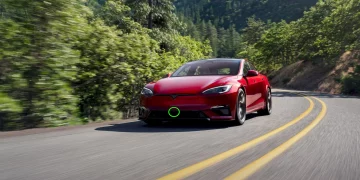
- Electric sports sedans, such as the Tesla Model S Plaid, combine the instant torque and performance characteristics of a sports car with the benefits of an electric powertrain. These cars provide a thrilling driving experience while also offering impressive practicality, with ample cabin space, advanced technology, and low running costs.
Conclusion: Can Sports Cars Meet Ordinary Consumer Needs?
In general, sports cars may not be the most practical or accessible option for most ordinary consumers. Their performance-oriented design, limited cargo and seating space, high costs, and reduced comfort make them more suited for driving enthusiasts or those who can afford to indulge in a vehicle that is not necessarily built for everyday usability.
However, there is a growing segment of vehicles that blend the excitement of sports car performance with the practicality of everyday driving. Whether through performance sedans, grand tourers, or electric sports cars, these vehicles offer a way for consumers to enjoy thrilling driving experiences without sacrificing the comforts and utility required for regular use.
In the end, the driving experience of a sports car may not suit everyone’s needs, but for those who are looking for a vehicle that can offer both performance and practicality, the modern automotive market is increasingly delivering options that satisfy both desires.