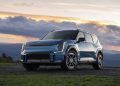











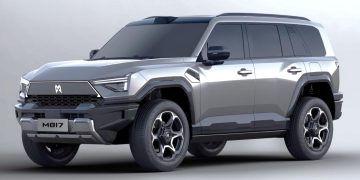
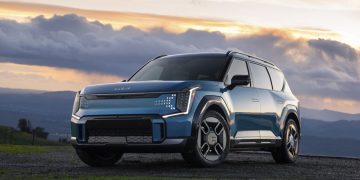



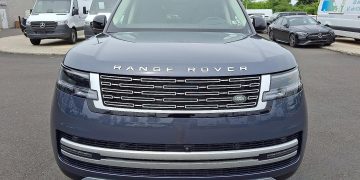










Sports Utility Vehicles (SUVs) have earned a prominent place in the automotive world, celebrated for their versatility, power, and commanding presence on the road. These vehicles are often marketed as the best of both worlds, promising exceptional off-road performance while maintaining comfort and practicality for daily urban driving. However, achieving the balance between off-road capability and urban comfort is no simple task. How can manufacturers deliver SUVs that excel both on rugged terrains and in the city?
In this article, we explore how automakers manage to design SUVs that offer impressive off-road prowess without sacrificing the comfort, handling, and ease of driving that are essential for urban driving. We will delve into the key elements that contribute to this balance, including suspension systems, drivetrain technologies, interior comfort features, and driving dynamics.
1. Off-Road Capability: What Makes an SUV Ready for Adventure?
When it comes to off-roading, an SUV must possess certain characteristics that enable it to navigate rough terrains, steep inclines, and slippery surfaces. The following factors are critical for ensuring an SUV’s off-road readiness:
Ground Clearance and Approach/Departure Angles:
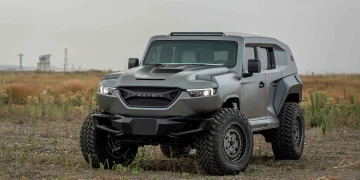
- SUVs that are built for off-roading typically feature higher ground clearance compared to regular sedans, allowing them to clear obstacles like rocks, logs, and deep ruts without damaging the undercarriage. This clearance also improves the vehicle’s ability to navigate uneven or bumpy terrain without getting stuck.
- The approach and departure angles—the angles at which a vehicle can approach and depart from an obstacle without the front or rear bumpers scraping—are key considerations in an SUV’s off-road capability. A steep approach angle is crucial for climbing steep inclines, while a generous departure angle helps avoid damage when descending rough trails.
Drivetrain Technologies:
- Four-Wheel Drive (4WD) or All-Wheel Drive (AWD): SUVs equipped with 4WD or AWD systems can deliver power to all four wheels, providing enhanced traction and stability on slippery or loose surfaces like mud, snow, or gravel. These systems are essential for off-road performance, ensuring that the vehicle can maintain traction even when conditions are less than ideal.
- Locking Differentials: Some off-road-focused SUVs come with locking differentials, which can prevent wheels from spinning independently, ensuring that all wheels rotate at the same speed and provide maximum traction. This feature is particularly useful in challenging off-road conditions like deep mud or sand.
- Traction Control Systems: Many modern SUVs come with electronic traction control systems that help distribute power more effectively, improving the vehicle’s performance on slippery or uneven surfaces.
Tires and Suspension:
- Off-road tires, designed with deeper treads and stronger sidewalls, play a crucial role in an SUV’s off-road performance. These tires allow for better grip on loose surfaces like gravel, sand, and snow, while also providing durability against punctures.
- A durable suspension system is vital for handling the rough terrain typically encountered during off-roading. A suspension with long travel allows the vehicle to absorb shocks from uneven surfaces and maintain control over challenging obstacles, such as rocks or deep ruts.
2. Urban Comfort: What Makes an SUV Enjoyable for Daily City Driving?
On the other hand, when an SUV is used for daily city driving, comfort, ease of handling, and practicality take precedence. Urban driving conditions typically require a different set of features than off-roading, as smooth roads, stop-and-go traffic, and tight parking spaces pose their own unique challenges. To balance this with off-road capability, automakers need to incorporate certain design features into SUVs:
Suspension System Design for Comfort:
- Adaptive Suspension: Many modern SUVs come equipped with adaptive or electronically controlled suspension systems that can adjust the ride quality based on road conditions. This allows the vehicle to offer a soft, smooth ride when driving on city streets, while still providing the necessary stiffness for off-road excursions. The system can adjust the dampening rates to provide comfort on paved roads and tighten up when venturing off the beaten path.
- Independent Suspension: To improve comfort, most SUVs have independent suspension systems for the front and rear axles. This setup helps ensure that the vehicle maintains a smooth ride over city roads by absorbing bumps and vibrations. While independent suspension doesn’t provide the extreme travel required for hardcore off-roading, it can still provide adequate comfort for most urban driving situations.
Size and Maneuverability:
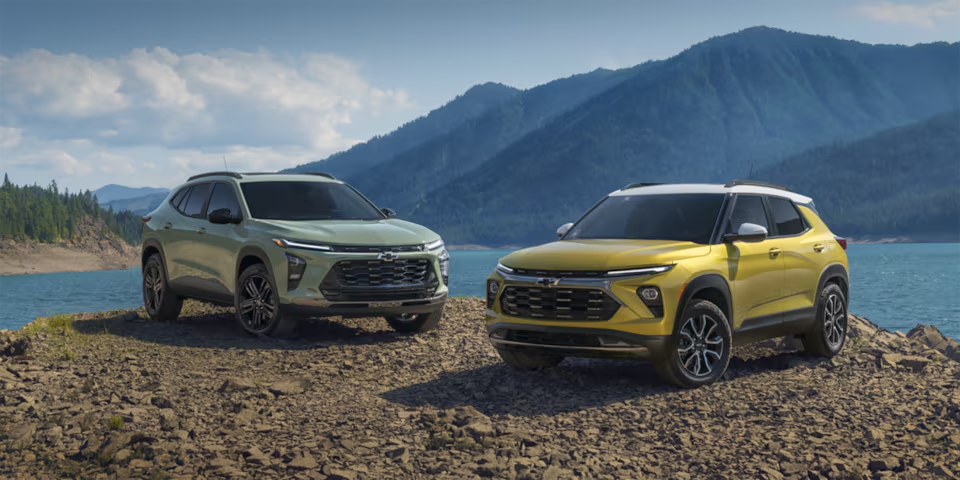
- Compact SUV Options: While larger SUVs may excel in off-road situations, they can be challenging to maneuver in city environments with narrow streets, tight parking spaces, and heavy traffic. To meet the needs of urban drivers, automakers have created smaller, more compact SUVs that combine a higher driving position with improved agility. These smaller SUVs offer the convenience of a compact car while retaining the flexibility and ground clearance of an off-roading vehicle.
- Power-Assisted Steering and Parking Aids: Modern SUVs come with power-assisted steering, which makes steering and maneuvering the vehicle easier, especially in low-speed urban driving scenarios. Additionally, parking sensors, rearview cameras, and 360-degree camera systems have become standard features in many SUVs, making it simpler for drivers to park in tight spaces and navigate crowded city streets.
Fuel Efficiency:
- While off-road vehicles often sacrifice fuel efficiency due to larger engines and heavier drivetrains, urban commuters value efficient fuel consumption. Manufacturers are increasingly offering SUVs with hybrid or electric powertrains that reduce emissions and improve fuel economy without compromising the vehicle’s overall performance. These powertrains are especially beneficial for city driving, where stop-and-go traffic can cause high fuel consumption in traditional gasoline-powered engines.
3. The All-Terrain SUV: Combining the Best of Both Worlds
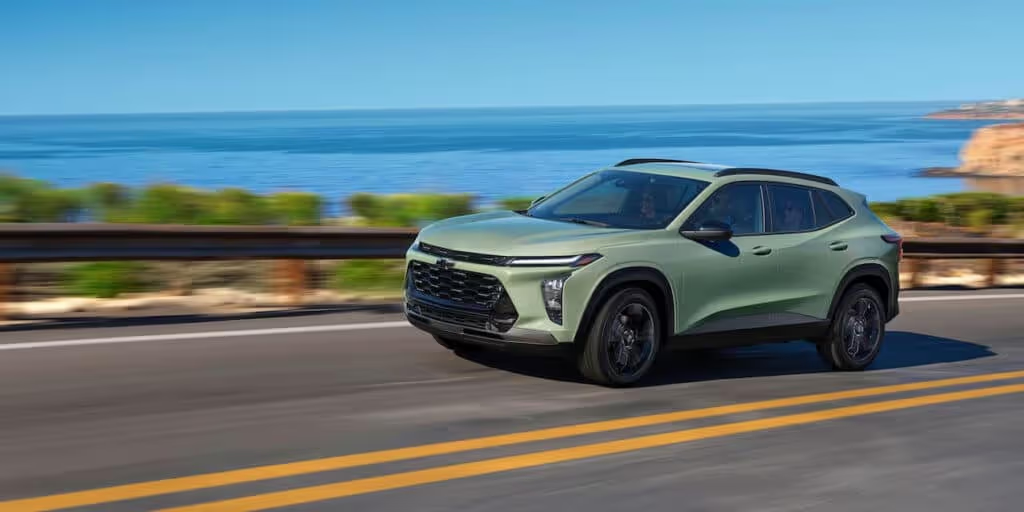
To truly achieve a balance between off-road performance and urban comfort, some automakers have developed vehicles specifically designed to handle both environments with ease. These all-terrain or all-weather SUVs incorporate a blend of features that allow them to excel on rugged terrains without sacrificing the smooth, comfortable ride expected in urban driving.
Selectable Drive Modes:
- Many modern SUVs come with selectable drive modes, which allow the driver to switch between different settings depending on road conditions. For example, an SUV may have a “comfort” mode for city driving, which softens the suspension, adjusts throttle response, and tunes the steering for easier maneuverability. When venturing off-road, the driver can switch to an “off-road” mode that adjusts the traction control, throttle response, and suspension settings to optimize performance on challenging surfaces like sand, mud, or snow.
Terrain Response Systems:
- Some premium SUVs come equipped with terrain response systems, which automatically adjust the vehicle’s settings based on the type of terrain the vehicle is navigating. These systems take into account factors such as traction, suspension stiffness, and engine response, ensuring that the SUV can perform optimally whether on a dirt trail or a smooth city road.
Active Dampers and Adjustable Suspension:
- Some advanced SUVs feature active dampers and adjustable suspension systems that can adapt to both off-road conditions and urban driving needs. These systems can automatically adjust the stiffness of the suspension based on driving conditions, ensuring that the vehicle provides a smooth, comfortable ride on highways and city streets while offering the necessary stability and control off-road.
4. The Role of Technology and Safety Features
In addition to the mechanical aspects of off-road and urban driving, modern technology and safety features play a crucial role in ensuring that an SUV can handle both environments effectively.
Advanced Driver Assistance Systems (ADAS):
- Lane Keep Assist, Adaptive Cruise Control, and Traffic Sign Recognition: These technologies help make urban driving safer and more comfortable by reducing driver fatigue in city traffic. These features, while not designed for off-roading, significantly improve the driving experience in everyday city environments.
- Off-Road Assistance Features: Some SUVs come with specialized off-road assistance features such as hill descent control, off-road traction control, and off-road cameras that provide a better view of the terrain ahead. These features help improve confidence and control during off-road adventures, while still maintaining ease of operation in urban settings.
5. Examples of SUVs that Balance Both Worlds
Several automakers have successfully created SUVs that excel both in the city and off the beaten path. Below are a few examples of such vehicles:
- Land Rover Discovery Sport: Known for its off-road prowess, the Discovery Sport offers a smooth, comfortable ride on paved roads. It features advanced drivetrain technologies like 4WD and terrain response systems, making it capable of tackling rough terrains, while its adaptive suspension and high-quality interior ensure comfort in the city.
- Toyota Land Cruiser: A legendary off-road vehicle, the Toyota Land Cruiser combines powerful off-road performance with luxury features that make it comfortable for everyday driving. It’s equipped with a multi-terrain select system, allowing the driver to adjust the vehicle’s settings for optimal performance across a variety of surfaces.
- Audi Q5: A luxury compact SUV that balances off-road capability with city driving comfort, the Audi Q5 features Quattro all-wheel-drive technology and adaptive suspension to provide a smooth ride on both paved roads and light off-road trails.
- Jeep Grand Cherokee: This iconic SUV offers a perfect blend of off-road capability and urban comfort. With features like adjustable air suspension, multiple drive modes, and advanced 4WD systems, the Grand Cherokee delivers a superior off-road experience while maintaining a comfortable and refined ride on city streets.
Conclusion: The Versatility of the Modern SUV
The question of whether an SUV can truly balance off-road performance with urban comfort is not one with a simple answer. However, modern advancements in drivetrain technologies, suspension systems, and comfort features have allowed automakers to create SUVs that can perform admirably in both environments. By leveraging advanced technologies such as selectable drive modes, adaptive suspensions, and off-road assistance systems, manufacturers can offer vehicles that are as at home on a rugged trail as they are navigating busy city streets.
Ultimately, the success of an SUV in balancing these two worlds depends on the needs and priorities of the driver. Those who seek true off-road adventure may opt for a vehicle with more rugged capabilities, while those who prioritize city driving comfort may prefer a more compact, city-friendly SUV. Nevertheless, the all-terrain SUV remains one of the most versatile and practical options for consumers looking for a vehicle that can handle anything from city commutes to weekend adventures.