






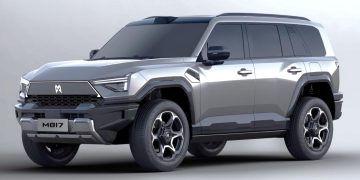
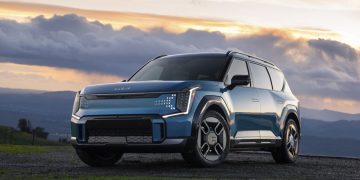
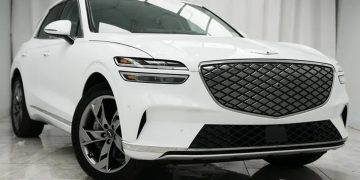
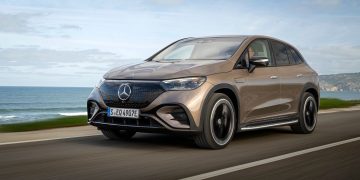




In recent years, the automotive world has witnessed a significant shift towards electric vehicles (EVs), including electric SUVs. As environmental concerns and fuel efficiency take center stage, more consumers are considering electric SUVs as an alternative to traditional gasoline-powered models. However, a common question remains: Can electric SUVs offer the same level of performance and range as their gasoline counterparts?
The short answer is that while electric SUVs are rapidly evolving and closing the performance gap, they are still facing some unique challenges. This article explores how electric SUVs compare to their gasoline-powered counterparts in terms of performance, range, and overall driving experience, and whether they can fully replace gasoline SUVs for consumers looking for power, efficiency, and long-distance capabilities.
1. Power and Performance: Can Electric SUVs Compete?
Performance is one of the most important factors for SUV buyers, and when it comes to power, electric SUVs are rapidly catching up to their gasoline-powered counterparts, and in some areas, even outperforming them.
Instant Torque Delivery:
- One of the key advantages of electric powertrains is the delivery of instant torque. Unlike gasoline engines, which need to rev up to generate power, electric motors provide immediate torque as soon as the accelerator is pressed. This results in smooth, quick acceleration without delay.
- Many electric SUVs, like the Tesla Model X, the Ford Mustang Mach-E, and the Audi e-tron, boast impressive acceleration times, often achieving 0-60 mph in less than 5 seconds. In fact, some high-performance electric SUVs are even quicker than their gasoline counterparts in terms of acceleration, providing a thrilling driving experience.
Horsepower and Top Speed:
- Electric SUVs often come equipped with multiple electric motors, providing all-wheel drive (AWD) and superior power distribution. This allows for an efficient transfer of power to all four wheels, enabling enhanced performance both on-road and off-road. Many electric SUVs now feature dual-motor configurations that deliver more horsepower, making them capable of handling a variety of driving conditions, whether it’s city streets, highways, or rough terrains.
- While gasoline-powered SUVs typically come with high-performance engines designed for top speed and towing capabilities, electric SUVs like the Rivian R1S and Tesla Model X Plaid are not far behind, with performance options offering a good balance of power, top speed, and handling. The overall driving experience of electric SUVs can often feel more fluid and responsive due to their simpler mechanical setup and quicker motor reactions.
Handling and Driving Dynamics:
- One area where electric SUVs excel over their gasoline counterparts is in handling. Because electric motors are located at both the front and rear of the vehicle, this provides a low center of gravity, improving stability and handling, particularly in tight turns or when cornering at higher speeds. This is especially noticeable in performance-oriented electric SUVs.
- Electric SUVs typically have fewer moving parts in the drivetrain, meaning less mechanical complexity and fewer vibrations compared to traditional gasoline-powered vehicles. This translates to a smoother, quieter ride, which is particularly beneficial on longer journeys.
2. Range: The Electric SUV’s Achilles’ Heel?
While electric SUVs offer strong performance, range remains a critical concern for many potential buyers, especially those who are used to the long-distance capabilities of gasoline-powered vehicles. However, advancements in battery technology are rapidly improving the range of electric SUVs, making them more competitive with their gasoline counterparts.
Battery Capacity and Range:
- Early electric SUVs suffered from limited range, with many models offering a driving distance of just around 150 to 200 miles on a full charge. However, thanks to advances in battery technology, many modern electric SUVs now offer ranges of over 300 miles on a single charge, and some even exceed 400 miles.
- For example, the Tesla Model X Long Range offers an impressive range of over 350 miles, while the Ford Mustang Mach-E offers different variants with ranges from 230 miles to 300+ miles, depending on the battery configuration.
- That said, gasoline-powered SUVs still have the advantage in range, with most models capable of traveling well over 400 miles on a single tank of fuel without the need for refueling. For long-distance drivers or those who frequently travel in remote areas, this range advantage remains a key selling point for traditional gas-powered vehicles.
Charging Infrastructure and Time:
- One of the most significant challenges facing electric SUVs is the charging time. Even with rapid charging options available, it can still take anywhere from 30 minutes to an hour to charge an electric SUV to 80% at a fast-charging station, depending on the vehicle and charger type. In contrast, refueling a gasoline-powered vehicle takes just a few minutes.
- However, the expansion of charging networks and improvements in charging speed are helping mitigate this issue. Many electric vehicle owners now have access to fast chargers at home and at public stations, which allows for convenient overnight charging or quick top-ups during long trips.
Range Anxiety:
- Range anxiety remains a concern for some potential buyers, especially in regions where charging infrastructure is sparse. While urban areas are seeing an increase in charging stations, rural areas or long-distance travel may still pose challenges. However, as charging infrastructure continues to expand, this issue is expected to become less of a problem over time.
3. Towing and Hauling Capabilities:
For consumers who need an SUV for towing, carrying heavy loads, or hauling equipment, traditional gasoline-powered SUVs have long been the go-to option. While electric SUVs are catching up in this area, there are still some differences to consider.
Towing Capacity:
- Many electric SUVs, such as the Tesla Model X and Rivian R1S, are capable of towing large trailers, boats, or campers. For example, the Rivian R1S boasts a towing capacity of up to 7,700 pounds, which is comparable to some larger gasoline-powered SUVs. Similarly, the Ford Mustang Mach-E can tow up to 3,500 pounds, making it a viable option for smaller towing needs.
- However, electric SUVs typically have a lower towing capacity compared to some gasoline models, particularly the larger full-size SUVs designed for heavy-duty tasks, like the Chevrolet Suburban or Ford Expedition, which can tow upwards of 8,000 pounds or more.
Hauling and Payload:
- Electric SUVs are generally well-suited for carrying heavy loads in their cargo areas, and many models offer additional storage space with fold-flat seats. The Rivian R1S, for example, includes a front trunk (or “frunk”), providing extra storage space that is not available in traditional gasoline SUVs.

4. Cost and Maintenance:
The total cost of ownership and long-term maintenance are also important considerations when comparing electric and gasoline SUVs.
Purchase Price:
- Electric SUVs tend to have a higher upfront cost than their gasoline counterparts, primarily due to the expensive batteries that power electric vehicles. However, tax incentives, rebates, and decreasing battery prices are helping to make electric SUVs more affordable. The Chevy Bolt EUV, for example, offers a more budget-friendly option in the electric SUV market.
- Over time, electric SUVs can offer savings through lower fuel costs and fewer maintenance requirements. Electric vehicles have fewer moving parts, which means there is less wear and tear on components such as the engine, transmission, and exhaust system. This translates to reduced maintenance and repair costs over the vehicle’s lifetime.
Fuel Costs:
- While gasoline SUVs may have higher fuel costs per mile, electric SUVs generally benefit from much lower energy costs. Charging an electric SUV is significantly cheaper than filling up a gasoline tank, and with home charging options, owners can easily manage their energy consumption.
5. Environmental Impact:
For consumers concerned about the environment, electric SUVs provide a clear advantage over gasoline-powered models. Electric vehicles produce zero emissions while driving, contributing to improved air quality and reduced greenhouse gas emissions. Additionally, as more electric SUVs come with eco-friendly materials and manufacturing processes, they offer an environmentally conscious option for those looking to reduce their carbon footprint.
Conclusion: Can Electric SUVs Match Gasoline SUVs?
The answer to the question of whether electric SUVs can match the performance and range of gasoline-powered SUVs is becoming increasingly clear: yes, but with some trade-offs.
Electric SUVs are rapidly improving in terms of power, performance, and range. They offer incredible acceleration, smooth handling, and a quieter, more comfortable ride. While they may still face some limitations in terms of range, charging time, and towing capacity compared to traditional gasoline-powered models, they are closing the gap with every new generation of EVs.
For many consumers, the performance and range of electric SUVs are now more than adequate for everyday driving, long trips, and even some off-road adventures. As battery technology continues to evolve and charging infrastructure expands, electric SUVs will only continue to improve, making them a viable and attractive option for consumers looking for power, efficiency, and a sustainable alternative to gasoline vehicles.