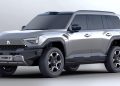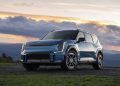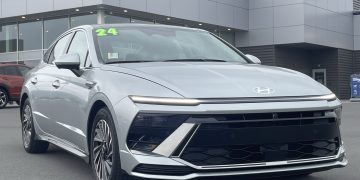

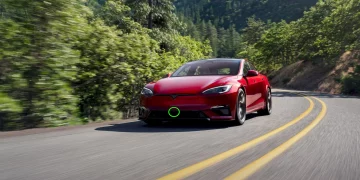

















When driving at high speeds, whether on highways, expressways, or fast-paced roads, the safety of any vehicle becomes a primary concern. SUVs, known for their robust build and higher driving position, generally provide a sense of security on the road. However, ensuring that an SUV remains stable and safe at high speeds requires a combination of various design features, advanced safety technologies, and thoughtful engineering. Understanding how SUVs maintain safety at higher speeds can help drivers make informed decisions about their vehicles, particularly for long-distance or high-speed travel.
In this article, we will explore the factors that contribute to the safety of an SUV at high speeds, including vehicle stability, braking systems, safety technologies, and the design features that keep the driver and passengers safe when traveling at higher velocities.
1. Vehicle Stability and Handling at High Speeds
The primary factor influencing an SUV’s safety at high speeds is its stability and handling characteristics. Unlike sedans, which have a lower center of gravity, SUVs have a taller profile, which can potentially lead to issues like body roll or tipping, particularly when navigating sharp curves or high-speed maneuvers.
Lowering the Risk of Rollover:
- SUVs have a higher risk of rollover in comparison to sedans, especially when making sharp turns or during emergency maneuvers at high speeds. To combat this, modern SUVs are designed with a lower center of gravity and a wider stance to enhance stability. Additionally, many SUVs now feature stability control systems to counteract any loss of traction during sudden maneuvers.
- Technologies like Electronic Stability Control (ESC) are now standard in many SUVs. This system uses sensors to detect when a vehicle begins to lose traction (often during sharp turns or sudden braking), and it automatically applies brakes to individual wheels to correct the vehicle’s path. This helps prevent rollovers and loss of control during high-speed driving.
Suspension and Chassis Engineering:
- The suspension system plays a crucial role in ensuring an SUV remains stable at high speeds. Modern SUVs come equipped with advanced suspension systems such as air suspension, adaptive suspension, or independent suspension to ensure a smooth ride and better handling on both smooth highways and uneven terrains.
- The air suspension system, for example, can adjust the vehicle’s height, helping to lower the ride height at higher speeds. This improves the vehicle’s aerodynamics, lowers the center of gravity, and enhances stability at high velocities. Models such as the Range Rover and Audi Q7 incorporate such systems for better stability on highways.
Tire Quality and Traction:
- Tire quality is another key factor when it comes to high-speed stability. High-performance tires with the right tread pattern and rubber composition are essential for providing adequate traction, especially when driving at fast speeds or in wet conditions. Tires specifically designed for high-speed stability, such as run-flat tires, offer enhanced performance and safety.
- Additionally, an SUV’s all-wheel-drive (AWD) or four-wheel-drive (4WD) system can provide extra stability, especially on slippery roads or during rainstorms. AWD ensures power is distributed to all four wheels, improving traction, which is particularly important when traveling at high speeds in inclement weather.
2. Braking Systems for High-Speed Safety
At high speeds, efficient braking is crucial to ensuring the vehicle can stop in time during emergency situations, and modern SUVs have sophisticated braking systems to meet these needs.
Anti-lock Braking System (ABS):
- An ABS system helps prevent the wheels from locking up during sudden braking, ensuring that the driver retains steering control, even in an emergency stop. This is essential in high-speed situations where sudden braking is necessary, such as avoiding a collision.
- ABS is especially important on high-speed highways, where stopping distances can be longer, and maintaining control during braking is crucial. Most modern SUVs, like the Toyota Land Cruiser or Ford Explorer, come equipped with ABS as a standard feature.
Brake Assist and Emergency Braking:
- Brake Assist (BA) is another feature in many SUVs that automatically detects emergency braking situations and applies maximum braking force to stop the vehicle in the shortest possible distance.
- Some high-end models, such as the Mercedes-Benz G-Class or BMW X5, also come with automatic emergency braking systems. These systems can detect an impending collision with another vehicle or obstacle and apply the brakes to avoid or mitigate the impact. This technology is particularly useful at high speeds, where reaction times may be slower.
Larger Braking Components:
- Luxury and performance-oriented SUVs often come equipped with larger, more powerful braking systems, such as ventilated disc brakes and carbon-ceramic rotors, to improve braking performance and prevent overheating, especially during high-speed driving. These high-performance braking systems allow for better heat dissipation, ensuring that the vehicle can maintain its stopping power even under extreme conditions.
3. Advanced Safety Technologies
Today’s SUVs are equipped with numerous safety technologies that are designed to help drivers remain in control and avoid accidents, especially at high speeds. These systems work in conjunction with physical features like the braking system and suspension to ensure optimal safety during high-speed driving.
Adaptive Cruise Control (ACC):
- Adaptive Cruise Control (ACC) is an advanced driver assistance feature that automatically adjusts the SUV’s speed to maintain a safe distance from the vehicle ahead. This system is especially useful on highways where speeds can fluctuate, and drivers need to adjust their speed constantly. ACC is effective at high speeds, as it ensures that the vehicle does not get too close to slower-moving traffic and helps maintain a safe buffer zone.
Lane Departure Warning and Lane-Keeping Assist:
- Lane Departure Warning (LDW) and Lane-Keeping Assist (LKA) are crucial technologies that help prevent accidents at high speeds by ensuring the vehicle stays within its lane, even if the driver unintentionally drifts out of it. At higher speeds, especially on highways or fast-moving roads, these features can prevent dangerous lane-change accidents, which are often a result of driver fatigue or distraction.
- If the vehicle detects lane departure without signaling, the Lane Departure Warning system alerts the driver, and if necessary, the Lane-Keeping Assist system subtly steers the car back into its lane, reducing the risk of a side-swipe collision.
Blind-Spot Monitoring (BSM):
- Blind-Spot Monitoring (BSM) systems alert the driver to vehicles in the blind spot, particularly when changing lanes at high speeds. By using radar sensors to detect vehicles approaching from behind or alongside, BSM systems provide visual or audible warnings when it’s unsafe to change lanes.
- This feature is particularly useful on highways, where lane changes are common, and high-speed maneuvers increase the risk of a collision with unseen vehicles.
Traction Control and Torque Vectoring:
- Traction control systems in modern SUVs help prevent wheel spin during acceleration, particularly on slippery or uneven surfaces. This feature is especially important when driving at high speeds in wet or snowy conditions, as it helps maintain control over the vehicle.
- Some SUVs are also equipped with torque vectoring, which directs power to specific wheels to improve traction and stability. This feature is particularly useful when driving through sharp turns or when navigating difficult terrains at high speeds, ensuring that the vehicle remains planted and stable.
4. Structural Integrity and Crash Protection
A high-speed collision is always a possibility on the road, and SUV manufacturers design their vehicles with specific features to protect passengers in the event of an accident.
Crush Zones and Reinforced Cabin:
- SUVs are engineered with crush zones that absorb energy during a collision, reducing the impact on the cabin. These zones are strategically placed around the vehicle to direct crash forces away from passengers. Additionally, many modern SUVs come equipped with reinforced steel frames that provide an extra layer of protection.
- The side-impact beams and roof-strengthening technologies in SUVs such as the Honda Pilot and Chevrolet Tahoe help prevent intrusion into the cabin during side or rollover collisions, enhancing overall occupant protection.
Airbags and Occupant Restraint Systems:
- High-end SUVs are equipped with multiple airbags, including front, side, curtain, and knee airbags, to protect all occupants in the event of a high-speed crash. These airbags deploy in a split second during a collision, reducing the risk of injury to passengers.
- Seatbelt technology in SUVs is also sophisticated, with features like pre-tensioners that tighten the belt during sudden deceleration, ensuring that passengers remain securely in place during a crash.
5. Driver Awareness and Alertness
Maintaining safety at high speeds is not only about the vehicle’s safety features but also about the driver’s awareness and alertness. Certain technologies are designed to ensure that drivers stay focused while traveling at fast speeds.
Driver Attention Monitoring:
- Some SUVs, like the Volvo XC90 or BMW X5, are equipped with driver attention monitoring systems that track the driver’s behavior for signs of drowsiness or inattention. If the system detects that the driver is fatigued or distracted, it can alert them with a warning, suggesting that they take a break or refocus on the road.
Night Vision and Head-Up Displays:
- Many high-end SUVs now come equipped with night vision systems that use infrared sensors to detect objects or pedestrians in the dark. Combined with head-up displays (HUDs), these systems can provide crucial information about the surroundings, helping drivers make better decisions, even at high speeds during nighttime driving.
Conclusion: Ensuring SUV Safety at High Speeds
Ensuring the safety of an SUV at high speeds involves a combination of factors, including advanced safety technologies, robust vehicle design, and excellent handling features. From stability control and traction systems to reinforced structural designs and high-quality braking systems, modern SUVs are equipped with a wide range of features designed to keep drivers and passengers safe when driving fast.
For those who frequently drive at high speeds or travel long distances, investing in an SUV with these safety features can provide peace of mind, knowing that the vehicle is equipped to handle high-speed driving conditions. The advanced technology in today’s SUVs significantly improves both safety and driving experience, making them a reliable and secure option for high-speed travel.