


















Introduction
- Overview of Multi-Functional Passenger Vehicles (MPVs)
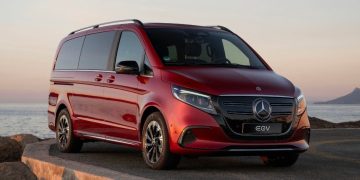
MPVs are designed to cater to families, businesses, and leisure seekers by offering spacious interiors, flexible seating, and the ability to carry a large number of passengers and cargo. However, when choosing an MPV, consumers often face a dilemma: Should they prioritize fuel efficiency or power performance? - Why the Choice Matters
In today’s world, where environmental concerns and fuel costs are on the rise, fuel efficiency has become an essential factor. But at the same time, for many consumers, particularly those who frequently drive long distances or require powerful engines for heavy loads, performance remains crucial. - Purpose of the Article
This article will explore the balance between fuel efficiency and power performance in MPVs, and help consumers determine which factor should hold more weight when making their decision.
Section 1: Understanding Fuel Efficiency and Power Performance
1.1 What is Fuel Efficiency?
- Definition and Importance
Fuel efficiency refers to the amount of fuel a vehicle consumes to travel a certain distance, typically measured in miles per gallon (MPG) or liters per 100 kilometers (L/100km). Higher fuel efficiency results in fewer refueling stops and less money spent on fuel over time. - Factors Affecting Fuel Efficiency
- Engine size and type (hybrid, electric, diesel, petrol)
- Weight and aerodynamics of the vehicle
- Driving habits and maintenance
- Consumer Perspective on Fuel Efficiency
The growing focus on sustainability, lower emissions, and fuel cost savings makes fuel efficiency increasingly important to consumers. Many are looking for MPVs that can reduce their carbon footprint and offer long-term savings.
1.2 What is Power Performance?
- Definition and Importance
Power performance refers to a vehicle’s ability to accelerate, climb hills, and carry heavy loads. It is typically measured in horsepower (hp) and torque. Power performance is essential for tasks such as towing, off-road driving, and maintaining high speeds on highways. - Factors Affecting Power Performance
- Engine displacement and configuration (e.g., V6, turbocharged, hybrid)
- Transmission type (manual, automatic, CVT)
- Drive type (front-wheel drive, all-wheel drive)
- Consumer Perspective on Power Performance
Consumers interested in MPVs with strong power performance value aspects such as towing capacity, off-road capability, and the ability to drive comfortably in varying terrains and conditions. Power performance also impacts how the vehicle drives during daily commutes and longer trips.
Section 2: The Importance of Fuel Efficiency in MPVs
2.1 Economic Considerations
- Lower Operating Costs
Higher fuel efficiency directly translates into lower fuel costs, especially for consumers who drive long distances or have a daily commute. For instance, a family traveling on a road trip or a business using an MPV for deliveries would save significantly on fuel costs over time with an efficient vehicle. - Fuel Efficiency Over Time
Even though the initial purchase price of an MPV might be higher for more fuel-efficient models (e.g., hybrids or electric vehicles), the long-term savings on fuel can make up for the higher upfront cost. - Global Trends Towards Sustainability
Many governments are imposing stricter emission standards and offering tax incentives for fuel-efficient vehicles, making fuel-efficient MPVs an attractive option for environmentally conscious consumers.
2.2 Environmental Impact
- Reduced Carbon Footprint
Vehicles with better fuel efficiency burn less fuel per kilometer, leading to reduced CO2 emissions. This is a significant concern for environmentally-conscious buyers looking to reduce their ecological footprint. - Government Regulations and Incentives
Governments are increasingly offering tax rebates, incentives, and subsidies for vehicles that meet certain fuel efficiency or low-emissions standards, making these vehicles more appealing for eco-friendly consumers.
2.3 The Role of Hybrid and Electric MPVs
- Hybrid MPVs
Hybrid vehicles combine a conventional internal combustion engine (ICE) with an electric motor to improve fuel efficiency without compromising performance. They offer a good balance between performance and fuel efficiency. - Electric MPVs
Fully electric MPVs, like the Tesla Model X or Volkswagen ID. Buzz, provide exceptional fuel efficiency by eliminating the need for gasoline. They offer significant reductions in running costs and emissions but may come with the trade-off of higher upfront prices and limited driving range in comparison to their gasoline counterparts.
Section 3: The Importance of Power Performance in MPVs
3.1 Towing and Payload Capacity
- Heavy Loads and Towing
MPVs with high power performance are essential for consumers who need to tow heavy loads or carry large amounts of cargo. For families with boats, caravans, or trailers, as well as businesses that require transport of goods, a vehicle with strong towing capacity and high torque is necessary. - Handling Under Load
Power performance ensures that the vehicle handles well even when fully loaded. A lack of power can lead to sluggish acceleration, difficulty in climbing inclines, and strain on the engine.
3.2 Driving in Diverse Conditions
- All-Wheel Drive (AWD) and Off-Road Capability
Power performance is crucial for MPVs used in diverse terrains, such as snow, mud, or steep roads. AWD or 4WD systems, often paired with high-power engines, provide the necessary performance to drive confidently in challenging environments. - High-Speed Stability
For consumers who frequently drive on highways or in areas where high-speed stability is necessary, the performance of the engine is vital to ensuring the vehicle maintains speed without sacrificing control or comfort.
3.3 Consumer Preferences for Performance
- Acceleration and Handling
Even for those who don’t need towing or off-road capability, the acceleration and handling offered by an MPV can significantly impact the driving experience. Consumers seeking a vehicle with a more dynamic driving experience may prioritize performance over fuel efficiency.
Section 4: The Balance Between Fuel Efficiency and Power Performance
4.1 Does One Matter More Than the Other?
- Varied Consumer Needs
Consumers’ needs vary significantly. For urban families who prioritize daily commutes, lower fuel costs, and eco-friendliness, fuel efficiency may be the deciding factor. On the other hand, families that enjoy long road trips, off-roading, or require towing capacity may find power performance to be more important. - Compromise and Trade-offs
There’s no one-size-fits-all answer. MPVs are designed to offer a balance of both, but finding the right compromise requires understanding which aspect is more valuable for a particular lifestyle.
4.2 Technological Advancements Bridging the Gap
- Hybrid and Plug-In Hybrid Options
The introduction of hybrid and plug-in hybrid MPVs has been a game-changer, offering the fuel efficiency benefits of electric power while still maintaining a high level of power performance. This allows consumers to enjoy the best of both worlds. - Turbocharged Engines
Turbocharging technology is allowing smaller engines to provide power equivalent to larger, traditional engines while also improving fuel efficiency. This is an excellent example of how manufacturers are bridging the gap between fuel economy and power. - Electric Powertrains
Electric vehicles (EVs) offer instant torque, making them extremely efficient in terms of power performance. At the same time, they provide zero-emission, high-efficiency driving, proving that electric MPVs can offer both power and efficiency.
Section 5: Case Studies of Popular Multi-Functional Passenger Vehicles
5.1 Toyota Sienna Hybrid
- Fuel Efficiency vs. Power
The Toyota Sienna Hybrid offers exceptional fuel efficiency with a hybrid powertrain while also providing ample power for family needs. This makes it a strong contender for consumers looking for a balanced option.
5.2 Honda Odyssey
- Focus on Power
With a V6 engine, the Honda Odyssey is known for its powerful performance and high towing capacity, making it an ideal choice for families who need more power for trips or outdoor activities. However, it sacrifices some fuel efficiency compared to hybrids.
5.3 Tesla Model X
- Electric Efficiency with High Performance
The Tesla Model X is an all-electric MPV that combines remarkable fuel efficiency (thanks to its electric powertrain) with incredible acceleration and high towing capacity, providing a performance experience unparalleled in the MPV market.
Conclusion: Making the Right Choice for You
- Final Considerations
The choice between fuel efficiency and power performance ultimately depends on personal preferences and lifestyle needs. Urban families, environmentally conscious buyers, and those seeking long-term savings may find fuel efficiency more important. On the other hand, families with specific needs such as towing, off-roading, or long-distance driving might prioritize power performance. - Hybrid and Electric Vehicles as the Future
As hybrid and electric vehicles continue to improve in both efficiency and performance, they represent the future of multi-functional passenger vehicles, offering a perfect balance of both aspects. - The Best Decision
Evaluate your daily driving habits, cargo needs, and the typical road conditions you encounter to determine which factor—fuel efficiency or power performance—aligns best with your lifestyle. No matter what, modern MPVs are designed to offer a high degree of both, ensuring a comfortable, enjoyable, and practical driving experience.