























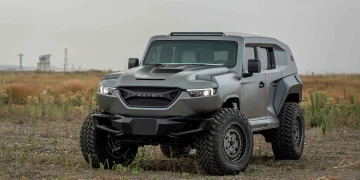


Specialized vehicles are designed to meet the specific needs of different industries, from construction and emergency services to healthcare and logistics. When choosing a specialized vehicle for a particular purpose, it’s crucial to understand that these vehicles require unique features that standard vehicles don’t offer. Custom features are essential for optimizing efficiency, safety, and functionality, depending on the specific tasks the vehicle is intended to perform.
In this article, we’ll explore the key custom features that should be considered when selecting specialized vehicles. We’ll discuss how these features enhance vehicle performance, improve user experience, and ensure compliance with industry standards.
1. Custom Features Based on Industry Needs
Different industries have varying demands when it comes to specialized vehicles. Below are some key custom features based on the specific needs of various sectors:
1.1 Construction Industry: Durability and Functionality
Construction vehicles face harsh working environments that require vehicles to be robust, adaptable, and able to carry heavy loads. The following custom features are essential for construction vehicles:
- Heavy-Duty Suspension: Construction vehicles often operate on rough terrain, including dirt roads, gravel, and uneven surfaces. A heavy-duty suspension system ensures that the vehicle can handle these conditions while maintaining stability and comfort.
- All-Terrain Tires: For vehicles like dump trucks, cranes, and flatbed trucks, all-terrain tires are essential. These tires provide traction on challenging surfaces such as mud, sand, and snow, ensuring the vehicle can move freely across construction sites without getting stuck.
- Powerful Hydraulic Systems: Many construction vehicles, such as cranes and dump trucks, require hydraulic systems for lifting and unloading heavy materials. Custom hydraulic systems can be designed to optimize lifting capacity and ensure smooth operation under high pressure.
- Customizable Storage Options: Depending on the specific needs of a project, some construction vehicles may require custom storage solutions for carrying tools, construction materials, or equipment. Lockable compartments or tool storage systems can help with organization and security.
1.2 Emergency Services: Speed, Safety, and Versatility
Emergency vehicles, such as ambulances, fire trucks, and police vehicles, need to be equipped with specialized features that ensure rapid response and efficiency under critical conditions.
- Emergency Lighting and Sirens: One of the most important custom features of emergency vehicles is the lighting and siren system. These systems need to be highly visible and audibly distinct to warn other drivers and pedestrians, enabling emergency responders to navigate traffic quickly and safely.
- Advanced Communication Systems: Emergency vehicles require advanced radio and communication systems to stay in constant contact with central dispatch, hospitals, or other emergency units. The integration of GPS tracking ensures that emergency services can be directed to the scene as quickly as possible.
- Onboard Medical Equipment for Ambulances: Ambulances must be fitted with essential medical equipment such as defibrillators, oxygen tanks, stretchers, and diagnostic devices. Custom compartments are often added to store and organize these tools efficiently, ensuring quick access during an emergency.
- Off-Road Capabilities for Fire Trucks: For fire trucks, especially those used in rural or wilderness firefighting, off-road capabilities are vital. Features like 4WD drive systems, high ground clearance, and extra-large wheels help the truck to navigate through rugged, uneven terrain and reach fire outbreaks in remote locations.
1.3 Healthcare and Medical Transport: Comfort and Medical Support
Healthcare transport vehicles need to meet high standards of comfort, safety, and medical support. When customizing these vehicles, the following features are essential:
- Climate Control: Medical transport vehicles, including ambulances and mobile clinics, require temperature-controlled systems to ensure that patients or sensitive medical supplies, such as blood, organs, or vaccines, are kept at the correct temperature during transport.
- Adjustable Medical Seating: For patient transport, it’s important to have adjustable and reclinable seating that can be adjusted to accommodate a variety of patient needs, from non-emergency to critical transport.
- Lift Systems for Patients: For patients with mobility challenges, hydraulic or electric lift systems can be installed to easily load and unload stretchers or wheelchairs into the vehicle. This feature reduces the physical strain on medical staff and ensures a safer transport process.
- Enhanced Lighting and Equipment Storage: Proper lighting is necessary for medical personnel to work on patients during transit. Specialized storage compartments for medical devices and medications are also required, and some vehicles may include disinfectant systems to ensure hygiene and safety.
1.4 Logistics and Supply Chain: Efficiency and Safety
Logistics vehicles, including trucks, trailers, and delivery vans, must be optimized for safe and efficient transportation of goods. Custom features are crucial for ensuring the vehicle is up to the task:
- Refrigeration Systems for Perishable Goods: Refrigerated or temperature-controlled compartments are critical when transporting perishable items like food, pharmaceuticals, or chemicals. These systems help maintain the required temperature and prevent spoilage during long-distance transportation.
- Custom Cargo Securement Systems: Specialized cargo tie-down systems, load locks, and racks are often required to ensure that goods are secured during transit. This is especially important when transporting heavy or bulky items that need to be kept stable during movement.
- GPS Fleet Management: Logistics vehicles often come with GPS tracking and fleet management software to optimize route planning, monitor vehicle performance, and track shipments in real-time. This technology ensures that deliveries are made on time and that vehicles are operating at their full potential.
- Lift Gates and Roll-up Doors: For delivery vehicles, especially in last-mile delivery, lift gates and roll-up doors are necessary for easy loading and unloading of goods, especially when delivering heavy or oversized items.
1.5 Waste Management: Safe and Efficient Collection
Waste management vehicles, which handle everything from garbage collection to hazardous waste disposal, require features that make the collection process efficient, safe, and environmentally friendly.
- Compaction Systems: Hydraulic compaction systems are essential in waste collection trucks, allowing for the compression of waste material, maximizing the vehicle’s load capacity, and minimizing the number of trips required.
- Segregated Compartments for Recycling: Many waste management vehicles are designed with segregated compartments to separate different types of recyclable materials, such as paper, plastic, and metal. This customization ensures that materials are transported in an organized manner, ready for proper recycling processing.
- Environmental Protection Features: For vehicles handling hazardous waste, such as chemicals or medical waste, spill-proof containers and air filtration systems are critical. These features prevent contamination and ensure compliance with safety and environmental regulations.

2. Custom Features for Future Needs
As industries continue to evolve, so do the needs for specialized vehicles. The following custom features are becoming more important in today’s world:
2.1 Environmental Considerations
With growing concerns about sustainability and environmental impact, many businesses are looking to customize vehicles to be more eco-friendly:
- Electric and Hybrid Powertrains: As fuel-efficient technologies advance, more specialized vehicles are being outfitted with electric or hybrid powertrains to reduce emissions and operational costs. Electric versions of vehicles like delivery vans and waste collection trucks are becoming more common, particularly in urban areas where emissions are heavily regulated.
- Fuel-Efficient Engines and Regenerative Braking: Specialized vehicles with fuel-efficient engines and regenerative braking systems help reduce fuel consumption and lower overall operational costs, making them more sustainable.
2.2 Advanced Driver-Assistance Systems (ADAS)
Safety is always a primary concern, and the addition of advanced technologies can further enhance safety in specialized vehicles:
- Automatic Emergency Braking (AEB): For vehicles like ambulances, fire trucks, or delivery vans, the inclusion of AEB systems can prevent collisions by automatically applying brakes when a potential collision is detected.
- Lane Departure Warning (LDW): For long-haul trucks, LDW systems can prevent unintended lane departures, reducing the risk of accidents caused by driver fatigue or distraction.
- Adaptive Cruise Control (ACC): For vehicles that operate in high-traffic environments, such as ambulances and fire trucks, adaptive cruise control can adjust speed based on traffic conditions, improving driving safety and reducing driver workload.
2.3 Connectivity and Fleet Management
As the world becomes increasingly connected, telematics and real-time data have become essential tools for managing specialized vehicle fleets:
- Real-time Monitoring: Many specialized vehicles are now equipped with IoT sensors that monitor vehicle performance, including fuel consumption, tire pressure, and engine health. This data can be sent back to fleet management software for real-time monitoring and predictive maintenance.
- Fleet Optimization: Custom software that allows fleet managers to track vehicle location, manage routes, and optimize fuel consumption is becoming essential for improving efficiency and reducing operational costs.
Conclusion
When selecting a specialized vehicle, the choice of custom features plays a crucial role in ensuring that the vehicle meets the specific needs of the industry and the tasks it is meant to perform. Whether it’s construction, emergency services, healthcare, logistics, or waste management, custom features such as advanced safety systems, specialized cargo management, eco-friendly powertrains, and real-time data monitoring can make a significant difference in operational efficiency, safety, and cost-effectiveness.
The right customizations ensure that specialized vehicles are well-suited to their purpose, meet regulatory standards, and contribute to the overall success of business operations. As technology continues to advance, the possibilities for customization will only expand, offering even more solutions to meet the unique demands of industries worldwide.