







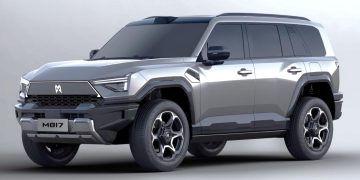
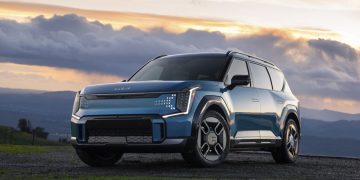


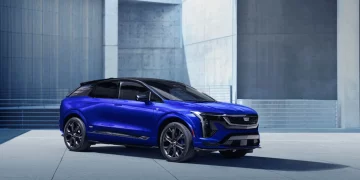
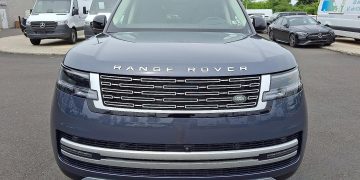

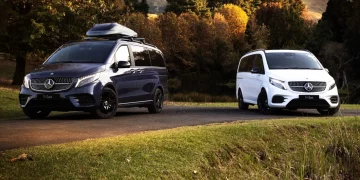



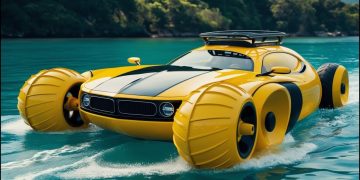
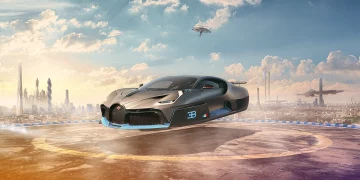
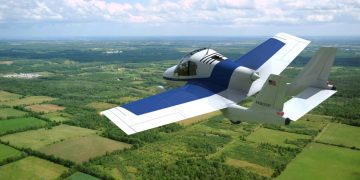
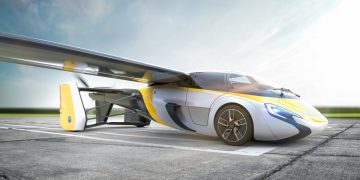
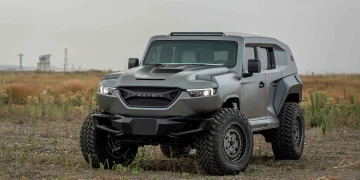
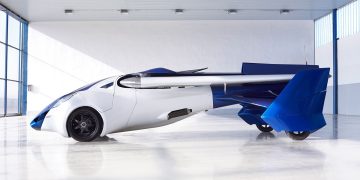
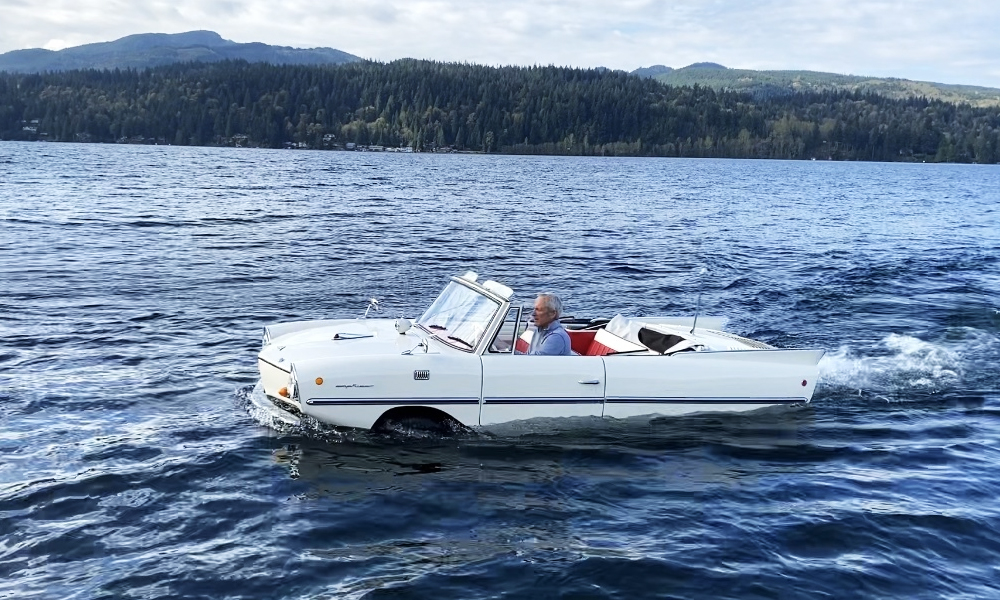
Amphibious vehicles, designed to travel seamlessly across both land and water, are revolutionizing the way we think about transportation. These versatile machines blur the lines between two very different environments, offering a unique solution to challenges related to mobility and accessibility. Whether for personal use, exploration, military applications, or even emergency rescue operations, amphibious vehicles are providing a glimpse into a future where the divide between land and water travel is no longer an obstacle.
1. Breaking the Boundaries Between Land and Water Travel
Traditionally, transportation has been divided into two distinct categories: land vehicles (cars, trucks, motorcycles, etc.) and watercraft (boats, ships, yachts, etc.). Traveling between the two requires separate modes of transportation, which can be both time-consuming and expensive. Amphibious vehicles challenge this dichotomy by combining the functionalities of both land and water vehicles into one, eliminating the need to switch modes when crossing bodies of water.
Example: Amphibious Cars and All-Terrain Vehicles
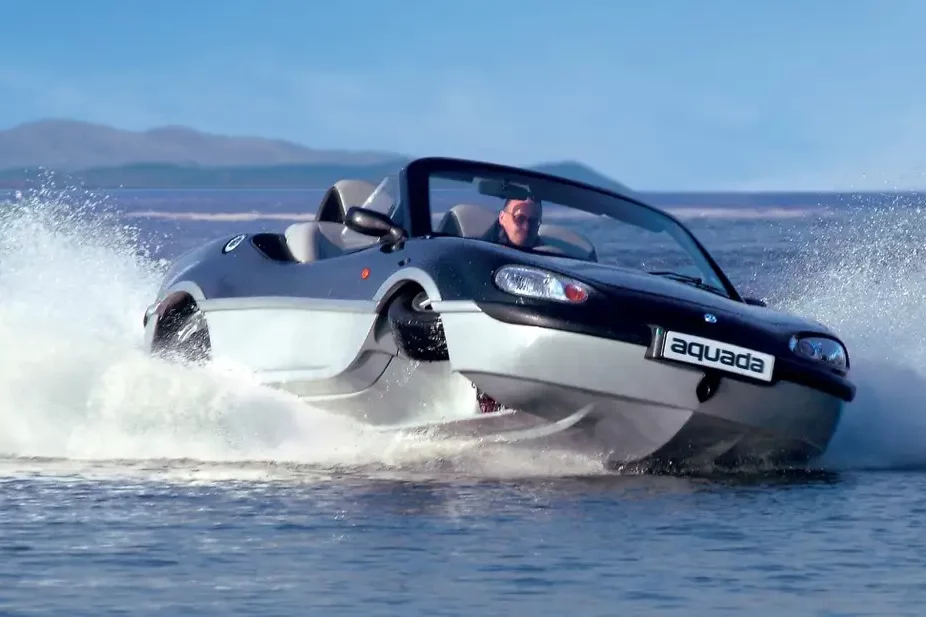
Amphibious cars, like the Gibbs Quadski, and amphibious trucks, such as the Gibbs Aquada, can seamlessly transition from driving on roads to gliding across the water. This means that a trip that once required a car to drive to the shore, followed by the transfer of passengers and goods onto a boat, can now be completed in a single, continuous journey. As a result, amphibious vehicles offer greater flexibility and convenience, reducing travel time and increasing accessibility.
2. Enhancing Accessibility in Remote or Difficult Locations
One of the major advantages of amphibious vehicles is their ability to access areas that are otherwise difficult to reach. Many remote areas around the world are cut off from conventional road networks due to natural barriers like rivers, lakes, and marshes. In these regions, the traditional travel methods of using cars on land or boats on water are often inadequate for efficient transportation.
Amphibious vehicles provide an elegant solution to this problem by giving travelers the ability to seamlessly cross from land to water and vice versa. This is particularly useful in places like:
- Flood-prone areas: Where roads might be submerged during heavy rains, an amphibious vehicle can continue its journey on the water.
- Rural or wilderness areas: Where roads are non-existent or poorly maintained, an amphibious vehicle can travel across uneven terrains and waterways, providing access to isolated communities.
- Islands or coastal areas: For travel between islands or along shorelines, amphibious vehicles eliminate the need for ferries or boats, making local transportation more efficient and less costly.
3. Revolutionizing Emergency and Rescue Operations
Amphibious vehicles have significant potential in the field of emergency rescue. In situations such as floods, hurricanes, or natural disasters, where conventional rescue vehicles (helicopters, boats, and trucks) may face limitations due to terrain or water levels, amphibious vehicles can bridge the gap between the two modes of travel, providing fast and efficient rescue operations.
- Flood Rescue: During severe flooding, traditional road vehicles cannot access submerged areas. Amphibious vehicles can easily drive through floodwaters, allowing rescue teams to reach affected areas faster.
- Remote Disaster Zones: In the aftermath of a disaster, such as an earthquake or tsunami, where roads may be damaged or inaccessible, amphibious vehicles can carry aid and rescue teams to and from cut-off locations, speeding up relief efforts.
- Military and Defense: The military also uses amphibious vehicles for tactical operations in hostile environments. These vehicles can transport soldiers, equipment, and supplies across both land and water, enabling them to quickly navigate between different terrains.
4. Providing New Opportunities for Tourism and Exploration
Amphibious vehicles have opened up exciting new opportunities for tourism and exploration, especially in regions with both fascinating landscapes and waterways. Rather than the traditional division between land tours and water-based tours, amphibious vehicles allow seamless exploration, combining both experiences in a single journey.
- Safari and Wildlife Tours: In places like Africa or South America, amphibious vehicles can offer safari tours that include both land and river-based exploration, allowing tourists to observe wildlife in their natural habitats both on land and from the water. Tourists can easily transition from exploring the jungle to gliding down a river to observe animals like crocodiles, hippos, and birds.
- Coastal or Island Tours: In coastal regions or island resorts, amphibious vehicles can provide unique tours, where passengers can enjoy both driving on scenic roads and experiencing the tranquility of waterways, all without the need to transfer between different modes of transport.
- Expedition Vehicles: Amphibious vehicles also play a significant role in expeditionary travel, especially in extreme environments like the Arctic or Antarctic regions, where there are no conventional roads or bridges. Scientists and explorers use amphibious vehicles to conduct research, travel across vast glaciers, and navigate through icy waters, all while ensuring safety and efficiency.
5. Revolutionizing the Concept of Vehicle Design
Amphibious vehicles challenge the traditional concepts of vehicle design, creating a new category of transport that combines the features of land vehicles and watercraft. Designing a vehicle that can perform optimally on both land and water requires a careful balance of engineering, materials, and functionality.
- Hydrodynamics vs. Roadworthiness: Designers must account for the vehicle’s aerodynamics and hydrodynamics simultaneously. While a vehicle might perform well on land, it needs to be designed to float, maintain speed, and handle smoothly on water without sacrificing road performance.
- Propulsion Systems: Most amphibious vehicles use dual propulsion systems—one for land (wheels or tracks) and one for water (propellers or jet drives). This ensures that the vehicle can switch modes with ease and deliver optimal performance in both environments.
- Durability and Materials: Amphibious vehicles need to be made from materials that can withstand both the wear and tear of road travel and the corrosion caused by exposure to water. Materials such as marine-grade aluminum, stainless steel, and composite materials are commonly used to ensure long-lasting durability.
6. Challenges and Limitations
While amphibious vehicles are changing our perceptions of travel, there are still challenges and limitations that need to be addressed for their widespread adoption:
- Regulations: Many regions have stringent regulations for both land and water vehicles, and obtaining the necessary permits for amphibious vehicles can be complex and time-consuming.
- Speed and Efficiency: While amphibious vehicles offer the convenience of transitioning between land and water, they might not always match the performance of specialized vehicles. Land vehicles typically offer higher speeds and better fuel efficiency on roads, while watercraft excel in speed and performance on water.
- Cost and Maintenance: Amphibious vehicles are more complex in design, which often makes them more expensive than regular vehicles. Additionally, the maintenance of these vehicles can be higher due to the need for specialized repairs for both land and water systems.
Conclusion: The Future of Amphibious Vehicles
Amphibious vehicles represent a significant leap forward in transportation technology, merging the capabilities of both land and water travel into one versatile platform. By breaking the boundaries between land and water, these vehicles are offering new opportunities for travel, exploration, and emergency response, while also challenging traditional concepts of vehicle design. While there are still challenges to overcome, the growing demand for multi-environment mobility suggests that the future of amphibious vehicles holds exciting possibilities—transforming the way we think about transportation and accessibility in our increasingly interconnected world.