



















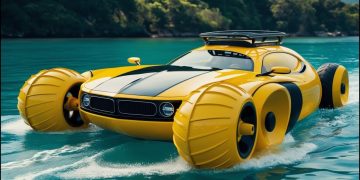

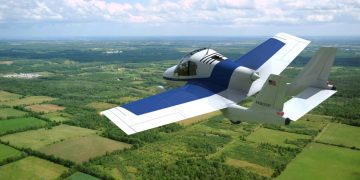
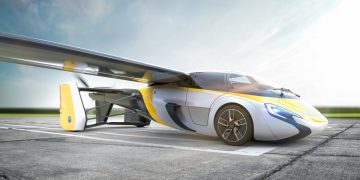
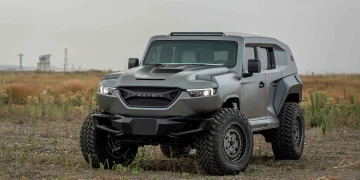
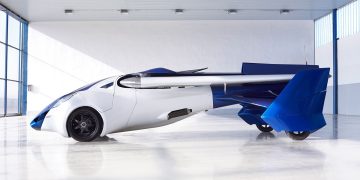
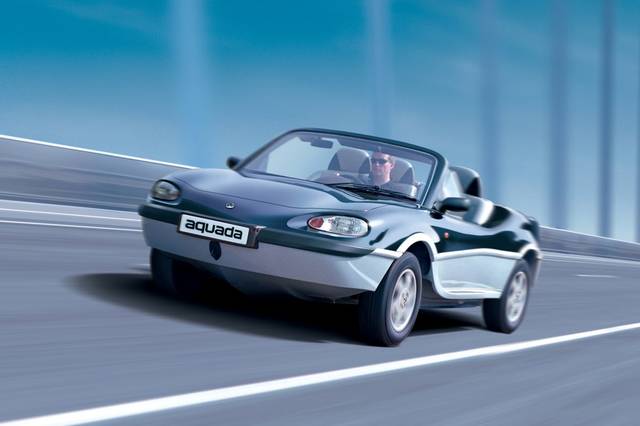
The future of transportation is becoming increasingly dynamic, and one of the most intriguing innovations on the horizon is the amphibious vehicle. These versatile machines are designed to seamlessly transition between land and water, offering a unique blend of driving experiences that could redefine how we travel in both terrains. Amphibious vehicles have long been the stuff of dreams, but with advancements in technology, materials, and design, they are slowly but surely making their way toward mass adoption.
In this article, we will explore how future amphibious vehicles will provide a perfect fusion of land and water driving experiences, revolutionizing not only recreational travel but also changing the way we think about mobility in the modern world.
1. What Are Amphibious Vehicles?
Amphibious vehicles are vehicles that can operate both on land and on water. They are typically equipped with specialized features that allow them to function in two different environments. Traditional amphibious vehicles were often rudimentary, designed for specific uses like military applications or recreational fun, but the technology has advanced significantly.
Some key features of amphibious vehicles include:
- All-Wheel Drive (AWD) for land operations, ensuring the vehicle is capable of handling various terrains such as dirt, sand, or rough roads.
- Water Propulsion Systems: Most modern amphibious vehicles use a propeller, water jet, or tread-based propulsion system for navigating across water.
- Sealed and Waterproof Designs: Amphibious vehicles are designed with watertight cabins, hydrophobic materials, and waterproof seals to prevent damage from exposure to water.
- Foldable or Retractable Wheels: In some designs, wheels retract into the body of the vehicle when transitioning to water, allowing the vehicle to float more easily and be streamlined.
Future amphibious vehicles will combine these traditional elements with cutting-edge technologies to create a driving experience that is both thrilling and functional, whether on land or in water.
2. Seamless Transition Between Land and Water: The Core of Future Amphibious Vehicles
One of the key challenges faced by existing amphibious vehicles is the transition between land and water. Currently, these transitions can be clunky, requiring manual adjustments, and sometimes even external help (e.g., towing or launching ramps). However, the next generation of amphibious vehicles will aim to make this process as seamless and effortless as possible.
a) Automated Transition Mechanisms
In the future, amphibious vehicles may incorporate automated systems that detect when the vehicle is approaching water and automatically adjust the vehicle’s structure for the transition. For example, hydraulic systems could retract or deploy wheels, adjust the body for better flotation, or activate water propulsion systems without requiring manual intervention from the driver.
For instance, vehicles might be equipped with a sensor-driven system that detects the waterline, prompting the vehicle to change from land driving mode to water mode, ensuring smooth operation.
b) Self-Balancing Technology
For amphibious vehicles to operate efficiently on water, they need to be able to balance properly and remain stable in rough waters. Future vehicles will likely incorporate self-balancing technologies, similar to those used in modern electric scooters and bicycles, but much more advanced. These systems could use gyroscopic sensors to maintain stability on water, automatically adjusting the vehicle’s buoyancy and keeping it level even in turbulent conditions.
c) Hydrodynamic Design for Optimal Performance
Future amphibious vehicles will benefit from hydrodynamic design principles. Much like modern boats, amphibious vehicles will feature sleek, streamlined bodies that minimize drag in water while providing adequate stability. The shape of the hull, material composition, and engine power will all play a crucial role in ensuring that the vehicle performs well both on land and in water.
3. Enhanced Land Driving Experience: Performance and Comfort
On land, future amphibious vehicles will need to deliver a driving experience that rivals traditional land-based vehicles. This means they must offer powerful performance, comfort, and handling that meets the expectations of modern drivers.
a) Off-Road Capability
Amphibious vehicles must excel in off-road conditions if they are to be versatile and useful. Thanks to advancements in all-terrain vehicle (ATV) technology, future amphibious vehicles will be equipped with advanced suspension systems, large, rugged wheels, and all-wheel drive to handle everything from rocky trails to sandy beaches.
These vehicles will also have the ability to adapt to different terrains with features like adjustable ride heights, making it easy to navigate over rocks, through mud, or on uneven surfaces.
b) Comfort Features
Future amphibious vehicles will need to provide a high level of comfort, even when transitioning from water to land. This means more sophisticated suspension systems to absorb shocks and vibrations on rough terrain, as well as sound insulation to ensure a quiet ride. Climate control and ergonomic seating will be standard, making these vehicles suitable for long journeys or multi-purpose use.
c) Efficient Powertrains
To ensure powerful performance on land, future amphibious vehicles will likely be equipped with hybrid or electric powertrains. Electric motors provide instant torque, which can be especially useful for navigating challenging terrain, while hybrid engines offer long-range capability. Battery efficiency will also improve, ensuring that these vehicles are as practical on land as they are on water.
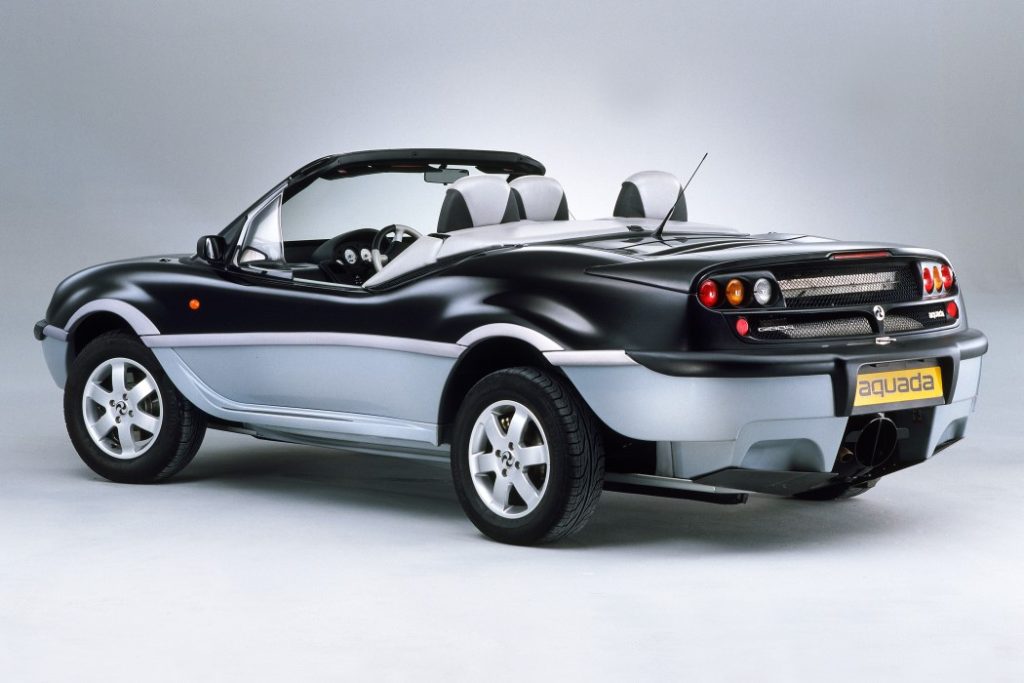
4. Mastering the Water Driving Experience: Smooth Navigation on Lakes, Rivers, and Oceans
While amphibious vehicles are designed for land, the true test of their capabilities lies in the water. Navigating bodies of water—from lakes to rivers to the open sea—requires a very different set of skills and features than driving on land.
a) Water Propulsion Systems
The next generation of amphibious vehicles will feature advanced water propulsion systems. These could range from jet engines for high-speed travel on water to screw propellers or paddle wheels for more leisurely cruises. One innovative solution might involve water-jet propulsion—similar to the systems used on modern jet skis and small boats—to provide both speed and maneuverability.
b) Low-Speed Maneuvering Capabilities
In addition to high-speed water travel, amphibious vehicles will also need to excel in low-speed, precise maneuvering. Whether navigating through narrow channels or docking at a shoreline, the vehicle’s ability to turn, reverse, and maintain control at low speeds will be critical for practical use. Rudder steering, variable throttle control, and advanced navigation aids will be essential for ensuring smooth handling in aquatic environments.
c) Watercraft Stability and Buoyancy
Stability and buoyancy are two of the most important factors for amphibious vehicles when in water. Hull design and weight distribution must ensure that the vehicle is not only buoyant but also stable enough to withstand waves and rough water conditions. Additionally, future amphibious vehicles will be equipped with active stabilization systems to ensure smooth travel even in choppy waters.
5. Real-World Applications and Use Cases
The potential for amphibious vehicles is vast, and the technology has applications across several industries:
a) Recreational Use
Amphibious vehicles are already popular among adventurers who want to experience both land and water-based exploration. Future models will be more user-friendly, offering comfort and reliability, making them ideal for people who enjoy camping, touring, or off-road exploration.
b) Search and Rescue Operations
Amphibious vehicles could play a significant role in search and rescue operations. With the ability to navigate both land and water, these vehicles would be ideal for reaching remote areas that are difficult to access by traditional methods. Whether rescuing people stranded on an island or delivering supplies in flood-prone regions, these vehicles could save lives.
c) Military and Disaster Relief
Amphibious vehicles are highly valued in military and disaster relief situations due to their ability to traverse hostile or damaged environments. They can operate in flood zones, near coastlines, or across difficult terrain where conventional vehicles would struggle. Their versatility and adaptability make them invaluable tools for humanitarian missions and emergency responses.
d) Urban Mobility and Tourism
In the future, we could also see amphibious vehicles used in urban tourism, providing travelers with a unique experience that combines city tours on land and water cruises along rivers or harbors. In coastal cities with waterways, amphibious vehicles could offer an exciting new mode of sightseeing.
Conclusion: The Future of Amphibious Vehicles
As technology continues to evolve, future amphibious vehicles will provide an unmatched combination of land-based mobility and waterborne capabilities, delivering an experience that no other vehicle can offer. With automated transitions, advanced water propulsion systems, and unparalleled comfort, these vehicles will make it easier to navigate the modern world, whether on land or water.
From recreational use to practical applications in military, disaster relief, and urban tourism, amphibious vehicles represent a key innovation that could redefine how we think about travel and mobility in the future. By seamlessly blending the best features of land and watercraft, they may very well change the way we move across the globe.