



















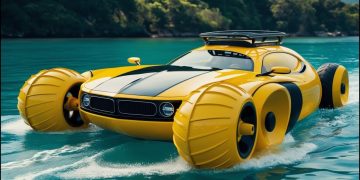
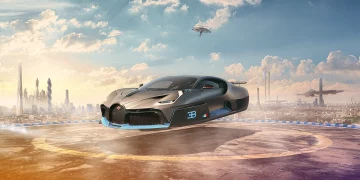
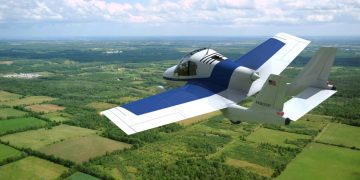
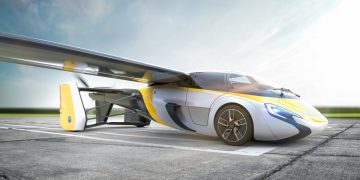
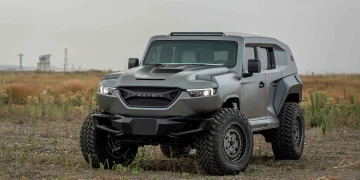
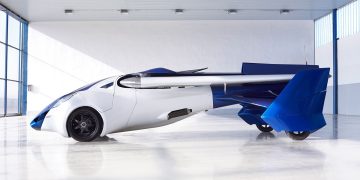
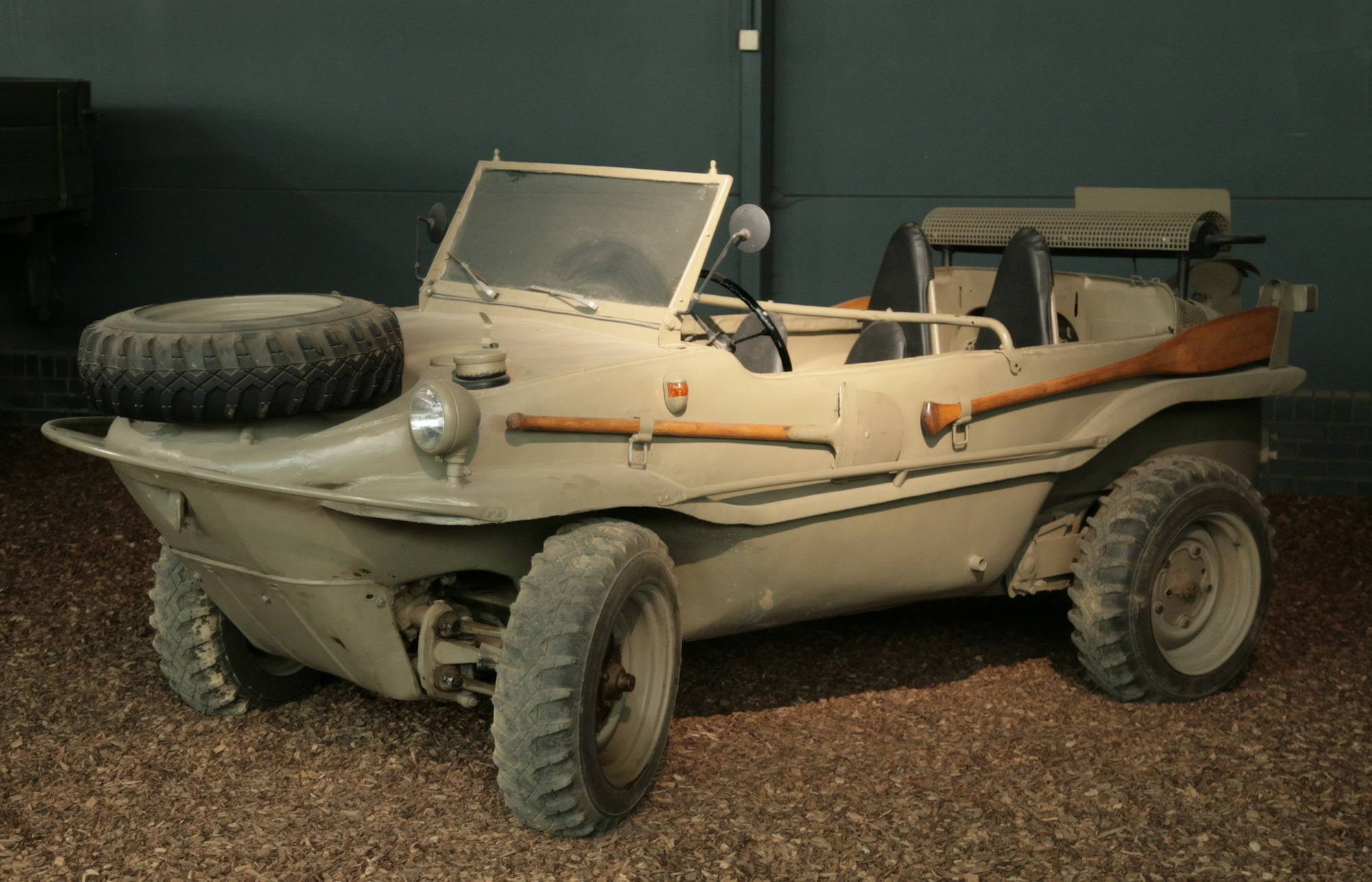
For adventure enthusiasts, the call of the wild often comes with the desire to explore places that are difficult to reach—whether it’s crossing vast deserts, venturing through dense forests, or navigating treacherous waters. As outdoor exploration continues to gain popularity, the demand for versatile and capable vehicles that can conquer a wide range of environments is growing. One such vehicle that stands out in this regard is the amphibious vehicle.
But can amphibious vehicles truly provide adventurers with a whole new way to experience the world, bridging the gap between land and water? The answer lies in their ability to seamlessly transition between different terrains, offering unprecedented mobility, freedom, and accessibility for those seeking adventure.
1. Breaking Boundaries: What Makes Amphibious Vehicles Ideal for Adventure?
At their core, amphibious vehicles are designed to be versatile—to handle both land and water, making them a perfect companion for those who seek the thrill of exploring remote, hard-to-reach places. Traditional vehicles are limited to land-based travel, while boats are confined to water. Amphibious vehicles, on the other hand, are able to conquer both environments, offering adventure seekers the ability to traverse areas that might otherwise be inaccessible.
a) Versatility for Diverse Terrains
For adventurers, the ability to easily navigate between land and water opens up new opportunities for exploration. Imagine being able to drive your vehicle across rugged trails, then seamlessly enter a lake or river, continuing your journey on the water without needing to unload or swap modes of transportation.
- Off-Roading: On land, these vehicles can be equipped with all-terrain tires and advanced suspension systems to handle rocks, sand dunes, muddy roads, or mountain trails. This makes them ideal for those who love exploring remote locations where traditional vehicles struggle.
- Water Navigation: Once you hit a body of water, an amphibious vehicle can switch to watercraft mode, offering propellers, jet engines, or tread-based propulsion systems to ensure smooth sailing across rivers, lakes, or even coastal waters.
This fluid adaptability allows for non-stop adventure, removing the barriers that traditionally separate land exploration from waterborne travel.
2. Reaching Uncharted Territories
Traditional vehicles are limited by geography, especially in areas with rivers, lakes, or marshes that make conventional land routes impossible. Similarly, many waterways are not navigable by standard boats or ships. Amphibious vehicles break through these limitations, enabling access to regions where land and water meet, such as coastal jungles, river deltas, or islands that are cut off from the mainland.
- Exploring Islands: For adventurers who seek isolated islands or hidden coves, amphibious vehicles make it possible to drive right up to the water’s edge, then switch to water mode and cruise to your destination.
- River and Wetland Exploration: Vast wetlands, marshes, and river systems often present navigation challenges that make land-based vehicles and boats unsuitable. With amphibious vehicles, adventurers can traverse through these environments with ease—whether it’s crossing a flooded forest, driving across a large river, or journeying along a shoreline.
b) Expanding Boundaries in Remote Locations
Many extreme adventure sports and explorations require specialized vehicles, whether for search-and-rescue operations or as part of an expedition to the poles, deserts, or dense forests. With the power to adapt to such varied landscapes, amphibious vehicles can transport adventurers into the heart of remote regions, ensuring that even the most inaccessible places are within reach.
For instance:
- Polar Regions: Exploring glaciers or ice-covered seas has traditionally required multiple modes of transportation, such as snowmobiles, specialized vehicles, and boats. Amphibious vehicles could significantly reduce the logistical complexity of these expeditions.
- Desert Oases: Crossing deserts with vast sand dunes often requires vehicles with high ground clearance and the ability to float across desert lakes or streams. With amphibious capabilities, adventurers can transition effortlessly from dry sand to water and back, enhancing the entire exploration experience.
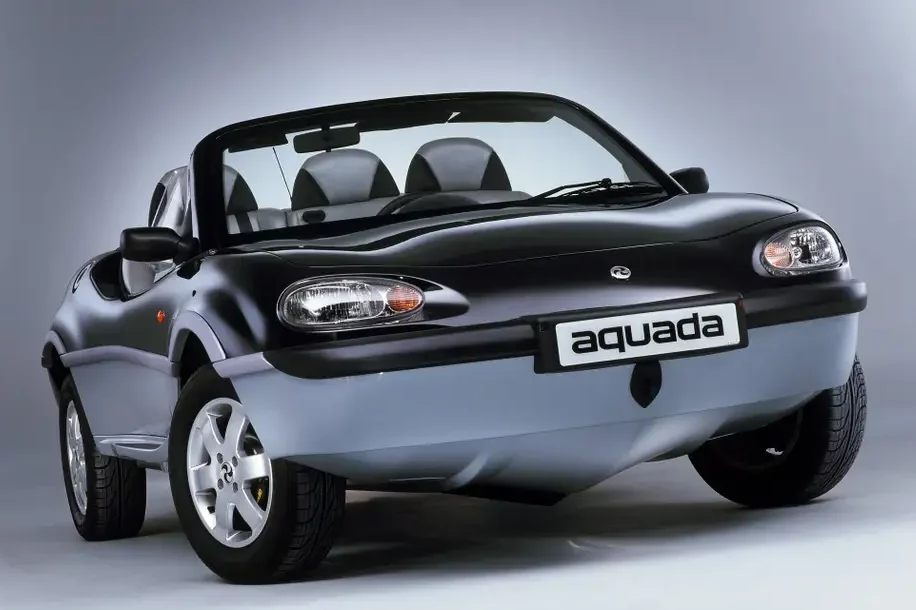
3. Adventure Without Limits: The Thrill of Freedom
One of the core aspects that makes adventure so appealing is the feeling of freedom—the ability to roam, explore, and chart your own path. Traditional vehicles, while impressive in their own right, are often constrained by geographical features and the natural barriers of land and water. With amphibious vehicles, this freedom is amplified.
a) Limitless Exploration
Amphibious vehicles allow adventurers to escape the usual constraints of roadways and waterways, offering a new kind of journey. For example:
- Coastal Adventures: Drive from land to sea, exploring coastal regions or remote beaches. Once on the water, adventurers can explore hidden coves, mangroves, or waterfalls, providing a completely different perspective of the landscape.
- Connecting Ecosystems: Amphibious vehicles make it possible to connect various ecosystems—forests, wetlands, beaches, and lakes—in a single journey. Instead of choosing between land-based or water-based activities, you can experience both, creating a multi-dimensional adventure.
b) The Joy of Versatility
The transition between land and water is not just practical—it’s exciting. Amphibious vehicles provide a level of adrenaline that traditional vehicles or boats simply cannot. The smooth transition from driving on rugged terrain to gliding on water offers a unique thrill, giving adventurers a sense of immense freedom as they navigate new terrains, never worrying about obstacles ahead.
4. Practicality for Extended Adventures
For long-term exploration and multi-day adventures, having the ability to use the same vehicle on both land and water makes life significantly easier for adventurers. With amphibious vehicles, you can carry necessary gear, set up camp, and navigate vast territories without worrying about equipment or logistics.
- Self-Sufficiency: Amphibious vehicles provide self-contained mobility, enabling adventurers to travel across terrains that would usually require multiple vehicles or methods of transportation (e.g., 4×4 vehicles, boats, ATVs). This self-sufficiency enhances the practicality of multi-modal expeditions.
- Longer Duration of Exploration: These vehicles allow for extended trips without the need for stopping and switching between different transportation types. Fuel efficiency (via hybrid or electric powertrains) and advanced navigation systems also ensure a smoother, more efficient experience, meaning fewer interruptions during your journey.
5. Adventure with a Purpose: Environmental Impact and Sustainability
While amphibious vehicles open up new worlds for adventurers, they also provide a sustainable alternative for travel. Many of the upcoming designs prioritize eco-friendliness with electric or hybrid powertrains that reduce fuel consumption and lower carbon emissions, making them an ideal choice for eco-conscious adventurers.
The ability to travel across natural ecosystems with minimal disruption ensures that these vehicles could play an essential role in environmental conservation and sustainable tourism. For those passionate about preserving the wild while exploring it, amphibious vehicles offer an exciting, green solution.
Conclusion: The Future of Adventure
In the coming years, amphibious vehicles are set to revolutionize the way adventurers explore our planet. By offering the ability to transition effortlessly between land and water, these vehicles will provide unparalleled access to some of the most beautiful and hard-to-reach places on Earth.
Whether you are a wildlife enthusiast, a road tripper, or a marine explorer, amphibious vehicles will give you the tools to turn your adventures into a unique, seamless journey. With the promise of freedom, efficiency, and versatility, these vehicles are a game-changer for those eager to experience the ultimate exploration.
For adventure seekers, the future has never looked more exciting. The era of limitless exploration is here—and it’s only just beginning.