













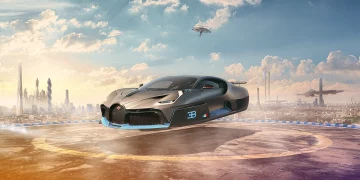
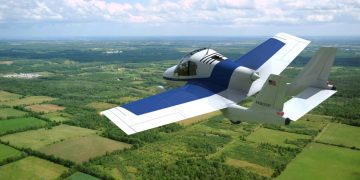
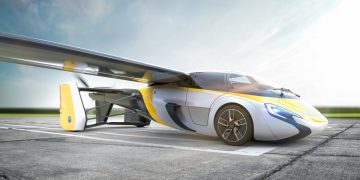

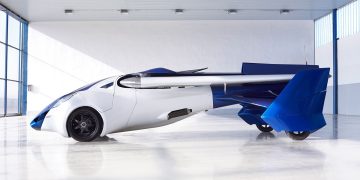
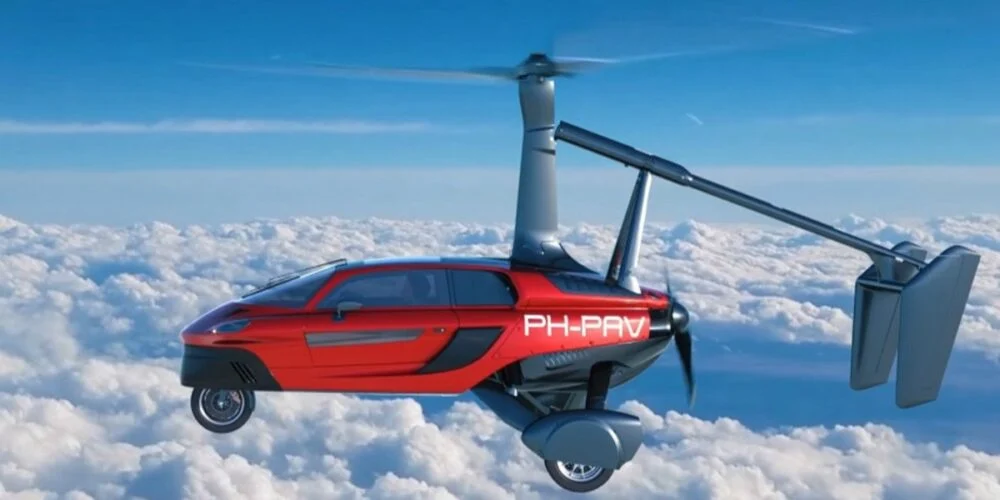
The future of transportation has always been a subject of speculation, often filled with imaginative visions of personal flying vehicles. Now, thanks to rapid technological advancements, flying cars are no longer confined to the realm of science fiction. With the development of electric propulsion systems, autonomous flight technology, and sophisticated materials, the flying car is poised to transition from an ambitious concept to a revolutionary mode of transportation. But does this mean that we are entering an entirely new era of travel? Will flying cars truly reshape how we move, and what kind of impact will they have on our daily lives, cities, and the global transportation landscape?
1. Technological Innovations Driving the Flying Car Revolution
Flying cars are no longer just theoretical; they are becoming tangible, with prototypes and test flights already demonstrating their potential. The core technologies behind these vehicles are evolving rapidly, making the idea of everyday flying cars a more feasible reality.
a) Electric Propulsion: Quiet and Efficient Flight
One of the most significant breakthroughs for flying cars has been the development of electric propulsion systems. Unlike traditional aircraft, which rely on fuel-powered engines, flying cars are being designed with electric motors that power multiple rotors or wings, making them quieter, more efficient, and environmentally friendly.
- Battery Efficiency: Advancements in battery technology, especially the development of solid-state batteries and lighter, more efficient lithium-ion batteries, are providing flying cars with the range and power needed for practical use. These improved battery systems allow flying cars to travel longer distances without needing to recharge, making them suitable for daily commutes or longer trips.
- Lower Emissions: Electric-powered flying cars will also contribute to reducing air pollution. Since they operate using electric motors, they emit little to no pollutants, making them a sustainable alternative to traditional cars and aircraft, which are major contributors to urban air pollution.
b) Vertical Takeoff and Landing (VTOL) Technology
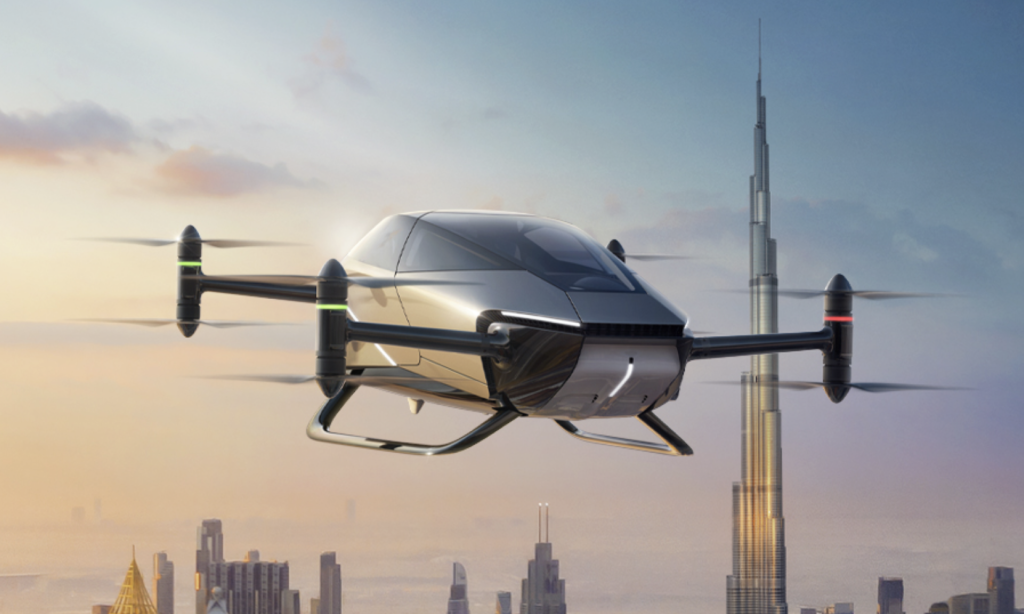
VTOL technology is a game-changer for urban mobility. Flying cars equipped with VTOL systems can take off and land vertically, like a helicopter, without needing traditional runways or helipads. This enables them to be used in urban environments, where space is often limited, and allows flying cars to operate in places where conventional aircraft cannot.
- Compact Design: VTOL flying cars are being designed to be compact and adaptable, fitting into existing infrastructure like parking garages, rooftops, or specially designated vertiports. This innovation eliminates the need for large runways, making flying cars feasible for cities with dense populations and limited space.
- Efficiency and Safety: VTOL systems provide greater maneuverability and safety during takeoff and landing, reducing the risk of accidents compared to traditional aircraft. The ability to take off and land in confined spaces makes flying cars more versatile and suited for a range of uses, from personal transportation to air taxis.
c) Autonomous Flight Systems
Another exciting advancement is the rise of autonomous flying cars. Leveraging artificial intelligence (AI), machine learning, and advanced sensors, autonomous flying cars are equipped to navigate without human intervention, making them safer and easier to use. These vehicles can detect obstacles, adjust flight paths, and make decisions in real-time to ensure safe and efficient operation.
- Collision Avoidance: Advanced sensors (like LIDAR, radar, and cameras) enable flying cars to detect surrounding objects and obstacles, avoiding collisions and maintaining a safe distance from other air traffic. This autonomous technology will make flying cars as safe as, if not safer than, modern ground vehicles.
- Route Optimization: Autonomous systems can also optimize routes based on weather, air traffic, and other variables, ensuring the fastest, safest path is taken. These systems could interact with air traffic control infrastructure to avoid congestion and reduce the risk of mid-air collisions.
d) Improved Materials for Lightweight Construction
For flying cars to become commercially viable, they need to be both light and strong. Innovations in aerospace-grade materials like carbon fiber, graphene, and lightweight composites have enabled manufacturers to build vehicles that are both durable and aerodynamic, without compromising on safety.
- Strength and Durability: These advanced materials ensure that flying cars can withstand the forces experienced during flight, from turbulence to rapid acceleration. They also allow for energy efficiency by reducing the overall weight of the vehicle, which improves battery life and flight time.
2. What Would the Arrival of Flying Cars Mean for Transportation?
If flying cars become widely adopted, they could fundamentally change the transportation landscape. From reducing traffic congestion to altering the nature of travel and logistics, the impact of flying cars could be profound.
a) Reducing Traffic Congestion in Urban Areas
Cities around the world are plagued by gridlock and traffic jams, especially during rush hours. With flying cars, people would have the ability to take to the air, bypassing traditional ground-based traffic entirely.
- Decongesting Roads: With a network of flying cars in the skies, there would be fewer cars on the road, reducing congestion, lowering travel times, and improving the quality of life for commuters. This could also lead to the transformation of urban spaces, where roads could be used for other purposes, such as green spaces or pedestrian zones.
- Fast, On-Demand Travel: Flying cars would allow people to travel on-demand, without having to wait for traditional public transport or deal with the unpredictability of ground traffic. This flexibility could be especially valuable for those living in densely populated urban centers.
b) Boosting the Urban Air Mobility (UAM) Industry
The rise of flying cars could spark the development of an entire urban air mobility ecosystem. Companies could build vertiports for flying car takeoff and landing, air taxi services could thrive, and new forms of delivery systems could emerge.
- Air Taxis: Flying cars could be deployed as on-demand air taxis, offering a quicker and more efficient alternative to traditional ride-sharing services. This would be especially beneficial in megacities where traditional taxis are often caught in traffic. Services like Uber Air are already testing prototypes for this concept.
- Autonomous Cargo Transport: Flying cars could also be used for delivering goods more quickly across cities. This would make logistics more efficient, cutting down on delivery times and reducing the carbon footprint of traditional truck-based transport.
c) New Infrastructure and Urban Planning
The widespread use of flying cars would require a complete overhaul of urban infrastructure. Cities would need to design and build vertiports or airports dedicated to flying car takeoffs and landings, as well as air traffic control systems capable of managing multilayered airspace.
- Smart Cities: The future of flying cars is closely tied to the rise of smart cities. These cities would integrate flying cars into their existing infrastructure through advanced traffic management systems, urban air corridors, and real-time data analytics to optimize travel flow both on the ground and in the air.
d) Environmental Impact: Cleaner, Greener Mobility
The shift to electric-powered flying cars could significantly reduce the environmental footprint of personal and commercial transportation.
- Lower Emissions: Electric flying cars would emit fewer pollutants than traditional vehicles, particularly in densely populated cities. This could reduce urban smog, improve air quality, and help cities meet their carbon reduction targets.
- Sustainable Urban Mobility: As flying cars become more efficient and widespread, they could become an integral part of a larger sustainable mobility network, alongside electric cars, buses, and trains.
3. Challenges and Hurdles to Overcome
Despite the promising future of flying cars, several obstacles remain before they can be fully integrated into mainstream transportation systems.
- Regulations and Air Traffic Control: Governments and regulatory bodies need to establish new air traffic control systems that can handle the influx of flying cars. This includes airspace management, flight path planning, and safety standards to ensure secure operations.
- Public Perception: There may be concerns about the safety and reliability of flying cars. While autonomous technology is improving, convincing the public to embrace flying cars will require thorough testing and a robust track record of safety performance.
- Cost and Accessibility: Initially, flying cars will be expensive, limiting their accessibility to a certain demographic. Over time, however, as technology advances and production scales, prices are expected to decrease, making flying cars more accessible to the general public.
4. Conclusion: Entering a New Era of Transportation
The technological advancements in flying cars signal the dawn of a new era in transportation. By breaking the constraints of ground-based travel, enabling faster and more efficient commutes, and providing sustainable mobility solutions, flying cars could revolutionize how we navigate the world. However, this transformation will require continued innovation, collaboration between tech companies and governments, and a shift in how we think about transportation in the modern age.
As we begin to see these vehicles take to the skies, the question is no longer “if” but “when” flying cars will become an integral part of our daily lives—and with it, a new chapter in the history of mobility will begin.