
For over half a century, the Mercedes-Benz S-Class has stood as the undisputed benchmark for luxury sedans—a car that doesn’t just reflect the pinnacle of automotive technology, but often invents it. Since its postwar consolidation in the 1970s, each new generation of the S-Class has defined what the world expects from flagship sedans: unmatched comfort, cutting-edge safety, and seamless innovation. But now, in 2025, as the automotive world pivots toward electrification and digital experiences, the question arises: Is the S-Class still the gold standard, or has it been surpassed by its own electric sibling, the EQS, and its tech-savvy competitors?
To answer that, we must trace its flagship legacy, examine the interior revolution brought by the latest generation’s MBUX Hyperscreen and rear-seat upgrades, and compare how the traditional S-Class distinguishes itself from Mercedes’ futuristic EQ series.
A 30-Year Evolution of a Flagship
The S-Class lineage is more than just an automotive history—it’s an anthology of how the luxury sedan has evolved alongside human progress. Across the past three decades, each generation has introduced features that later trickled down into the broader automotive world.
- W140 (1991–1998): Famously dubbed the “tank” S-Class, this generation introduced double-glazed windows, power-assisted door closers, and early versions of stability control. It was a symbol of late-20th-century German excess—brutal, imposing, and filled with analog luxury.
- W220 (1999–2005): Slimmed down and smoothed out, this model introduced active suspension and advanced telematics. It shifted from intimidation to elegance while embracing early digital interfaces.
- W221 & W222 (2006–2020): These generations polished the formula, bringing in adaptive cruise control, night vision, and gesture-controlled ambient lighting—each wave layering complexity onto classic luxury.
- W223 (2020–present): The current S-Class, still in production in 2025, leans into seamless tech. Gone are rows of buttons; in their place: the immersive MBUX system, capacitive touch, and predictive AI driving assistance.
Through it all, one truth has remained: the S-Class doesn’t chase trends—it quietly invents the features that become standards a decade later.
Interior Revolution: MBUX Hyperscreen and Rear-Seat Theater
Step into the 2025 S-Class and you’re not just entering a car—you’re entering a digital chamber tailored to your mood, your route, and even your biometric preferences. The centerpiece is the MBUX Hyperscreen, Mercedes’ most ambitious attempt to blend luxury and computing.
- Hyperscreen Overview: Spanning nearly 56 inches across the dashboard, this ultra-wide curved OLED display combines the instrument panel, infotainment screen, and front passenger interface into a single glass surface. It’s not just visually stunning—it’s responsive to haptics, voice, and contextual behavior. The system learns your habits and anticipates your needs, such as adjusting climate control or suggesting preferred destinations based on calendar integration.
- Zero-Layer Design: Gone are the sub-menus. The latest interface brings functions to the forefront through AI prediction. Need to call your spouse after work? The car already knows. Driving through your favorite coffee spot? It suggests a detour, then resumes your route seamlessly.
- Rear Seat Experience: But perhaps where the S-Class truly shows its flagship DNA is in the back. The 2025 long-wheelbase variant offers what can only be described as a private jet on wheels:
- Reclining lounge seats with heated calf rests.
- 4D surround sound via Burmester audio.
- Independent rear MBUX tablets that sync with entertainment systems, allowing rear passengers to watch different content or control navigation and climate functions.
- Active ambient lighting that syncs with media and driving modes.
This is no longer a “driver’s car”—it’s a chauffeur-driven digital sanctuary for the most demanding clients in the world.
Craftsmanship and Calm
Despite its embrace of futurism, Mercedes has not abandoned tactile luxury. The materials remain a masterclass in restraint: natural grain wood, brushed aluminum, Nappa leather, and tactile buttons that click with surgical precision. What truly sets the S-Class apart is the focus on perceived calm—from active noise cancelation to an air-suspension system that pre-tilts the car during cornering to reduce lateral stress on the passenger. It’s luxury you don’t have to see—it’s something you feel.
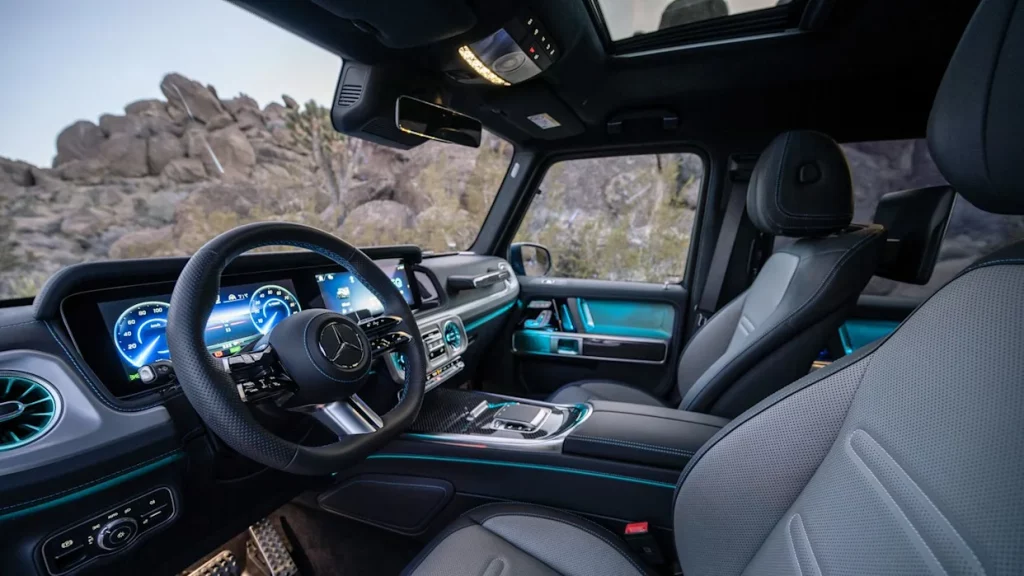
S-Class vs. EQ Series: Tradition vs. Tech-First Philosophy
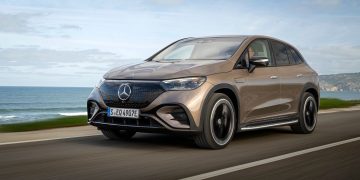
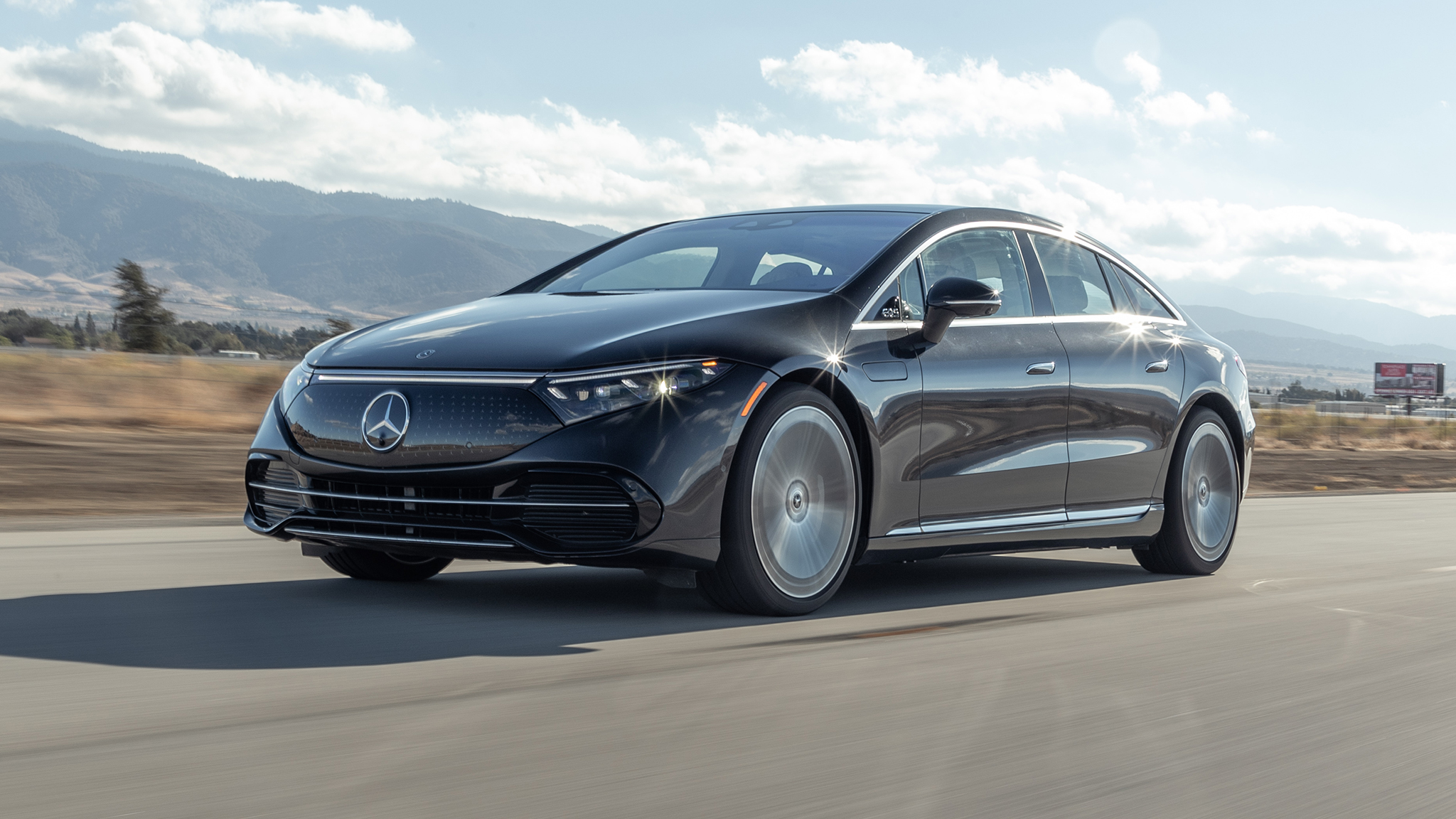
So how does the S-Class stack up against its increasingly ambitious electric sibling, the EQS? Mercedes has made it clear that the two are not meant to replace one another—they’re parallel expressions of modern luxury, each tailored to a different worldview.
- Design Language: While the EQS opts for the “one-bow” design that prioritizes aerodynamics and range, the S-Class sticks with a more upright, commanding profile that still whispers power in diplomatic circles.
- Driving Dynamics: The S-Class retains a combustion-based smoothness and weight balance that longtime Mercedes loyalists still find unmatched. It’s about gravitas. The EQS, while agile and whisper-quiet, has been criticized for digital steering feel and over-sanitized character.
- User Base: S-Class owners tend to be loyalists—ambassadors, executives, and dignitaries who grew up with internal combustion luxury. The EQS, meanwhile, appeals to technophiles, green capitalists, and younger buyers willing to trade leather for vegan interiors and prioritize charging over fueling.
Even in 2025, the S-Class represents a different kind of exclusivity—not necessarily forward-looking in the electric sense, but deeply invested in analog charm and the best possible execution of what we already know.
Still the Benchmark—But with New Contenders
Is the S-Class still the gold standard? In many ways, yes. No other luxury sedan offers such a refined, balanced approach to design, tech, and comfort. But the competition is closing in.
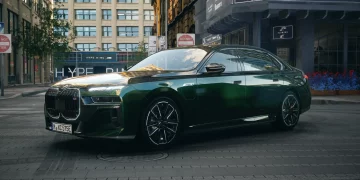
- BMW 7 Series: With its wild interior lighting and more aggressive driver profiles, the 7 Series feels like the louder cousin at the luxury table.
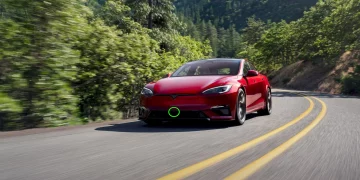
- Lucid Air Sapphire and Tesla Model S Plaid: These electric sedans blow past the S-Class in straight-line speed and digital connectivity, but fall short in material finish, long-term comfort, and heritage.
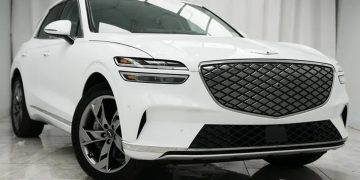
- Genesis G90 and Lexus LS: These relative newcomers have upped their game significantly, offering opulent interiors at lower price points, but lack the weight of decades of leadership.
What keeps the S-Class at the top is not simply its features, but the total experience: a feeling of thoughtful, patient engineering paired with cultural gravitas. It’s the car heads of state trust, not because of specs, but because of what it represents.
Conclusion
In 2025, the Mercedes-Benz S-Class remains not just relevant, but regal. While it no longer monopolizes the luxury conversation—now sharing the spotlight with high-tech disruptors and EV flagships—it continues to define a uniquely European, deeply tactile, and emotionally intelligent kind of luxury. With the MBUX Hyperscreen, upgraded passenger experience, and traditional craftsmanship intact, it reminds the automotive world that true flagship status is not just earned by innovation, but by consistency.
The S-Class hasn’t been replaced. It’s simply evolving alongside its competitors—still leading, but in a quieter, more confident way. For those who seek a rolling expression of restraint, precision, and prestige, the S-Class continues to be the definitive gold standard.