


The automotive world is undergoing a silent revolution—literally. As flagship sedans migrate from thunderous V12 engines to whisper-quiet electric drivetrains, a new question arises at the top of the luxury pyramid: can an electric sedan truly replace the visceral grandeur of a Maybach S680? Is the hum of electrons equal in symbolic power to the roar of a handcrafted internal combustion engine? And perhaps more importantly, are luxury buyers ready to redefine prestige around silence, sustainability, and software?
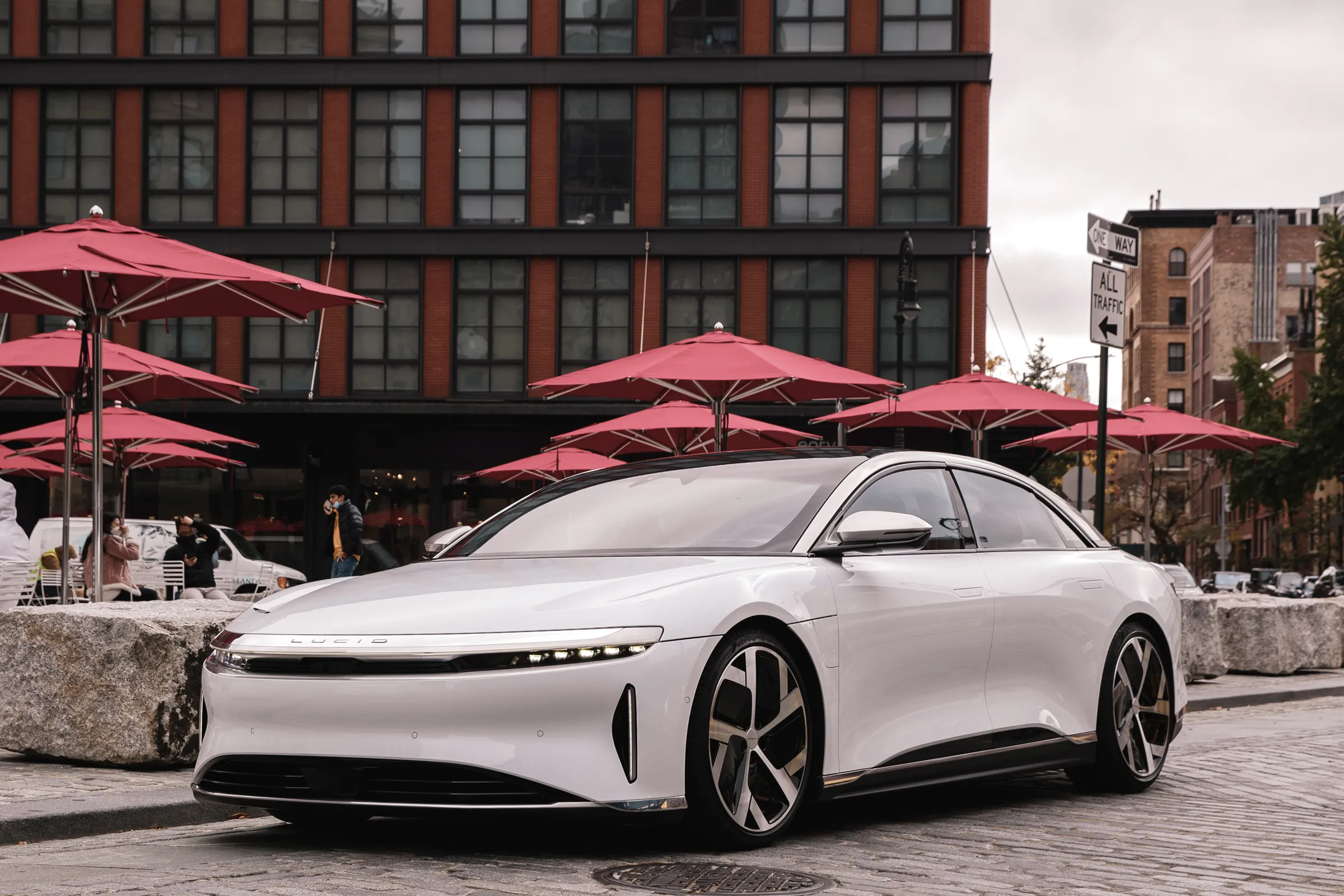
Electric sedans like the Lucid Air Sapphire, BMW i7, and Mercedes EQS are rewriting the rules of flagship luxury. They offer explosive torque, futuristic interiors, and connected ecosystems that far exceed what traditional engines could support. But does that mean the old-world charm and sensory depth of a V12-powered car have been eclipsed? Or are we just entering a new chapter of luxury—one that whispers rather than growls?
Lucid Air vs. BMW i7 vs. Maybach S680: A Prestige Showdown
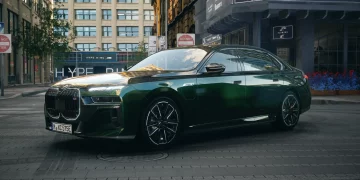
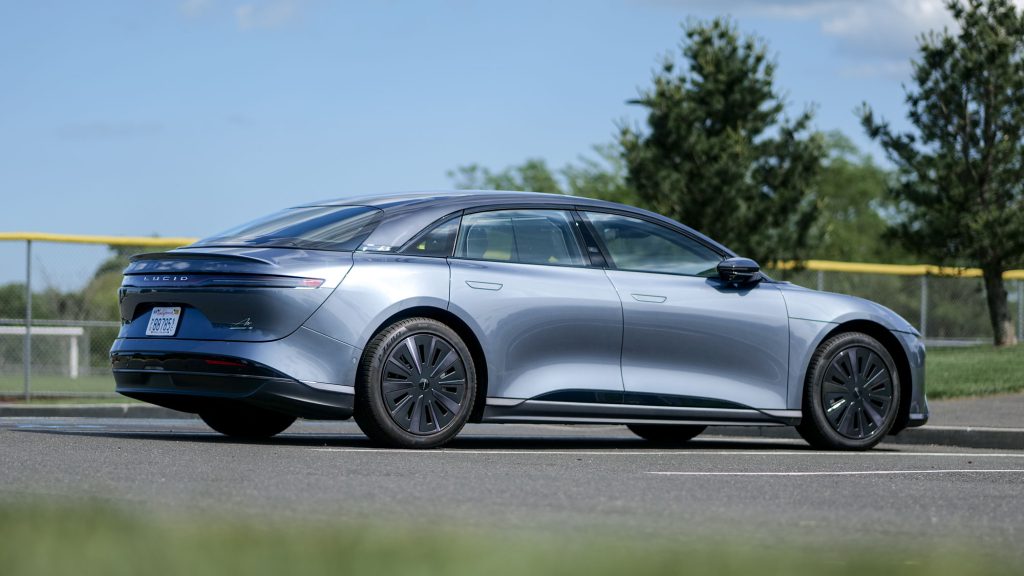
On paper, the comparison between the Lucid Air Sapphire, BMW i7 xDrive60, and Mercedes-Maybach S680 seems tilted in favor of the electric newcomers. The Lucid Air delivers 1,234 horsepower and a sub-2-second 0-60 mph sprint—performance numbers that humiliate even hypercars. The BMW i7 counters with all the poise of a traditional luxury sedan but layered with digitized elegance: a rear-seat theater screen, crystal control knobs, and adaptive LED interactions.
Yet, the Maybach S680 still holds something the EVs do not: heritage, gravitas, and that intoxicating mechanical soul. Its twin-turbo V12 isn’t just about numbers—it’s about experience. The low-frequency resonance of a twelve-cylinder combustion engine fills the cabin like a sound bath, syncing with heartbeat and breath in a way even the most refined artificial cabin acoustics cannot replicate. While the Lucid and BMW sedans showcase tomorrow’s luxury, the Maybach carries yesterday’s majesty—a romanticism that many collectors and old-money buyers still cherish.
But prestige is no longer solely defined by displacement or engine configuration. In an age of sustainability and digital sophistication, silent performance and software-defined experiences are becoming new status markers.
The Sound of Power: What Happens When It Disappears?
One of the most debated aspects of the EV transition in luxury sedans is the loss of engine sound. For decades, the acoustic identity of a V12 was a sonic signature of power and exclusivity. It wasn’t just about loudness; it was about tonal richness and mechanical authenticity. Even when muffled for luxury, the engine served as a reminder of the machine’s internal orchestration.
Electric sedans offer none of this. Instead, they provide a kind of meditative silence interrupted only by the faint whirr of motors and the occasional synthesized “engine note” played through speakers. For many, this is an upgrade. It enhances comfort, allows for better audio fidelity, and eliminates mechanical vibration. The cabin becomes a sanctuary—more luxury suite than locomotive.
But for traditionalists, this silence is sterile. The emotional feedback loop between car and driver—once governed by throttle input and exhaust response—has been severed. This is where prestige, for some, begins to erode. Without the sound and smell of combustion, can an electric flagship still command the same visceral awe?
Manufacturers are responding with creative countermeasures. BMW’s IconicSounds Electric, developed in collaboration with Hans Zimmer, offers a dynamic soundscape that changes based on drive mode. Lucid offers near-total silence in “Smooth” mode but introduces subtle aural cues in its more aggressive settings. Still, these digital soundtracks—however sophisticated—remain subjective experiences, and buyers will continue to divide between those who crave serenity and those who miss the soul of cylinders.
Torque Supremacy vs. Grand Touring Drama
Where electric sedans undeniably surpass their V12 predecessors is in torque delivery. Instantaneous acceleration, particularly from dual- or tri-motor setups, renders even the mightiest combustion engine laggy by comparison. The Lucid Air Sapphire doesn’t just match supercars—it resets the bar for luxury sedan performance. Its 0–60 time of under two seconds rivals Bugatti’s, and it does so with no drama, no screaming engines, just a surreal, spaceship-like shove.
This instantaneous power redefines what it means to be fast. But does it redefine what it means to be luxurious?
The answer is nuanced. For the modern executive who values productivity, time, and low-stress transport, the electric drivetrain offers an unmatched advantage. There’s no engine heat, no vibration, no gearshift interruptions—just seamless glide. EVs feel like they operate in a different dimension, where time and space distort gently instead of being shredded aggressively.
However, the narrative arc of a grand tour, with its rising revs, shifting gears, and throttled crescendo, is noticeably absent. Driving a Maybach S680 or even a Rolls-Royce Ghost offers a kind of ceremonial progression—the slow buildup of performance, the sonorous soundtrack, the tactility of motion. This analog drama is part of what luxury meant for over a century. Whether it’s replaceable by software-defined experiences remains a key debate in luxury garages.
Will Consumers Pay for ‘Silent Prestige’?
As electric sedans push deeper into the luxury space, a critical test looms: will ultra-high-net-worth individuals, many of whom grew up idolizing V12-powered limousines, truly embrace “silent prestige”?
Early signs suggest yes—but with caveats. Younger billionaires in tech hubs like California, Singapore, and Dubai are already gravitating toward EVs as symbols of progress and intellect. The Lucid Air Dream Edition and BMW i7 M70 are frequent guests in corporate valet queues and gated driveways where Teslas were once revolutionary. For these buyers, software, autonomy readiness, and sustainability matter more than engine lineage.
The aesthetic of luxury is also evolving. “Quiet is the new loud” is more than a design slogan—it reflects a deeper cultural shift. Consumers now associate minimalism, environmental responsibility, and digital empowerment with sophistication. The idea of polluting to impress is out. The idea of owning an overengineered, climate-neutral machine is in.
However, this trend is not universal. In markets like the Middle East, parts of Europe, and China’s old wealth circles, V12 sedans still reign supreme. The Maybach S680 continues to outsell many EV flagships in these regions, and traditional status symbols still hold sway. Here, engine capacity remains shorthand for social position.
Design Language: The EV as a Luxury Object
One area where electric sedans have made undeniable strides is in design and interior architecture. Freed from the constraints of traditional powertrains, EV platforms allow for flat floors, extended wheelbases, and radically spacious interiors. The BMW i7’s rear theater screen that folds down like a private jet monitor is a perfect example of how luxury has shifted from performance to experience.
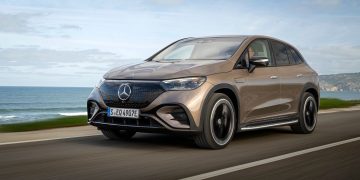
Meanwhile, Lucid takes a modernist approach: natural textures, sustainable materials, and wraparound glass create a mobile penthouse with Scandinavian calm. Even Mercedes’ EQS, while controversial in its exterior form, offers a hyperscreen dashboard that bridges old-world wood trim with hyper-modern UX.
In contrast, the Maybach S680 leans into old-school opulence: champagne flutes, chrome accents, and hand-stitched leathers. There’s something deeply satisfying about its analog beauty—but it’s also harder to justify in a world shifting toward climate sensitivity and digital elegance.
Conclusion: Redefining the Meaning of Prestige
So, can electric sedans deliver the same prestige as V12 flagships? The answer lies in how you define prestige.
If prestige means heritage, engineering complexity, and emotive sound, the V12 still reigns. If prestige means forward-thinking, technological sophistication, and conscious consumption, then the electric sedan may have already won.
The transition is not binary. For now, the world of luxury sedans will remain bifurcated—serving both those who romanticize the past and those who invest in the future. But as battery technology improves, synthetic soundscapes evolve, and luxury buyers redefine what they value most, the age of the electric flagship will not just arrive—it will dominate.
In the end, prestige isn’t about what powers the car. It’s about what it says about the person behind the wheel.