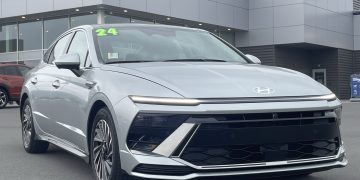
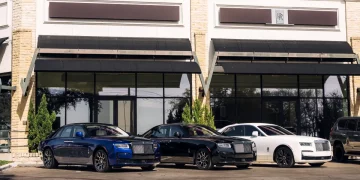
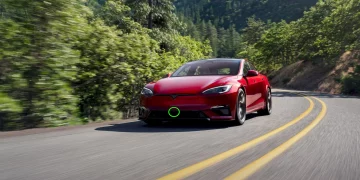


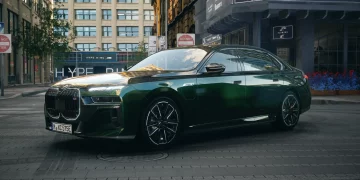














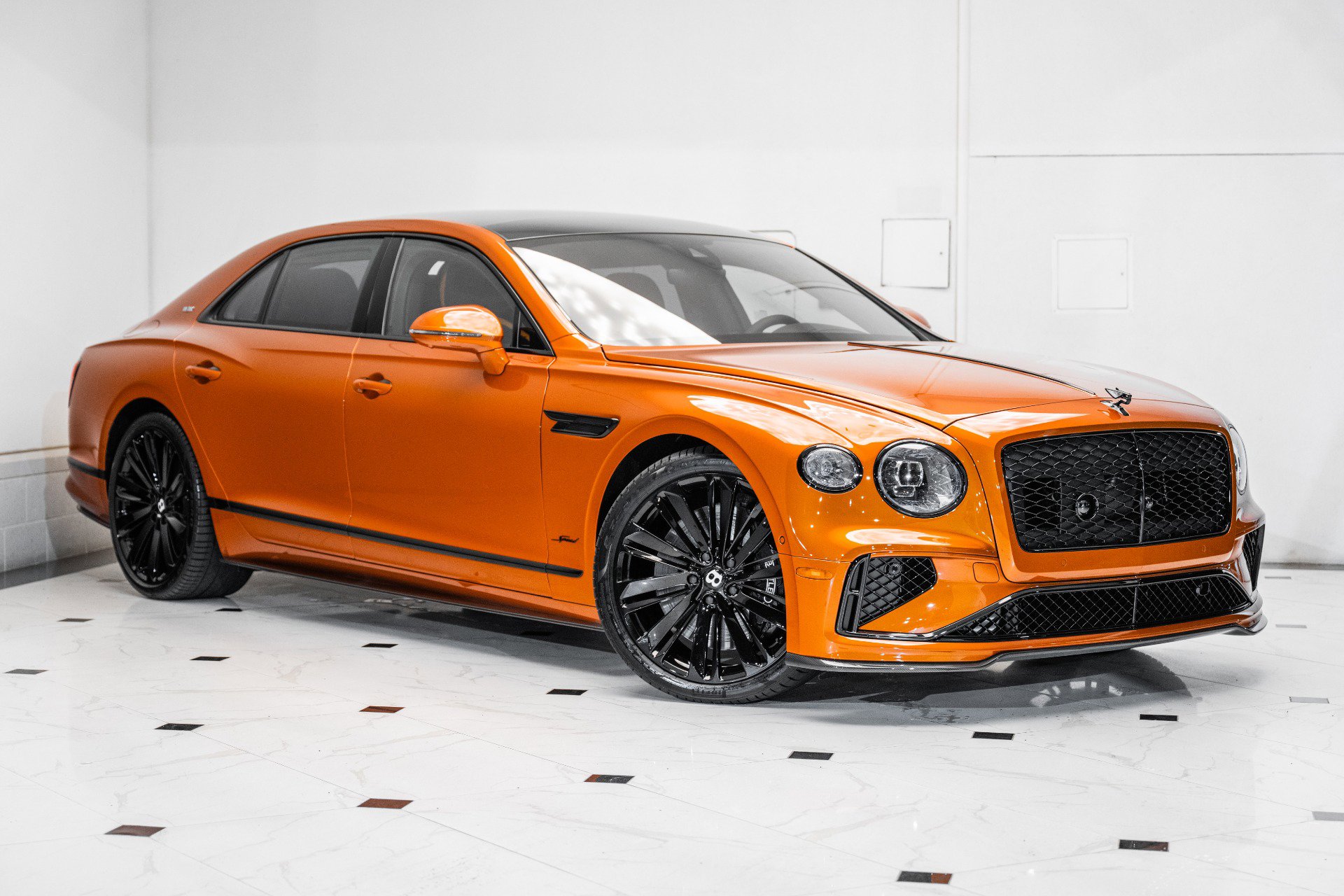
In 2025, the luxury automotive market is witnessing a surprising turn: compact sedans—once seen as utilitarian or entry-level—are becoming objects of desire at the highest end of the price spectrum. While the SUV boom continues globally, a parallel movement is gaining momentum: the rise of ultra-luxury compact sedans. These aren’t smaller versions of mainstream cars—they are exquisitely designed, finely crafted, and loaded with bespoke technology. From the Bentley Flying Spur Hybrid to limited-run Maybach concepts and coachbuilt Aston Martin four-doors, these compact statements are rewriting the rules of prestige mobility.
What’s driving this shift? Part of it stems from changing urban commuting patterns, where space and discretion are the new status symbols. But more deeply, it reveals how luxury brands are recalibrating what exclusivity means in a world that values smartness over size, refinement over ostentation. Let’s explore the roots of this resurgence, the psychological and cultural shifts behind it, and why a high-end small car doesn’t mean “entry-level” anymore.
From Stately Limousines to Agile Icons
Historically, large cars symbolized wealth. The longer the wheelbase, the greater the implied power. In postwar America and Europe alike, land yachts with stretched hoods and massive back seats were signs of corporate dominance and royal lineage. But the realities of 21st-century cities—congested roads, compact parking, tight driveways, and environmental scrutiny—have challenged that narrative.
Instead of shrinking budgets, today’s compact luxury sedans reflect a shrinking tolerance for impracticality. They embody a desire for elegance in smaller proportions—vehicles tailored to the needs of high-net-worth individuals who prefer to drive themselves around narrow European alleys, Asian megacity cores, or West Coast neighborhoods where a Rolls-Royce Cullinan feels overkill.
Enter the modern luxury compact: a car designed not to flaunt wealth with bulk, but to distill it. The Bentley Flying Spur Hybrid is a prime example—merging V6 efficiency with silent EV mode in a chassis that’s easier to maneuver and more efficient without sacrificing the smell of handcrafted leather or the sparkle of knurled metal. Similarly, Audi’s upcoming Horch-inspired A4-sized flagship hints at the same direction: precision, presence, and prestige—minus the sprawl.
Urban Realities and the Rise of Spatial Awareness
At the heart of this shift is a practical issue: space. In major cities like London, Tokyo, Paris, and Los Angeles, the sheer size of traditional luxury sedans has become a liability. Try navigating a BMW 7 Series or a Mercedes-Maybach S-Class through a century-old cobblestone district and you’ll understand why.
Modern luxury consumers are increasingly space-conscious—not just in terms of where they park, but how their car interacts with its environment. Key trends include:
- Concierge Commutes: Ultra-luxury cars are increasingly used for short, high-profile commutes—think CEOs going from penthouse to boardroom, or celebrities arriving at an event. A compact sedan offers elegance without the SUV bulk or limousine length.
- Discretion Over Display: The new luxury consumer values privacy. A sleek, subtle sedan says “in-the-know” rather than “look-at-me.” Especially in Asian markets, where ostentation can be frowned upon, a high-end compact allows wealth to whisper.
- Environmental Concerns: Compact cars with hybrid or electric powertrains fit neatly into emissions-restricted city zones. Flying Spur’s plug-in hybrid setup can run silent in EV mode for short city hops—a luxury move that doubles as an ecological statement.
These cars reflect an intelligence-first luxury model: the smartest choice for the setting, the occasion, and the planet. It’s not about shrinking ambition—just footprint.
Design Precision and the New Opulence
What makes a small luxury car feel expensive is not its size, but how meticulously that space is used. In fact, compact platforms allow designers to obsess over detail density—the ratio of design richness per square centimeter. This is where the new ultra-luxury compacts excel.
Interior treatments once reserved for flagship sedans are being miniaturized and even elevated:
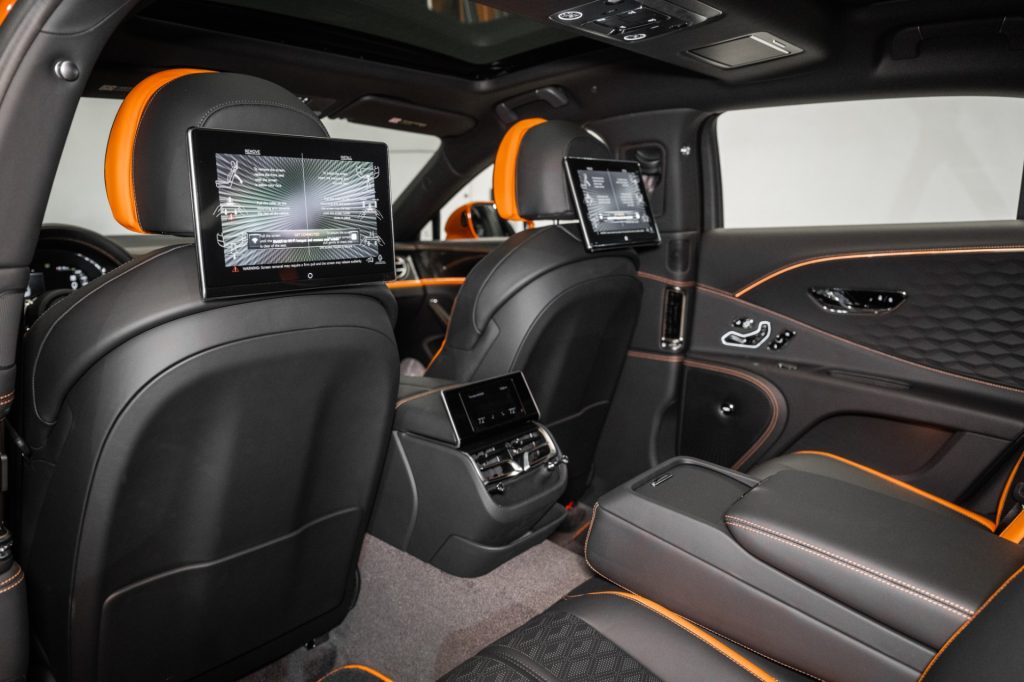
- Material Craftsmanship: Expect hand-stitched hides, rare wood inlays, and 3D-printed metal accents. Brands like Bentley and Aston Martin are offering personalization levels that let clients spec their initials in micro-perforated leather on door panels.
- Technology Miniaturization: Gone are clunky infotainment bezels. Instead, we’re seeing seamless OLED touchbars, augmented HUDs, and haptic feedback integrated into cabin surfaces. Compact cabins don’t mean fewer features—just smarter placement.
- Acoustic Engineering: Small doesn’t mean noisy. Luxury compacts now use active noise cancelation, double-laminated glass, and adaptive dampers to create a cabin experience as quiet and composed as their larger siblings.
It’s a return to jewelry-like precision, where every millimeter reflects intention, exclusivity, and craftsmanship. Brands are finding that by shrinking the size, they can amplify the detail—resulting in cars that feel like haute couture rather than mass luxury.
Reframing ‘Entry-Level’: Compact ≠ Affordable
There’s a common misconception that a smaller car means it’s somehow “lesser.” That logic doesn’t hold in today’s market. In fact, some compact sedans now command higher price tags than full-size models from mid-tier brands, precisely because they embody this philosophy of focused, bespoke refinement.
Take the following as examples:
- Bentley Flying Spur Hybrid Azure: Often priced above $250,000 when fully optioned, it may share dimensions with a mid-size sedan, but everything from its 3D-milled speaker grilles to its diamond-stitched headliner screams upper-echelon.
- Rolls-Royce Short Wheelbase Projects: Bespoke builds of shorter-length sedans for markets like Tokyo or Paris are sold to collectors as rare, city-specific commissions—complete with unique paint codes and cabin layouts.
- Coachbuilt Specials: Aston Martin Lagonda and even Bugatti are rumored to be working on ultra-luxury city sedans—likely to be hand-built in volumes under 50 units and priced in the $300K+ range.
In all cases, the messaging is clear: this isn’t about cutting cost. It’s about elevating intimacy. These vehicles are designed for the wealthy urbanite who already owns an SUV, a sports car, and a countryside retreat—they now want something exquisite for their daily rhythm.
Cultural Influences and the Prestige of Restraint
Globally, there is a cultural movement toward restraint as luxury. Loud, large, and exaggerated forms of wealth are increasingly being replaced by stealth luxury. Wearing a $50,000 watch without a logo, carrying an unbranded briefcase made of sharkskin, or driving a luxury car that fits in a compact garage—these are the new badges of affluence.
This philosophy is most evident in:
- Japan’s K-Car Culture: Where ultra-compact vehicles are engineered with astounding ingenuity and design discipline. Ultra-luxury brands are learning from this minimalist elegance.
- Scandinavian and European Urbanism: Where smaller vehicles align with clean city mandates and premium design language focuses on refinement, not excess.
- New Billionaire Archetypes: Many ultra-high-net-worth individuals now emerge from tech, sustainability, and creative industries. Their wealth is real, but their aesthetic is often more utilitarian, understated, and deliberate.
Compact luxury sedans offer the perfect format for this new mindset. They say: I value quality over quantity. I care about design, not dominance. I don’t need to be seen—I need to feel good.
Conclusion
The resurgence of ultra-luxury compact sedans in 2025 isn’t just a market correction—it’s a cultural revelation. These vehicles reflect the evolving priorities of the world’s most discerning consumers: smarter choices, urban agility, environmental sensitivity, and an appreciation for detail over display.
Cars like the Bentley Flying Spur Hybrid and similar bespoke compacts don’t just meet these needs—they anticipate them. They prove that a smaller car can offer a bigger statement when designed with vision, restraint, and precision. And they remind us that in the era of hyper-customization and spatial awareness, true luxury isn’t always about going big—it’s about going deep.