




















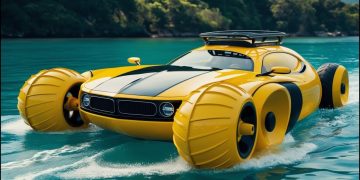


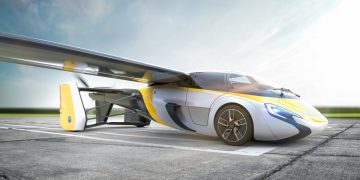

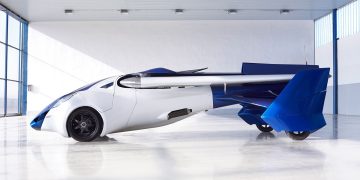
In an era where private jets have onboard showers and superyachts come with their own submarines, it was only a matter of time before someone asked: what if your luxury car could also drive on water? Enter the world of amphibious vehicles — machines capable of transitioning seamlessly between land and sea. Once a fantasy confined to James Bond films or military prototypes, luxury amphibious cars are now cruising into the real world with increasing legitimacy and flair.
But are these machines more than novelty toys for the ultra-rich? Can they genuinely solve mobility problems or open new categories of leisure transport? As vehicles like the WaterCar Panther and Gibbs Aquada evolve from garage experiments to functional status symbols, they’re challenging our assumptions about terrain, luxury, and the limits of automotive design. From regulatory obstacles to engineering marvels, and from billionaire playthings to potential lifestyle game-changers, amphibious cars may be ready to make a serious splash.
Meet the Amphibious Contenders: From Panther to Aquada
Two names dominate the emerging conversation around luxury amphibious vehicles: the WaterCar Panther and the Gibbs Aquada. Each represents a different approach to turning the hybrid dream — part car, part boat — into something real, reliable, and remarkably cool.
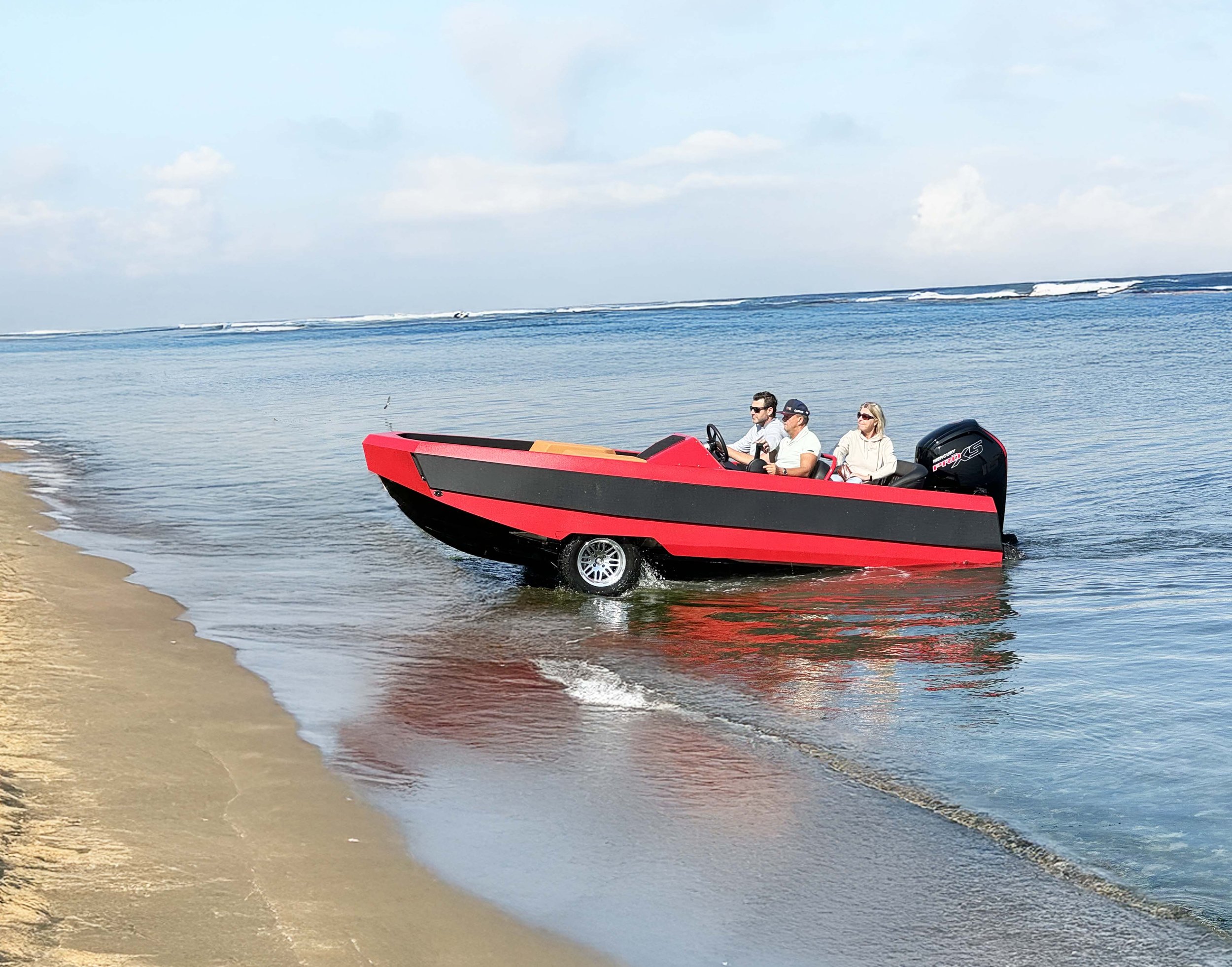
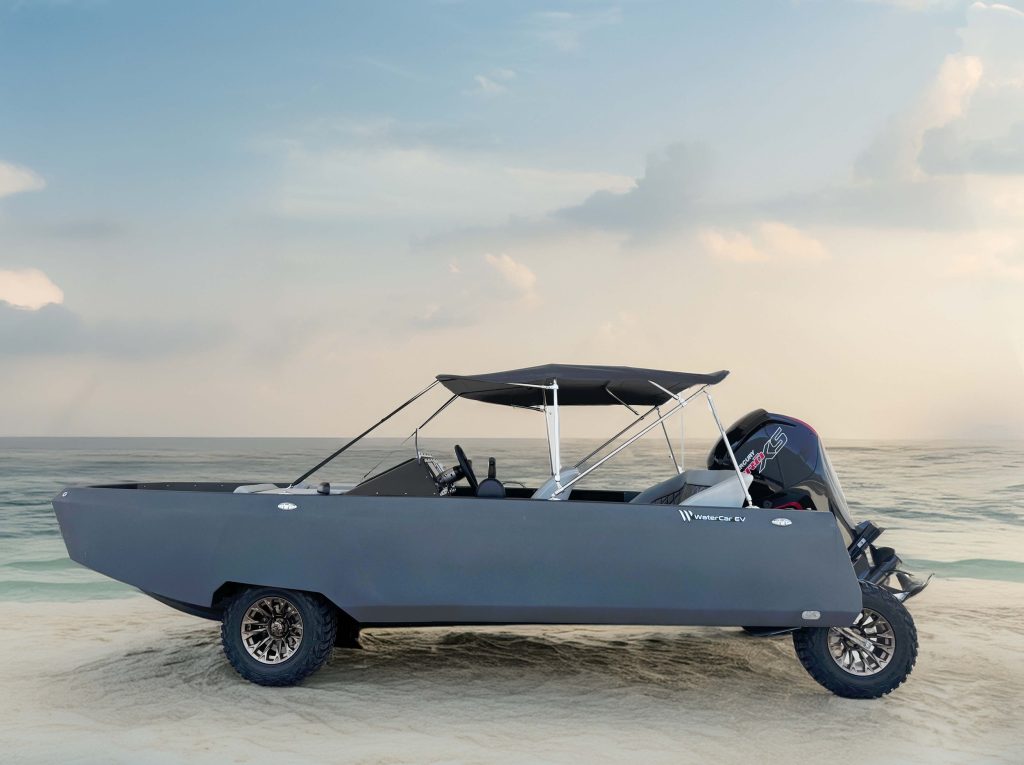
The WaterCar Panther, produced in California, is one of the fastest amphibious vehicles ever made for private use. Designed on the bones of a Jeep Wrangler but crafted with lightweight marine materials, it can hit around 80 mph on land and transform into a boat capable of 45 mph on water. It uses a Honda-sourced V6 engine and features retractable wheels, stainless steel components, and a custom jet propulsion system for aquatic navigation. Transitioning from land to water takes about 15 seconds, during which the Panther raises its wheels and engages its marine drive.
The Gibbs Aquada, a British-designed pioneer, gained global fame in 2004 when Sir Richard Branson used it to cross the English Channel. Unlike the off-road styling of the Panther, the Aquada leans toward a sleek roadster look, with performance built on Gibbs’ proprietary High-Speed Amphibian (HSA) technology. This system allows the vehicle’s wheels to retract into the body and initiate jet propulsion without stopping the vehicle — offering a smoother, faster transition.
Other models like the Gibbs Humdinga and experimental crafts from European startups are also surfacing, each offering their own mix of land performance and maritime agility. What binds them all is a single-minded ambition: to allow owners to drive straight into the water without hesitation — and without sacrificing luxury.
The Engineering Feats Behind Land-to-Water Transformation
Creating a vehicle that performs like a legitimate car and a real boat is one of the most complex challenges in automotive engineering. The design must account for conflicting needs: a rigid body for on-road performance, buoyant materials for flotation, corrosion resistance for saltwater, and a dual-propulsion system that functions across completely different mechanical environments.
Key innovations include:
- Multi-Mode Powertrains: Amphibious vehicles often use a single internal combustion engine connected to both a standard drivetrain and a marine jet system. The ability to shift between these outputs — often at the touch of a button — is the heart of the amphibious transition.
- Hydrodynamic Hull Design: Unlike conventional cars, the lower body must act as a displacement or planing hull. Flat-bottom designs with marine-grade composites reduce drag and increase stability on water.
- Retractable Suspension Systems: The wheels not only need to provide reliable suspension and grip on roads, but must also retract completely to minimize water resistance when in boat mode.
- Waterproofing & Rustproofing: From electronics to axles, nearly every component must be sealed and corrosion-resistant, requiring aerospace-grade sealing methods and advanced stainless steel alloys.
These innovations represent a blending of automotive and marine engineering — two traditionally separate domains — into one harmonious machine. The cost and complexity of this convergence partly explain the luxury price tag.
Not Just Playthings: Where Amphibious Cars Could Make Sense
While most amphibious vehicles are purchased as luxury toys — often to complement a beachside estate or a superyacht — their potential goes beyond leisure.
- Island Communities: In areas like the Florida Keys, the Maldives, or parts of Southeast Asia, amphibious vehicles could become practical daily drivers, connecting fragmented islands and reducing reliance on ferries.
- Disaster Zones: With climate change fueling more frequent flooding, amphibious vehicles might offer critical mobility in emergency scenarios where roads are submerged.
- Tourism & Eco-Travel: Adventure-focused resorts could offer amphibious experiences that blend road and marine sightseeing in one seamless route, from volcanoes to coral reefs.
- Military & Rescue Applications: While luxury versions dominate headlines, many amphibious platforms have military derivatives used in reconnaissance, disaster response, and logistics.
Still, the truth remains that most current owners are millionaires and billionaires, often purchasing an amphibious car to make an entrance at Monaco’s harbor or cruise from lakeside villa to waterfront café — no boat ramp needed.
Regulatory Waters Are Murky
Despite their functionality, amphibious cars face complex legal challenges. Most countries don’t yet have streamlined frameworks for certifying vehicles that are both road-legal and seaworthy. Owners often need to register the same machine with both the motor vehicle agency and maritime authorities — and comply with two entirely different sets of safety equipment rules.
Additional concerns include:
- Insurance: Standard auto insurance rarely covers marine use, requiring specialized amphibious policies with high premiums.
- Speed & Emissions Compliance: While land-based testing is stringent, marine emissions standards differ by region — creating compliance headaches for manufacturers.
- Safety Gear Redundancy: An amphibious vehicle must include both airbags and personal flotation devices, creating redundancy that adds to weight and complexity.
Until governments create unified regulations for amphibious personal vehicles, buyers remain limited to a patchwork of local rules — an obstacle to mainstream adoption.
The Rise of the “Superyacht Car” Culture
One of the most surprising growth areas for amphibious vehicles is the superyacht accessory market. Like personal submarines or floating helipads, amphibious cars are becoming status-enhancing gadgets for floating palaces.
Yacht owners now request custom ramps or onboard garages for their WaterCars or Aquadas. They value the ability to reach a dockless beach, pick up guests on land, or simply explore local towns without switching vehicles.
Designers have responded by refining aesthetics, interiors, and finishes to match luxury expectations. Leather seats, carbon fiber dashboards, retractable sunroofs, and yacht-inspired trim are common in high-end builds. Some even offer full custom livery to match the mothership’s hull.
In this context, the amphibious car is more than transport — it’s a conversation piece, a lifestyle flex, and a symbol of unrestrained mobility.
Is There a Broader Market?
The key obstacle to mainstream appeal remains cost. With most units priced above $150,000 — and luxury models easily surpassing $500,000 — these vehicles remain niche. However, as production technologies improve and economies of scale kick in, lower-tier models for adventure tourism or fleet use may emerge.
Additionally, emerging markets in Southeast Asia and island-heavy regions may present untapped commercial potential — especially for resort operators, disaster response agencies, or real estate developers marketing exclusive island access.
Startups like Amphibious Motors, CAMI, and new European design houses are experimenting with semi-automated controls and electric propulsion systems, hoping to broaden the appeal with environmental responsibility and ease of use.
Conclusion
Amphibious luxury cars may have started as millionaire novelties, but their evolution hints at something deeper: the desire for uninterrupted freedom of movement, and the convergence of land and water as a seamless lifestyle domain. From technological innovation to regulatory friction, and from yacht garages to future disaster zones, these machines sit at the intersection of fantasy and functionality.
While it may take years before amphibious cars are seen as practical rather than extravagant, one thing is certain: they represent a thrilling, high-concept answer to a world increasingly obsessed with breaking boundaries — geographic, aesthetic, and technological.