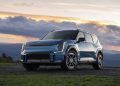

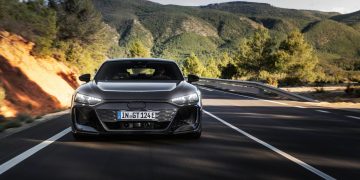


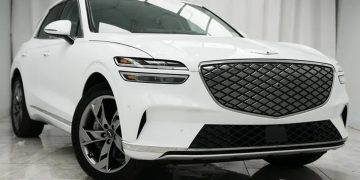
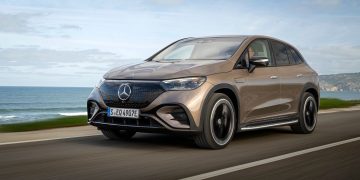
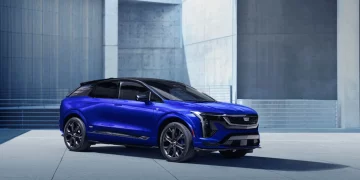
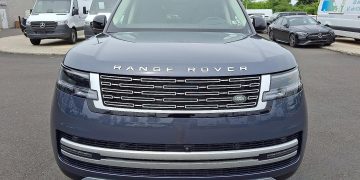


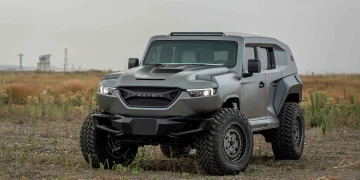
In a world where luxury was once synonymous with sedans, silk headliners, and chauffeur-led calm, the new era of premium motoring is rumbling off-road. The modern luxury SUV is no longer just a status symbol parked in upscale urban driveways—it’s an adventurer’s machine wrapped in cashmere. As top-tier manufacturers redefine ruggedness through bespoke engineering and opulent finishes, one thing has become clear: off-road capability is now a defining element of luxury. And in the battle for relevance, brands like Mercedes-Benz and Land Rover are rewriting the playbook.
New G-Class and Defender V8: Redefining the Meaning of “Capable”
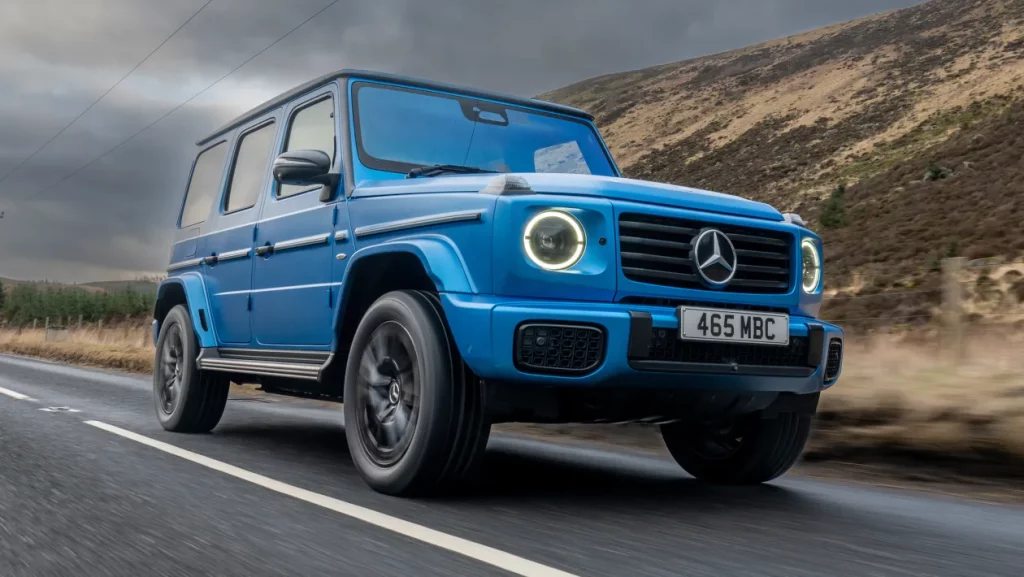
When the Mercedes-Benz G-Class was redesigned in 2018, purists feared it would soften—too much leather, not enough low-range torque. But the 2024 G63 AMG 4×4² proved otherwise. It combined portal axles, three locking differentials, and a handcrafted bi-turbo V8 with heated Nappa leather seats and a Burmester 3D surround sound system. It could scale a mountain at a 45-degree angle while streaming Beethoven in lossless audio.
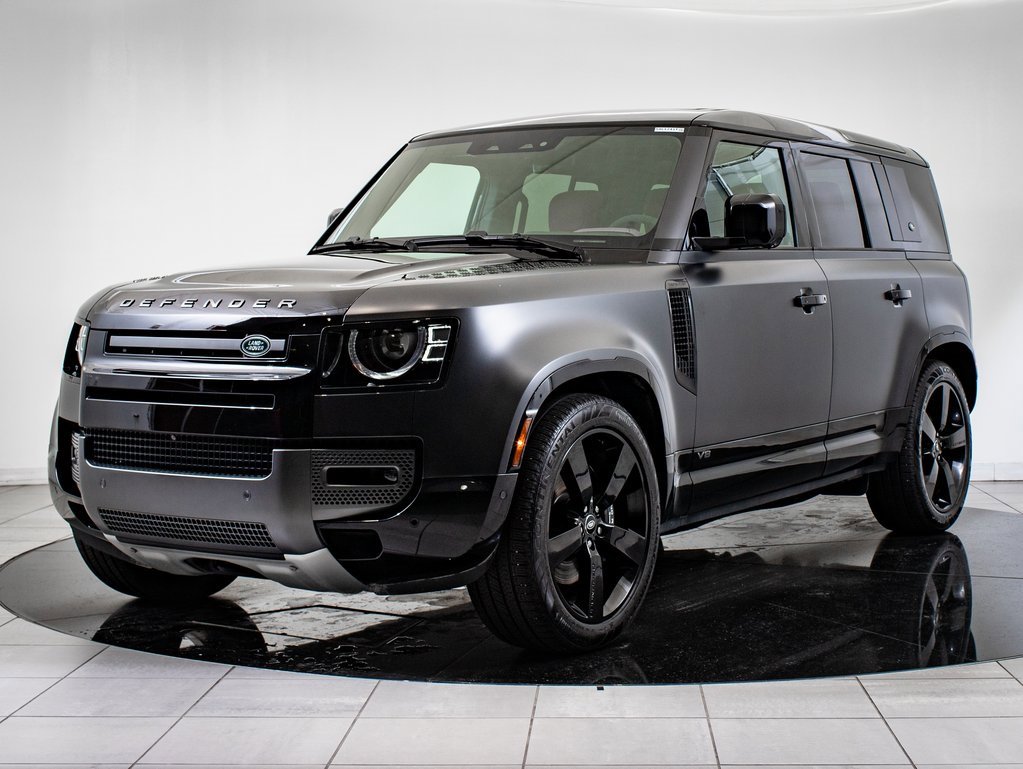
Meanwhile, Land Rover has rebirthed the Defender with a ferocity not seen since the original Camel Trophy days. The Defender V8, fitted with a 5.0-liter supercharged engine delivering 518 horsepower, is no poser. It offers a Terrain Response 2 system, locking rear differential, adaptive off-road traction control, and yet somehow maintains a Windsor leather-wrapped interior with satin chrome finishes. The key evolution? These are not rugged trucks pretending to be elegant—they are elegant machines that can genuinely conquer deserts, rivers, and glacial terrain.
Together, these two icons represent a philosophical shift. Where once brands carved strict lines between capability and comfort, the latest G-Class and Defender V8 blur those boundaries with precision. The new luxury buyer doesn’t just want to look adventurous—they want a vehicle that can keep up with a spontaneous detour into the Alps or a muddy drive to a vineyard accessible only by goat path.
Luxury Test Camps: Where Wilderness Meets White Gloves
Beyond the vehicles themselves, luxury brands are creating ecosystems that reinforce their off-road authenticity. Welcome to the rise of branded off-road experience camps. Mercedes-Benz has opened “G-Class Experience Centers” in locations like Austria and South Africa, where owners (and aspirants) can test their vehicles’ limits across boulder trails, river crossings, and steep inclines—under the watchful eye of Michelin-star-trained hospitality teams.
Land Rover, not to be outdone, operates “Land Rover Experience” outposts around the globe, from North Carolina’s Blue Ridge Mountains to Eastnor Castle in the UK. These aren’t just test drives; they’re curated narratives. Participants may begin the day with performance instruction, descend into mud pits before lunch, and finish with whisky tastings beside a roaring fire—all while discussing limited-edition Defender trims with brand ambassadors who know the difference between articulation and authenticity.
Such programs have become more than mere marketing. They reflect a deeper cultural movement among high-net-worth consumers who crave meaningful experiences. A luxury SUV is no longer about appearance at valet stands—it’s about memory-making, often far from asphalt. The off-road test camp turns capability into theater, and the SUV into an emotional passport.
When Function Is the New Prestige
Historically, true off-road capability came with compromises. Ground clearance meant awkward ingress; all-terrain tires screamed louder than the engine on the highway. But today’s ultra-luxury off-roaders challenge that tradeoff. Consider the 2025 Range Rover SV with electronic air suspension that dynamically adjusts for both rock crawling and red carpet arrivals. Or Lexus’s LX600 Off-Road trim, which integrates crawl control, multi-terrain monitoring, and massage seats in the same package.
What’s happening is a reframing of prestige. In a world increasingly saturated with digital convenience, owning a vehicle that can physically take you beyond the grid—while keeping you swaddled in semi-aniline leather—feels like the ultimate rebellion. Luxury no longer means separation from the environment; it means mastery of it.
For the affluent adventure-seeker, this is more than novelty—it’s utility elevated. It says, “I could cross the Kalahari if I wanted to. I just chose brunch in Aspen instead.” And that potentiality, whether used or not, becomes a key differentiator in how these vehicles are perceived.
Brand Strategy: Toughness Becomes a Talking Point
This new wave of capability is not a coincidence—it’s a response to shifting customer expectations. Millennials and Gen Z high-net-worth individuals are more experience-driven than asset-driven. They seek brands that align with values like sustainability, capability, and narrative. To that end, many automakers are rewriting their positioning strategies.
Bentley, for example, launched the Bentayga Extended Wheelbase not just as a luxury limo, but as a vehicle tested in the Arctic and Saudi deserts. Even Rolls-Royce, the paragon of paved grandeur, now offers the Cullinan with an “Off-Road Button” that reprograms its all-wheel drive system to handle challenging terrain. Sure, most owners may never engage it—but knowing it’s there enhances the product’s story.
Porsche’s Cayenne and Lamborghini’s Urus Performante also offer performance off-road modes—though more for gravel speed than trail survival. Still, the language is shifting. It’s no longer enough to have adaptive cruise control and bespoke badging. The new badge of luxury? Mud on the undercarriage from somewhere with no signal.
Digital Off-Roading: The Rise of Tech-Enabled Terrain Mastery
It’s not all brawn and bravado—today’s luxury off-roaders are smarter than ever. Mercedes-Benz uses G-Turn tech that lets the EQG rotate 360 degrees on its axis. Land Rover’s ClearSight Ground View projects the terrain beneath the car onto the infotainment screen using underbody cameras. Lexus employs AI-assisted traction modulation that predicts wheel slippage before it happens.
These technologies are not gimmicks. They’re part of a broader movement to make off-roading both accessible and elevated. Gone are the days when only seasoned overlanders dared tackle deep trails. Today, a luxury SUV’s brain can match its brawn, allowing the average CEO to ford a stream without breaking a sweat—or a manicure.
This convergence of analog adventure and digital intelligence defines the future of high-end automotive design. Buyers want the visceral thrill of nature, without compromising the curated calm of luxury living. The best off-roaders of today accomplish both simultaneously.
Conclusion: The Wild Is the New Lounge
Luxury off-roading is no longer a contradiction. It is a fast-rising genre where high-performance mechanics, precision engineering, and indulgent comfort converge in surprising harmony. The new generation of SUVs from brands like Mercedes-Benz and Land Rover reflect this balance with authenticity and confidence. They are designed not only to survive the elements but to seduce them—and to make their owners feel unstoppable.
For those investing in a luxury vehicle in 2025 and beyond, it’s no longer about horsepower alone. It’s about potential. The potential to explore, escape, and engage with the world on your terms—be that in the dunes of Dubai, forests of British Columbia, or private vineyards of Mendoza. Off-road capability has become the new couture. It’s wearable, it’s intentional, and it’s deeply personal.