






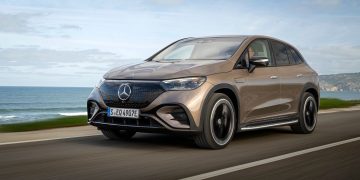
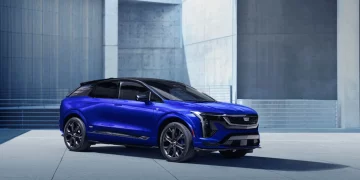
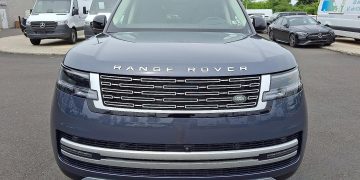







For years, full-size luxury SUVs reigned supreme as the ultimate symbols of affluence and status on the road. Behemoths like the Mercedes-Benz GLS, Cadillac Escalade, and Range Rover Autobiography dominated suburban garages, valet stands, and mountain resorts alike. They were more than just transportation; they were mobile living rooms with panoramic views and assertive street presence. But by 2025, the tides are shifting. A new class of compact luxury SUVs is not only gaining momentum but in some cases outperforming their larger siblings in agility, technology integration, and even prestige among younger, urban buyers.
Porsche’s Macan GTS, Range Rover’s Velar, and BMW’s X3 M40i are no longer seen as entry-level compromises. They represent a targeted evolution in luxury design—sculpted for tighter city environments and reengineered for performance-minded practicality. As congestion intensifies in global cities and affluent consumers prioritize efficiency without sacrificing elegance, these compact contenders are rewriting the rules of what luxury SUVs should deliver.
The rise of compact luxury SUVs isn’t just about downsizing—it’s about redefining driving pleasure, everyday usability, and aesthetic relevance in a changing world.
Performance Evaluation: Macan GTS and Velar Take Center Stage
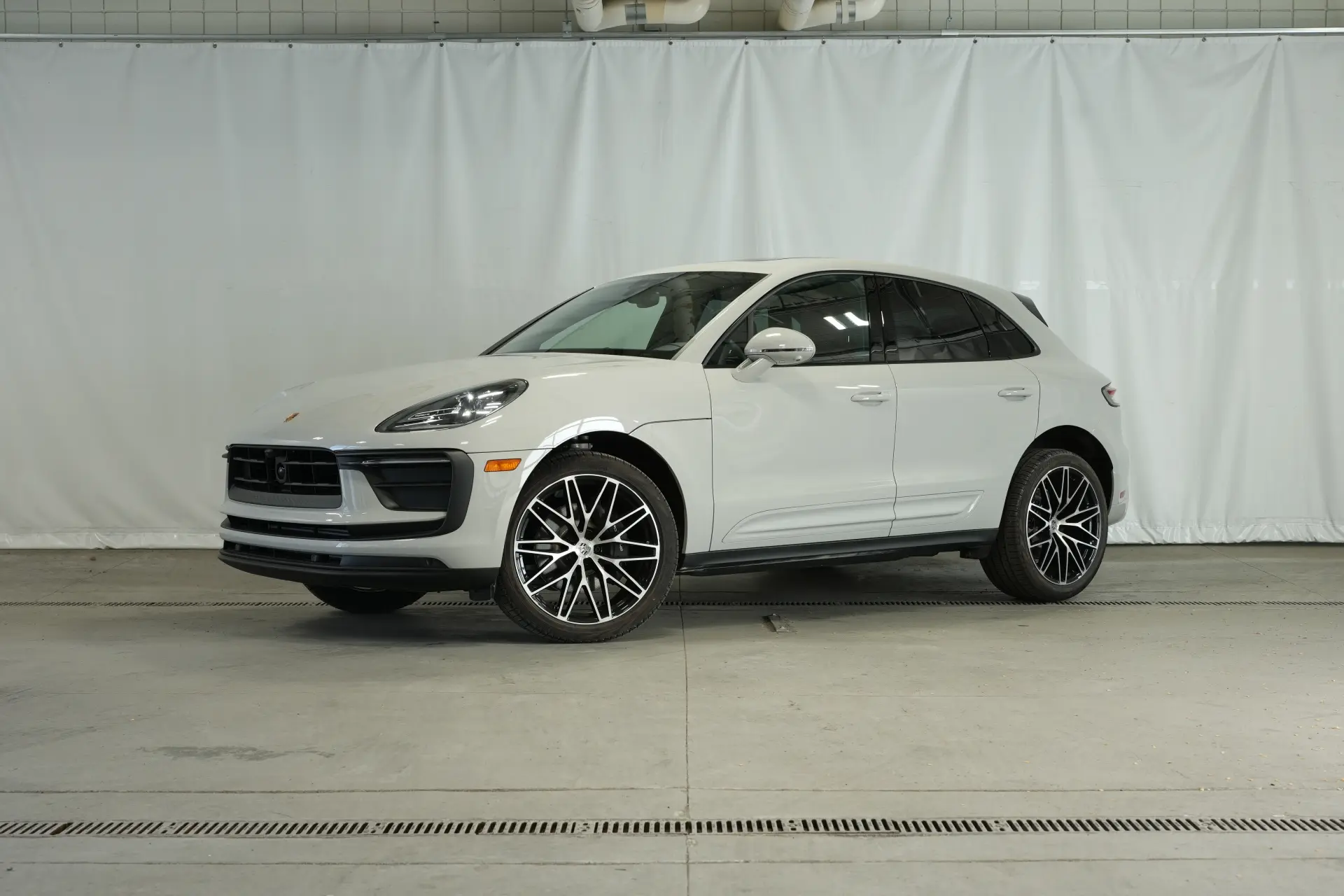
Let’s start with performance, the traditional battleground of SUV one-upmanship. The 2025 Porsche Macan GTS, perhaps the segment’s best all-around athlete, delivers a 0–60 mph sprint in under 4.3 seconds—figures that rival or surpass many mid-size or full-size SUVs, including Porsche’s own Cayenne S. Its twin-turbocharged V6 and retuned chassis turn what could be a mundane commute into a confident, sporty drive, even through urban traffic.
Meanwhile, the 2025 Range Rover Velar, in its new Dynamic HSE configuration, has been refined into a tech-forward, quietly ferocious performer. Powered by a hybridized 3.0-liter inline-six, it balances 395 hp with whisper-quiet electric torque during city crawling. Its air suspension system adapts not just to terrain but to driver mood, allowing owners to toggle between a buttery glide and a taut, responsive ride.
What’s more impressive is how these compact SUVs manage to feel genuinely luxurious without needing to be oversized. In the Velar, the tactile sensation of the leather-wrapped steering wheel and brushed aluminum switchgear doesn’t feel dialed down from the flagship Range Rover—it feels more focused. In the Macan GTS, driver-oriented ergonomics and intuitive tech interfaces build a cockpit-like intimacy missing in larger models.
These vehicles are not diluted versions of their larger siblings. They are sharpened tools, engineered with more precision because they have less physical space to waste.
Urban Realities: When Smaller Is Smarter
The push toward compact SUVs is also a response to the realities of modern urban life. With global megacities like Shanghai, Los Angeles, London, and São Paulo growing denser by the year, maneuverability, parking, and ride quality over patchy infrastructure are more important than raw size.
Compact luxury SUVs thrive in these settings. Their shorter wheelbases allow for tighter turning circles, easier parallel parking, and smoother acceleration from stoplights. Many cities now impose size-related congestion taxes or lane restrictions—penalizing drivers of larger, heavier SUVs while favoring more efficient profiles.
Moreover, the rise of vertical lifestyle architecture—multi-unit high-rise living—has led to a renewed focus on garage dimensions. Compact SUVs like the Volvo XC60 Recharge or Mercedes-Benz GLC fit more easily in automated parking systems, standard lifts, or older apartment complexes that were never designed for seven-seaters with long wheelbases.
Consumers today aren’t just looking at horsepower and grille size—they’re calculating turn-in radius, EV-mode range for low-emission zones, and whether their SUV can squeeze into that last unclaimed underground parking space at a luxury mall.
Premium Experience Is No Longer Defined by Size
One of the most interesting developments in the rise of compact SUVs is the way premium experience has detached itself from vehicle size. Twenty years ago, luxury was often associated with how much metal you could stretch across a highway. But today’s drivers care more about what’s inside the cabin than how much it looms outside it.
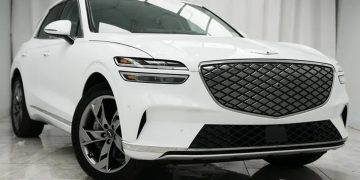
Manufacturers are responding. The BMW X3 in 2025 features the same level of ambient lighting customization, leather options, and smart infotainment as its X5 sibling. The Genesis GV70 boasts quilted Nappa leather, fingerprint ignition, and over-the-air updates that keep the system as fresh as a tech gadget. Audi’s Q5 Sportback combines coupe-like lines with OLED tail lights and active lane guidance, making it feel more like a design statement than a utility vehicle.
In fact, these SUVs are less about hauling families across country lines and more about providing solo drivers or couples with a cocoon of connected, stylish comfort—especially in cities where luxury means silence, clean lines, and smart personalization.
Crucially, brands are no longer treating compact platforms as “starter” models. Many offer exclusive trims, unique color palettes, and upgraded wheel options on their smaller SUVs, turning them into legitimate collector’s items rather than stepping stones to bigger models.
Small Size, Big Tech Integration
Technology has become the true differentiator in the luxury space—and here, compact SUVs often lead the charge. Because they’re designed with tighter integration in mind, they often receive the latest user interfaces, ADAS systems, and connectivity features before those innovations migrate to larger platforms.
Take the Macan GTS: its fully digital cockpit is cleaner and more intuitive than the Cayenne’s, with less reliance on physical buttons and better haptic feedback. The same can be said for the 2025 GLC from Mercedes, whose MBUX Hyperscreen interface fits more organically in a smaller dash, making its gesture controls feel less gimmicky and more precise.
Smaller interiors also mean that premium sound systems—whether from Burmester, Bang & Olufsen, or Mark Levinson—deliver a more immersive auditory experience, with cabin acoustics tuned for a more intimate stage.
And with AI-assisted driving becoming more common, having a vehicle with fewer distractions, better visibility, and shorter delay between input and execution only enhances the driver’s sense of control.
Rethinking Ride Quality and Dynamics
A key myth about compact SUVs is that they can’t offer the plush ride of larger models. But suspension advances, acoustic damping, and lightweight material design have changed that.
The Range Rover Velar’s active air suspension delivers eerily smooth cruising on cobblestone city streets. BMW’s adaptive dampers on the X3 M40i react to potholes faster than ever, balancing sportiness with comfort. Porsche’s torque vectoring system on the Macan makes tight corners exhilarating—an impossible sensation in something like a GLS.
Moreover, smaller size often equals better weight distribution, quicker throttle response, and lower center of gravity—all of which contribute to a driving experience that’s not just luxurious, but genuinely pleasurable. These SUVs feel more car-like than truck-like, which is precisely the appeal for drivers who want refinement without bulk.
Small Does Not Mean Less Expensive
There is, of course, a twist: compact luxury SUVs are no longer affordable alternatives—they are aspirational in their own right. Fully loaded, many of them now cross six-figure price tags, especially when fitted with bespoke interiors or custom exterior packages.
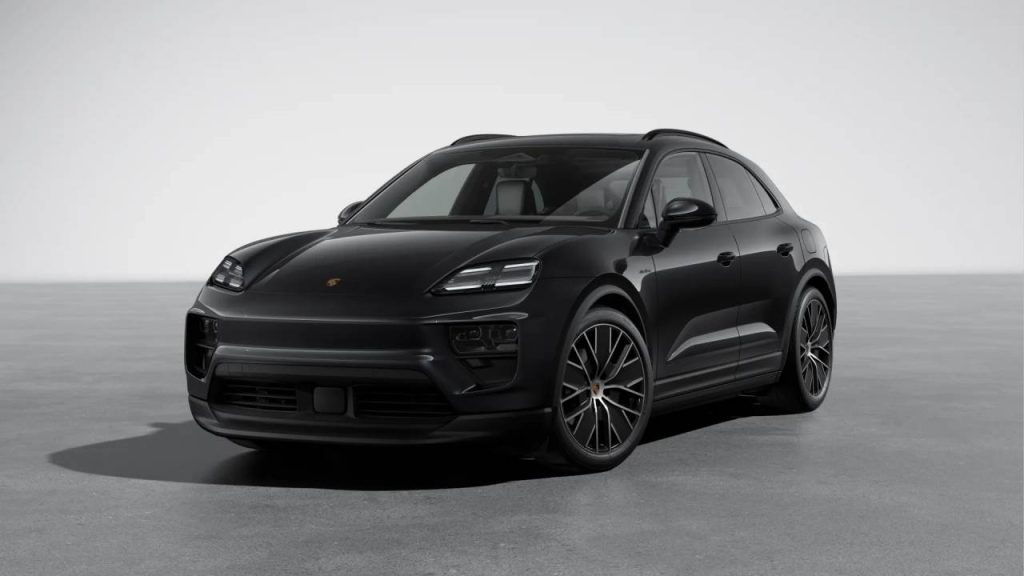
A Macan GTS with leather upgrades, sport chrono, and carbon trim? $108,000. A Velar in Autobiography spec with exclusive paint and rear-seat comfort pack? Easily $120,000. Even the Lexus RX 500h F Sport Performance with every option crosses $90,000.
This pricing reality reflects a growing truth: buyers are willing to pay more for smaller packages if they feel intentionally designed, well-equipped, and perfectly suited to their lifestyle. The idea that luxury must be “big to be valuable” is being retired in favor of “tailored to be meaningful.”
New Customer Archetypes: Young, Urban, Status-Conscious
The rise of compact luxury SUVs coincides with a broader generational shift. Today’s buyers in their 30s and early 40s are digital natives who care about design, sustainability, and adaptability. They don’t want to be defined by excess; they want to be defined by intentionality.
To them, a compact SUV isn’t a compromise—it’s a curated expression of their values. It shows they appreciate performance, design, and tech without needing to shout. It fits their lifestyle, fits in their garage, and fits into their worldview of maximizing experience while minimizing unnecessary baggage.
Luxury, for this cohort, isn’t about status in the traditional sense—it’s about how smart and stylish you can be within the constraints of a busy, mobile, and ethically aware life. The compact SUV is tailor-made for that mission.
Conclusion
Compact luxury SUVs are no longer playing second fiddle to their larger siblings—they’re setting the tone for what modern high-end driving should feel like. By offering dynamic performance, thoughtful design, and superior technology in city-friendly proportions, vehicles like the Macan GTS, Range Rover Velar, and BMW X3 M40i are rewriting the narrative of what premium mobility means.
In an age where practicality meets prestige and design must coexist with urban reality, the compact SUV isn’t just keeping up—it’s leading the way.