










Introduction: The Evolving World of Sports Cars
The world of sports cars has always been synonymous with performance, exclusivity, and cutting-edge technology. However, the 2024-2025 model years are witnessing a shift in how manufacturers approach sports car development. While the core values of power, speed, and agility remain unchanged, advancements in technology, sustainability, and design are pushing sports cars into new realms. The evolving landscape is not just about raw horsepower anymore; it’s about seamlessly combining performance with luxury, state-of-the-art technology, and environmental consciousness.
The 2024-2025 sports cars represent a fusion of tradition and innovation, with iconic manufacturers such as Ferrari, Porsche, Lamborghini, and even newcomers like Rimac leading the charge. These vehicles are not just faster, sleeker, and more powerful than ever before—they are also more intelligent, more luxurious, and more sustainable. In this article, we’ll explore how the latest sports cars are redefining performance and luxury in ways that enthusiasts could only dream of a decade ago.
The Powerhouse Engines: A Look at the Latest Engine Technologies in Sports Cars
When we think of sports cars, the first thing that often comes to mind is the sound of a roaring engine. The engine is the heart of any sports car, and in 2024-2025, the engines powering these high-performance vehicles are more advanced and efficient than ever.
The traditional internal combustion engine (ICE) still holds a special place in the hearts of sports car enthusiasts, with many manufacturers perfecting the V8 and V12 engines to achieve an optimal balance between performance and emotion. For example, Ferrari’s 812 Competizione features a naturally aspirated V12 engine that delivers a spine-tingling 830 horsepower. This engine exemplifies the old-world craftsmanship that still defines the sports car experience—power, precision, and a thrilling soundscape that only a naturally aspirated engine can offer. Similarly, Lamborghini’s Aventador Ultimae continues to rely on a naturally aspirated V12, celebrating a pure, unadulterated driving experience.
However, manufacturers are also focusing on turbocharging and hybridization to create more efficient yet potent engines. Porsche, for instance, continues to refine its 911 Turbo S, which features a twin-turbocharged 3.8-liter flat-six engine that pushes out 640 horsepower while maintaining relatively low fuel consumption. Turbocharging allows for a higher output without sacrificing efficiency, making sports cars more practical without compromising on performance.
The hybridization trend is also becoming more prevalent in the 2024-2025 lineup. Take the Ferrari SF90 Stradale, which features a V8 engine paired with three electric motors, delivering an astonishing 1,000 horsepower. This hybrid drivetrain not only enhances performance but also introduces the possibility of all-electric driving for short distances, further blending the best of both worlds—speed and efficiency.
For some manufacturers, hybrid technology is seen as the future. Porsche’s 918 Spyder, which was introduced as a limited-production model a few years ago, was a glimpse into the future of hybrid performance cars, and with more advanced hybrid systems coming out now, it’s evident that hybridization is essential for maximizing both power and sustainability.
Design Evolution: How Sports Cars Are Combining Aerodynamics with Luxury Aesthetics
The design of a sports car is much more than just its exterior appearance—it is about creating an optimal combination of aerodynamics, handling, and aesthetic beauty. In the 2024-2025 model years, designers are tasked with blending these elements into a seamless package that not only looks stunning but also performs at the highest level.
Aerodynamics have always been at the forefront of sports car design, but the emphasis on efficiency and top-speed performance is becoming even more pronounced. Cars like the McLaren 765LT and the Aston Martin DBS Superleggera employ active aerodynamics, where movable components such as spoilers and air flaps adjust based on speed, providing maximum downforce or reduced drag, depending on driving conditions. These advanced aerodynamic features allow sports cars to cut through the air with minimal resistance, improving both top speed and cornering capabilities.
However, it’s not just about performance in the wind tunnel. The aesthetics of sports cars in 2024-2025 are more luxurious than ever. The sleek, muscular profiles of brands like Porsche, Lamborghini, and Ferrari continue to evolve, now integrating modern, bold design elements that convey speed even when the car is stationary. For example, Lamborghini’s Sián FKP 37 features a stunning, aggressive front design that channels airflow with precision while also showcasing sharp lines and dramatic curves. The integration of luxury materials, such as high-grade carbon fiber, titanium, and leather, adds a sense of opulence to the interior, further elevating the driving experience. This marriage of form and function ensures that a sports car isn’t just fast—it’s an expression of art on wheels.
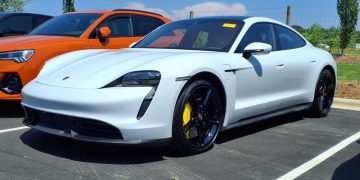
The integration of cutting-edge LED and OLED lighting technologies, both on the exterior and interior, is becoming a signature feature for sports cars in this era. The Porsche Taycan, for example, employs full-width digital lighting that not only enhances its futuristic look but also serves a functional role in improving visibility and driving safety.
Technology on Board: Infotainment, Driver Assistance, and Performance-Enhancing Features
Sports cars have traditionally been about the driving experience—raw, unfiltered, and adrenaline-fueled. But as the 2024-2025 lineup shows, there’s more to the luxury sports car than just speed. Infotainment systems, driver assistance features, and performance-enhancing technologies are becoming integral parts of the sports car experience, adding layers of convenience, safety, and excitement to the mix.
Infotainment systems in sports cars have taken a leap forward with more advanced, user-friendly interfaces. The Ferrari Roma features the Ferrari Connect system, which integrates both traditional controls and a large central touchscreen for navigation, music, and vehicle settings. This system is paired with a high-end audio system that makes the ride just as pleasurable for the ears as it is for the hands gripping the steering wheel.
Driver assistance systems are also increasingly common in sports cars, though they don’t detract from the driving experience. The Mercedes-AMG GT Black Series offers a suite of driver aids, such as adaptive cruise control, lane-keeping assist, and collision warning systems, that help keep drivers safe without intruding on the thrill of the road. These systems are especially beneficial for daily driving or long-distance cruising, where comfort and convenience are as important as outright performance.
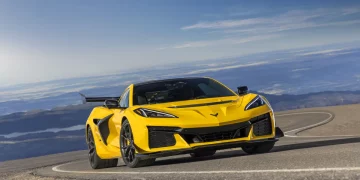
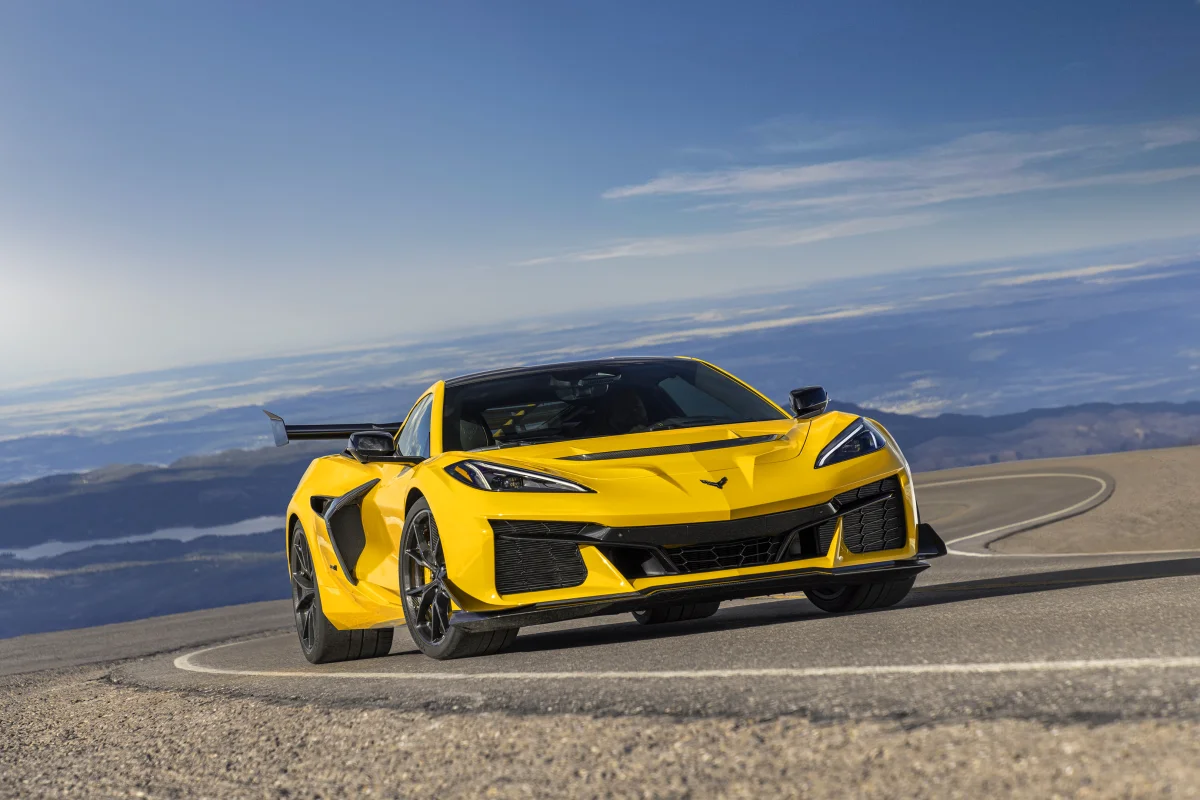
Another area of advancement is in performance-enhancing technologies. Cars like the Porsche 911 GT3 RS and the Chevrolet Corvette Z06 are pushing the limits of track-worthy technology, with advanced suspension systems, adaptive dampers, and performance tires designed to optimize lap times and cornering stability. These vehicles incorporate advanced telemetry systems that give drivers detailed feedback on their driving, allowing for precise adjustments to optimize their technique.
In 2024-2025, it’s clear that performance isn’t just about raw power—it’s also about harnessing that power efficiently and providing drivers with the tools to control and enhance their experience.
Electric Sports Cars: Are Electric Drivetrains the Future of Speed?
With environmental concerns on the rise and governments around the world introducing stricter emissions regulations, electric vehicles (EVs) are no longer a distant future—they’re here. While electric vehicles have often been seen as practical and economical, the question remains: can they deliver the high-performance thrills that sports car enthusiasts crave?
The answer, in short, is yes. In fact, electric drivetrains are already redefining the limits of speed and acceleration. Take the Rimac Nevera, an all-electric hypercar that boasts a jaw-dropping 1,914 horsepower and can accelerate from 0-60 mph in just 1.85 seconds, making it one of the fastest production cars on the planet. The Rimac Nevera is a game-changer, proving that electric drivetrains can deliver power, agility, and speed that rival—and even exceed—traditional internal combustion engines.
Tesla’s Roadster is another electric sports car that is set to redefine the performance landscape. With a top speed of over 250 mph and the ability to accelerate from 0-60 mph in under 1.9 seconds, the Tesla Roadster is a glimpse into a future where electric sports cars dominate the track.
Electric sports cars offer several advantages over their ICE counterparts. The instant torque provided by electric motors allows for mind-blowing acceleration, while the lack of an internal combustion engine means less weight and more efficient energy use. In addition, the ability to place electric motors at each axle gives electric vehicles near-perfect weight distribution, further improving handling and stability.
For luxury manufacturers like Porsche, the shift to electric is already underway. The Porsche Taycan Turbo S is a fully electric sedan that combines the brand’s signature performance with all-electric efficiency. While it’s not a traditional sports car in the sense of the 911, it sets the stage for what is possible with electric drivetrains.
The shift to electric sports cars will likely accelerate in the coming years as manufacturers continue to refine battery technology, increase range, and improve charging infrastructure. With advancements in technology, electric sports cars could soon become the gold standard in high-performance vehicles.
Conclusion: Why Sports Cars Will Continue to Captivate Enthusiasts in the Coming Years
The 2024-2025 sports cars represent a perfect blend of past and future. Manufacturers are pushing the boundaries of performance, blending powerhouse engines, cutting-edge technology, and innovative designs to create cars that deliver unparalleled thrills while also offering modern amenities and sustainability. Whether it’s the raw power of a Ferrari’s V12, the elegance of a Porsche
911, or the futuristic electric torque of the Rimac Nevera, sports cars will continue to captivate enthusiasts for years to come.
As technology evolves, so too will the expectations of sports car buyers. The next generation of sports cars will be faster, smarter, more luxurious, and more sustainable than ever before. Whether through hybrid powertrains, electric drivetrains, or revolutionary driver-assistance features, the future of sports cars promises to be an exciting and electrifying ride.