




Introduction: The Push for Self-Driving Luxury Cars
Autonomous driving technology has long been one of the most anticipated innovations in the automotive world. For luxury carmakers, the allure of self-driving vehicles is particularly strong, as they seek to combine cutting-edge technology with the premium experience that their customers expect. In 2024, we find ourselves on the brink of what could be a transformative shift in how we interact with vehicles—especially luxury ones. As companies like Tesla, Mercedes-Benz, Audi, and BMW continue to push the boundaries of autonomous driving, the vision of fully self-driving luxury vehicles is quickly transitioning from concept to reality.
For luxury car buyers, autonomous driving technology is not just about convenience; it is also a statement of innovation and sophistication. Imagine being able to sit back and relax, while your car handles everything from navigation to speed regulation, allowing you to focus on work, entertainment, or simply enjoying the journey. For brands that thrive on delivering an exceptional user experience, autonomous driving could offer the next big leap in automotive luxury, potentially altering the very nature of car ownership and driving itself.
However, while the idea of self-driving cars has a clear appeal, the road to fully autonomous vehicles is far from straightforward. Challenges remain not only in the technology itself but also in how it is regulated and accepted by consumers. In this article, we’ll explore the current state of autonomous driving technology in luxury cars, examine the benefits it could offer, and discuss the hurdles that still need to be overcome before self-driving cars become a ubiquitous part of our daily lives.
Current Developments: The State of Autonomous Technology in Luxury Cars
Autonomous driving technology has evolved significantly over the past decade, with major strides being made by both traditional automakers and new-tech startups. In 2024, the state of autonomous technology in luxury cars can be divided into various levels of capability, ranging from Level 2 systems (driver assistance) to Level 5 (full autonomy).
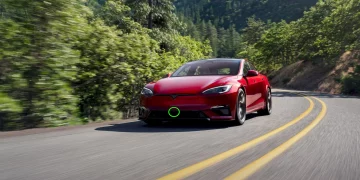
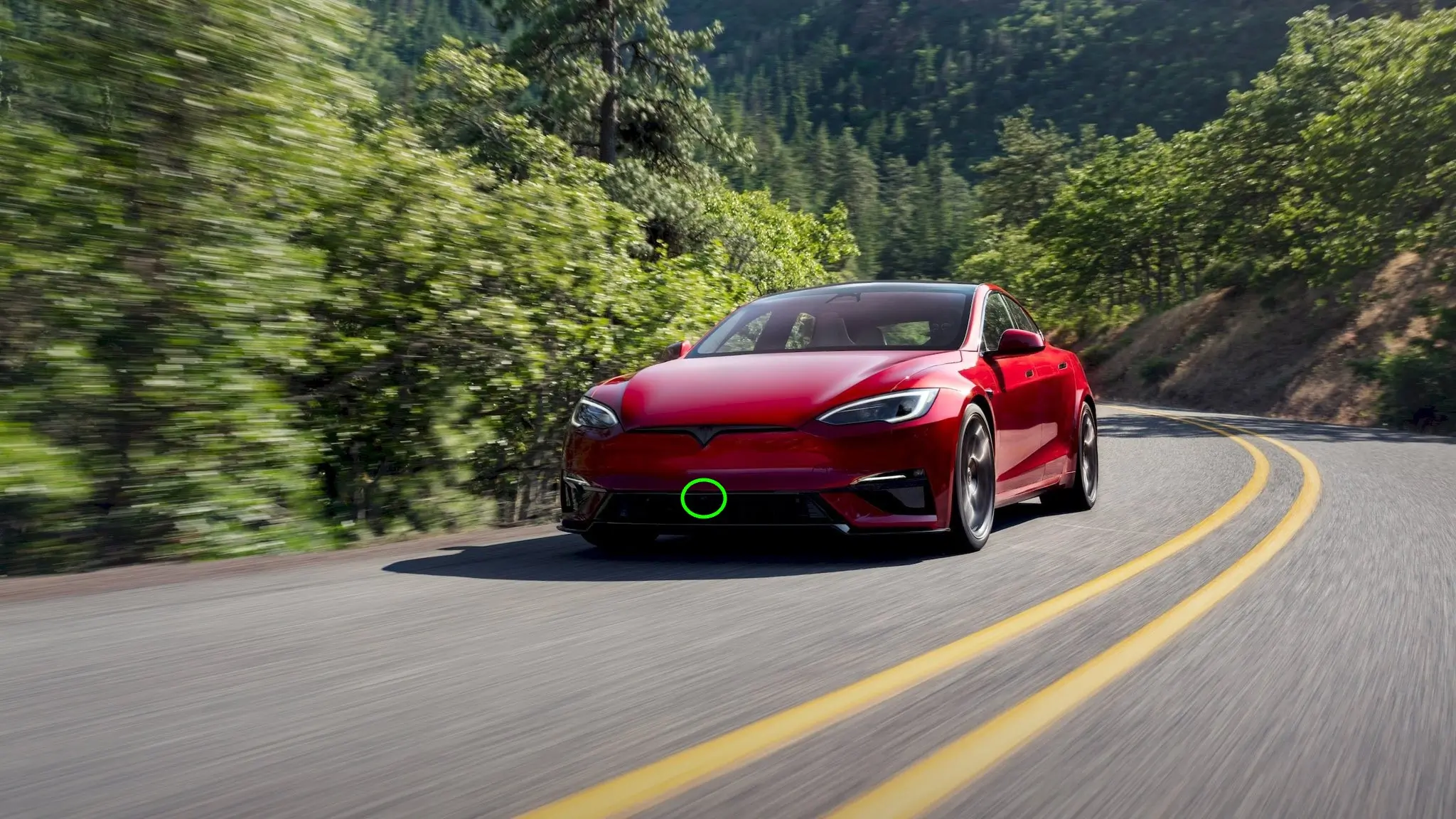
At the forefront of autonomous driving in the luxury segment, companies like Tesla, Mercedes-Benz, and Audi have introduced semi-autonomous driving systems. Tesla’s Autopilot and Full Self-Driving (FSD) capabilities are among the most advanced in terms of consumer availability. Tesla’s system provides a suite of features that allow the car to drive itself on highways, change lanes, and park autonomously. While these systems are not yet fully autonomous and require the driver to remain alert and ready to take control, Tesla’s progress represents the closest a consumer can get to an autonomous driving experience.
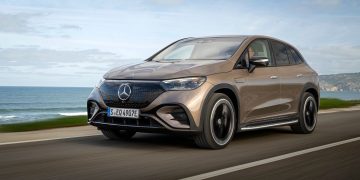
Mercedes-Benz, a leader in automotive luxury, has also rolled out its Drive Pilot system, which is currently available in select markets. The Drive Pilot system, available in the 2024 S-Class, is a Level 3 system, meaning the car can take control of most aspects of driving but will still require human intervention in certain situations. For example, the system allows the car to manage tasks like lane keeping, speed control, and navigation in specific conditions (e.g., on highways or in traffic jams), but the driver must be able to take over when prompted. In the future, Mercedes aims to move to Level 4 and Level 5 autonomy, where no driver input is required in any driving situation.
Audi’s Traffic Jam Pilot system is another example of cutting-edge technology in the luxury space. Audi plans to introduce this system in its upcoming models, which will allow for more advanced levels of autonomy, such as hands-free driving in certain conditions like heavy traffic. Audi’s system will combine radar, cameras, and high-definition mapping to offer a seamless driving experience.
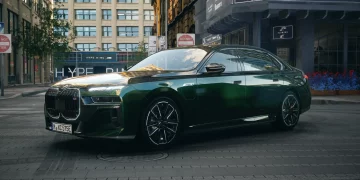
Similarly, BMW has been steadily rolling out semi-autonomous features in its vehicles through the Driving Assistant Plus system. While it doesn’t yet offer full autonomy, the system provides adaptive cruise control, lane centering, and automatic lane changes in some circumstances. BMW, however, has committed to moving toward more advanced autonomous driving systems in the coming years, with a clear aim to deliver full autonomy within the next decade.
These luxury automakers are working in parallel with tech companies to refine and perfect the technology. Autonomous driving relies heavily on artificial intelligence (AI), machine learning, and complex sensor networks. AI systems must be able to handle vast amounts of data and make real-time decisions in a wide range of driving scenarios. Radar, lidar, ultrasonic sensors, and cameras are used to detect and interpret the vehicle’s surroundings, making it possible for the car to navigate urban environments, highways, and more complex traffic situations.
However, the journey from Level 3 to full autonomy (Level 5) is not as simple as just improving the hardware and software. In addition to technological improvements, it requires thorough testing, validation, and regulatory approval. The most sophisticated systems on the market today are still far from achieving the full self-driving capability envisioned by companies like Waymo or Cruise. Full autonomy, where the vehicle can operate completely independently in all driving conditions and environments, will require significant advances in technology, infrastructure, and consumer trust.
Consumer Benefits: What Can Autonomous Driving Offer to Luxury Car Owners?
For luxury car owners, the primary benefit of autonomous driving is the promise of enhanced convenience, safety, and comfort. Self-driving technology allows for an entirely different driving experience, one that offers both practical advantages and new levels of luxury.
- Enhanced Convenience: Autonomous driving allows drivers to turn their vehicles into personal spaces for work or relaxation. No longer constrained by the need to focus on the road, drivers can utilize their time for other productive tasks, such as working on their laptops, making video calls, or even sleeping during long commutes. The luxury car of the future could be seen as a mobile office or even a personal sanctuary on wheels, where the focus is entirely on comfort and experience rather than driving.
- Stress-Free Commuting: In many urban environments, traffic congestion is a major source of stress for commuters. With autonomous driving, luxury car owners can sit back and relax while the vehicle navigates the gridlock. Advanced systems that manage speed, lane changes, and braking allow the vehicle to operate in traffic jams, offering a more comfortable and less stressful daily commute.
- Safety: One of the most compelling reasons for the push toward autonomous vehicles is safety. Human error is responsible for over 90% of traffic accidents, and autonomous vehicles promise to significantly reduce the number of accidents caused by factors like distraction, fatigue, and impaired driving. With their advanced sensors, autonomous vehicles can react faster than humans to potential hazards, ensuring a safer driving experience for everyone on the road.
- Efficiency and Fuel Economy: Autonomous driving technology has the potential to improve the overall efficiency of vehicles by optimizing driving patterns. Autonomous cars can maintain a consistent speed, make smoother lane changes, and optimize routes based on real-time data, which can result in better fuel efficiency and lower operating costs.
- Customization and Personalization: As autonomous vehicles become more prevalent, automakers will likely offer more opportunities for customization. For example, passengers may be able to adjust the layout of the vehicle’s interior to suit their needs, whether it’s for work, relaxation, or entertainment. This could transform the vehicle into a truly personalized space, offering a level of luxury that goes beyond traditional features like leather upholstery or advanced infotainment systems.
Challenges: Regulatory Issues and Consumer Acceptance of Autonomous Tech
Despite the promising benefits, there are several significant challenges to overcome before autonomous luxury vehicles can be fully embraced by the mass market.
- Regulatory Issues: Governments around the world are still grappling with how to regulate autonomous vehicles. There are no universal standards for autonomous driving, and different countries have different approaches to the legal and ethical aspects of self-driving technology. For example, while Tesla’s Autopilot system is available in certain regions, it is still heavily restricted in others due to regulatory concerns. Similarly, while Mercedes-Benz and Audi have introduced more advanced autonomous features, they are still limited by local laws and regulations.
The challenge is not just about ensuring that autonomous vehicles are safe but also about establishing liability in the event of accidents. Who is responsible if a self-driving car causes an accident? Is it the manufacturer, the software provider, or the car owner? These are questions that still need to be answered through legal and regulatory frameworks.
- Consumer Acceptance: One of the biggest hurdles to widespread adoption of autonomous vehicles, especially luxury ones, is consumer trust. Many people are still hesitant about giving up control of their vehicles to an AI system. While some early adopters have embraced autonomous features, others remain skeptical about the safety and reliability of these technologies. Furthermore, there are concerns about the “black box” nature of autonomous driving systems, where the decision-making process is not always transparent or understandable to the driver.
- Infrastructure: Autonomous vehicles rely heavily on infrastructure like smart roads, 5G networks, and advanced traffic management systems. In many parts of the world, the infrastructure simply isn’t in place to support autonomous driving. Until widespread infrastructure upgrades are made, full autonomy may remain impractical for daily use in certain regions.
Conclusion: How Autonomous Driving Could Transform the Luxury Car Market
In conclusion, autonomous driving technology holds the potential to completely reshape the luxury car market in the coming years. With benefits ranging from enhanced convenience and safety to the promise of more personalized, stress-free experiences on the road, self-driving luxury vehicles will undoubtedly appeal to a growing segment of consumers.
However, significant challenges remain, including regulatory hurdles, infrastructure limitations, and consumer acceptance. While we are likely still several years away from fully autonomous luxury vehicles becoming mainstream, the advancements made thus far provide a glimpse into a future where driving no longer requires active participation. For luxury automakers, the race is on to deliver the most innovative, safe, and reliable
autonomous systems, with the potential to elevate the driving experience to new heights.
As we move toward a more automated future, it is clear that autonomous driving will play an integral role in the evolution of luxury cars. The transition may be gradual, but the impact of self-driving vehicles on the automotive industry—and society as a whole—will undoubtedly be profound.