























Introduction: The Concept of Amphibious Vehicles in the Luxury Market
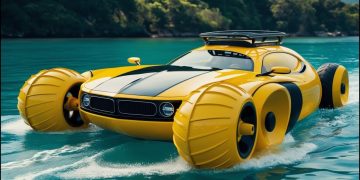
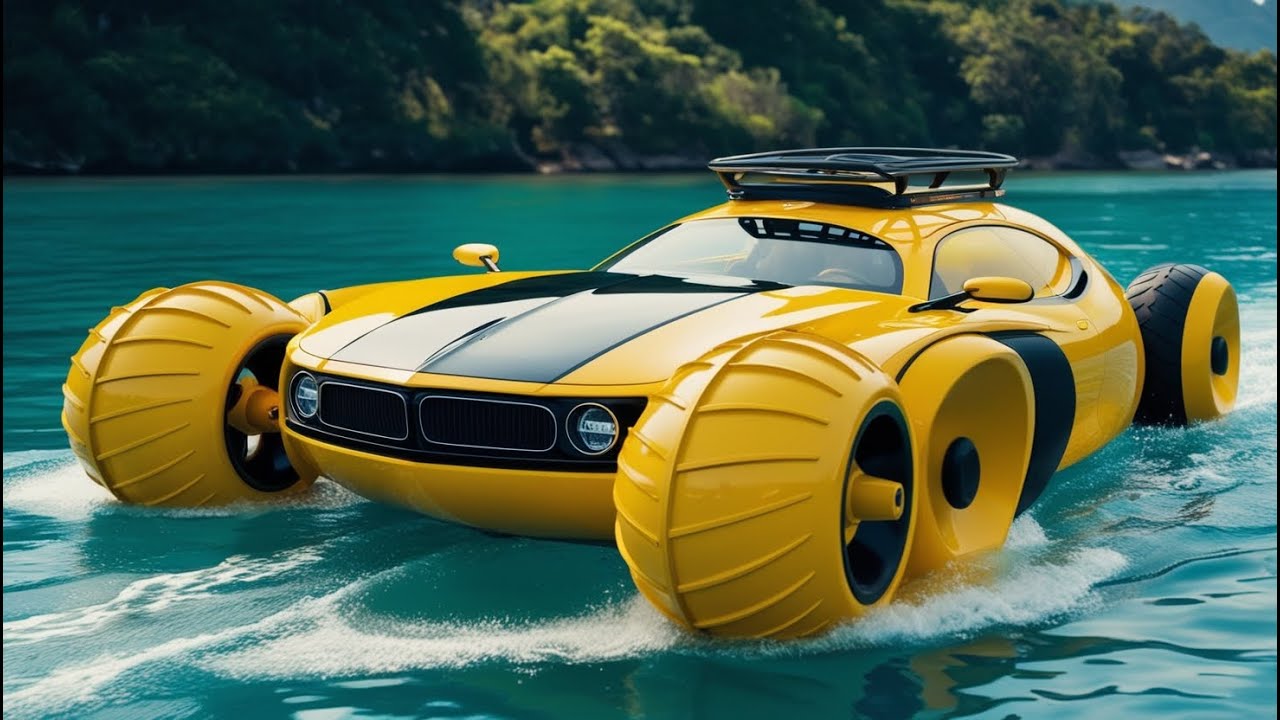
In the world of high-end automotive engineering, the pursuit of innovation and adventure knows no bounds. For decades, the notion of an amphibious vehicle—a vehicle capable of traveling both on land and water—has captured the imaginations of enthusiasts and innovators alike. While these vehicles have historically been seen as niche products or novelty items, recent advancements in both engineering and luxury features have raised the possibility of amphibious vehicles becoming a key player in the luxury adventure transportation market by 2025.
The idea of a vehicle that seamlessly transitions from land to water has always intrigued both car and boat enthusiasts. Imagine embarking on a road trip along the coast, only to drive straight into the water and continue your journey on a private island, all without leaving the comfort of your vehicle. For the modern-day adventurer, the appeal of such a machine is undeniable. Amphibious vehicles offer the perfect blend of performance, versatility, and excitement, making them an ideal candidate for the next generation of luxury adventure rides.
However, while the technology has existed for some time, it has largely been confined to specialized markets or used primarily in military or rescue operations. Now, as the luxury market continues to evolve and demand ever-more unique experiences, could amphibious vehicles break into the mainstream? In this article, we’ll explore the current examples, the technology that powers these hybrid machines, and whether they could truly become the ultimate luxury adventure ride by 2025.
Current Examples: Spotlight on Models Like the Gibbs Aquada and the Terra Wind
Though still relatively rare, a few examples of amphibious vehicles have emerged that combine impressive functionality with the sleek and sophisticated aesthetics typically associated with luxury automobiles. These vehicles represent the cutting edge of adventure vehicles, blending engineering with luxury design to create a unique driving experience.
1. Gibbs Aquada
One of the most famous examples of an amphibious vehicle is the Gibbs Aquada, which was first unveiled in the early 2000s. This vehicle is capable of speeds of up to 30 mph (48 km/h) on water and can reach over 100 mph (160 km/h) on land, making it one of the fastest amphibious vehicles in the world. The Aquada was initially designed as a high-performance sports car that could also be used in aquatic environments, serving as both a road-going vehicle and a boat.
The Aquada’s design features an all-terrain chassis, an advanced hull design, and a marine-grade propeller that allows it to transition smoothly from land to water. In addition to its speed and functionality, the Aquada’s sleek, modern lines, and high-quality materials ensure that it offers both luxury and performance.
Though the Aquada is no longer in mass production, it remains one of the most iconic examples of amphibious vehicles, and its influence continues to inspire luxury vehicle manufacturers looking to combine land and water capabilities.
2. Terra Wind
The Terra Wind is another amphibious vehicle that has garnered attention, particularly in the luxury recreational vehicle (RV) market. Unlike the Aquada, which focuses on high-speed performance, the Terra Wind is more of a luxury amphibious RV designed for leisure travel. It has the appearance of a sleek motorhome but is built on a purpose-built amphibious chassis that allows it to enter the water and function like a boat.
The Terra Wind is powered by both land and marine propulsion systems, ensuring a smooth transition between the two environments. The vehicle’s spacious interior is designed for comfort, with luxury furnishings, a full kitchen, bathroom, and even a king-sized bed. While it may not offer the high-speed thrills of the Aquada, the Terra Wind excels in providing a luxurious and relaxed adventure experience on both land and water.
With a top speed of around 50 mph (80 km/h) on land and 7 mph (11 km/h) on water, the Terra Wind is designed for leisurely cruises rather than adrenaline-pumping races. Its blend of luxury amenities and amphibious capabilities makes it an attractive option for those seeking a more relaxed yet equally adventurous experience.
Technology Behind the Ride: What Makes These Vehicles Both Land and Water-Ready?
The technology behind amphibious vehicles is what truly sets them apart from traditional vehicles. Designing a machine that can seamlessly transition between two entirely different environments—land and water—requires a high level of engineering precision, advanced materials, and cutting-edge mechanical systems. Here’s a closer look at the core technology that allows amphibious vehicles to achieve this feat.
1. Hydrodynamic Hulls and Aquatic Propulsion
The key to any amphibious vehicle’s ability to operate in water is its hull. The hull is the body of the vehicle that must be designed to withstand the forces of water, while still providing minimal drag to maintain speed and maneuverability. The Gibbs Aquada, for example, uses a catamaran-style hull, which is highly stable and offers minimal resistance in the water. This design ensures that the vehicle can cut through water efficiently, maintaining high speeds and stability.
In addition to the hull, amphibious vehicles use a specialized marine propulsion system to push the vehicle through the water. Unlike traditional boats, which use outboard or inboard motors, amphibious vehicles are equipped with water jets or marine propellers that allow them to move efficiently and safely on water.

2. Advanced Suspension and All-Terrain Capabilities
For the land component of an amphibious vehicle, suspension is crucial. Amphibious vehicles are often designed with all-terrain suspension systems that allow them to handle rough terrain while maintaining comfort and stability. These systems often incorporate independent suspension for each wheel, helping to absorb shocks from uneven surfaces and providing a smoother ride.
The Terra Wind, for example, is equipped with an advanced air suspension system that not only handles the bumps and dips of off-road terrain but also allows for the transition from land to water smoothly. The vehicle’s chassis and suspension components are designed to support the heavy weight of the vehicle as it enters the water, ensuring that it remains stable and safe while floating.
3. Seamless Transition Mechanisms
One of the biggest challenges for amphibious vehicles is the transition from land to water. Modern amphibious vehicles like the Aquada and Terra Wind have specialized systems that allow them to make this switch as efficiently as possible. For example, when transitioning to water, the wheels of the vehicle retract or fold in, and water-tight seals are activated to prevent the vehicle from taking on water.
Some vehicles, like the Aquada, have powered retractable wheels, which are stowed away when the vehicle enters the water, allowing the vehicle to move freely like a boat. Similarly, when returning to land, the vehicle’s marine propulsion system is disengaged, and the wheels re-engage for safe land travel.
Luxury Features: How Comfort and Luxury Are Incorporated into Amphibious Vehicles
While the performance and technical aspects of amphibious vehicles are crucial to their functionality, luxury is what makes these vehicles truly stand out in the high-end market. The demand for comfort, high-quality materials, and cutting-edge technology is as important in the amphibious vehicle segment as it is in any other luxury automobile category.
1. Interior Design and Comfort
Luxury amphibious vehicles incorporate the same level of craftsmanship and attention to detail as their traditional luxury counterparts. For instance, the Terra Wind boasts a fully appointed luxury interior, complete with plush seating, state-of-the-art appliances, and smart home-like technology. Some of these vehicles even include sound systems, ambient lighting, and customizable upholstery to create a truly opulent experience.
The Gibbs Aquada is a more performance-oriented vehicle, but its interior still boasts premium leather seats, customized finishes, and a high-end infotainment system, making it as luxurious as it is capable.
2. Advanced Connectivity and Entertainment
Incorporating the latest infotainment systems, connectivity, and driver-assistance features is also crucial for luxury amphibious vehicles. Touchscreen displays, Bluetooth connectivity, and advanced navigation systems are essential for travelers who demand the latest in technological innovation.
Additionally, some amphibious vehicles include entertainment systems such as state-of-the-art sound systems and Wi-Fi hotspots, ensuring that passengers can stay connected and entertained throughout their journey, whether on land or water.
The Future of Amphibious Vehicles: Are These Just a Novelty or Could They Become Mainstream?
While amphibious vehicles remain niche products today, the continued interest in adventure travel and luxury experiences could lead to greater acceptance of these vehicles in the coming years. As the market for luxury adventure travel grows, more buyers may begin to see the appeal of owning a vehicle that provides multi-environment capabilities.
In addition, the growth of sustainable technologies and eco-friendly travel options could further propel the popularity of amphibious vehicles. Many amphibious vehicles, such as the Gibbs Aquada, use environmentally friendly technologies that allow them to operate efficiently without harming aquatic ecosystems.
The key challenge, however, is ensuring that these vehicles meet the practical needs of the average consumer. While they are undoubtedly fun and capable, amphibious vehicles remain relatively expensive, and the
demand for such specialized machines may not be high enough for them to become mainstream in the short term.
Conclusion: The Potential of Amphibious Vehicles in Luxury Transportation
Amphibious vehicles offer a glimpse into the future of luxury adventure transportation, combining cutting-edge technology with unmatched versatility. Though they are currently niche, as consumer demand for unique experiences continues to grow, we may see a rise in luxury amphibious vehicles in the near future. Whether as a leisure vehicle, a performance machine, or an all-terrain cruiser, amphibious vehicles are bound to carve out their own space in the ever-evolving landscape of luxury travel.
For those who crave an adventure on both land and water, and for those seeking the ultimate luxury experience, amphibious vehicles in 2025 may just be the ride of the future.