



Introduction: The Growing Demand for Eco-Friendly Sports Cars
Sports cars have long been associated with raw power, breathtaking speed, and an undeniable sense of luxury. These machines have captivated car enthusiasts for decades, representing the epitome of performance and the thrill of the open road. But in recent years, a new wave of thinking has emerged, challenging traditional perceptions of what a sports car can be. In 2024, the automotive industry is grappling with an increasing demand for vehicles that combine the heart-pounding excitement of a sports car with a commitment to environmental sustainability.
Consumers are becoming more conscious of their environmental footprint, and this shift is influencing nearly every corner of the automotive world. The growing pressure to reduce carbon emissions, alongside rapid advances in technology, has made sustainability a crucial factor in the luxury and performance sectors. From hybrid drivetrains to fully electric engines, car manufacturers are exploring new ways to reconcile the need for high performance with the desire for eco-friendly solutions.
The question remains: Can 2024 sports cars deliver the raw power and performance that fans crave, without compromising on sustainability? This article will explore how electric and hybrid technologies are transforming the sports car landscape, spotlight some of the leading models in this sector, and assess the future of green sports cars as we move deeper into the era of electrification.
Performance vs. Sustainability: Can Sports Cars Balance Speed with Green Technology?
Traditionally, sports cars have relied on high-performance internal combustion engines (ICE) that generate immense power, but also produce significant emissions. These cars are built to deliver exceptional speed, agile handling, and unmatched driving experiences. However, this comes at a cost to the environment, as gasoline-powered engines are some of the largest contributors to global pollution.
As environmental regulations become more stringent, car manufacturers are under increasing pressure to balance the high performance sports car experience with the need for sustainable technology. Can a sports car truly offer the best of both worlds: exhilarating speed without negatively impacting the planet?
The challenge lies in achieving a fine balance between performance and efficiency. Traditional gasoline engines produce rapid acceleration and top speeds, but this is often at the expense of fuel efficiency. On the other hand, electric vehicles (EVs) have the advantage of zero emissions but have historically struggled with the performance requirements of sports cars. They have been known for their quiet, smooth driving experience, but many high-performance models have yet to match the speed and agility expected of a true sports car.
In recent years, however, both hybrid and electric drivetrains have made significant progress. Manufacturers have found ways to incorporate cutting-edge technology that allows sports cars to be faster, more powerful, and more sustainable than ever before. The key to this transformation lies in advanced battery technology, electric motors, and hybrid systems that can provide both power and efficiency.
Electric and Hybrid Models: Spotlight on Cars Like the Porsche Taycan Turbo S and Ferrari SF90 Stradale
Two of the best examples of sports cars successfully combining performance and sustainability in 2024 are the Porsche Taycan Turbo S and the Ferrari SF90 Stradale. These vehicles represent the pinnacle of performance in the electric and hybrid sectors, and showcase how manufacturers are pushing the boundaries of what is possible.
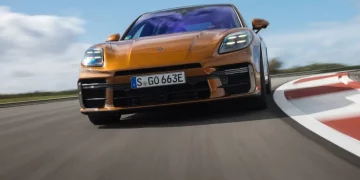
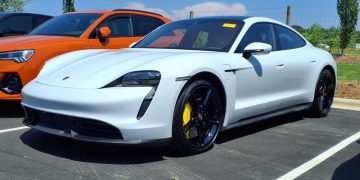
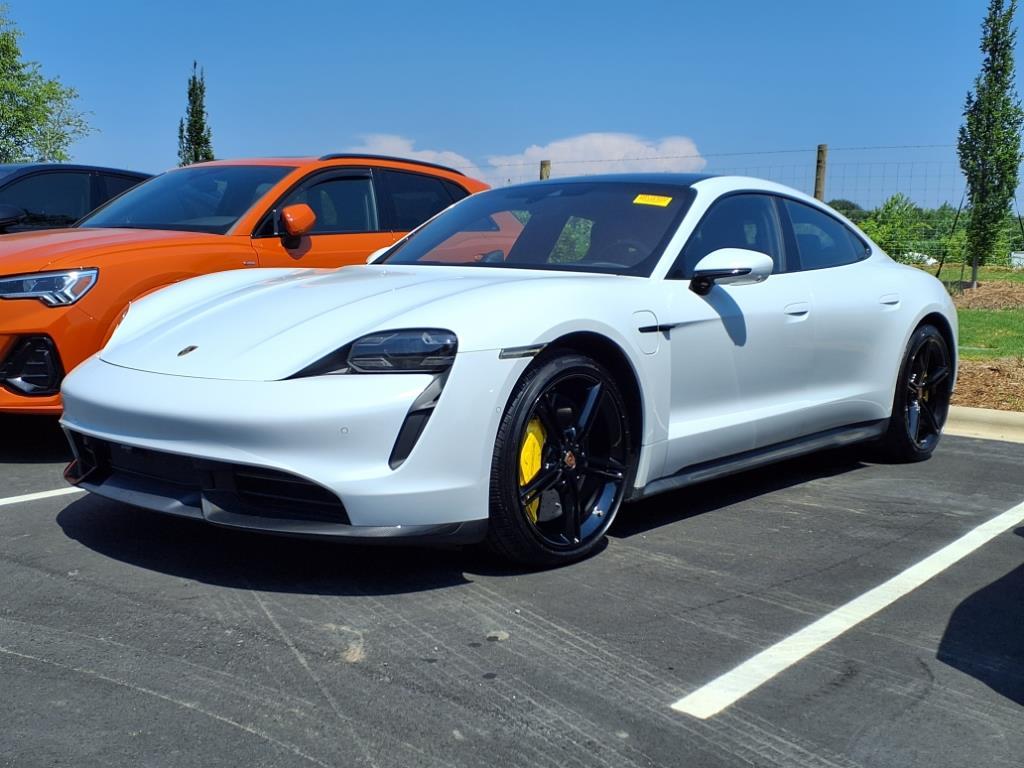
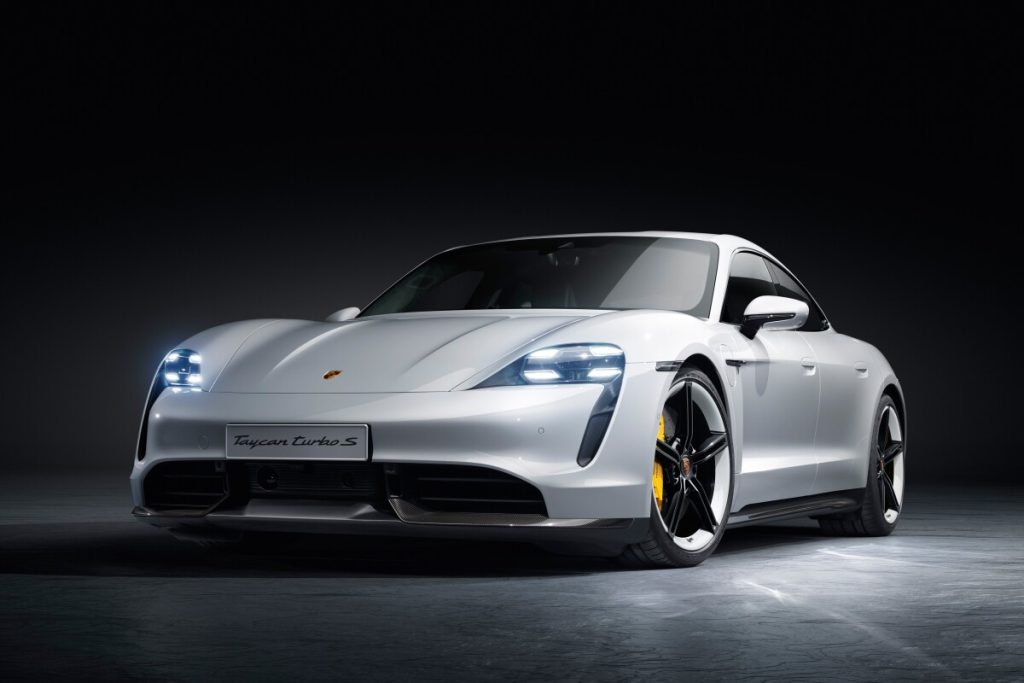
- Porsche Taycan Turbo S: Porsche has long been known for producing some of the most powerful and revered sports cars in the world, and the Taycan Turbo S is no exception. This all-electric sports sedan boasts mind-blowing acceleration and handling while remaining completely eco-friendly. The Taycan Turbo S is equipped with dual electric motors that produce 750 horsepower, allowing it to go from 0 to 60 mph in just 2.6 seconds. Despite its incredible power, the Taycan Turbo S is a fully electric vehicle, with zero tailpipe emissions and a range of up to 246 miles on a single charge. This vehicle has proven that electric drivetrains can provide the kind of performance sports car enthusiasts expect, without sacrificing environmental responsibility.
- Ferrari SF90 Stradale: Ferrari, the brand synonymous with ultra-high-performance sports cars, has also embraced hybrid technology with the introduction of the SF90 Stradale. This plug-in hybrid sports car combines a V8 internal combustion engine with three electric motors to deliver a combined output of 986 horsepower. The SF90 Stradale can accelerate from 0 to 60 mph in just 2.5 seconds, making it one of the fastest hybrid sports cars on the market. Ferrari’s dedication to performance is clear, but the SF90 Stradale also incorporates green technology with the ability to run solely on electric power for short distances, reducing its carbon footprint in urban environments. The hybrid setup allows for an ideal balance of power, speed, and sustainability, providing both thrilling performance and eco-conscious driving.
Both the Porsche Taycan Turbo S and Ferrari SF90 Stradale demonstrate that sustainability doesn’t have to come at the expense of performance. With electric and hybrid drivetrains, these cars provide a glimpse of what the future of high-performance vehicles will look like: powerful, fast, and eco-friendly.
Technology and Innovation: How Electric Drivetrains Are Redefining Performance and Speed
Electric drivetrains are at the forefront of transforming how we think about speed, performance, and sustainability. For years, electric vehicles were thought of as being slower and less capable in terms of high-performance driving. However, thanks to advances in battery technology and electric motor efficiency, electric sports cars now rival or even surpass their gasoline-powered counterparts in many areas.
One of the key advantages of electric motors is their ability to deliver instant torque. This allows electric sports cars to accelerate quickly and smoothly, without the lag often associated with internal combustion engines. The result is a thrilling driving experience, with lightning-fast acceleration and impressive top speeds.
In addition, advancements in battery technology have helped increase the driving range of electric sports cars. Manufacturers are continually improving the energy density of lithium-ion batteries, enabling vehicles like the Porsche Taycan to travel longer distances on a single charge without sacrificing performance.
Another area of innovation in electric sports cars is regenerative braking. This system allows the vehicle to recapture energy during braking and use it to recharge the battery, increasing overall efficiency and range. Regenerative braking also enhances handling by providing smoother deceleration, making for a more enjoyable and responsive driving experience.
Electric drivetrains are not only more sustainable, but they are also opening up new possibilities for performance. With fewer moving parts and a lower center of gravity, electric vehicles are able to offer superior handling, cornering, and stability compared to their gasoline-powered counterparts. In fact, many electric sports cars are now surpassing traditional vehicles in lap times on race tracks, as demonstrated by the Taycan’s impressive performance at the Nürburgring.
The Future of Green Sports Cars: Will Hybrid and Electric Technologies Dominate the Supercar Market?
As the demand for sustainable transportation continues to grow, hybrid and electric technologies are poised to dominate the supercar market in the years to come. While some traditional sports car manufacturers remain committed to internal combustion engines, the industry as a whole is moving towards electrification.
Electric vehicles offer numerous advantages in terms of performance, speed, and sustainability, making them an attractive option for high-performance sports cars. Furthermore, as electric vehicle infrastructure improves and charging times decrease, the convenience of owning an electric sports car will continue to improve.
Many car manufacturers are already making bold moves toward electric and hybrid sports cars. Brands like Porsche, Ferrari, and McLaren are leading the charge, but even Lamborghini and Aston Martin are exploring electric and hybrid powertrains for their future models. These developments signal that electric and hybrid sports cars are not just a passing trend—they are the future of the performance car market.
One of the major challenges to the widespread adoption of electric supercars is the cost. Electric vehicles, particularly high-performance ones, tend to have a higher upfront cost due to the expensive battery technology. However, as battery prices continue to decrease and economies of scale are achieved, electric sports cars will likely become more affordable and accessible to a broader range of consumers.
Moreover, hybrid and electric sports cars have the potential to offer superior driving experiences, with instant torque, smoother acceleration, and less noise and vibration than traditional engines. As consumers become more environmentally conscious, there will be an increasing demand for cars that combine sustainable technology with the thrill of performance.
Conclusion: How Luxury Sports Cars Are Evolving to Meet the Demands of the Eco-Conscious Consumer
The evolution of sports cars in 2024 represents a shift in the automotive industry, where sustainability and performance are no longer mutually exclusive. With advancements in hybrid and electric technologies, car manufacturers are successfully combining the power, speed, and luxury of sports cars with a commitment to reducing environmental impact.
As we look to the future, it is clear that the days of gasoline-only sports cars are numbered. Electric and hybrid drivetrains are set to dominate the market, offering thrilling performance while meeting the growing demand for eco-friendly solutions. The Porsche Taycan Turbo S and Ferrari SF90 Stradale are just the beginning, showcasing how sustainable technologies can enhance the driving experience without sacrificing speed or luxury.
In the coming years, we can expect more high-performance, environmentally friendly sports cars to emerge, offering consumers the best of both worlds. The future of sports cars is not just about speed—it’s about driving a change toward a more sustainable and responsible future, where luxury and performance coexist with environmental stewardship.