




Introduction: The Potential of Autonomous Driving Technology in Luxury Cars
The automotive industry is on the verge of a revolution. Autonomous driving technology, once considered the stuff of science fiction, is rapidly becoming a reality. As we approach 2025, the question on many minds is whether autonomous vehicles will significantly transform the luxury car market. High-end automakers have long been pioneers in adopting cutting-edge technologies, and the shift to fully autonomous driving represents the next frontier in the pursuit of excellence in design, performance, and safety. For luxury car brands, autonomous driving could offer a host of new opportunities to redefine the driving experience, increase comfort, and further distance themselves from mainstream automotive offerings.
In this article, we will explore how autonomous vehicles are poised to change the luxury car market by 2025, focusing on the progress in autonomous technology, consumer perceptions, the impact on safety and performance, and the broader implications of a fully autonomous future for high-end vehicles.
Progress in Autonomous Tech: How Luxury Brands Are Leading the Charge in Autonomous Vehicles
The development of autonomous driving technology has progressed in leaps and bounds over the past decade. What began with semi-autonomous systems like Tesla’s Autopilot and Mercedes-Benz’s Drive Pilot has gradually evolved toward the goal of full autonomy—level 5 on the Society of Automotive Engineers (SAE) scale of automation, where the vehicle can operate without human intervention under all conditions. Many luxury car brands are not just adopting autonomous technology but are leading the charge in its development, integrating it with their heritage of performance, safety, and innovation.
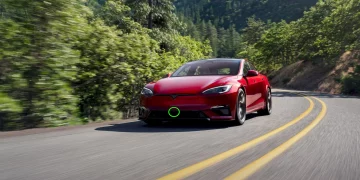
- Tesla: Tesla has been at the forefront of autonomous driving technology with its Autopilot and Full Self-Driving (FSD) systems. Though not fully autonomous yet, Tesla’s FSD feature offers impressive capabilities, including automatic lane changes, highway driving assistance, and parking functionality. Tesla is continuously working toward level 5 autonomy through over-the-air software updates and its vast data-gathering capabilities. For luxury buyers seeking the cutting-edge in autonomous tech, Tesla’s offerings are hard to beat.
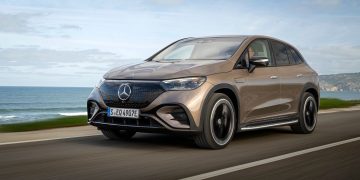
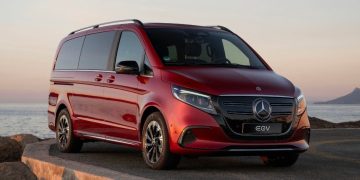
- Mercedes-Benz: The German automaker has made significant strides in autonomous driving with its “Drive Pilot” system. Mercedes-Benz has already introduced level 3 autonomy in some markets with the EQS sedan, which allows the vehicle to handle certain driving tasks like steering and braking in specific conditions, such as highway driving. The system can disengage the driver’s attention temporarily, but Mercedes is working on bringing level 4 and eventually level 5 autonomy to its vehicles. Given its commitment to safety and luxury, the brand’s work in autonomous technology is setting a high bar for others in the industry.
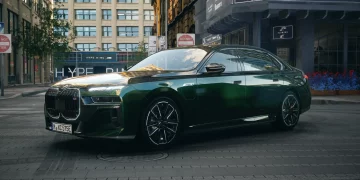
- BMW: BMW is also making progress with autonomous driving, particularly in its higher-end models like the BMW 7 Series and iX. The company is focusing on level 3 autonomy, allowing the vehicle to handle certain tasks under specific conditions. BMW is also collaborating with tech firms to improve the AI and machine learning that powers its autonomous systems, ensuring that its vehicles can handle an increasingly wide variety of driving scenarios. BMW’s “iDrive” system, which integrates AI and voice recognition, could be the foundation for more sophisticated autonomous technologies in the near future.
- Audi: Audi has been a significant player in the development of autonomous driving, with a focus on safety and the driving experience. Audi’s level 3 autonomy system, which is currently being tested, allows for hands-free driving on highways. The company is also looking to integrate its autonomous systems with the infotainment systems in its vehicles, making driving both effortless and enjoyable. Audi’s focus on the driver experience means that its autonomous systems will likely prioritize comfort and convenience, elements already central to the luxury driving experience.
- Lexus and Toyota: Toyota’s luxury division, Lexus, is known for its focus on reliability and safety. The company is investing heavily in autonomous driving technology, with the goal of providing level 4 or 5 autonomy in the coming years. Lexus vehicles are already equipped with a suite of driver assistance features under the “Lexus Safety System+” umbrella, which will likely form the foundation of their autonomous offerings in the future.
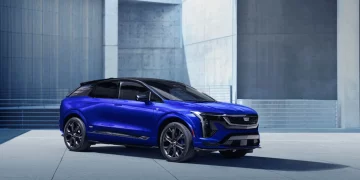
- Cadillac: General Motors’ Cadillac division has made significant headway with its Super Cruise system, which offers semi-autonomous highway driving capabilities. The system is already available on models like the Cadillac CT6 and Escalade, providing hands-free driving on certain highways. Cadillac’s push toward fully autonomous vehicles will likely continue as the company integrates more advanced systems into its lineup.
As these brands continue to innovate, they are shaping the future of autonomous vehicles in the luxury sector. Through investment in AI, machine learning, and cutting-edge sensor technology, luxury automakers are moving closer to making level 5 autonomous vehicles a reality by 2025.
Consumer Perception: Will Luxury Car Buyers Embrace Fully Autonomous Vehicles?
While the technology behind autonomous vehicles is rapidly advancing, the question remains: will luxury car buyers actually embrace fully autonomous vehicles? Historically, luxury car buyers have been enthusiasts who value performance, driving dynamics, and the thrill of being behind the wheel. These consumers tend to be more reluctant to cede control of their vehicles to a machine, especially when the technology is still evolving.
However, there are several factors that could drive the acceptance of autonomous driving technology in luxury vehicles:
- Safety First: One of the primary selling points of autonomous technology is its potential to enhance safety. Autonomous systems can reduce human error—currently responsible for over 90% of accidents—by relying on advanced sensors, cameras, and machine learning to make decisions in real-time. As the technology matures, consumers may come to see autonomous vehicles as not only more convenient but also safer, especially for those who frequently travel long distances or spend a lot of time in traffic.
- Convenience and Comfort: Many luxury car buyers value convenience and comfort. Autonomous driving could provide an entirely new level of convenience, particularly in dense urban environments or during long commutes. Imagine a scenario where a luxury vehicle drives itself to the office, allowing the owner to relax, work, or even sleep during the journey. For frequent travelers or individuals who prioritize time over the driving experience, autonomous vehicles could offer unmatched convenience.
- A Shift in Lifestyle Preferences: The younger generation of luxury consumers may be more open to the idea of autonomous vehicles. Gen Z and millennials are increasingly looking for smart, tech-forward solutions that align with their digital lifestyles. Autonomous driving technology could be particularly appealing to these younger buyers, who are already accustomed to using technologies like smartphones, smartwatches, and voice assistants to automate other aspects of their lives.
- Changing Mindsets About Driving: As autonomous vehicles become more mainstream, attitudes toward driving could shift. The concept of driving for pleasure may become less important as more people value the ability to multitask or simply relax during their commutes. Luxury brands could cater to this shift by offering enhanced cabin experiences, such as premium seating, entertainment systems, and connectivity features, making the time spent in the vehicle more enjoyable.
However, it’s also important to note that many luxury car buyers may continue to prefer manual driving controls, especially for those who value performance. While some may embrace autonomous features for highway driving or traffic-heavy areas, they may still want the option to take control when enjoying a spirited drive on winding roads or at high speeds.
Safety and Performance: How Autonomous Systems Can Enhance Safety Without Compromising Performance
A central concern for luxury car buyers is how autonomous driving systems will impact the performance and driving dynamics that have traditionally defined high-end vehicles. Will the introduction of autonomous systems result in a loss of the responsive, engaging experience that enthusiasts love? Or can the two coexist?
- Enhanced Safety Features: Autonomous systems are designed to enhance safety by anticipating potential hazards and reacting faster than a human driver. With advanced features like automatic emergency braking, adaptive cruise control, and lane-keeping assist, autonomous vehicles could reduce the likelihood of accidents caused by human error. For luxury brands that already prioritize safety, autonomous technology offers a way to elevate that commitment by adding layers of protection and creating a more secure driving environment.
- Maintaining Performance: While it’s true that some autonomous systems prioritize convenience over performance, luxury automakers are working to ensure that autonomy doesn’t compromise the driving experience. Advanced autonomous vehicles will be equipped with sensors and algorithms that enable them to make decisions in real-time based on road conditions, traffic patterns, and the driver’s preferences. The integration of performance-oriented features—such as adaptive suspension systems and precise steering—will allow luxury cars to offer a combination of high-level performance and autonomy.
For example, when the car is in autonomous mode, it may adjust the ride for maximum comfort. But when the driver takes control, the car can switch to a more engaging, performance-oriented setup. This flexibility will ensure that luxury cars remain true to their roots while embracing the future of driving.
- The Evolution of Driver Engagement: In the coming years, luxury vehicles may evolve to offer more than just a passive driving experience. Automakers are already exploring ways to provide a more interactive experience, with customizable driving modes, haptic feedback, and immersive entertainment options for passengers. As autonomous vehicles become more common, luxury brands will likely enhance these features to cater to passengers who still want to enjoy the thrill of being in a luxury vehicle, even if they are not actively driving.
Conclusion: The Long Road Ahead for Autonomous Luxury Vehicles
The road to fully autonomous luxury vehicles is still long and full of challenges. As we look toward 2025, we can expect continued advancements in autonomous driving technology, but it’s unlikely that all luxury vehicles will be fully autonomous by this date. Many manufacturers will likely continue to introduce semi-autonomous features in their vehicles, gradually expanding the scope of automation as the technology matures.
While there are many benefits to autonomous vehicles—such as enhanced safety, convenience, and comfort—lux
ury car buyers may still take time to fully embrace the shift. Performance enthusiasts, in particular, may resist relinquishing control to a machine. However, as the technology improves and the public becomes more familiar with the benefits of autonomy, we can expect autonomous driving to become an integral part of the luxury car market.
The future of luxury vehicles may not be about simply owning a high-performance car but about owning an intelligent, autonomous vehicle that offers unparalleled comfort, safety, and convenience. Whether consumers will embrace this shift fully by 2025 remains to be seen, but one thing is clear: the journey to autonomous luxury cars is already underway.