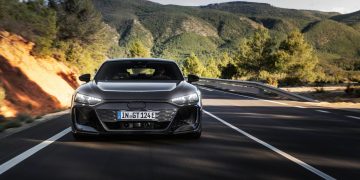

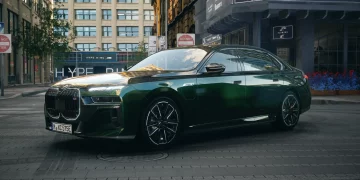




The electric SUV market is experiencing a rapid transformation as automakers push the boundaries of sustainability, luxury, and performance. By 2025, the landscape for electric SUVs is expected to look drastically different, with more models on the road offering cutting-edge technology, eco-friendly features, and advanced performance capabilities. As consumers shift towards more sustainable and eco-conscious choices, electric SUVs are emerging as the next frontier in luxury—combining zero-emission driving with premium experiences.
This article explores the growing popularity of electric SUVs in 2025, highlights key models leading the charge, and examines how manufacturers are achieving the delicate balance between performance and sustainability in this evolving segment.
1. Electric SUVs Gaining Traction in 2025
In recent years, the automotive industry has witnessed a shift towards electrification. The demand for electric vehicles (EVs), especially in the SUV segment, is reaching new heights as consumers seek greener alternatives to traditional gas-powered vehicles. In 2025, the electric SUV market will become a critical part of the mainstream automotive landscape, with an increasing number of manufacturers offering cutting-edge EVs that promise to deliver both luxury and efficiency.
Several factors are contributing to the rise of electric SUVs:
1.1 Technological Advancements in Battery Systems
Battery technology has made significant progress over the past few years. Advances in solid-state batteries, fast-charging solutions, and higher energy densities are enabling electric SUVs to achieve longer ranges and faster charging times. In 2025, many electric SUVs will offer driving ranges of over 300 miles on a single charge, addressing one of the primary concerns of electric vehicle ownership.
Additionally, fast-charging networks are expanding rapidly, making long-distance trips more feasible for electric SUV owners. Companies like Tesla, Electrify America, and others are investing heavily in charging infrastructure, which will only continue to enhance the electric vehicle experience.
1.2 Consumer Demand for Sustainable Luxury
Today’s buyers are more environmentally conscious than ever, with many opting for vehicles that align with their values. Electric SUVs meet this demand for sustainability while providing the comfort and luxury features that consumers expect. With luxury brands embracing electric mobility, buyers now have access to a growing selection of premium electric SUVs that offer zero-emission driving without compromising on performance, design, or comfort.
1.3 Government Incentives and Emissions Regulations
As part of global efforts to combat climate change, governments around the world are implementing stricter emissions regulations and offering incentives for electric vehicle purchases. These regulations are compelling automakers to accelerate their electric vehicle production, and the growing number of EV tax credits and subsidies has made electric SUVs more accessible to a wider range of consumers.
This combination of technological progress, consumer demand, and regulatory pressure will ensure that electric SUVs become an even more prominent choice for the luxury car market in 2025.
2. Key Models Pushing the Limits of Electric Power
As the electric SUV market heats up, several key models are leading the charge, combining innovative technology, luxurious interiors, and impressive performance. Here are some of the standout electric SUVs for 2025 that are setting new benchmarks for the industry:
2.1 Tesla Model X (2025)
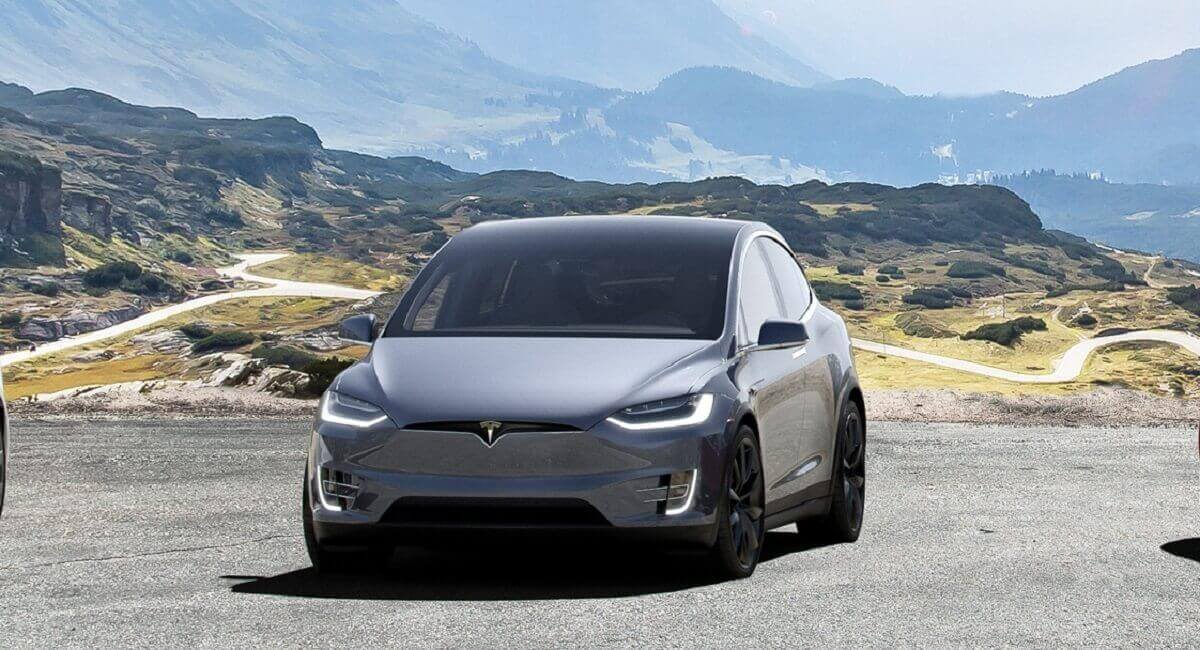
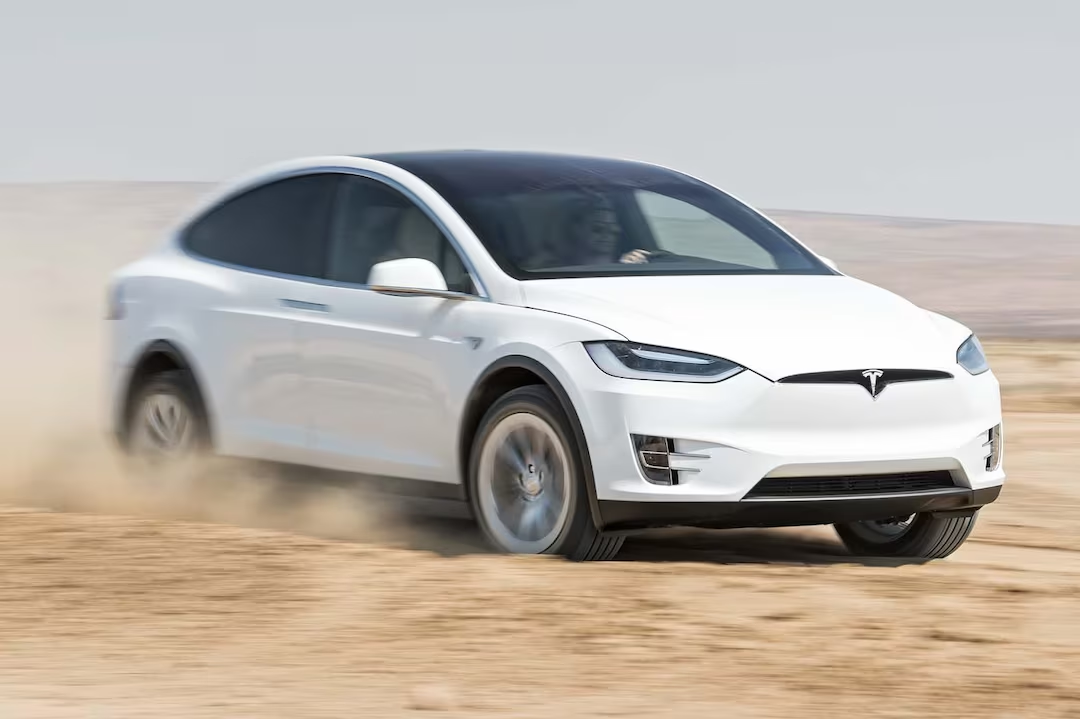
The Tesla Model X has long been one of the most recognizable electric SUVs on the market, and the 2025 model will continue to push the limits of electric performance and range. With a dual-motor all-wheel drive, the Model X will offer an impressive zero-to-60 mph time of around 2.5 seconds, making it one of the fastest electric SUVs available. In addition, the Model X will feature a range of over 350 miles on a single charge, ensuring that long trips remain hassle-free.
Inside, the Model X will continue to provide luxury with a minimalist interior, premium seating, and advanced features like the Tesla Autopilot for semi-autonomous driving. Additionally, the futuristic Falcon-wing doors will remain a signature feature, ensuring the Model X stands out in terms of both functionality and design.
2.2 Rivian R1S (2025)
The Rivian R1S is a newcomer that has garnered significant attention for its off-road capabilities and rugged design, combined with luxurious interior features. This electric SUV boasts an impressive 750 horsepower and can achieve a 0-60 mph time of 3.0 seconds, making it a formidable contender in the performance SUV category. The R1S is designed to handle rough terrains, making it an ideal choice for adventure enthusiasts who still want to enjoy the benefits of electric mobility.
In addition to off-road prowess, the Rivian R1S offers a high-tech interior, including a large touchscreen interface, premium seating materials, and a suite of driver assistance systems. With a range of over 300 miles, it’s a practical, high-performance electric SUV for both adventure and daily driving.
2.3 Audi Q8 e-tron (2025)
The Audi Q8 e-tron combines Audi’s signature luxury with electric powertrain technology. This electric SUV offers up to 500 horsepower and a range of over 280 miles. The Q8 e-tron features agile handling, adaptive air suspension, and dynamic all-wheel drive for a performance-driven driving experience. The high-tech MMI touch response system ensures easy access to features like navigation, entertainment, and climate control, while the driver assistance systems offer a suite of safety features.
Inside, the Q8 e-tron offers premium materials, customizable interiors, and spacious seating for passengers. The blend of performance, comfort, and luxury makes it a strong competitor in the luxury electric SUV category for 2025.
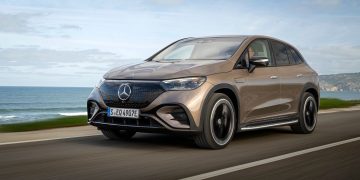
2.4 Mercedes-Benz EQS SUV (2025)
The Mercedes-Benz EQS SUV will be the luxury automaker’s flagship electric SUV, combining the sophistication and comfort of the EQS sedan with the space and versatility of an SUV. Powered by an electric motor capable of producing up to 516 horsepower, the EQS SUV will offer a range of over 400 miles.
Inside, the EQS SUV will feature the MBUX Hyperscreen, a curved touchscreen spanning the dashboard that integrates the vehicle’s infotainment system, navigation, and vehicle controls into one seamless interface. Additionally, Massaging Seats, advanced climate control, and premium sound systems will make the driving experience incredibly comfortable and luxurious.
The EQS SUV will be the perfect choice for those seeking refined luxury combined with sustainable driving.
3. How Manufacturers Are Balancing Performance with Sustainability
As electric SUVs gain popularity, manufacturers are tasked with the challenge of balancing performance and sustainability. Here’s how they’re making it work:
3.1 High-Performance Electric Drivetrains
Electric drivetrains provide instant torque and smooth acceleration, which is a significant advantage for performance. Automakers like Tesla, Rivian, and Porsche are leveraging electric powertrains to deliver exceptional speed and dynamic handling while maintaining low emissions. This allows electric SUVs to offer performance that rivals traditional gas-powered SUVs, without the environmental impact.
3.2 Sustainable Materials and Production Methods
To further enhance their environmental credentials, many manufacturers are turning to sustainable materials for their electric SUVs. This includes the use of recycled materials, plant-based components, and eco-friendly manufacturing processes. For example, BMW and Audi are incorporating natural fibers and bioplastics into their interiors, while Rivian and Tesla are using sustainable leather alternatives to reduce their carbon footprint.
3.3 Energy Efficiency and Charging Infrastructure
Energy efficiency remains a key concern for electric SUVs, but advancements in battery technology and charging infrastructure are addressing these challenges. Automakers are investing in more efficient batteries that store more energy in smaller, lighter packages, allowing for longer driving ranges and quicker charging times. At the same time, the expansion of fast-charging networks ensures that drivers can recharge their vehicles conveniently, making electric SUVs a more practical option for long-distance travel.
Conclusion
The future of electric SUVs is incredibly exciting. With cutting-edge battery technology, sustainable design, and a growing focus on luxury and performance, the electric SUV segment is poised to revolutionize the way we think about sustainable driving. As manufacturers continue to innovate and improve their offerings, we can expect to see even more impressive electric SUVs in 2025 and beyond—vehicles that offer the best of both worlds: eco-friendly driving without compromising on the performance or luxury that today’s buyers demand.