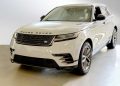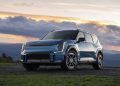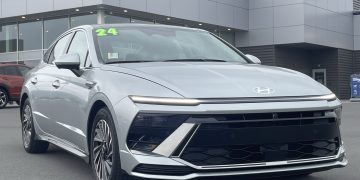
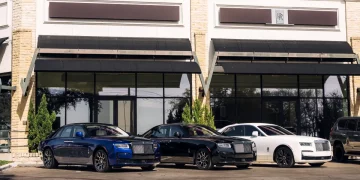




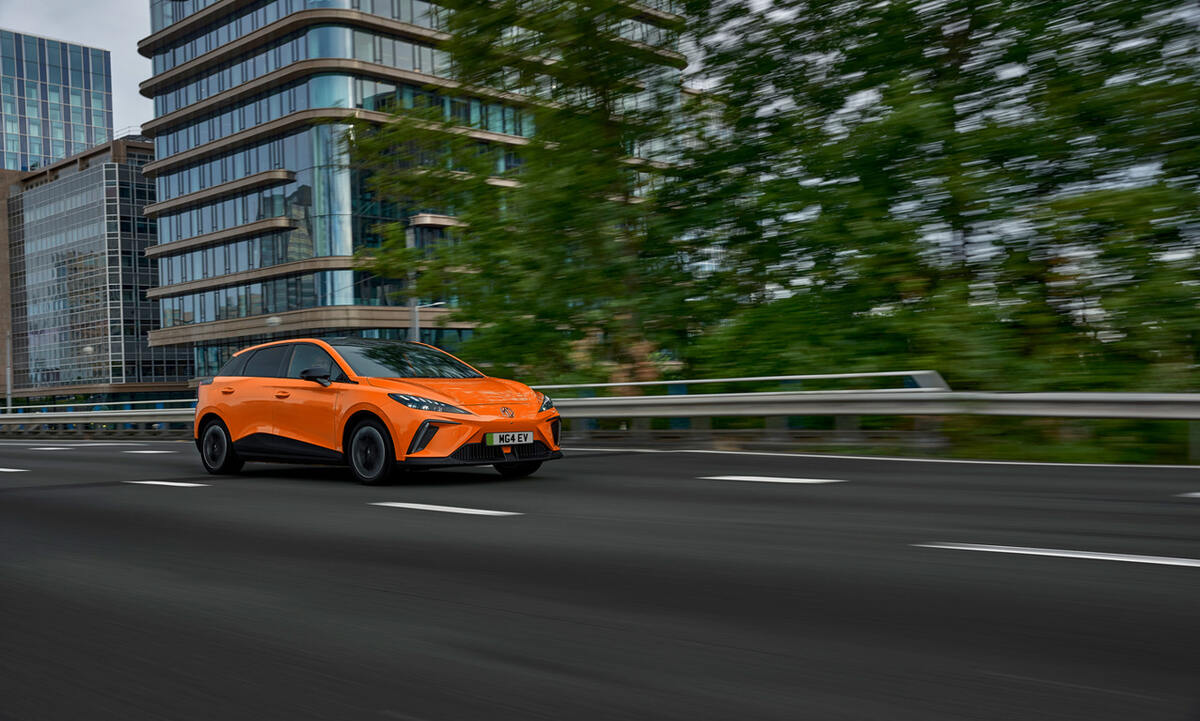
The automotive world is in the midst of a radical transformation, and at the forefront of this shift are electric and hybrid sedans. By 2025, these green models are not only changing how we drive but also how we think about sustainability in the automobile industry. Today’s sedans are more than just vehicles; they are a symbol of the future—a future where performance, luxury, and eco-friendliness coexist harmoniously. In this article, we will explore the significant shift towards electric and hybrid sedans, how manufacturers are meeting the demand for eco-friendly driving without sacrificing luxury, the leading models that combine sustainability and performance, and how sedans are becoming greener without losing their signature style.
1. The Shift Towards Electric and Hybrid Sedans in 2025
The shift towards electric and hybrid sedans in 2025 is more than just a trend—it is a response to pressing environmental concerns and changing consumer demands. As governments around the world implement stricter environmental regulations, and as climate change becomes an increasingly urgent issue, the automotive industry is moving towards greener alternatives. Electric vehicles (EVs) and hybrid cars are gaining traction as they offer significant reductions in carbon emissions, making them crucial to the future of mobility.
One of the primary reasons electric and hybrid sedans are gaining popularity is advancements in battery technology. The range of electric vehicles has increased dramatically, with many models now capable of driving over 300 miles on a single charge. This improvement in range, coupled with faster charging infrastructure, has made electric sedans much more practical for everyday use. Additionally, the development of hybrid powertrains that combine internal combustion engines with electric motors allows for extended range and fuel efficiency, making hybrid sedans a versatile choice for consumers who may not yet be ready to fully embrace electric vehicles.
Automakers are responding to this demand by accelerating the development of electric and hybrid sedans. Companies like Tesla, BMW, Audi, and Mercedes-Benz are leading the charge with innovative new models that offer sustainable driving solutions without compromising on performance. By 2025, it is expected that the electric and hybrid sedan market will have grown significantly, offering consumers more choices and making eco-friendly sedans more accessible than ever before.
2. Eco-Friendly Driving Without Sacrificing Luxury
One of the key concerns for consumers considering electric or hybrid vehicles is whether they will have to sacrifice luxury, comfort, or performance. This concern is understandable—luxury cars are traditionally associated with high-end materials, advanced technology, and superior performance. However, in recent years, automakers have been focused on ensuring that their green sedans deliver not only on sustainability but also on luxury.
Today’s electric and hybrid sedans offer all the comforts and technological innovations you would expect from a premium vehicle. For instance, the interiors of electric sedans are equipped with luxurious materials, such as leather-free upholstery, high-quality textiles, and sustainably sourced woods. These vehicles also feature advanced infotainment systems, personalized climate control, and premium sound systems, creating a driving experience that rivals that of traditional luxury sedans.
Performance-wise, electric and hybrid sedans are designed to deliver a thrilling driving experience. Electric motors provide instant torque, allowing these vehicles to accelerate quickly and smoothly. In fact, many high-end electric sedans like the Tesla Model S and Audi e-tron GT can outperform their gas-powered counterparts in terms of speed and acceleration. Additionally, the absence of a traditional internal combustion engine means that electric sedans offer a quieter and more serene driving experience, contributing to an overall sense of refinement.
Furthermore, hybrid sedans combine the best of both worlds—offering the convenience and range of a gasoline engine with the fuel efficiency and low emissions of an electric motor. This allows drivers to experience the luxury and power of a traditional sedan while reducing their environmental footprint.
3. The Leading Models That Combine Performance and Sustainability
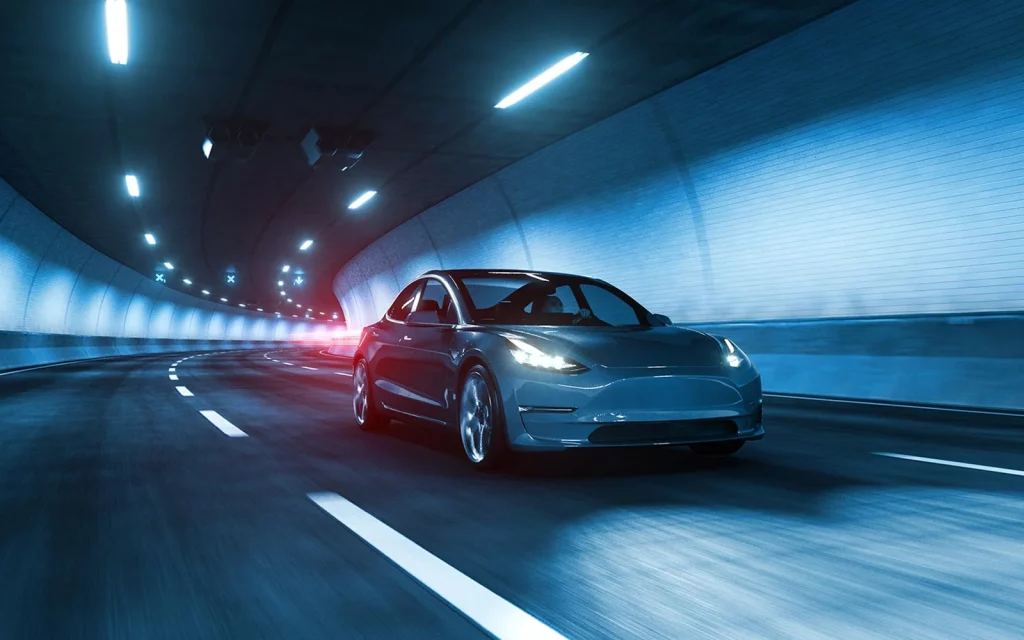
As the demand for electric and hybrid sedans grows, automakers have introduced a wide range of models that balance performance with sustainability. Some of the leading models in the market are redefining what it means to drive a luxury vehicle while contributing to a greener future.
Tesla Model S
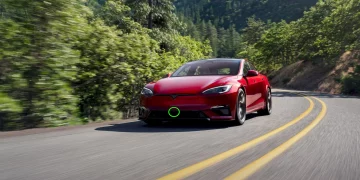
The Tesla Model S has become synonymous with electric luxury and performance. With a range of up to 370 miles on a single charge, the Model S is one of the longest-range electric sedans available. It also boasts exceptional performance, with the Plaid version capable of accelerating from 0 to 60 mph in under two seconds—making it one of the fastest production cars in the world. The Model S also offers a minimalist, high-tech interior with a large touchscreen interface that controls almost every aspect of the vehicle.
BMW i4
The BMW i4 is the brand’s first fully electric sedan and combines the performance BMW is known for with zero-emissions driving. With a range of over 300 miles and a 0-60 mph time of just 3.7 seconds, the i4 is designed for those who want both power and sustainability. The i4 features BMW’s signature driving dynamics, an intuitive infotainment system, and a luxurious interior with high-quality materials. It’s a great option for eco-conscious drivers who don’t want to compromise on performance.
Audi e-tron GT
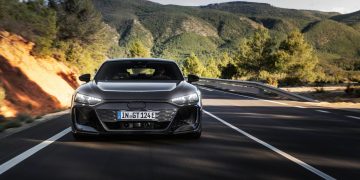
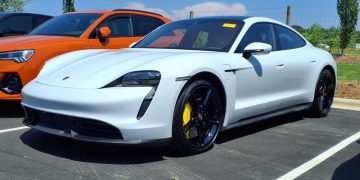
The Audi e-tron GT is a performance-oriented electric sedan that offers both speed and sustainability. With up to 637 horsepower in the RS model, the e-tron GT accelerates quickly and delivers a thrilling driving experience. The e-tron GT also features a sophisticated, luxurious interior with high-end materials and advanced technology, making it a top contender in the electric luxury sedan market. Audi’s focus on performance is evident in its handling, as the e-tron GT offers precise steering and excellent grip, making it a joy to drive.
Mercedes-Benz EQS
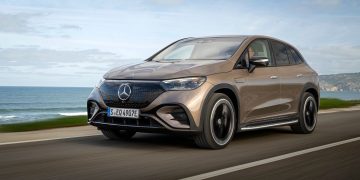
The Mercedes-Benz EQS is the brand’s flagship electric sedan and represents the pinnacle of luxury and sustainability. With a range of over 350 miles, the EQS offers long-distance travel without compromising on comfort or performance. The EQS features a plush, high-tech interior with sustainable materials like vegan leather and FSC-certified wood. It also offers a suite of advanced technology, including an augmented reality head-up display and a massive touchscreen interface that spans the entire dashboard.
Polestar 2
Polestar, a performance-focused electric brand spun off from Volvo, offers the Polestar 2—a sleek, high-performance electric sedan that is as stylish as it is sustainable. The Polestar 2 features a dual-motor configuration for all-wheel drive performance, with a range of over 250 miles. The interior is minimalist and Scandinavian-inspired, with a focus on sustainability through the use of recycled materials. The Polestar 2 also boasts an advanced infotainment system powered by Android, allowing for seamless integration of Google services.
4. How Sedans Are Becoming Greener Without Losing Style
As electric and hybrid sedans become more popular, automakers are finding innovative ways to make these vehicles even greener, without sacrificing the style and performance that consumers expect. Sustainability is no longer just about reducing emissions—it also involves minimizing the environmental impact of manufacturing processes, materials, and the vehicle’s lifecycle.
One of the ways automakers are making sedans greener is by using lightweight materials. Reducing the weight of a vehicle improves fuel efficiency and extends the range of electric vehicles. Many modern sedans are made with lightweight aluminum, carbon fiber, and composite materials, which help reduce the overall carbon footprint of the car.
In addition, automakers are increasingly turning to sustainable materials for the interiors of their vehicles. High-quality vegan leather, recycled fabrics, and sustainable woods are being used to create luxurious, environmentally friendly cabins. Brands like Tesla, BMW, and Mercedes-Benz have all introduced vehicles with interiors made from eco-friendly materials, offering consumers the luxury they desire while reducing the environmental impact of production.
Another important trend in green sedans is the shift toward renewable energy in manufacturing. Many automakers are now powering their factories with renewable energy sources like wind and solar power, reducing the carbon footprint associated with vehicle production. For example, Tesla’s Gigafactory is powered by renewable energy, making the production of its electric vehicles even more sustainable.
In terms of style, electric and hybrid sedans are becoming increasingly sleek and aerodynamic. Designers are focusing on reducing drag and improving the vehicle’s efficiency without compromising on visual appeal. This has resulted in sedans that not only look futuristic but are also optimized for performance and energy efficiency.
Conclusion: A Greener, More Stylish Future for Sedans
As we look towards 2025, the future of sedans is bright and green. Electric and hybrid sedans are revolutionizing the automotive industry by combining luxury, performance, and sustainability in ways that were once thought impossible. From the Tesla Model S to the Mercedes-Benz EQS, these vehicles are proving that eco-friendly driving doesn’t have to mean sacrificing style or power.
The shift towards greener sedans is a positive step towards reducing our carbon footprint and building a more sustainable future. As battery technology continues to improve, charging infrastructure expands, and manufacturing processes become more eco-friendly, the benefits of driving a green sedan will only continue to grow. With the rise of electric and hybrid sedans, the road to sustainability is becoming more accessible, more stylish, and more exciting than ever.