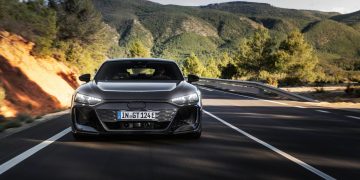
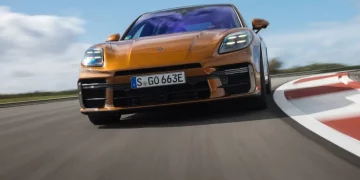
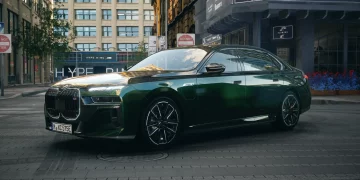
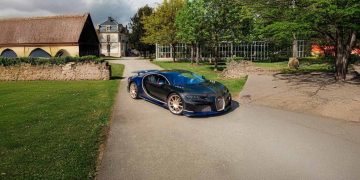



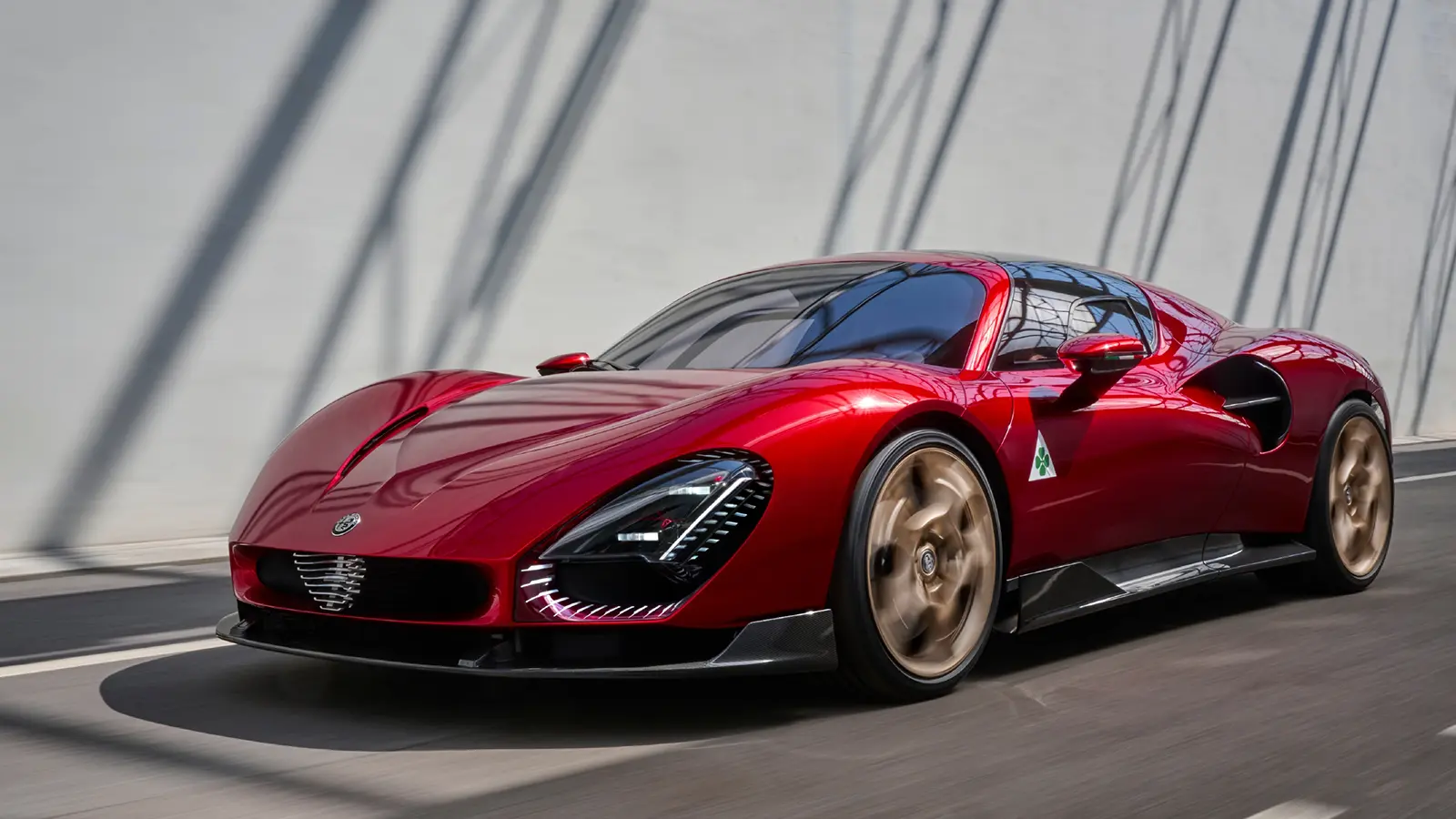
The automotive world is in the midst of a profound transformation. While traditional supercars have long been associated with roaring engines, high-octane fuel, and a visceral driving experience, the rise of electric supercars is challenging those conventions. These cutting-edge machines combine mind-blowing speed with eco-conscious technology, creating a new breed of vehicle that promises to revolutionize the future of performance cars. In this article, we’ll explore the rise of electric supercars, the brands leading the charge, and the challenge of balancing speed with sustainability.
1. The Rise of Electric Supercars and Their Impact on the Automotive Industry
Electric vehicles (EVs) have been on the rise for years, largely due to the increasing demand for sustainable transportation and the push for a greener future. However, while electric cars like the Tesla Model S and Chevy Bolt have gained popularity among everyday drivers, electric supercars represent a whole new level of innovation, combining the performance and luxury of high-end sports cars with zero-emissions technology.
1.1 From Concept to Reality: The Dawn of the Electric Supercar
At the beginning of the electric vehicle revolution, many skeptics questioned whether electric drivetrains could ever match the performance of traditional combustion engines, particularly when it came to high-performance supercars. Yet, the answer to that skepticism is now becoming clear: electric supercars are not just possible—they’re a game-changer.
The first wave of electric supercars arrived with Tesla’s Roadster in the mid-2000s, showcasing the potential of electric performance. But the real shift began around the 2010s, as a growing number of automakers started to explore the viability of combining electric powertrains with supercar performance.
Electric supercars are no longer just about being “green”; they’re about rethinking performance altogether. With the immediate torque delivery of electric motors, they can accelerate with incredible instantaneous speed—something that traditional combustion engine supercars take time to build up. The absence of a traditional engine also allows for new design possibilities, with more flexible configurations and a focus on aerodynamics and weight distribution.
1.2 Environmental Impact and the Shift Toward Sustainability
While the primary focus of supercars is often on performance and luxury, the demand for sustainability has become an essential factor. Traditional supercars have long been criticized for their high carbon emissions and fuel consumption, and the automotive industry as a whole has faced increasing pressure to move towards more eco-friendly solutions.
Electric supercars help reduce carbon footprints, not just in terms of emissions but also by offering zero-emission driving. By replacing internal combustion engines (ICE) with electric motors, these vehicles significantly cut down on harmful emissions, contributing to the broader goal of reducing pollution and addressing climate change. The industry is now moving toward making electric supercars not only a performance icon but also a symbol of environmental responsibility.
While they still come with their own set of challenges—such as battery production and the environmental impact of mining for materials like lithium and cobalt—electric supercars represent a positive step toward greener technology and a more sustainable future for high-performance automobiles.
2. Which Brands Are Leading the Electric Supercar Revolution?
As electric technology continues to advance, several high-profile manufacturers have stepped into the world of electric supercars. From established luxury brands to newcomers, the race to dominate the electric supercar segment is on. Here are some of the brands leading the revolution.
2.1 Tesla: The Pioneer of Electric Supercars
When it comes to electric performance, Tesla is undoubtedly one of the most influential brands in the market. The Tesla Roadster, which first debuted in 2008, was one of the world’s first electric sports cars, pushing the boundaries of what electric drivetrains could achieve. The upcoming Tesla Roadster 2.0 promises to shatter records with an insane 0-60 mph time of under 1.9 seconds and a top speed of over 250 mph, proving that electric cars can match or exceed the performance of traditional supercars.
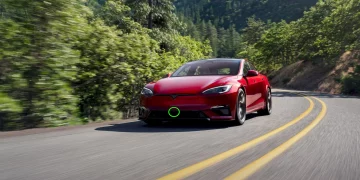
In addition to the Roadster, Tesla’s Model S Plaid has become a formidable player in the electric performance car space, offering supercar-like performance with 1,020 horsepower and a 0-60 mph time of under 2 seconds. With autonomous driving capabilities and cutting-edge tech, Tesla has become a key player in the electric supercar revolution.
2.2 Rimac: Pushing Boundaries with Hypercar Performance
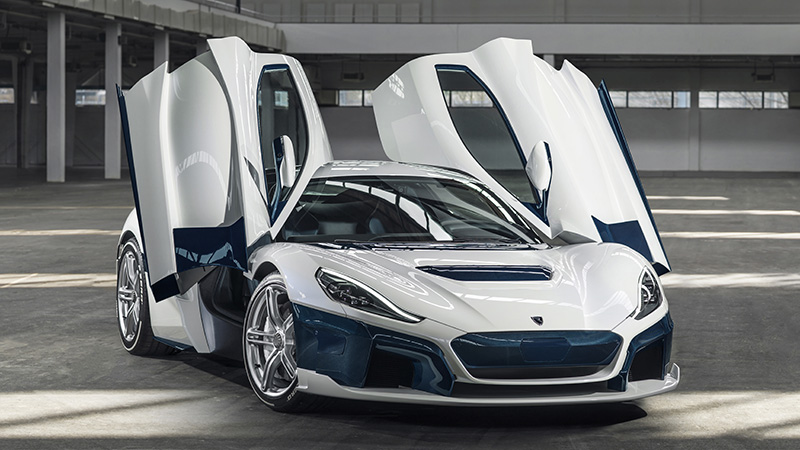
Rimac Automobili, a Croatian startup, is rapidly becoming one of the most exciting names in the world of electric performance. Their Rimac C_Two hypercar is an all-electric, 1,888-horsepower machine capable of achieving a top speed of 258 mph and accelerating from 0-60 mph in under 1.85 seconds.
What sets Rimac apart is its commitment to innovative technology and engineering excellence. With a focus on extreme performance and luxury design, Rimac is redefining what an electric hypercar can be. Their groundbreaking work with battery systems, electric motors, and vehicle integration has garnered global attention, positioning Rimac as a true leader in electric supercar technology.
2.3 Lucid Motors: The New Contender with Luxurious Performance
Lucid Motors, an American electric vehicle manufacturer, has emerged as another key player in the luxury and performance market with their flagship Lucid Air sedan. While the Lucid Air is more of a luxury electric sedan, the company is working on an electric hypercar named Lucid Gravity, which aims to provide high-performance specs that could rival traditional supercars.
The Lucid Air Dream Edition already delivers 1,111 horsepower and an impressive range of 503 miles, blending luxury with performance in a way that may soon push the boundaries of electric supercars.
2.4 Pininfarina: Italian Elegance Meets Electric Performance
Pininfarina, the renowned Italian design house, has entered the electric supercar arena with the Pininfarina Battista. This all-electric hypercar combines Italian craftsmanship, stunning design, and electric power to create a vehicle capable of 1,900 horsepower and a 0-60 mph time of 1.79 seconds. It’s a beautiful fusion of design excellence and high-performance engineering, making it a serious contender in the electric supercar market.
The Battista also represents the shift in traditional supercar design toward electric propulsion, highlighting how aesthetic beauty and eco-consciousness can coexist without compromise.
2.5 Lotus: The British Legend Goes Electric
The legendary British automaker Lotus has also entered the electric supercar market with the Lotus Evija, an all-electric hypercar that promises 2,000 horsepower and a top speed of over 200 mph. Known for their lightweight designs and precision engineering, Lotus has maintained their ethos of delivering high-performance vehicles while embracing the electric revolution.
The Evija is a radical departure from traditional Lotus models but stays true to the brand’s focus on driving dynamics and track-ready performance, while pushing the envelope of electric car technology.
3. The Challenge of Balancing Speed with Eco-Consciousness
As exciting as the rise of electric supercars is, one of the most significant challenges these vehicles face is the need to balance unmatched performance with eco-consciousness. While electric motors provide nearly instant torque and impressive acceleration, the production and disposal of the batteries required to power these vehicles raise important questions about the long-term environmental impact of electric supercars.
3.1 Battery Technology: The Key to Performance and Sustainability
A major obstacle in the quest for eco-friendly speed lies in battery technology. High-performance electric supercars demand large, high-capacity batteries, which can be heavy and costly to produce. Moreover, the production of these batteries requires the extraction of raw materials, such as lithium, cobalt, and nickel, which raises concerns about the environmental impact of mining practices.
However, manufacturers are investing heavily in next-generation battery technologies, including solid-state batteries and recycling programs, to make these vehicles more sustainable. Some automakers are already working on reducing the environmental impact of battery manufacturing, including sourcing materials more responsibly and increasing battery recycling rates.
3.2 Redefining Speed for the Future
Electric supercars offer a new way to think about speed. While traditional supercars are built around high-performance combustion engines, electric supercars leverage instantaneous torque delivery, creating acceleration unlike anything seen in the gas-powered world. These vehicles can achieve blistering speeds without the same fuel consumption or harmful emissions.
Despite the challenge of balancing speed with eco-consciousness, the future of electric supercars appears bright. As technology continues to evolve, these vehicles promise to combine cutting-edge performance with sustainable technology, offering a thrilling yet eco-friendly alternative to traditional supercars.
Conclusion
Electric supercars represent the exciting future of performance and sustainability in the automotive world. With brands like Tesla, Rimac, Lucid Motors, **Pinin
farina**, and Lotus leading the charge, these vehicles are reshaping what it means to combine speed, luxury, and eco-consciousness. While challenges remain, particularly in the areas of battery production and sustainability, the rise of electric supercars signals a new era where speed, technology, and sustainability coexist, changing the game for the automotive industry as a whole.