





















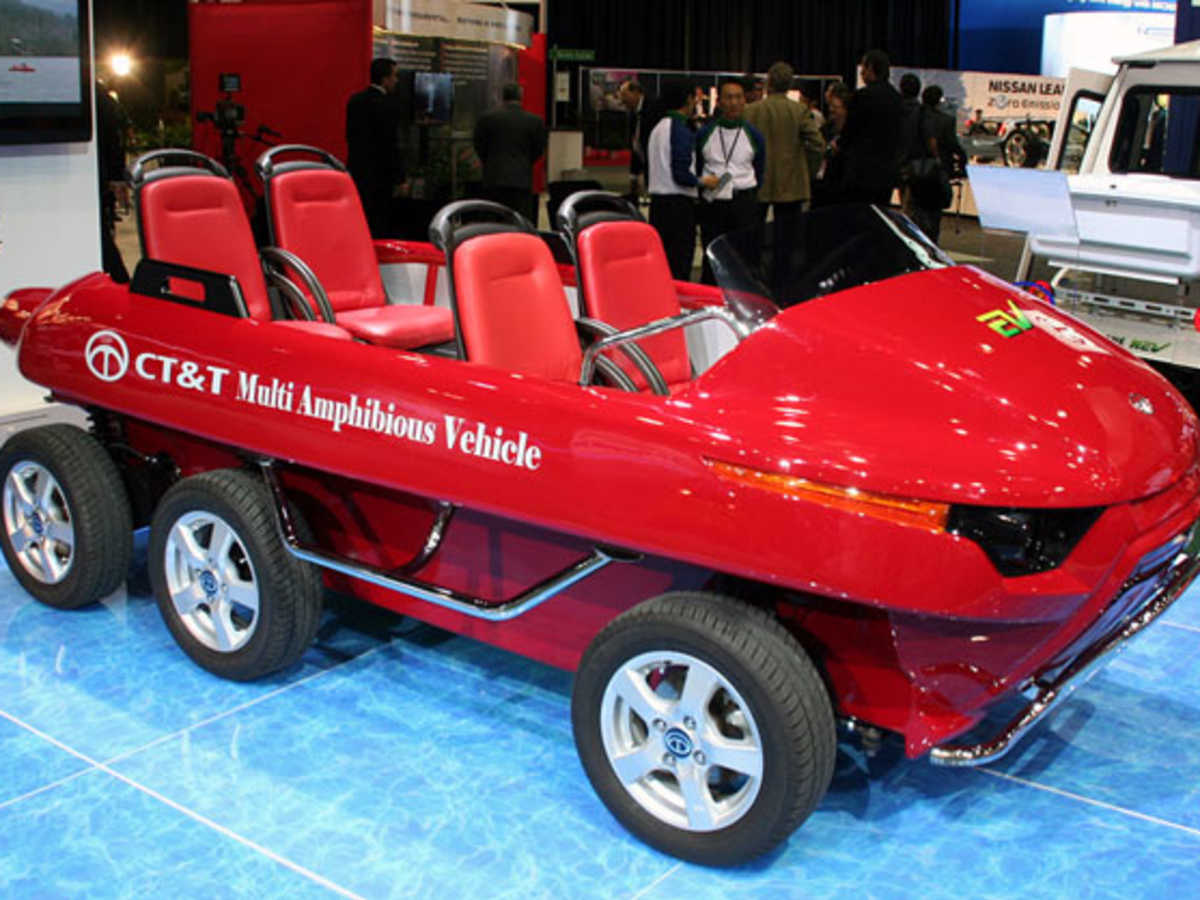
Adventure enthusiasts have always sought out vehicles capable of conquering the most challenging terrains. From mountain trails to vast deserts, the desire for a vehicle that can go anywhere—no matter the landscape—has driven the development of many off-road vehicles over the years. But what if the vehicle of the future could not only take on mountains, rocks, and sand but could also glide across rivers and seas? Enter the amphibious vehicle, a marvel of engineering that combines the ruggedness of an off-road vehicle with the versatility of a boat.
This article explores the potential of the amphibious vehicle to become the ultimate companion for adventure-seekers. We will examine the technology behind these vehicles, their practical applications for overlanders and explorers, and what the future holds for amphibious adventure vehicles. Could these innovative machines revolutionize the way we approach exploration? Let’s dive in and find out.
1. Amphibious Vehicles: A Brief History of Innovation
Amphibious vehicles are not a new concept. For decades, military and civilian applications have driven the development of vehicles that can transition seamlessly from land to water. Early designs date back to the mid-20th century, where amphibious vehicles were used in military operations, such as the famous DUKW trucks during World War II, which could transport troops and supplies from ships to shore.
In the civilian world, interest in amphibious vehicles grew during the 1960s and 1970s, with recreational amphibious cars like the Amphicar and Gibbs Aquada capturing the public’s imagination. However, these vehicles remained niche due to limitations in design, performance, and safety. In recent years, new advancements in engineering, materials science, and propulsion systems have reignited interest in amphibious vehicles, creating an opportunity for a new wave of adventure-ready machines that promise to take adventurers beyond traditional land-based vehicles.
2. The Appeal of Amphibious Vehicles for Adventure Seekers
Adventure travel is all about exploring the uncharted and the unexplored. For those who crave the thrill of off-roading but also dream of venturing into bodies of water, amphibious vehicles offer the ultimate solution. Imagine driving up a mountain trail, crossing a river, and then cruising across a lake—all in one trip. This kind of versatility opens up a world of possibilities for explorers, overlanders, and nature lovers.
- Crossing Bodies of Water: One of the most exciting features of amphibious vehicles is their ability to drive directly into the water. Gone are the days of searching for a boat or raft when encountering a river or lake. Amphibious vehicles allow travelers to seamlessly transition from land to water, providing the freedom to explore remote islands, cross rivers, or navigate coastal waters.
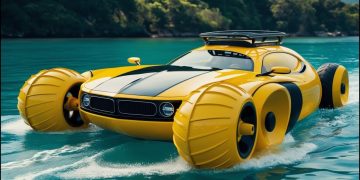
- All-Terrain Capability: Amphibious vehicles are designed to handle both land and water challenges. With rugged off-road wheels and durable construction, these vehicles can navigate rocky paths, sand dunes, muddy trails, and even steep inclines. Once reaching the water, the vehicle can transition into a boat, powered by either a traditional outboard motor or a water-jet propulsion system. This all-terrain versatility means that adventurers can push the limits of exploration, going further than ever before.
- Self-Sufficiency for Remote Adventures: Many amphibious vehicles are equipped with features that make them ideal for extended journeys into the wilderness. With onboard sleeping quarters, food storage, and other amenities, these vehicles can provide everything needed for a self-sufficient adventure. Whether you’re crossing rivers, lakes, or even seas, the amphibious vehicle can keep you going, giving you the freedom to explore areas previously thought inaccessible.
- Unique Experience: The feeling of effortlessly gliding across the water, with the land fading into the distance, is a uniquely thrilling experience. Whether it’s exploring pristine shorelines, discovering hidden islands, or simply enjoying the quiet solitude of a secluded lake, amphibious vehicles offer a one-of-a-kind adventure that no land-only vehicle can provide.
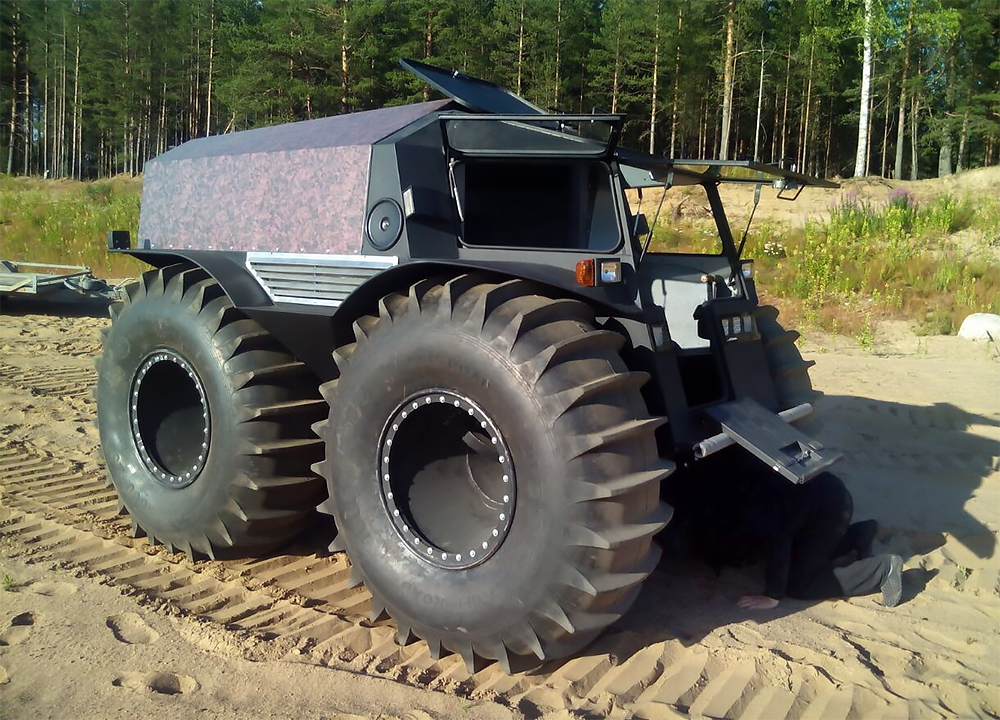
3. The Technology Behind Amphibious Vehicles
Modern amphibious vehicles are a product of cutting-edge technology. From their powerful propulsion systems to their water-tight seals, these machines are engineered to provide performance and safety on both land and water.
- Hybrid Propulsion Systems: One of the key components of an amphibious vehicle is its propulsion system, which must be capable of transitioning between land-based tires and water-based propulsion. Many amphibious vehicles use a hybrid system where wheels are driven on land, while water jets or outboard motors take over when the vehicle enters water. The transition between the two modes is often seamless, with the ability to switch modes at the push of a button or through a manual lever.
- Waterproofing and Sealing: Since amphibious vehicles need to operate in both land and water environments, waterproofing is critical. Manufacturers use high-quality seals and advanced engineering techniques to ensure that the vehicle remains dry and functional, even when fully submerged. Special coatings and materials are also employed to prevent corrosion and damage from exposure to water, especially in saltwater environments.
- Aerodynamics and Buoyancy: While amphibious vehicles need to be rugged and durable, they also need to be efficient on water. The design of these vehicles takes aerodynamics and buoyancy into account to ensure that they can glide through water smoothly. Streamlined shapes and hull-like bodies help reduce drag, while the materials used in construction ensure that the vehicle floats properly.
- Advanced Navigation Systems: When venturing into unfamiliar waters, navigation becomes crucial. Many amphibious vehicles are equipped with state-of-the-art GPS systems, sonar, and mapping tools to help drivers navigate both land and water routes safely. These systems are essential for ensuring that adventurers can explore new locations without the risk of getting lost or encountering hidden hazards.
4. Practical Uses for Amphibious Vehicles
Amphibious vehicles aren’t just fun recreational toys—they have practical applications that make them invaluable in certain scenarios. While many are used for adventure and leisure, these vehicles have the potential to be game-changers in a variety of industries.
- Search and Rescue Operations: Amphibious vehicles have already found their place in search and rescue operations, especially in flood-prone regions, coastal areas, and rugged terrains. Their ability to easily transition between land and water allows rescue teams to reach stranded individuals, transport supplies, and navigate disaster zones where traditional vehicles may struggle.
- Exploration and Scientific Research: Scientists and explorers working in remote or previously inaccessible locations can use amphibious vehicles to conduct research in environments that require both land and water access. Whether it’s studying remote islands, tracking wildlife, or exploring uncharted territories, these vehicles enable the gathering of critical data in otherwise difficult-to-reach areas.
- Military and Tactical Applications: Amphibious vehicles also have potential military applications, particularly in amphibious warfare, logistics, and reconnaissance. With the ability to traverse both land and water, these vehicles offer tactical advantages in both combat and peacekeeping missions.
- Tourism and Leisure: For leisure seekers, amphibious vehicles offer a way to experience nature from a unique perspective. Special tours using amphibious vehicles are becoming increasingly popular, particularly in coastal regions, where visitors can explore both the land and the water with ease.
5. The Future of Amphibious Vehicles: What’s Next?
The future of amphibious vehicles is incredibly exciting, with advancements in technology and design promising even greater capabilities. As the demand for unique and versatile vehicles continues to grow, manufacturers are constantly looking for ways to improve and innovate.
- Electric Amphibious Vehicles: As electric vehicles gain traction in the automotive industry, the same technology is expected to be adopted by amphibious vehicles. Electric amphibious vehicles would offer a quieter, more sustainable solution for adventurers and travelers, reducing emissions and noise pollution in pristine natural environments.
- Autonomous Amphibious Vehicles: Autonomous technology is already transforming the way we interact with vehicles, and amphibious vehicles are no exception. Future models could feature autonomous navigation systems, allowing drivers to relax and enjoy the journey without having to worry about navigating rugged terrain or waterways.
- Improved Performance and Efficiency: As manufacturers continue to refine the design of amphibious vehicles, we can expect significant improvements in performance, efficiency, and safety. More powerful propulsion systems, longer-range capabilities, and better integration of land-water driving modes will make these vehicles more versatile and capable than ever before.
- Integration with Smart Technology: In the future, amphibious vehicles may feature advanced smart technology that integrates with mobile devices and other connected systems. This could include real-time weather updates, water navigation systems, and environmental sensors that enhance the safety and enjoyment of the journey.
6. Conclusion: The Ultimate Adventure Companion?
Could the amphibious vehicle be the ultimate adventure companion? The answer is a resounding yes. With their ability to conquer both land and water, amphibious vehicles offer a level of versatility and excitement that traditional off-road vehicles simply cannot match. Whether for leisure, exploration, or practical use, these vehicles open up new possibilities for adventure, allowing us to push the boundaries of exploration and discover the world like never before. As technology continues to improve, the amphibious vehicle is poised to become a mainstay in the world of adventure travel, offering a new way to experience the great outdoors.