











Introduction
When it comes to specialized missions—whether in the fields of defense, rescue, emergency response, or utility operations—having the right equipment can make all the difference. Specialized vehicles, designed to operate under extreme conditions, perform complex tasks, and serve specific functions, are crucial to the success of these missions. In these critical environments, not all vehicles are created equal. This article explores why a particular specialized vehicle has become the go-to choice for a wide range of unique and demanding tasks. By examining its unique features, advanced technology, and the real-world performance it delivers, we’ll uncover what makes this vehicle stand out in the world of specialized missions.
I. Understanding the Need for Specialized Vehicles
To truly appreciate why a particular specialized vehicle excels in unique missions, it’s essential to first understand the variety of tasks these vehicles are designed for and the specific demands they must meet.
1.1 What Makes a Vehicle “Specialized”?
Specialized vehicles are designed with specific functionalities and capabilities tailored to a narrow range of applications. Unlike typical consumer vehicles, these vehicles are built to perform tasks in extreme environments, handle unique challenges, and support highly skilled personnel in various industries such as emergency response, military operations, or construction.
1.2 The Role of Specialized Vehicles in Different Sectors
Specialized vehicles can be found in numerous sectors, each with distinct requirements:
- Military and Defense: Vehicles designed for combat or tactical operations.
- Search and Rescue: Vehicles built to access hard-to-reach areas for rescue missions.
- Firefighting: Vehicles that can navigate through dangerous environments to extinguish fires.
- Construction and Heavy Industry: Vehicles that handle massive loads and perform difficult labor-intensive tasks.
- Utility and Infrastructure: Vehicles designed for maintaining essential services like power lines or communications networks.
1.3 Why Do These Vehicles Stand Out?
The ability of a specialized vehicle to operate in harsh, challenging conditions is what differentiates it from regular vehicles. These vehicles are designed to perform tasks that regular vehicles simply cannot. For instance, they may need to travel through rough terrains, navigate flooded areas, or withstand extreme temperatures.
II. Key Features that Make This Specialized Vehicle Exceptional
Several critical aspects set this specialized vehicle apart from others in its class. Let’s explore the primary attributes that make it a standout performer in its field.
2.1 Engine Power and Performance
Specialized vehicles are often required to carry heavy loads, tow massive equipment, or travel through difficult terrains. The engine performance of this vehicle is specifically engineered to handle these demanding tasks.
- High Torque Engines: This vehicle is equipped with a powerful engine that provides high torque, which is essential for handling rough, uneven surfaces or carrying heavy loads without compromising performance.
- Off-Road Capabilities: When mission locations are remote and paths are unpaved, the vehicle’s engine ensures that it can navigate rough and rugged terrains with ease.
2.2 Durability and Construction
Given the environments in which these vehicles operate, their construction must be designed to withstand significant wear and tear.
- Reinforced Chassis: The vehicle’s frame is constructed using high-strength materials that ensure durability in combat situations, rugged terrain, or hazardous environments.
- Heavy-Duty Suspension: To absorb shock from rough terrains or sudden movements, the vehicle is outfitted with a robust suspension system designed to ensure stability and passenger comfort.
- Corrosion-Resistant Materials: The vehicle is built using materials that resist corrosion, especially if it operates in extreme weather conditions, such as saltwater environments or areas prone to heavy rainfall and flooding.
2.3 Versatility in Operation
One of the key characteristics of a specialized vehicle is its ability to adapt to various missions or tasks. This vehicle excels in versatility.
- Modular Design: The vehicle can be adapted or modified to meet different operational needs. Whether it’s outfitted with specialized equipment for rescue operations or enhanced armor for military use, the modular design allows for easy reconfiguration based on the task at hand.
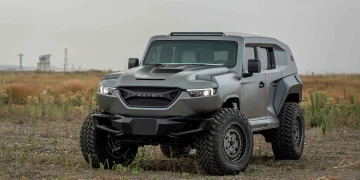
- Multi-Terrain Capability: The vehicle is equipped to traverse a wide variety of terrains, such as deserts, forests, mountains, and urban environments, thanks to its all-terrain tires, differential systems, and traction control.
2.4 Advanced Technology Integration
In modern operations, technology plays an essential role in mission success. This specialized vehicle is equipped with cutting-edge technologies that support both the vehicle’s performance and the operator’s safety.
- GPS and Mapping Systems: With integrated GPS and advanced mapping systems, operators can navigate unknown or hostile terrains with precision, ensuring they reach their destination safely and efficiently.
- Night Vision and Thermal Imaging: The vehicle’s advanced night vision and thermal imaging technology enable it to operate in low-visibility conditions, such as during nighttime or in environments with limited light.
- Communication Systems: Reliable communication systems ensure that the vehicle’s operators can stay connected with mission control, other team members, and support units during critical operations.
2.5 Safety and Protection
The safety of personnel operating the vehicle is paramount, especially in dangerous or hostile environments. The vehicle is designed with advanced safety features to provide maximum protection.
- Armoring and Bulletproofing: For military or conflict zone applications, the vehicle can be equipped with armor to protect against gunfire, shrapnel, and explosives.
- Impact-Absorbing Technology: To mitigate injury in the event of a collision or explosion, the vehicle features impact-absorbing materials and reinforced cabins that shield occupants from harm.
- Advanced Airbags and Seatbelts: The vehicle is equipped with high-grade airbags and seatbelt systems to ensure that passengers are securely protected during high-speed pursuits, rough terrain navigation, or accidents.
III. Specialized Vehicles in Specific Missions
The true test of any specialized vehicle lies in its real-world application. Let’s take a look at how this vehicle excels in various mission types and sectors.
3.1 Military and Defense Operations
In military operations, specialized vehicles need to be capable of operating in hostile environments, providing support for troops, and carrying out complex tactical maneuvers.
- Combat Vehicles: Whether used for troop transport, reconnaissance, or frontline combat, this vehicle excels in military operations by providing protection, maneuverability, and the ability to transport large equipment or weapons.
- Logistical Support: With its cargo space and modular design, the vehicle is invaluable in transporting supplies, ammunition, and personnel, ensuring logistical operations run smoothly.
3.2 Search and Rescue Operations
For search and rescue (SAR) missions, the ability to navigate difficult terrains and carry equipment is essential. This vehicle plays a critical role in disaster relief and emergency response situations.
- Accessing Remote Locations: The vehicle’s off-road capabilities allow it to reach areas that other vehicles cannot, such as areas affected by natural disasters, where roads may be impassable.
- Rescue and Evacuation: Equipped with life-saving tools such as stretchers, medical supplies, and communication devices, this vehicle provides essential support in SAR efforts, ensuring that injured or stranded individuals can be safely evacuated.
3.3 Firefighting and Hazardous Environment Response
Firefighters and hazardous materials teams require vehicles that can withstand extreme heat and navigate through dangerous environments.
- Firefighting Vehicles: This vehicle can be outfitted with firefighting equipment, including water tanks, hoses, and specialized nozzles, to fight fires in areas that are difficult to access.
- Hazardous Material Response: For hazardous materials teams, the vehicle is equipped with spill containment systems, specialized equipment for handling chemical spills, and reinforced body protection to safely address contamination in dangerous environments.
3.4 Utility and Infrastructure Maintenance
Utility vehicles are vital for maintaining essential services like electricity, water, and communications, especially in remote areas or after natural disasters.
- Power Line Maintenance: This vehicle is equipped with specialized tools for maintaining power lines and communication infrastructure, such as aerial lifts, cranes, and cargo spaces for tools and materials.
- Remote Area Access: When road access is compromised, the vehicle’s ability to reach remote areas ensures that utilities can be repaired or maintained without delays.
IV. Conclusion: Why This Vehicle Stands Out in Unique Missions
In the world of specialized vehicles, this model stands out due to its unmatched combination of power, versatility, safety, and advanced technology. It excels in a variety of mission types, from military operations to rescue and utility work, providing operators with the tools they need to succeed in even the most challenging environments.
Its ability to handle extreme conditions, navigate tough terrains, and adapt to the specific needs of different missions makes it the vehicle of choice for professionals in a range of industries. Whether it’s ensuring the safety of personnel in combat, delivering life-saving supplies in disaster-stricken areas, or providing essential infrastructure support, this vehicle proves that it can meet the demands of specialized tasks time and time again.
In the world of high-stakes missions, having the right vehicle is critical to mission success. This specialized vehicle has earned its reputation as a leader in the field, offering the reliability, performance, and safety required to excel in unique and demanding missions.