


















The automotive industry is undergoing a significant transformation as electric vehicles (EVs) become more mainstream. Among these, sedans, traditionally powered by internal combustion engines (ICE), are embracing electrification at an accelerating pace. The shift to electric sedans is not just a matter of changing powertrains but represents a fundamental change in how sedans are designed, marketed, and perceived. In this article, we will explore whether the electrification trend in sedans is poised to change the market landscape and what this means for consumers, automakers, and the environment.
1. The Rise of Electric Sedans
Electric vehicles, including sedans, are rapidly gaining popularity, driven by several factors such as environmental concerns, technological advancements, and changing consumer preferences. Electric sedans, in particular, offer many of the benefits that appeal to eco-conscious consumers and those looking for a smooth, quiet driving experience.
Why are sedans turning to electric power?
- Environmental Impact: With the growing concern about climate change and carbon emissions, electric sedans offer a cleaner alternative to traditional gasoline-powered sedans. EVs produce zero tailpipe emissions, which makes them a more sustainable option for reducing air pollution, especially in urban areas.
- Government Incentives: Many governments are offering tax incentives, rebates, and subsidies for consumers purchasing electric vehicles. These incentives make EVs more affordable and further accelerate their adoption in the market.
- Consumer Preferences: As technology improves, consumers are increasingly attracted to the benefits of electric sedans, such as lower fuel costs, reduced maintenance needs, and a quieter, smoother driving experience.
2. Impact on Traditional Sedans and Automakers
As the market for electric sedans grows, traditional sedans powered by internal combustion engines are facing increasing pressure. Automakers are having to reconsider their strategies, designs, and production processes to adapt to the changing landscape.
Changing Strategies for Automakers:
- Shift in Investment: Many traditional automakers are redirecting their investments to electric vehicle development. Companies like Tesla, BMW, Mercedes-Benz, and Audi have already made significant strides in producing electric sedans, while others, such as Toyota and Ford, are ramping up their electric vehicle offerings.
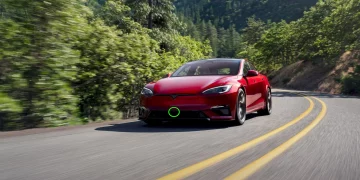
- New Entrants to the Market: The rise of electric sedans has also led to the emergence of new players in the market. Tesla, a key player in the electric vehicle market, has already revolutionized the sedan segment with its Model 3 and Model S, offering a combination of cutting-edge technology, long-range capability, and attractive performance.
- Rethinking Production: Automakers need to redesign manufacturing processes to accommodate electric drivetrains and batteries, which are different from traditional gasoline engines. This shift in production techniques requires significant investment in new infrastructure, research, and development.
3. The Consumer Perspective: What Does This Mean for Buyers?
The electrification trend is reshaping the consumer landscape, offering buyers more options, benefits, and considerations when choosing a sedan.
Benefits for Consumers:
- Lower Operating Costs: Electric sedans tend to have lower operating costs compared to traditional sedans. The price of electricity is generally cheaper than gasoline, and EVs have fewer moving parts, leading to less wear and tear and lower maintenance costs.
- Better Driving Experience: Electric sedans offer a smoother, quieter ride compared to their gas-powered counterparts. EVs deliver instant torque, providing faster acceleration and a more responsive driving experience.
- Environmental Appeal: With rising awareness of climate change and the need for sustainability, many consumers are opting for electric sedans to reduce their carbon footprint and contribute to a cleaner environment.
Challenges for Consumers:
- Range Anxiety: One of the main concerns for potential electric sedan buyers is range anxiety, or the fear of running out of battery power during a trip. Although electric vehicle range has significantly improved, with some sedans offering over 300 miles on a single charge, it still lags behind the range of gas-powered vehicles.
- Charging Infrastructure: The availability of charging stations is still limited in some regions, which can make it more difficult for consumers to rely solely on electric sedans. While this infrastructure is expanding rapidly, it is a key factor in the mass adoption of EVs.
- Higher Initial Costs: Although electric sedans tend to have lower operating costs, the upfront price of EVs is often higher than traditional sedans, mainly due to the cost of the battery. However, this price gap is expected to decrease as battery technology improves and economies of scale are realized.
4. Shifting Market Dynamics
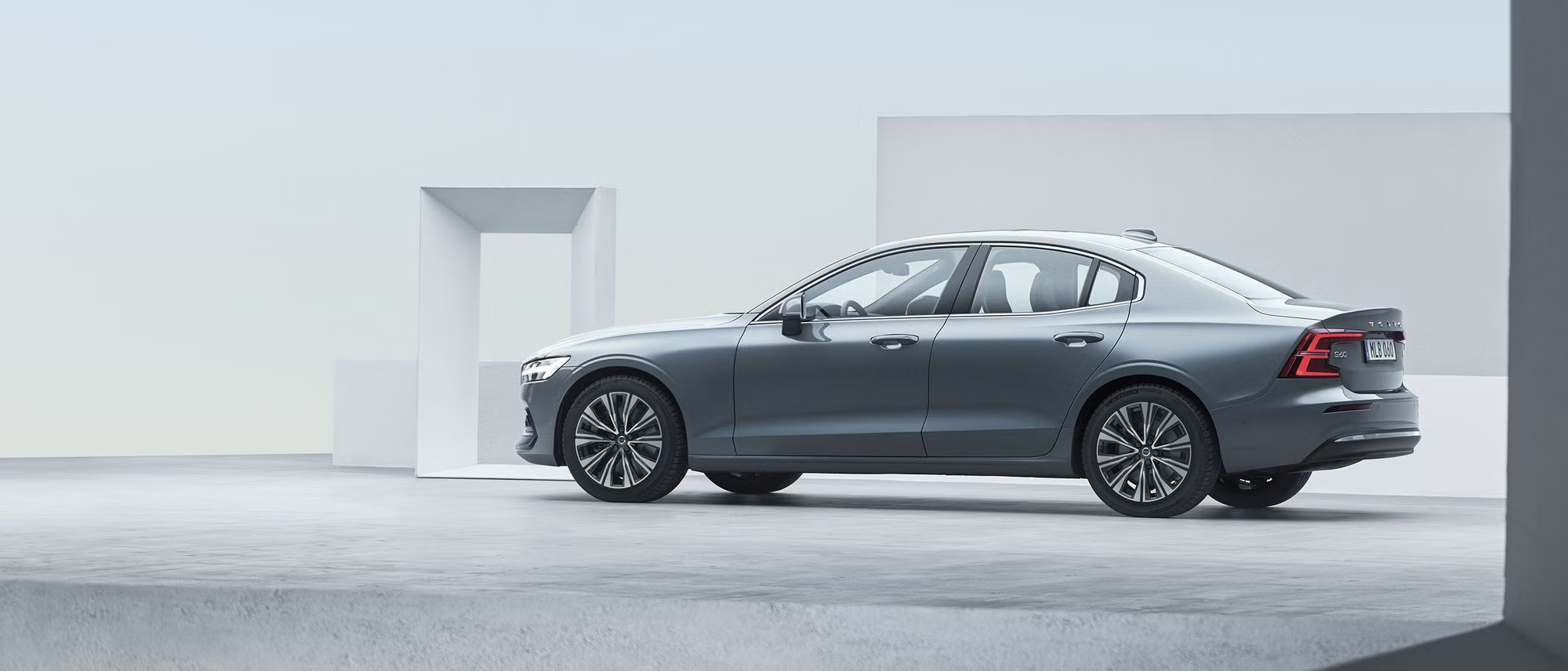
The electrification of sedans will inevitably have a profound impact on the market landscape. As more electric sedans become available, the automotive industry is witnessing the beginning of a major shift.
Impact on the Traditional Auto Market:
- Decline of Internal Combustion Engine Sedans: As electric sedans gain traction, traditional gasoline-powered sedans are likely to lose market share. The growing preference for electric vehicles, along with stricter emissions regulations, may lead to the gradual phase-out of conventional sedans in favor of greener alternatives.
- Brand Competition and Differentiation: The increasing availability of electric sedans will intensify competition among automakers. To stand out, car brands will need to differentiate their electric models through design, performance, battery range, and technology. This competition could lead to innovative features and more attractive pricing for consumers.
- Global Shifts in Market Demand: The electrification trend will likely lead to changes in global market demand. In regions where environmental concerns and government incentives are high (such as Europe and parts of Asia), electric sedans may see faster adoption rates. In contrast, markets that are more reliant on gasoline-powered cars may take longer to transition to EVs.
Impact on the Automotive Supply Chain:
- Battery Supply and Demand: As electric sedans become more popular, the demand for high-capacity batteries will increase significantly. This creates opportunities for battery manufacturers, but also raises concerns about supply shortages and the environmental impact of battery production.
- Component and Technology Shifts: Traditional automakers are now relying on new technologies, such as electric drivetrains, advanced infotainment systems, and autonomous driving capabilities, to make their electric sedans more appealing. This shift is leading to changes in the supply chain, with more focus on electronics and software development.
5. The Future of Electric Sedans and Market Transformation
Looking ahead, the electrification of sedans will continue to shape the automotive landscape in profound ways. While challenges such as range anxiety, charging infrastructure, and battery costs remain, the future appears promising.
Technological Advancements:
- Battery Technology: Improvements in battery technology will lead to longer ranges, faster charging times, and reduced costs, making electric sedans more accessible to a broader range of consumers.
- Autonomous Driving Features: Many electric sedans are expected to integrate autonomous driving capabilities, offering new levels of convenience and safety for drivers. As self-driving technology improves, electric sedans could become not just a more sustainable option but also a smarter one.
Sustainability and Regulations:
- As governments around the world tighten emissions regulations and introduce stricter environmental standards, electric sedans will play a key role in helping automakers meet these goals. In some countries, internal combustion engine vehicles may even face restrictions or bans, making EVs the dominant form of transportation.
Conclusion
The electrification of sedans is undeniably changing the automotive market, with electric vehicles offering significant advantages in terms of environmental impact, operating costs, and driving experience. However, this shift also comes with challenges, including higher upfront costs, range anxiety, and the need for expanded charging infrastructure. As technology improves, these challenges are likely to diminish, and the market landscape will continue to evolve. Automakers who embrace this trend will shape the future of the sedan market, providing consumers with a wider variety of options while contributing to a cleaner, more sustainable future for transportation.