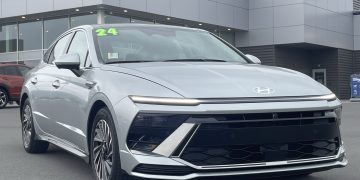






























Luxury sedans are often seen as the epitome of comfort, performance, and style, offering an exceptional driving experience that sets them apart from regular cars. However, this premium experience comes with a cost, particularly when it comes to maintenance and repair expenses. Many car buyers are surprised to learn that maintaining a luxury sedan can be significantly more expensive than a standard vehicle. But what exactly makes the maintenance costs for luxury sedans so high? In this article, we will explore the factors that contribute to the high maintenance costs of luxury sedans, from specialized parts and labor to the complex technology they incorporate.
1. High-Quality, Specialized Parts
One of the main reasons maintenance for luxury sedans is so costly is the use of high-quality, specialized parts. Luxury cars are designed with performance, aesthetics, and cutting-edge technology in mind. This often means that the components used in these vehicles are more expensive than those in regular sedans.
Premium Materials and Components:
- Engine Components: Luxury sedans typically come with high-performance engines made of materials like forged aluminum, magnesium, or even titanium. These high-performance engines are designed for better efficiency and power, but they require specialized parts, which can be more expensive to replace or repair.
- Suspension and Brakes: Many luxury sedans are equipped with advanced suspension systems such as air suspension or active suspension management systems. These systems enhance ride quality and handling, but if they break or require maintenance, parts and repairs can be costly.
- Transmission Systems: Luxury sedans often feature sophisticated automatic transmissions or dual-clutch systems that provide smooth and quick gear changes. Repairing or replacing these systems can be very expensive compared to a conventional transmission.
Advanced Technology:
- Infotainment Systems: Luxury sedans come with high-end infotainment systems that integrate advanced features like touchscreens, navigation, premium sound systems, and even advanced driver-assist technologies. When something goes wrong with these systems, repairs or replacements can be expensive.
- Luxury Features: Features such as heated and ventilated seats, multi-zone climate control, massaging seats, and high-end upholstery require more specialized components. These additional luxuries can increase repair costs significantly if any of them break down.
2. Specialized Labor and Expertise
Luxury sedans often require specialized knowledge and expertise to maintain and repair, which contributes significantly to their higher maintenance costs. Mechanics who work on luxury vehicles must be trained in the specific systems, technologies, and materials that distinguish these cars from their more basic counterparts.
Skilled Technicians:
- Brand-Specific Training: Technicians who service luxury vehicles typically undergo manufacturer-specific training to understand the unique components and features of the brand. This specialized training is required to work on the vehicle’s complex systems, which may not be as widely understood by generic auto mechanics. As a result, labor costs at authorized service centers are higher than at regular repair shops.
- Complex Repairs: Luxury sedans often feature intricate, cutting-edge systems that require expert diagnostics and repair. Whether it’s a high-performance engine, advanced suspension system, or an elaborate infotainment setup, these components often require more time and effort to repair, which adds to the overall cost.
3. Expensive Diagnostic Tools and Equipment
Luxury cars incorporate highly advanced technologies and electronic systems that require specialized diagnostic tools and equipment to identify and fix problems. These tools can be very expensive, and only authorized dealers or specialty shops will have the necessary equipment to perform the proper diagnostics.
Advanced Diagnostic Equipment:
- Proprietary Software: Many luxury sedans require proprietary software and diagnostic tools that are only available to authorized service centers or high-end repair shops. These tools can be costly for mechanics to obtain and maintain, and the cost of using them is typically passed on to the consumer.
- Computerized Systems: Modern luxury sedans are equipped with a range of computerized systems that control everything from engine performance to safety features and infotainment. The complexity of these systems means that diagnosing issues often requires specialized software that may not be available to independent repair shops.

4. Limited Availability of Parts
Because luxury sedans often use specialized components, replacement parts may not be as readily available as those for mass-market cars. These parts often need to be sourced directly from the manufacturer or specialized suppliers, which can increase their cost and the overall maintenance price.
Limited Distribution:
- Brand-Specific Parts: Many luxury brands, like BMW, Mercedes-Benz, Audi, or Lexus, use parts that are unique to their models, and they may not be available at every auto parts store. If you need a replacement part, it may need to be ordered directly from the manufacturer or an authorized distributor, which can result in longer wait times and additional costs.
- Imported Parts: Many luxury sedans use parts imported from overseas, and any international shipping, tariffs, or delays can drive up the cost of parts replacement.
5. Premium Maintenance Schedules
Luxury sedans typically have more stringent maintenance schedules due to their advanced engineering and high-performance standards. These vehicles often require more frequent servicing and more in-depth inspections to keep them running smoothly.
Advanced Maintenance Needs:
- More Frequent Oil Changes: While many standard sedans might require an oil change every 5,000 to 7,500 miles, luxury sedans with high-performance engines may require more frequent oil changes or the use of specialized synthetic oils, which are more expensive.
- Fluid Replacements: Luxury sedans often require premium fluids, such as special transmission fluid, coolant, and brake fluid, all of which can be more costly than standard fluids.
- Tire Maintenance: Due to their larger and higher-performance tires, luxury sedans may require more expensive tires that need to be replaced more frequently. Additionally, some models may require specialized tire rotations or balancing services.
6. Warranty and Service Packages
Many luxury car manufacturers offer extended warranties or service packages that can help offset some of the maintenance costs, but these packages often come with a hefty upfront price tag.
Warranty Considerations:
- Extended Warranties: While extended warranties can help reduce out-of-pocket expenses for repairs after the standard warranty expires, they often come with a high premium. Additionally, luxury vehicle warranties may cover only certain types of repairs and often have higher deductibles.
- Service Packages: Some luxury brands offer prepaid service packages that cover routine maintenance, such as oil changes, brake pads, and tire rotations. While these packages can reduce the cost of regular service, they often cost several thousand dollars upfront.
7. Depreciation and Resale Value
Luxury sedans generally experience faster depreciation than non-luxury vehicles, which means their resale value drops significantly over time. As a result, owners of luxury sedans may find that maintenance costs increase as the car ages because parts wear out faster, and repair costs become more frequent.
Depreciation Impact:
- Value Retention: While luxury cars tend to depreciate quickly, their high-maintenance costs don’t decrease as quickly. As the vehicle ages, even more specialized and expensive parts may need replacement, driving up the overall cost of ownership.
- Resale Value Considerations: A high-maintenance car may also struggle to retain its resale value, especially if it requires expensive repairs. Buyers of used luxury sedans may be wary of the high costs associated with maintaining the vehicle, further pushing down the resale price.
Conclusion
In summary, the high maintenance costs of luxury sedans can be attributed to a variety of factors, including the use of premium materials, specialized parts, and cutting-edge technology. Additionally, luxury sedans require skilled labor for repairs, specialized diagnostic tools, and parts that may not be widely available. While these vehicles offer exceptional comfort, performance, and aesthetics, these same qualities contribute to the higher costs associated with their upkeep. For potential buyers, it’s important to consider the long-term costs of ownership, including maintenance and repair expenses, before investing in a luxury sedan.