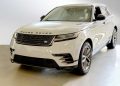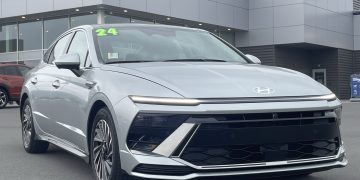

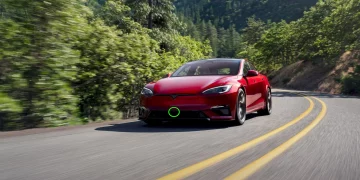


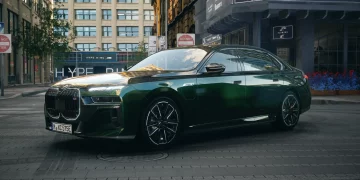

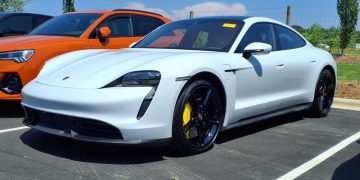


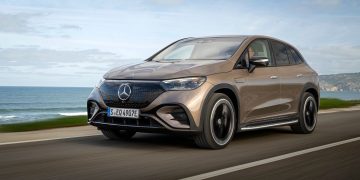
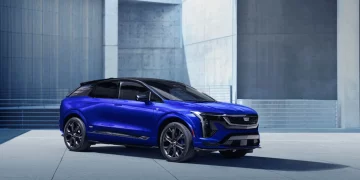






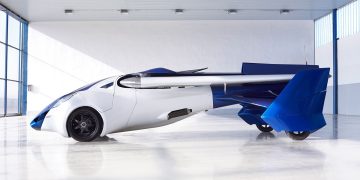

The automotive industry is on the verge of a revolution driven by smart technology, and sedans, once considered the traditional family vehicle, are evolving rapidly to accommodate this transformation. As technology continues to advance, future sedan designs will likely integrate a vast range of innovations that promise to enhance the driving experience, improve safety, and offer greater convenience. In this article, we’ll explore how smart technologies are shaping the future of sedan design and what features we can expect to see in the cars of tomorrow.
1. Autonomous Driving Capabilities
One of the most anticipated changes in future sedans is the widespread integration of autonomous driving technology. Fully autonomous or self-driving vehicles are no longer just a concept; they are becoming a reality. For sedans, this means the design and driving experience will be completely redefined.
Key Features:
- Level 4 and 5 Automation: In the coming years, we can expect sedans to incorporate Level 4 and 5 automation, meaning vehicles that can drive themselves without human intervention in most conditions (Level 4) or in all conditions (Level 5). These cars will have advanced sensors, cameras, and AI-powered systems that allow them to navigate streets, avoid obstacles, and follow traffic laws without the need for a driver.
- Interior Design Shift: As driving becomes less of a focus, the interior of sedans will likely change dramatically. Expect to see more flexible seating arrangements, interactive displays, and even features that allow passengers to work, relax, or engage with entertainment during their commute. The traditional driver’s seat might be replaced with a more lounge-like experience.
2. Advanced Driver Assistance Systems (ADAS)
Even if we are still a few years away from fully autonomous vehicles, the integration of advanced driver assistance systems (ADAS) in sedans is already shaping the way we drive today. These systems rely on a combination of sensors, cameras, and machine learning algorithms to assist drivers with various tasks, making driving safer and more convenient.
Key Features:
- Adaptive Cruise Control and Lane-Keeping Assist: Future sedans will feature highly advanced adaptive cruise control systems that can monitor traffic conditions and adjust the car’s speed automatically. Coupled with lane-keeping assist, these systems can help the vehicle maintain its lane on the highway and stay a safe distance from other vehicles.
- Automatic Emergency Braking and Collision Avoidance: Enhanced emergency braking systems will be more sophisticated, helping sedans detect potential collisions in real-time and automatically applying the brakes to prevent accidents. Additionally, AI-driven collision avoidance systems will become more effective at steering the car away from danger in critical situations.
- Night Vision and Pedestrian Detection: Future sedans will have advanced night vision systems that provide clear images of the road ahead, even in low-light conditions, and pedestrian detection systems that can identify people in the vehicle’s path, further enhancing safety.
3. Seamless Connectivity and Smart Features
As the Internet of Things (IoT) continues to expand, sedans will become fully integrated into the digital ecosystem. These vehicles will not only connect to your smartphone and other devices but also have the ability to communicate with other vehicles, infrastructure, and even smart homes.
Key Features:
- 5G Connectivity: With 5G networks rolling out globally, future sedans will have access to ultra-fast data transmission. This means faster and more reliable connections for real-time traffic updates, advanced navigation, and the ability to download software updates on the fly. Drivers and passengers will also be able to access high-speed internet, ensuring that everyone is connected while on the road.
- Over-the-Air Updates: Instead of requiring visits to a dealership or service center, future sedans will receive over-the-air software updates, much like smartphones. These updates can improve car performance, fix bugs, and even introduce new features, ensuring that the car stays up to date with the latest technology throughout its life.
- Smart Home Integration: Future sedans will be able to seamlessly connect with smart home devices. For example, drivers could preheat or cool their homes from the car or automatically unlock the front door as they approach. This integration will make the car feel like an extension of the home, offering unmatched convenience.
4. Enhanced Infotainment and Virtual Assistance
Infotainment systems in modern sedans are already far more advanced than just a few years ago, and this trend will only accelerate with the incorporation of more AI-driven features, voice recognition, and immersive experiences.
Key Features:
- AI-Powered Virtual Assistants: In the future, sedans will feature AI-powered voice assistants that can understand natural language commands. These assistants will be able to perform a wide range of tasks, such as adjusting climate control, managing navigation, making phone calls, and even offering personalized recommendations for entertainment based on the driver’s preferences.
- Augmented Reality Displays: Future sedans may feature augmented reality (AR) displays on the windshield or dashboard, providing real-time navigation, hazard alerts, and points of interest directly within the driver’s line of sight. AR could also be used to enhance entertainment options, displaying movies, games, or interactive content on in-car screens.
- Personalized User Experience: AI systems will learn a driver’s habits and preferences over time, adapting to their driving style, preferred settings, and entertainment choices. For example, the vehicle could adjust the seat, steering wheel, and temperature based on the driver’s past preferences, creating a more personalized driving experience.
5. Sustainable and Efficient Powertrains
As concerns over climate change and environmental sustainability grow, future sedans will feature powertrains that are much more eco-friendly. Electric and hybrid technologies are already making waves, and the trend toward electrification will continue in the coming years.
Key Features:
- Fully Electric Sedans: Many of the future sedans will be fully electric, with long-range batteries that make them viable alternatives to traditional gasoline-powered vehicles. These electric sedans will be able to cover long distances on a single charge while maintaining high levels of performance and luxury.
- Fast Charging and Battery Technology: Advancements in battery technology will allow future electric sedans to charge faster and travel longer distances. Ultra-fast charging stations will make it possible to recharge a battery in minutes rather than hours, making electric sedans as convenient as their gas-powered counterparts.
- Hydrogen Fuel Cell Sedans: While electric vehicles are currently the most popular choice, hydrogen fuel cell vehicles are also being explored as a potential future option for sedans. These vehicles offer the advantage of fast refueling times and longer driving ranges, addressing some of the limitations of current electric vehicle technology.
6. Advanced Materials for Performance and Safety
To support the integration of smart technology, future sedans will be built using advanced materials that enhance both performance and safety. These materials will make vehicles lighter, stronger, and more energy-efficient.
Key Features:
- Lightweight Materials: Future sedans will use advanced materials like carbon fiber, aluminum, and high-strength steel to reduce weight while maintaining structural integrity. This will not only improve fuel efficiency but also enhance acceleration and handling performance.
- Crash Protection: In addition to the active safety systems mentioned earlier, future sedans will be equipped with advanced passive safety features, such as crumple zones and energy-absorbing materials, which will help protect passengers in the event of a collision.
7. Autonomous Parking and Remote Operation
Future sedans will also feature the ability to park autonomously and perform remote driving tasks, making parking and vehicle management more convenient.
Key Features:
- Autonomous Parking: Self-parking systems will become increasingly advanced, allowing the sedan to park itself in tight spaces without any input from the driver. The car will use sensors and cameras to identify parking spots and maneuver itself in and out of parking spaces with precision.
- Remote Control: Remote operation features will allow drivers to control the car’s movement using a smartphone or key fob. This could be useful in situations like moving the car out of a tight parking space or pulling it into the garage.
Conclusion
The future of sedan design is undoubtedly intertwined with smart technology. As autonomous driving, advanced connectivity, sustainable powertrains, and AI-driven features become more commonplace, sedans will evolve to offer not only enhanced performance and comfort but also a deeper integration into our digital lives. With these innovations, future sedans will redefine the way we think about driving, offering an experience that is safer, more connected, and increasingly autonomous. The evolution of the sedan is just beginning, and the cars of tomorrow promise to be far more than just vehicles—they’ll be intelligent, self-learning, and eco-friendly companions that seamlessly fit into our daily lives.