


















Supercars, the epitome of speed, engineering excellence, and high-performance driving, are designed to push the limits of what’s possible on the road. With eye-watering acceleration and top speeds that far exceed the capabilities of most vehicles, they often serve as the pinnacle of automotive performance. However, with their extreme speeds comes the question: can these extraordinary machines maintain the level of safety required for real-world driving?
The relationship between speed and safety in supercars is complex. While the two concepts might seem like opposites, modern automotive engineering has made impressive strides in ensuring that supercars can offer not only world-beating performance but also a high level of protection for their drivers. In this article, we will explore how supercars achieve a balance between extreme speed and cutting-edge safety features, and whether these two seemingly contradictory elements can truly coexist.
1. Engineering for Extreme Speed
Supercars are specifically engineered to achieve mind-boggling top speeds, often surpassing 200 mph (320 km/h), and accelerations that rival or even exceed those of a fighter jet. To achieve such performance, every aspect of a supercar is optimized—from the engine to the aerodynamics.
Powerful Engines:
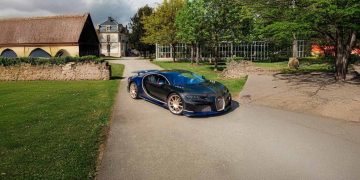
- At the core of a supercar’s performance lies its engine. High-performance engines, often turbocharged or hybrid, deliver immense horsepower and torque, allowing supercars to reach extreme speeds. For instance, the Bugatti Chiron boasts an 8.0-liter quad-turbocharged W16 engine that produces over 1,500 horsepower, enabling it to hit top speeds close to 300 mph (480 km/h). However, achieving such performance requires not only powerful engines but also the ability to manage the immense forces generated by these engines.
Aerodynamics and Lightweight Construction:
- Supercars are often made with lightweight materials, such as carbon fiber and aluminum, to reduce weight and improve speed. These materials also provide enhanced structural integrity, which is essential for managing the forces that come with driving at high speeds. In addition, active aerodynamics systems—such as adjustable rear wings and spoilers—help manage airflow and increase downforce, stabilizing the vehicle at high speeds and improving handling.
2. The Challenge of Safety at Extreme Speeds
While speed is the primary characteristic of supercars, ensuring safety at such high velocities requires a different approach to design. As the speed increases, so do the risks. Supercars are often driven at higher speeds than most vehicles, which makes the stakes higher in case of an accident. However, manufacturers have made significant strides in balancing safety with performance by employing cutting-edge safety technologies.
Crash Safety:
- Supercars, despite their focus on performance, are not exempt from crash safety standards. Manufacturers ensure that their cars meet or exceed the required safety regulations, which include both active and passive safety features. The chassis and frame of supercars are designed to absorb and dissipate impact forces, protecting the driver in the event of a collision. This is achieved using advanced materials, such as carbon fiber monocoque structures, which provide an incredibly strong and lightweight frame capable of withstanding high-speed impacts.
Advanced Airbag Systems:
- Supercars are equipped with sophisticated airbag systems designed to protect the driver and passengers during a crash. These systems include front, side, knee, and curtain airbags, which deploy rapidly to cushion the occupants in the event of a crash. The design of these airbags is tailored to the high-speed nature of supercars, ensuring that they deploy in a manner that maximizes protection at extreme speeds.
3. Active Safety Features for Supercar Stability
Safety in supercars isn’t just about protecting the driver during a crash; it also involves preventing accidents in the first place. As supercars are designed to achieve extremely high speeds, manufacturers have integrated a wide range of active safety features to help drivers maintain control and stability, even when pushing the car to its limits.
Traction Control and Stability Management:
- Supercars are often equipped with advanced traction control and stability management systems that help manage the distribution of power to the wheels in real-time. These systems use sensors to monitor wheel slip, yaw, and steering inputs, adjusting engine power or braking force as necessary to prevent loss of control. For example, Ferrari’s F1-Trac system, developed from the technology used in Formula 1 racing, manages power delivery to each wheel for optimal grip, stability, and performance on the track and road.
Electronic Braking Systems:
- Supercars are equipped with advanced braking systems that can handle the immense speeds and forces generated by their high-performance engines. Carbon-ceramic brake discs are commonly used to offer superior stopping power, heat resistance, and reduced weight. Additionally, electronic brake-force distribution and anti-lock braking systems (ABS) work together to ensure that the car remains stable and controllable when braking at high speeds.
Active Suspension Systems:
- Active suspension systems, such as Lamborghini’s Lamborghini Dynamic Steering (LDS) or Porsche’s active suspension management system (PASM), help supercars maintain exceptional stability and cornering performance. These systems adjust the suspension’s firmness in real-time based on road conditions, vehicle speed, and driver input, ensuring that the car remains planted and responsive at high speeds, thus preventing rollovers or loss of control in corners.
4. Driver Assistance Systems: Aiding Control at High Speeds
Though supercars are generally designed for experienced drivers, many are also equipped with driver assistance systems to make high-speed driving safer and more manageable. These systems provide extra layers of safety, even in the hands of an expert.
Lane-Keeping Assist and Blind Spot Monitoring:
- Features like lane-keeping assist and blind spot monitoring, which are common in many modern vehicles, are also becoming more prevalent in supercars. These systems use cameras and sensors to detect when the vehicle is unintentionally drifting out of its lane or when there is a vehicle in the blind spot, alerting the driver to potential hazards. While not a substitute for full driver attention, these features help prevent accidents, especially on highways or during high-speed cruising.
Adaptive Cruise Control:
- Adaptive cruise control (ACC) is another safety feature that allows the vehicle to automatically adjust its speed based on the distance to the vehicle in front. This is particularly useful for long drives at high speeds, where maintaining a constant safe distance can be challenging. ACC uses radar and cameras to monitor the surrounding traffic, ensuring that the car maintains a safe speed and distance without the driver needing to constantly adjust the throttle.
Night Vision and Collision Warning:
- Some supercars come with night vision systems and collision warning systems. These advanced technologies use infrared sensors to detect pedestrians, animals, or other obstacles in low-light conditions, displaying them on the car’s infotainment screen. Additionally, some systems include automatic emergency braking that can stop the car if a collision is imminent, preventing accidents even at high speeds.
5. Aerodynamics and Active Stability Systems
To ensure stability at extremely high speeds, supercar manufacturers employ a variety of advanced aerodynamics and active stability technologies that provide increased downforce, better control, and reduced drag.
Active Aerodynamics:
- Many supercars feature active aerodynamic components, such as adjustable rear spoilers, front flaps, and diffusers that automatically adjust based on the car’s speed and driving conditions. These systems maximize downforce at high speeds, keeping the car firmly planted on the road and reducing the risk of losing control. For example, the McLaren P1’s rear spoiler adjusts its angle to provide the optimal level of downforce when the car is pushed to high speeds on the track.
Torque Vectoring:
- Supercars also use torque vectoring technology to enhance stability and control. This system distributes engine power to individual wheels, helping to correct oversteer or understeer and providing better cornering performance. This allows drivers to maintain better control when pushing the car’s limits, ensuring that it remains stable even at high speeds.
6. The Ultimate Test: Balancing Speed and Safety on the Track
While supercars have been designed to be driven on public roads, their natural habitat is the race track. Here, the true test of their performance and safety features comes to light. Despite their extreme speeds, these cars are built to perform and handle well in the high-stakes environment of a racetrack, where crashes can be catastrophic.
Track-Ready Features:
- On the racetrack, supercars are equipped with even more specialized systems, such as racing-grade roll cages, fire suppression systems, and advanced crash sensors. These systems protect the driver and minimize injury during high-speed crashes. While public road driving demands certain compromises for safety, track-focused models often strip down some of the luxury features to maximize performance and safety.
Lap Times and Stability:
- Interestingly, the world’s fastest supercars also perform exceptionally well in terms of handling. Manufacturers spend significant time tuning suspension, braking, and aerodynamics systems to ensure that these cars don’t just excel in speed but also remain stable and predictable in challenging driving conditions.
Conclusion
Supercars and extreme speed are often seen as synonymous with danger, but thanks to advancements in automotive safety technology, these vehicles can indeed achieve a remarkable balance between mind-blowing performance and occupant safety. By utilizing cutting-edge engineering, active safety features, and advanced driver assistance systems, supercars are not only built to break speed records but to do so in a way that minimizes risk for the driver. While the nature of high-speed driving will always carry inherent risks, modern supercar design continues to push the envelope in ensuring that extreme performance and safety can coexist on both the track and the road. The future of supercars will likely continue this trend, with even greater innovations designed to protect the driver without compromising the thrill of driving at the edge of speed.