








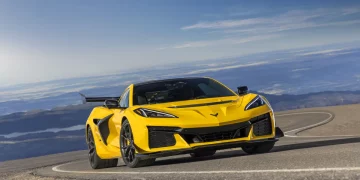




















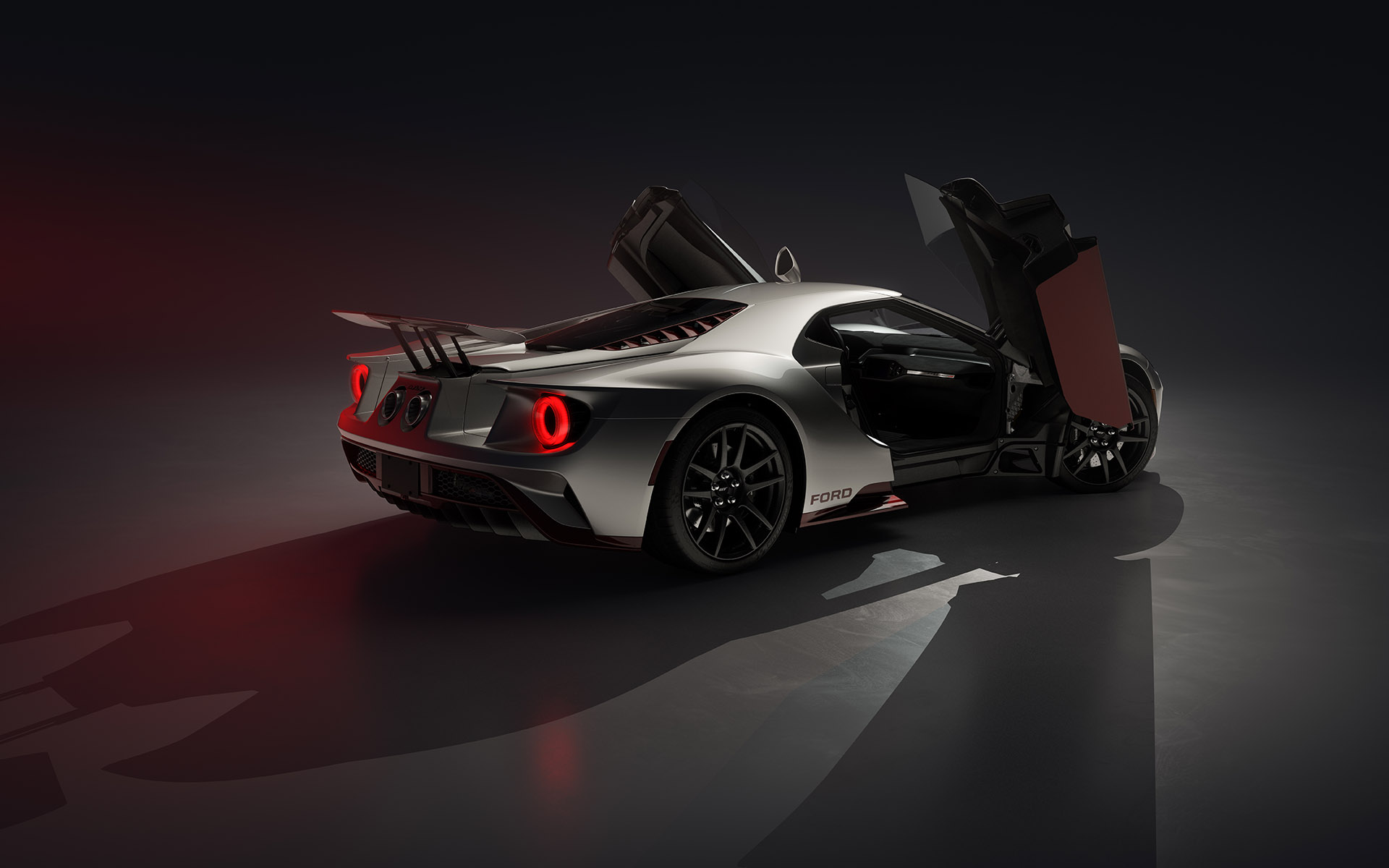
Supercars have long been synonymous with cutting-edge performance, extravagant luxury, and extraordinary design. From the unmistakable curves of a Ferrari to the aggressive stance of a Lamborghini, supercars often push the boundaries of what’s possible in both aesthetics and engineering. But why do these high-performance vehicles, despite their exclusivity and often astronomical price tags, consistently lead the way in automotive design trends?
The answer lies not just in their stunning looks but also in the innovation, engineering, and cultural influence these cars have. Supercars not only represent the pinnacle of automotive performance but also act as design laboratories where automakers experiment with the latest technologies and materials. These innovations often make their way down to more mainstream vehicles, influencing how cars are designed, built, and experienced. Here’s why the unique designs of supercars continue to set the trends in the automotive industry.
1. Cutting-Edge Engineering and Materials
Supercars are designed with an obsession for performance. To achieve extraordinary speed, agility, and handling, every aspect of a supercar must be meticulously engineered. This emphasis on performance naturally extends to the vehicle’s design, as the form must support and enhance its function. Supercar designers and engineers use state-of-the-art materials, aerodynamics, and advanced technologies to push the limits of what a car can achieve.
Lightweight Materials:
- Supercars frequently use exotic materials like carbon fiber, titanium, and aluminum to reduce weight and increase strength. These lightweight materials not only improve the performance of the vehicle but also create striking visual effects, from the sleek, almost futuristic appearance of carbon fiber body panels to the high-tech look of titanium accents.
- In addition, the use of lightweight materials is a trend that often trickles down to more affordable sports cars and even luxury sedans. The adoption of carbon fiber, for example, is becoming more common in mainstream vehicles, allowing manufacturers to improve fuel efficiency and handling while maintaining structural integrity.
Aerodynamics:
- The aerodynamic design of a supercar is not just about looking fast—it’s about making the car perform at its highest potential. These cars are designed to minimize drag and maximize downforce, which is crucial for stability at high speeds. Active aerodynamics, such as adjustable spoilers and air vents that open and close depending on speed and driving conditions, have become hallmark features of supercars.
- This focus on aerodynamics has influenced the entire industry. Manufacturers of more affordable vehicles have started incorporating some of these advanced aerodynamic features, such as active grille shutters and rear spoilers, to improve fuel efficiency and handling at higher speeds.
2. Innovation as a Design Philosophy
Supercars have always been about breaking boundaries. With every new model, automakers compete to outdo one another in terms of both performance and design. This competitive spirit has led to some of the most iconic and innovative car designs in history.
Designing for Performance:
- A Lamborghini’s sharp lines and aggressive angles are not just for show; they are carefully crafted to direct airflow to reduce drag and enhance cooling. The same goes for the flowing curves of a Ferrari, designed to provide the car with an aerodynamic advantage while still conveying elegance and sophistication.
- These innovative approaches to car design have led to new standards in the automotive industry. For instance, the Porsche 911’s rear-engine layout, the McLaren F1’s central driving position, and the Ferrari Enzo’s integration of racing technology into a street car are all groundbreaking ideas that influenced car designs for years to come.
First Movers in New Technologies:
- Supercars are often the first to adopt new technologies, and many of these advancements later filter down into everyday vehicles. For example, early adoption of hybrid and electric technologies, such as in the Porsche 918 Spyder or the Ferrari LaFerrari, has shown the automotive world that high performance doesn’t have to be sacrificed in the pursuit of sustainability.
- Similarly, supercars often pioneer advancements in lighting technology, such as LED and laser headlights, which have now become more common across a wide range of vehicles.
3. Exquisite Attention to Detail
Supercars are not just about performance; they are also about an overall aesthetic experience. Every curve, angle, and surface is carefully designed to create an emotional response in the driver and onlookers alike. The level of attention to detail in supercar design often sets trends in interior and exterior design that other automakers strive to replicate.
Unique Exterior Design:
- The exterior design of supercars is often bold, distinctive, and instantly recognizable. Lamborghini’s sharp, angular lines or the flowing curves of a Ferrari create an emotional connection with consumers, making these cars iconic and aspirational. This attention to detail and focus on striking visuals has inspired more mainstream brands to focus on distinctive design elements that enhance the car’s identity.
- Over time, we’ve seen more manufacturers emphasize the importance of standout, eye-catching designs. For instance, the “hunched-back” look of the McLaren 720S, with its downward-swept rear, has inspired similar flowing rear designs on other high-performance vehicles.
Luxurious Interior Features:
- The interior of a supercar is often just as luxurious as its exterior, with the finest materials and bespoke details. Carbon fiber dashboards, custom leather seating, and high-tech interfaces are standard in supercar cabins. The fine craftsmanship and customization options available in these cars set the stage for luxury and sports car makers to adopt similar features in their vehicles.
- Additionally, the interior of these supercars often prioritizes the driving experience—ergonomically-designed seats, customizable controls, and minimalist yet functional layouts that enhance the feeling of being in the cockpit of a high-performance machine. These features have influenced not only luxury carmakers but also more mass-market brands aiming to create a more premium experience.
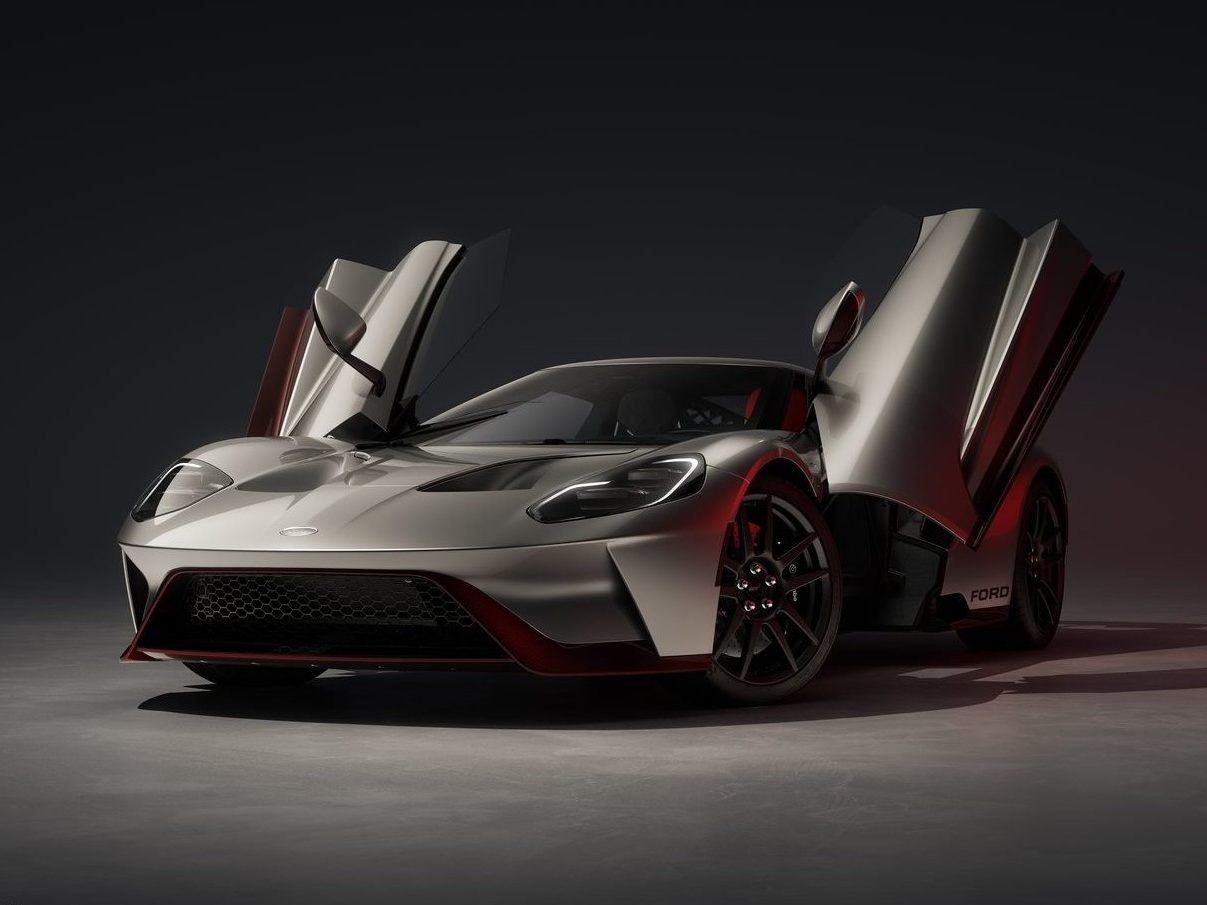
4. Exclusivity and Brand Identity
Supercars are the ultimate symbols of status and exclusivity. Their high price tags and limited production runs ensure that only a select few can own them. This exclusivity is not just reflected in the number of units produced but also in the designs themselves. The visual language of supercar design is often deeply tied to the brand’s identity and heritage, further reinforcing the car’s allure and uniqueness.
Iconic Brand Design Languages:
- Ferrari, Lamborghini, McLaren, and Bugatti all have their own distinct design languages that help define their brands. The aggressive, angular styling of a Lamborghini, for instance, is a direct reflection of the brand’s ethos: bold, cutting-edge, and fearless. Ferrari’s more graceful, flowing lines evoke luxury and sophistication, while McLaren’s purposeful design reflects the brand’s racing heritage.
- These iconic design cues influence not only other luxury manufacturers but also the broader automotive industry. For example, many modern sedans now feature sharper, more angular lines, inspired by the supercar aesthetic. Furthermore, the growing trend of incorporating bespoke design options in mainstream vehicles has been largely influenced by the customization available in supercars.
Exclusivity as a Design Trend:
- Supercar brands often focus on producing limited-edition models with unique designs, exclusive colors, and custom features, making each car a unique work of art. The idea of exclusivity has trickled down into the luxury vehicle market, where manufacturers like Rolls-Royce, Aston Martin, and Bentley are offering more personalized options for consumers, allowing them to create a car that is tailored to their exact specifications.
- Even the mainstream automotive market has embraced the idea of limited-edition models and special packages, inspired by the success of supercar brands in creating truly one-of-a-kind machines.
5. Cultural Influence and Aspirational Appeal
Supercars hold a powerful place in popular culture. Movies, television shows, and advertising have long glorified the performance and design of these cars, elevating them to an almost mythical status. This cultural influence contributes to their ability to set trends, as millions of people around the world are inspired by these vehicles, both as symbols of status and as representations of the pursuit of excellence.
Iconic Appearances in Media:
- From the “Fast & Furious” franchise to James Bond films, supercars are frequently featured as symbols of wealth, power, and success. These vehicles have become symbols of aspiration and are often associated with the idea of achieving greatness, whether through speed, design, or sheer engineering excellence.
- The media portrayal of supercars has had a direct impact on their desirability and influence over car design trends. Manufacturers are keenly aware of this cultural importance, and their designs reflect a desire to continue pushing the boundaries of what is considered possible.
6. Pushing the Boundaries of Design and Technology
The future of supercars will likely see even more groundbreaking innovations, as these vehicles continue to set the pace in the automotive world. With the rise of electric powertrains, autonomous technology, and smart features, supercars are uniquely positioned to incorporate cutting-edge technologies before they become mainstream.
Electric Supercars:
- As electric technology advances, manufacturers like Rimac and Tesla are pushing the limits of what electric vehicles can achieve in terms of performance, speed, and design. The Rimac C_Two, for example, features an all-electric powertrain capable of producing nearly 2,000 horsepower, combined with a design that reflects the future of automotive aesthetics.
- Electric vehicles are already influencing the design of more conventional cars, with sleek, minimalist interiors, futuristic lighting systems, and bold, aerodynamic exteriors becoming more common. The adoption of electric technology in supercars has the potential to shape the design of all future vehicles, as consumers expect even more performance, efficiency, and cutting-edge aesthetics.
Conclusion: Supercars as the Design Trendsetters
Supercars have always been at the forefront of automotive design and engineering, leading the way with innovative features, breathtaking aesthetics, and pioneering technologies. Their unique designs aren’t just about looking good; they reflect the essence of what it means to push the limits of performance, luxury, and exclusivity.
As they continue to evolve, supercars will remain the ultimate symbols of innovation, inspiring designers and manufacturers across the automotive world. Whether it’s through their aerodynamic shapes, groundbreaking technologies, or cultural influence, supercars will continue to set trends that shape the future of automotive design. From electric supercars to autonomous driving features, the cars of tomorrow will undoubtedly carry the legacy of today’s supercars, ensuring that their influence remains as strong as ever.