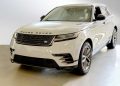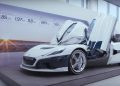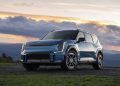





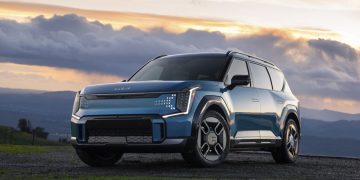
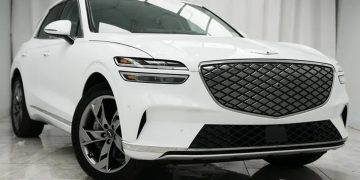
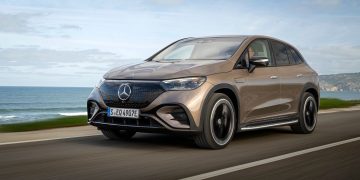
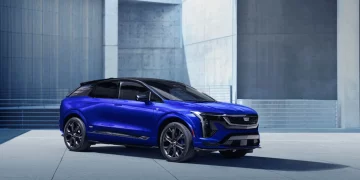
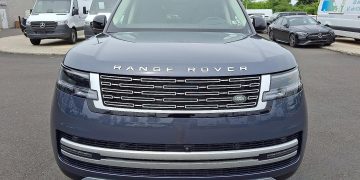
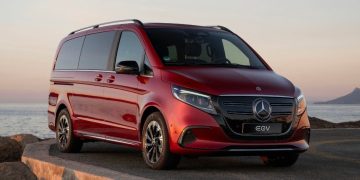
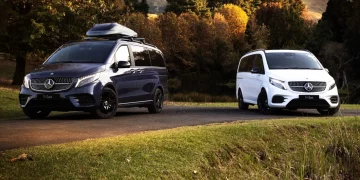

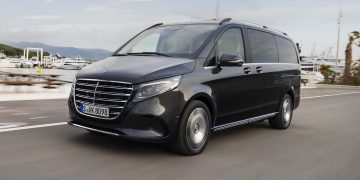

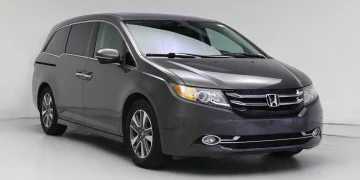

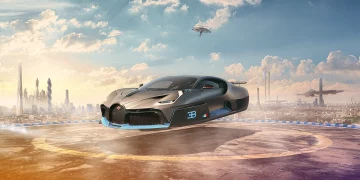
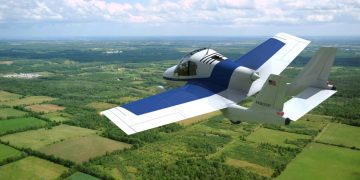
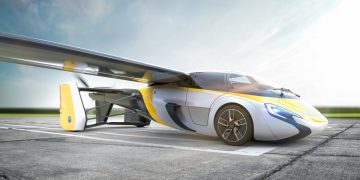
The automotive industry is undergoing a significant transformation, with smart technology and autonomous driving leading the way. The future of multi-functional passenger vehicles (MPVs) is poised to be shaped by these technologies, revolutionizing how we experience transportation. MPVs, known for their spacious interiors, flexibility, and practicality, are already a favorite for families and businesses alike. However, as consumer demands evolve, these vehicles are expected to integrate cutting-edge technology to provide more comfort, safety, and convenience.
In this article, we will explore how future MPVs will integrate smart technology and autonomous driving features, how these advancements will improve user experience, and the challenges and opportunities these changes bring.
1. The Role of Smart Technology in the Future of MPVs
1.1 Understanding Smart Technology in MPVs
Smart technology in vehicles refers to the integration of connected systems, intelligent features, and advanced infotainment platforms designed to enhance user experience, safety, and convenience. These systems enable real-time data exchange, voice recognition, intelligent navigation, and more.
In MPVs, the incorporation of smart technology will go beyond the basics, with an emphasis on making travel more enjoyable and efficient for all passengers. Here’s a breakdown of some key aspects:
1.2 Infotainment and Connectivity
- Advanced Infotainment Systems: Future MPVs will feature next-generation infotainment systems that provide seamless connectivity with smartphones, smart devices, and home networks. This means that families can access content, control vehicle settings, and communicate with home devices directly through the car’s central hub.
- Apple CarPlay, Android Auto, and other operating systems will become standard features, offering a truly connected car experience.
- Voice-Activated Controls: Enhanced voice recognition software will allow passengers to control navigation, climate, media, and even car settings just by using their voice. This creates a more hands-free, intuitive experience, reducing distractions and improving safety.
- For example, users can say, “Hey, car, turn on the air conditioning,” or “Set the navigation to the nearest charging station.”
- Smartphone Integration: The integration of smartphone apps into the MPV’s system will allow passengers to manage the car’s settings remotely. From pre-conditioning the vehicle in winter to checking the tire pressure, owners will have full control from their phones. Many future vehicles will also have features such as smart key systems that use phones to lock/unlock the vehicle.
1.3 Advanced Safety Features
- AI-Driven Driver Assistance: Future MPVs will be equipped with advanced driver assistance systems (ADAS) powered by artificial intelligence (AI). These systems will not only assist with tasks like parking, lane-keeping, and emergency braking, but also analyze real-time data to anticipate and prevent accidents.
- Collision Avoidance and Pedestrian Detection: AI-powered safety features will become more accurate in recognizing potential hazards on the road. For instance, pedestrian detection systems will use advanced sensors and cameras to identify people crossing the road and automatically apply the brakes if the driver doesn’t respond in time.
- Adaptive Cruise Control (ACC) and Lane Centring: With adaptive cruise control, the MPV can adjust its speed to maintain a safe distance from the vehicle ahead. Coupled with lane centering technology, these features will make highway driving less stressful, especially during long trips.
1.4 Smart Climate Control and Personalization
- Personalized Climate Zones: Future MPVs will feature advanced climate control systems that not only allow for individualized temperature settings for each passenger but also integrate sensors to detect body temperature and adjust automatically.
- AI-Powered Seat Customization: Seats in future MPVs will adjust based on personal preferences, with features such as memory seat settings and dynamic lumbar support, making long trips more comfortable. AI will learn individual preferences over time, adjusting settings for optimal comfort based on driver and passenger habits.
1.5 In-Car Entertainment for Passengers
- Interactive Entertainment Screens: The future MPV will integrate high-resolution touchscreens and interactive displays in the rear seats, allowing passengers to access a variety of entertainment options such as movies, video games, or interactive learning tools for children.
- Virtual Assistants: Just as voice assistants like Alexa and Google Assistant are now in homes, they will be integrated into vehicles. Passengers can ask the system to play music, give information about the destination, or even adjust seat settings—all through simple voice commands.
2. The Role of Autonomous Driving in Future MPVs
2.1 What is Autonomous Driving?
Autonomous driving refers to the use of artificial intelligence, sensors, cameras, and machine learning algorithms to allow a vehicle to drive itself without human intervention. Autonomous vehicles (AVs) are classified into levels ranging from Level 1 (basic automation) to Level 5 (full automation).
For MPVs, the future will likely focus on achieving Level 4 (high automation) or Level 5 (full automation) in certain driving conditions.
2.2 Features of Autonomous Driving in MPVs
- Hands-Free Driving: In future MPVs, Level 4 or Level 5 autonomous driving will allow the vehicle to handle all aspects of driving, including steering, accelerating, and braking, with little or no input from the driver. This would enable families to focus on other activities during long road trips or commutes, such as working, resting, or socializing with passengers.
- Autonomous Parking: A key feature of future autonomous MPVs will be the ability to park themselves. Using sensors and cameras, autonomous systems will detect parking spaces and navigate the vehicle into tight spots without any driver intervention.
- Navigation Without Intervention: Autonomous MPVs will have a robust navigation system capable of processing vast amounts of data from sensors, cameras, and real-time traffic information to autonomously navigate the road, even in complex environments such as busy urban areas.
2.3 The Impact of Autonomous Driving on Safety
- Reduced Human Error: One of the biggest advantages of autonomous driving is the reduction of human error. AI-driven vehicles will be able to process more data than a human driver, reacting faster to unexpected events. This will drastically reduce the risk of accidents caused by fatigue, distraction, or impaired driving.
- Constant Vigilance: Autonomous MPVs will be able to maintain constant vigilance on the road, detecting pedestrians, cyclists, and other vehicles more accurately than human drivers. This will provide a safer travel experience for passengers, especially in crowded or low-visibility environments.
- Collision Avoidance: Advanced algorithms will enable predictive collision avoidance, allowing autonomous systems to take preemptive action to avoid accidents. This can include braking, steering, or altering the vehicle’s trajectory based on real-time conditions.
2.4 How Autonomous MPVs Will Benefit Families
- Increased Accessibility: Autonomous driving will offer greater mobility for individuals who may not be able to drive due to age, disability, or other factors. Elderly individuals, for example, will benefit from being able to travel independently in an autonomous vehicle.
- Reduced Driver Fatigue: Long trips, especially with children or pets, can be exhausting. Autonomous MPVs will allow the driver to relax, reducing the stress and fatigue associated with long-distance driving.
- Increased Family Time: Families will have more opportunities for shared experiences in the vehicle. Instead of focusing on driving, parents and children can engage in activities together, such as playing games, watching movies, or planning the day ahead.
3. Challenges of Integrating Smart Technology and Autonomous Driving in MPVs
While the integration of smart technology and autonomous driving in future MPVs promises significant benefits, several challenges remain:
3.1 Technological Limitations
- Sensor Reliability and Accuracy: Autonomous vehicles depend heavily on sensors (such as LIDAR, radar, and cameras) to perceive their surroundings. Ensuring that these sensors work seamlessly under all conditions, including rain, snow, or fog, remains a technical challenge.
- Software and AI Development: Developing reliable AI systems capable of making complex decisions in real-time is a significant hurdle. These systems must be tested in various environments to ensure that they can handle every possible driving scenario.
3.2 Legal and Regulatory Hurdles
- Legal Framework: The widespread adoption of autonomous vehicles will require new regulations governing their use. Issues such as liability in the event of an accident, insurance, and road safety standards will need to be addressed before full autonomy can become the norm.
- Road Infrastructure: Many current road infrastructures are not designed to accommodate autonomous vehicles. Smart road technologies, such as dedicated lanes for autonomous vehicles and communication networks between vehicles and traffic signals, may need to be developed to ensure safe and efficient operation.
3.3 Consumer Acceptance
- Trust in Technology: Many consumers may be hesitant to trust autonomous vehicles due to concerns over safety and reliability. As with any new technology, consumer education and experience with autonomous systems will be key to building trust.
- High Initial Cost: The integration of advanced smart technologies and autonomous systems in MPVs may lead to higher vehicle costs. The long-term benefits may outweigh the upfront costs, but affordability will still be a key factor for many consumers.
Conclusion
The future of multi-functional passenger vehicles is set to be heavily influenced by the integration of smart technology and autonomous driving. These advancements will enhance safety, improve user experience, and increase efficiency in ways that were previously unimaginable. From AI-powered infotainment systems and personalized features to fully autonomous driving capabilities, the next generation of MPVs will be more than just vehicles—they will become mobile hubs of connectivity and convenience.
However, challenges remain in terms of technology, legal frameworks, and consumer trust. Despite these obstacles, the rapid pace of innovation in the automotive industry suggests that smart, autonomous MPVs will soon be a mainstream reality, transforming how families and businesses experience travel in the coming decades.
As these technologies evolve, the integration of smart and autonomous features will likely become a standard expectation for the future of MPVs, further blurring the line between car and smart mobile living space.