























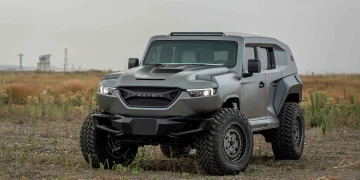
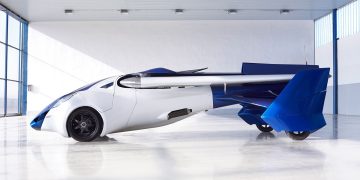
Specialized vehicles are a crucial part of many industries, offering tailored solutions to meet the unique demands of transportation within specific fields. Unlike standard vehicles, which are designed for general use, specialized vehicles are built with industry-specific features that optimize efficiency, safety, and performance in their respective roles. From construction and logistics to healthcare and emergency services, specialized vehicles play an essential role in ensuring that operations run smoothly, efficiently, and safely.
In this article, we will explore how specialized vehicles cater to the needs of various industries, the specific design features that make these vehicles indispensable, and the technological advancements driving the evolution of these vehicles.
1. The Role of Specialized Vehicles in Different Industries
1.1 Construction Industry: Heavy-Duty Transport and Site Operations
The construction industry requires a variety of specialized vehicles to handle different aspects of building and infrastructure projects. These vehicles are designed to transport materials, machinery, and workers to and from construction sites while withstanding rugged terrains and tough working conditions.
- Dump Trucks: Essential for transporting loose materials like sand, gravel, or debris, dump trucks are a common sight on construction sites. Their large, hydraulic beds allow for easy unloading of bulk materials, saving time and labor costs.
- Cranes: Specialized cranes, whether mobile or stationary, are used for lifting heavy building materials and equipment to high elevations. These vehicles have adjustable booms, and some can even move across construction sites on their own, allowing them to position heavy loads with precision.
- Concrete Mixers: Used to transport and mix concrete, these vehicles ensure the timely delivery of fresh, consistent materials to construction sites. Concrete mixers are designed to keep the concrete at the correct consistency while transporting it from the mixing plant to the job site.
- Flatbed Trucks: These vehicles are used for transporting large, heavy items such as building materials or construction equipment that need to be loaded and unloaded quickly. Their open design allows for easy loading and unloading with cranes or forklifts.
These vehicles are equipped with features such as all-terrain capabilities, reinforced structures, and powerful engines that make them well-suited for construction environments.
1.2 Emergency Services: Ensuring Rapid Response and Rescue
Emergency vehicles are some of the most critical specialized vehicles, designed to respond to urgent situations and save lives. These vehicles must meet stringent regulatory standards to ensure they can function efficiently and safely in high-pressure situations.
- Ambulances: Equipped with advanced medical equipment, stretchers, and life-saving supplies, ambulances are used to transport injured or ill patients to hospitals quickly and safely. The interiors are designed to accommodate medical professionals and patients while providing necessary medical interventions during transport.
- Fire Trucks: Firefighting vehicles are equipped with high-capacity water tanks, hoses, and fire-fighting equipment. Some fire trucks also carry aerial ladders, which allow firefighters to reach high-rise buildings and rescue people from upper floors. Fire trucks are designed to navigate through traffic quickly and reach emergency sites in a short amount of time.
- Police Vehicles: Specialized police vehicles, including patrol cars, SWAT trucks, and riot control vehicles, are designed to perform specific law enforcement duties. These vehicles are equipped with sirens, lights, and communication equipment to ensure rapid response, while some feature reinforced structures or protective shields for officer safety in dangerous situations.
Emergency service vehicles are equipped with technologies like GPS tracking, communication systems, and advanced lighting to facilitate quick decision-making and coordination during emergencies.
1.3 Healthcare: Transporting Patients and Medical Equipment
Specialized healthcare vehicles are built to meet the specific needs of medical transportation, both for patients and for equipment.
- Patient Transport Vehicles: These include both emergency ambulances and non-emergency patient transport vehicles, designed to transport patients who may need medical care en route. These vehicles come equipped with medical supplies and life-support systems, such as oxygen tanks and defibrillators.
- Blood Delivery Vehicles: These vehicles are temperature-controlled and are used to transport blood, organs, or other sensitive medical supplies. Specialized refrigeration systems ensure that these materials maintain the required temperature during transport, protecting their integrity.
- Mobile Clinics: Mobile clinics are equipped with medical equipment and staffed by healthcare professionals, providing essential medical services to remote or underserved populations. These vehicles offer a convenient solution for delivering healthcare in rural areas or during disaster relief efforts.
1.4 Logistics and Supply Chain: Efficient Cargo Handling and Delivery
The logistics and supply chain industry relies heavily on specialized vehicles to ensure the smooth transportation of goods across various distances and conditions. These vehicles are designed to meet specific needs based on the types of goods being transported.
- Refrigerated Trucks: Also known as reefer trucks, these vehicles are equipped with refrigeration units to transport perishable goods like food, pharmaceuticals, and other temperature-sensitive products. Refrigerated trucks ensure that goods maintain the required temperature throughout their journey.
- Flatbed Trailers: Used for transporting large, oversized cargo that doesn’t fit in standard containers, flatbed trailers are commonly used for shipping construction materials, machinery, and vehicles. Their open design makes them highly versatile for transporting heavy goods.
- Tankers: Tanker trucks are designed to transport liquids, including chemicals, fuel, and water. These vehicles are specially designed to handle hazardous materials and comply with strict safety regulations.
- Box Trucks: Used for general cargo transportation, box trucks have large cargo areas with a closed, rectangular design to protect goods from the elements. They are commonly used for delivering furniture, electronics, or retail goods.
These vehicles are designed for load optimization, safety, and efficiency, with some featuring advanced GPS tracking, temperature monitoring, and cargo securing systems to ensure that goods arrive in good condition and on time.
1.5 Waste Management: Efficient and Safe Collection of Waste
In the waste management industry, specialized vehicles are used to collect, transport, and process waste materials safely and efficiently. These vehicles are designed to handle specific types of waste and ensure compliance with environmental regulations.
- Garbage Trucks: These vehicles are equipped with compaction systems that allow waste to be compressed, maximizing the amount of waste that can be transported in a single trip. They are commonly used for curbside waste collection and are designed to navigate residential streets.
- Recycling Trucks: Similar to garbage trucks, recycling trucks are designed to collect recyclables such as paper, plastic, and glass. They may include separate compartments for different types of recyclable materials to keep them organized and ready for processing.
- Hazardous Waste Trucks: These vehicles are specially equipped to handle the transportation of hazardous materials, including chemicals, medical waste, and other dangerous substances. They are built to comply with strict safety standards, including specialized containment systems and monitoring equipment.
Waste management vehicles are designed with compaction, segregation, and safety features that are crucial for handling waste efficiently and safely.
2. How Specialized Vehicles Enhance Industry-Specific Operations
2.1 Efficiency and Productivity
Specialized vehicles are designed to increase efficiency and reduce operational downtime. For example, construction trucks equipped with hydraulic lifts or dump beds allow materials to be offloaded more quickly, minimizing labor time. Similarly, refrigerated trucks ensure that perishable goods can be transported over long distances without the need for additional handling or storage.
These vehicles allow businesses to streamline their operations, ensuring that tasks are completed faster and with fewer resources, ultimately improving productivity.
2.2 Compliance and Safety
Specialized vehicles often need to comply with strict industry regulations regarding safety, environmental standards, and operational procedures. For example, vehicles used for transporting hazardous materials must meet rigorous safety standards to prevent spills, leaks, or accidents. Similarly, healthcare vehicles are equipped with life-saving equipment to ensure patient safety during transport.
By adhering to these regulations, specialized vehicles help companies minimize the risks associated with their operations while ensuring that they meet the legal requirements of their respective industries.
2.3 Adaptability and Flexibility
Industries are dynamic, and the transportation needs of businesses can change rapidly. Specialized vehicles are adaptable, with many designs that can be modified to meet evolving industry requirements. For example, logistics companies may upgrade their fleet to include electric or hybrid vehicles to reduce emissions, while waste management vehicles may be reconfigured to handle new types of waste materials.
The ability to modify and adapt specialized vehicles ensures that businesses can stay ahead of industry trends and address emerging challenges without needing to invest in entirely new fleets.
3. The Future of Specialized Vehicles
As industries continue to evolve, so will the demands on specialized vehicles. Some emerging trends and innovations that are shaping the future of these vehicles include:
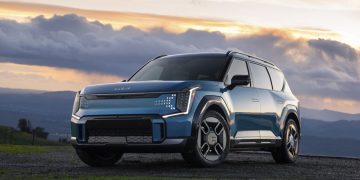
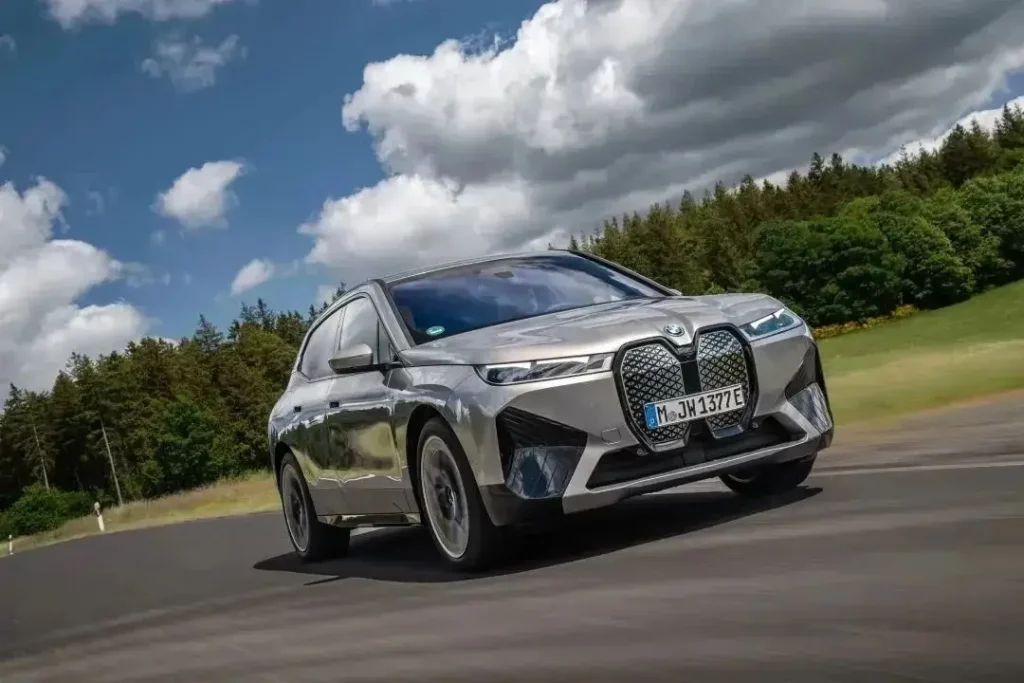
- Electric and Hybrid Technologies: As environmental concerns grow, industries are increasingly turning to electric or hybrid specialized vehicles to reduce emissions and improve fuel efficiency. These vehicles are being integrated into sectors such as logistics, waste management, and emergency services.
- Autonomous Vehicles: The development of autonomous driving technologies is likely to impact the specialized vehicle market. For example, self-driving trucks could revolutionize logistics by reducing the need for human drivers, while autonomous delivery drones may change the way goods are transported, particularly in last-mile delivery.
- Advanced Materials and Manufacturing: Future specialized vehicles may incorporate lightweight yet durable materials, such as carbon fiber, to improve fuel efficiency and reduce wear and tear on the vehicle. 3D printing may also allow for the production of vehicle parts tailored to specific industries.
- IoT and Data Integration: The Internet of Things (IoT) and big data are being integrated into specialized vehicles to provide real-time tracking, predictive maintenance, and performance analytics. This technology allows businesses to monitor vehicle performance and anticipate maintenance needs, reducing downtime and improving overall fleet management.
Conclusion
Specialized vehicles are indispensable in many industries, providing tailored solutions that enhance efficiency, safety, and compliance. From construction and healthcare to logistics and waste management, these vehicles are designed to meet the unique challenges of each field, offering specialized features that general vehicles cannot provide.
As technology advances, the role of specialized vehicles will continue to evolve, incorporating new innovations that further improve their performance and meet the changing demands of modern industries. Whether it’s through electric powertrains, autonomous capabilities, or IoT integration, specialized vehicles will continue to play a critical role in shaping the future of transportation across multiple sectors.